
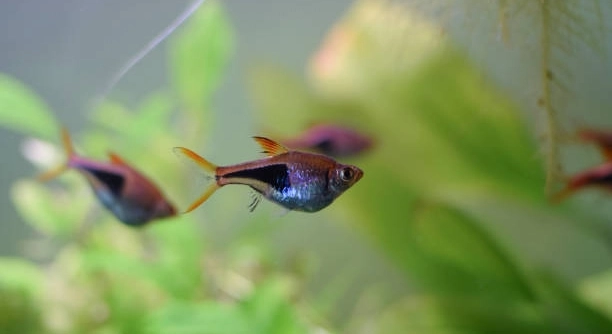
Rasboras are small, active fish that often capture the attention of aquarium owners. Observing their patterns can reveal interesting behaviors, especially when they gather in specific areas of the tank near equipment like filters.
Rasboras commonly swim near the filter due to increased water movement and oxygenation. The current helps distribute food and improves their environment, while the filter area provides a sense of security and stimulation for these naturally active fish.
Understanding this behavior can help you create a healthier, more comfortable habitat for your fish and enhance your overall aquarium experience.
Reasons Rasboras Favor the Filter Area
Rasboras often gather near the filter because it creates steady water movement. They enjoy swimming in gentle currents, which mimic conditions in their natural habitat. The moving water helps them exercise, keeps them active, and supports healthy fin and muscle development. Filters also distribute oxygen more effectively, which is crucial for small fish like rasboras. Besides oxygen, the filter helps circulate nutrients and small food particles throughout the tank, allowing fish to feed more easily. Some rasboras use the filter area as a resting spot, feeling protected by the current and the slight turbulence around it. Watching them swim in this zone can reveal their playful nature and their social interactions with other fish. Observing these patterns also helps tank owners adjust water flow, ensuring all areas of the tank are comfortable for their fish.
Filters improve water flow, oxygenation, and nutrition, making the area more appealing to rasboras than calmer sections of the tank.
Rasboras are naturally drawn to areas with gentle currents. These currents simulate small streams where they originate, offering both exercise and safety. The movement also reduces stagnation, preventing debris buildup that could harm water quality. For tank owners, noticing where rasboras swim helps in adjusting equipment placement, flow rates, and tank decorations. Ensuring other parts of the tank are also comfortable can balance fish distribution. Choosing the right filter strength and placement can promote activity without overwhelming them, supporting healthy behavior patterns and overall well-being.
How Water Quality Affects Swimming Patterns
Good water quality encourages rasboras to explore all areas of the tank more freely.
Poor water quality often causes fish to remain near well-oxygenated spots, like near the filter. Rasboras are sensitive to changes in ammonia, nitrate, and nitrite levels. If levels rise, fish instinctively move toward areas with better circulation to find cleaner water. Tank temperature, pH, and hardness also influence where they swim. A consistent and stable environment allows fish to exhibit natural behaviors, while fluctuating conditions can lead to stress and concentration around the filter. Regular water testing, partial water changes, and careful monitoring of feeding can maintain suitable conditions. Filtration alone is not enough; balanced care ensures the entire tank is hospitable, encouraging rasboras to swim freely instead of clustering in one area. Observing these patterns gives insight into overall tank health and helps prevent long-term health issues. Maintaining a clean, stable habitat ensures rasboras remain active, healthy, and vibrant throughout their lives.
Filter Placement and Tank Design
Correct filter placement affects where rasboras spend most of their time. Positioning the filter to create gentle currents allows the fish to swim comfortably while still benefiting from oxygenated water and improved circulation throughout the tank.
Filters should not generate too strong a flow, as rasboras are small and delicate. A filter that is too powerful can stress them and push them into corners. Adjusting the flow helps create areas where the fish can rest and swim naturally. Decorations like plants and rocks also influence their movement, giving them places to hide and explore. Proper layout ensures the filter works efficiently while the fish remain active and healthy.
Tank shape, filter position, and décor work together to create a balanced environment. Rasboras feel secure with moderate flow, accessible hiding spots, and open swimming areas. Observing how they respond allows adjustments to promote comfort and reduce stress.
Social Behavior and Group Dynamics
Rasboras are schooling fish, and their behavior near the filter often reflects group instincts. Swimming together near flowing water provides safety and reduces stress.
Being in groups helps rasboras maintain social bonds and coordination. The filter area offers a consistent, safe location for schools to gather, making it easier for them to communicate and respond to potential threats. Group swimming also stimulates activity, ensuring all fish receive adequate exercise and maintain healthy patterns. When schools move as a unit, the dynamic currents from the filter allow them to interact naturally, which is essential for mental and physical health. Watching these interactions can inform tank adjustments and improve care.
Strong social instincts cause rasboras to cluster in the most favorable spots. The filter’s constant movement and oxygen-rich water create a preferred zone for schools, reinforcing bonding and coordinated swimming. Consistent observation of these patterns helps maintain a stable, healthy environment while ensuring the entire tank supports their natural social behaviors and reduces stress throughout the group.
Feeding Habits Near the Filter
Rasboras often swim near the filter during feeding times. The water movement carries small food particles, making it easier for them to catch and eat.
The current from the filter helps distribute food evenly, allowing all fish to access it without competing too aggressively.
Stress and Safety Considerations
Rasboras seek the filter area when they feel stressed or threatened. The flowing water provides a sense of security, mimicking natural streams where they can quickly escape danger or hide among gentle currents. This behavior helps them feel protected and reduces anxiety in the tank.
Observing Behavior Patterns
Tracking how rasboras interact with the filter can reveal their comfort levels, activity, and social behavior. Adjusting the tank environment based on these observations ensures their well-being, health, and natural instincts are maintained.
Choosing the Right Filter
Selecting an appropriate filter strength is key. Too strong a current can overwhelm rasboras, while too weak may not provide sufficient oxygenation. Finding the right balance supports healthy swimming and overall tank harmony.
FAQ
Why do rasboras always swim near the filter?
Rasboras are drawn to the filter area because it provides oxygen-rich water and gentle movement. The current keeps them active and helps distribute food particles evenly. Swimming near the filter also gives them a sense of security, which reduces stress and encourages natural behavior patterns.
Can the filter current harm my rasboras?
Yes, if the current is too strong, it can exhaust small rasboras and cause injury. Adjusting the filter output or using a flow diffuser can create gentle movement that keeps the fish active without overwhelming them. Proper placement and strength balance are key to safe swimming.
Do all rasboras prefer the same area near the filter?
Not necessarily. While many gather near flowing water, individual preferences can vary. Some may explore calmer areas while others stick close to the filter for safety. Observing your tank will help you understand your fish’s personal tendencies and adjust the environment accordingly.
Does filter placement affect water quality for rasboras?
Absolutely. Filters circulate water, removing debris and toxins while distributing oxygen. Proper placement ensures all areas receive adequate flow and prevents stagnant zones. This not only keeps rasboras healthy but also reduces stress, allowing them to swim more freely throughout the tank.
How can I make other parts of the tank appealing to rasboras?
Adding plants, decorations, or gentle water flow in different zones can encourage exploration. Hiding spots and shaded areas mimic natural habitats, making the entire tank comfortable. Balancing current and oxygenation throughout the tank prevents over-reliance on the filter area.
Why do rasboras sometimes swim in tight groups near the filter?
Tight grouping is a social behavior and a response to perceived safety. The filter’s flow creates a predictable environment where schools can coordinate swimming and maintain group cohesion. This instinctive behavior reduces stress and supports healthy interactions within the school.
How often should I check my filter for optimal rasbora health?
Regular maintenance is crucial. Inspecting the filter weekly ensures proper flow, prevents clogging, and maintains water quality. Clean or replace filter media as needed. Consistent monitoring keeps the environment stable and supports rasboras’ natural swimming and feeding behavior.
Will changing the filter affect my rasboras’ swimming habits?
Yes, sudden changes in water flow or location can temporarily stress fish. Introducing a new filter gradually or adjusting settings slowly helps them adapt. Observing their behavior after changes ensures they remain active and comfortable in the new setup.
Can poor water quality cause rasboras to avoid the filter?
In some cases, yes. If the filter is dirty or ineffective, rasboras may seek other areas or appear lethargic. Maintaining clean, oxygenated water encourages natural swimming near the filter and throughout the tank. Regular testing and water changes are essential.
Are there other reasons rasboras stay near the filter besides water flow?
Yes. The filter area can provide a sense of security, consistent temperature, and easy access to floating food. It also allows them to interact socially in groups while staying alert to changes in their environment, supporting both physical and mental well-being.
Can decorations near the filter impact rasbora behavior?
Definitely. Plants, rocks, and driftwood can create shelter, reduce stress, and influence swimming patterns. Well-placed decorations near the filter can make the area more attractive and encourage exploration, while overcrowding can restrict movement and cause stress.
What is the best way to monitor rasbora activity near the filter?
Observing daily is the most effective approach. Note swimming patterns, group behavior, and feeding habits. Changes can indicate stress, illness, or environmental issues. Keeping a small log helps identify trends and adjust tank conditions promptly to maintain optimal health.
Does filter size matter for rasbora tanks?
Yes. A filter that is too small may not provide sufficient circulation or oxygenation, while a large filter can create strong currents that stress the fish. Choosing an appropriately sized filter ensures a balanced environment that promotes natural swimming and social behavior.
How can I reduce stress for rasboras around the filter?
Keep the flow moderate, maintain water quality, and provide hiding spaces nearby. Avoid sudden changes in equipment or decorations. Observing their reactions to adjustments helps ensure comfort and reduces stress, allowing them to thrive near the filter and throughout the tank.
Can temperature changes affect their preference for the filter?
Yes. Rasboras are sensitive to temperature fluctuations. The filter area often has more stable temperatures due to consistent water circulation. Sudden changes elsewhere may drive them to seek the more stable conditions near the filter, highlighting the importance of overall tank stability.
What is the ideal schooling size for rasboras near the filter?
A school of at least six or more fish is recommended. Smaller groups may feel insecure and stick excessively close to the filter. Proper schooling size encourages natural behavior, coordinated swimming, and reduces stress by allowing them to feel safer in numbers while exploring the tank.
Final Thoughts
Rasboras are small, lively fish that naturally display unique behaviors in aquariums. One of the most noticeable patterns is their tendency to swim near the filter. This behavior is influenced by a combination of factors including water movement, oxygenation, and a sense of security. The gentle currents created by a properly adjusted filter mimic the flowing waters of their natural habitats. Swimming in these currents helps rasboras stay active, maintain strong fins, and interact with other fish in a safe environment. Observing them closely around the filter can provide insights into their overall health and social habits, which is useful for ensuring they thrive in captivity. Understanding these small but important behaviors helps you make better decisions about tank setup, filter placement, and decoration choices.
Maintaining a clean and stable environment is essential for rasboras. Proper water quality, consistent temperature, and suitable tank décor all contribute to their comfort and well-being. Filters play a dual role in this process by circulating water and removing impurities, while also creating a preferred area for swimming and resting. Social behavior is another key consideration. Rasboras are schooling fish, so the presence of companions allows them to feel secure, reduces stress, and encourages natural movement. Watching how they interact in groups near the filter can reveal how well the tank conditions support their instincts. Adjustments to filter strength, placement, or the addition of plants and hiding spots can make the environment more balanced, encouraging fish to explore the entire tank rather than clustering in one area. By paying attention to their behavior, owners can address small issues before they become bigger problems, which ensures long-term health and happiness for the fish.
Filters are not the only factor in creating a comfortable space, but they are often the central feature that rasboras gravitate toward. Providing moderate water flow, sufficient oxygenation, and stable conditions allows the fish to swim freely without feeling stressed. Tank owners should also consider how feeding, decoration placement, and schooling size impact the behavior around the filter. When all these elements are balanced, rasboras display their natural energy, social interaction, and playful patterns. Observing them over time helps in fine-tuning the aquarium setup and provides reassurance that the fish are thriving. A well-maintained tank with thoughtful filter placement and care creates a safe, active, and healthy environment for rasboras, ensuring that their swimming habits and overall lifestyle remain natural and enjoyable.

Hello,
If you enjoy the content that we create, please consider saying a "Thank You!" by leaving a tip.
Every little bit helps us continue crafting quality advice that supports the health, happiness, and well-being of pets around the world, for pets of all shapes, sizes, and species.
We really appreciate the kindness and support that you show us!