
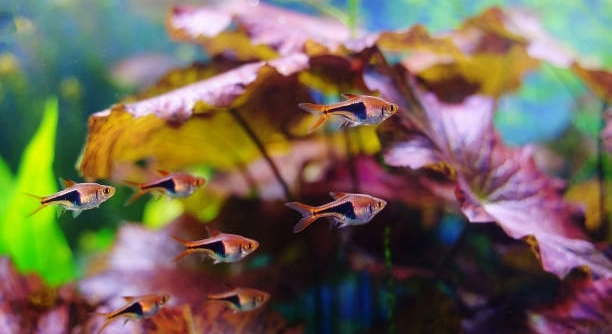
Rasboras are small, active fish that can adapt to a variety of tank setups. Their vibrant colors and peaceful nature make them popular in home aquariums. Many owners wonder if minimal decoration can still support their well-being effectively.
Rasboras can thrive in minimally decorated tanks as long as basic needs such as water quality, space for swimming, and safe hiding spots are met. Overcrowding and poor maintenance, rather than decoration, pose the greatest risk to their health.
Even a simple tank can support these lively fish when properly managed. Understanding the essentials will help ensure their comfort and longevity in any setup.
Understanding Minimal Decoration for Rasboras
Minimal decoration in a tank does not mean neglecting the fish’s needs. Rasboras require open swimming space, so excessive ornaments can restrict their movement. Simple elements like a few plants, smooth stones, or a small hiding spot can create a balanced environment. Live plants are especially helpful as they improve water quality and offer natural shelter. Driftwood or small caves can also provide a sense of security without overcrowding the tank. Avoid sharp or rough decorations, as these can harm delicate fins. Lighting should be gentle to avoid stressing the fish, and a consistent maintenance routine is essential. Even with minimal decoration, regular water changes and monitoring temperature and pH ensure the fish remain healthy and active. Observing how the fish interact with the environment allows adjustments to be made as needed. Overall, a thoughtfully simple tank can meet both aesthetic preferences and the well-being of rasboras.
Keeping the setup simple can still meet the fish’s basic needs while allowing them space to swim freely.
A minimally decorated tank can encourage natural behavior. Rasboras often school and dart together, and open spaces allow them to swim without obstruction. The few plants or stones present give them places to hide or rest while maintaining visibility for observation. Simple tanks are easier to clean and maintain, reducing stress for both the fish and the caretaker. By prioritizing water quality, temperature stability, and safe surfaces, minimal setups can be just as suitable as heavily decorated tanks. Watching the fish adapt and thrive in this environment demonstrates that they do not require extensive ornamentation to feel secure. The balance between simplicity and essential features creates a comfortable habitat that promotes active, healthy behavior without overwhelming the space.
Practical Tips for Maintaining a Simple Tank
Focus on essential features that support health rather than decoration.
Ensure consistent water changes and monitor water parameters closely. Even minimal setups benefit from filtration that keeps the water clear and balanced. Plants should be trimmed as needed, and substrates cleaned to prevent buildup. Avoid overcrowding by limiting the number of fish, and consider the natural social behavior of rasboras when deciding on group sizes. Observing how the fish interact with their environment allows for small adjustments. Minimal decorations can be rotated or rearranged occasionally to provide enrichment. Lighting schedules should mimic natural cycles, and temperature should remain stable. Keeping maintenance predictable reduces stress for both the fish and the caretaker. By prioritizing these simple steps, a minimally decorated tank can remain healthy, visually pleasing, and supportive of the fish’s natural behaviors over time. Consistent attention ensures that even a sparse setup meets all their physical and behavioral needs.
Choosing the Right Substrate
A fine, smooth substrate is best for rasboras. Gravel or sand allows natural foraging and prevents injury. Avoid sharp or rough materials that could damage their fins or scales. Lighter colors can highlight their colors without stressing the fish.
Substrate depth should be shallow enough to allow plants to root securely while giving fish room to swim. Sand is often preferred because it is gentle on delicate fins and provides a natural look. Small, rounded gravel works as well if plants are used sparingly. Regular cleaning prevents waste buildup, keeping water quality high. Minimal substrate still supports plant growth, allows natural behaviors, and maintains hygiene with simple maintenance. Choosing the right material ensures comfort and safety for rasboras without overcomplicating the tank setup.
Even with minimal decoration, a carefully chosen substrate contributes to fish health. It provides a foundation for plants, encourages natural behaviors, and allows for easy cleaning. Simple substrates reduce stress while supporting an active, visible, and vibrant tank environment for rasboras to thrive. Consistency in care ensures the fish remain comfortable in a simple setup.
Tank Size and Space Considerations
Rasboras need enough swimming room. Crowded tanks cause stress and limit natural schooling behavior.
A tank of at least 20 gallons is ideal for small rasbora groups. Open space allows the fish to swim actively and reduces territorial stress. Even minimal decoration must be arranged to maximize swimming areas while providing hiding spots. Grouping fish in appropriate numbers supports social behavior and prevents aggression. Tank length is more important than height, as horizontal swimming is their natural behavior. Maintaining consistent water quality and stable temperature is easier in a slightly larger tank. A well-sized tank ensures that even a minimally decorated setup remains comfortable and healthy, giving rasboras room to express natural activity and interact with one another without feeling confined.
Lighting and Temperature
Moderate lighting works best for rasboras. Too bright light can stress them, while too dim can affect plant growth. A natural day-night cycle helps maintain activity and reduces stress.
Temperature should remain stable between 74-78°F. Sudden changes can cause illness and affect their behavior. Consistency is key.
Feeding in a Minimal Tank
Rasboras thrive on a varied diet of flakes, micro-pellets, and occasional live or frozen foods. Feeding small amounts twice daily prevents overfeeding. Even in a sparsely decorated tank, distributing food evenly ensures all fish receive nourishment. Monitoring their eating habits helps maintain health and prevent water quality issues.
Observing Behavior
Watch for schooling and activity levels. Healthy rasboras stay active and swim in groups.
Maintaining a minimal tank allows easy observation of fish behavior. Any signs of stress, lethargy, or fin damage can be quickly addressed. Open spaces make it easier to monitor health, adjust feeding, and ensure the environment continues to meet their needs.
FAQ
Are Rasboras OK in a tank with almost no decoration?
Yes, rasboras can adapt to a minimally decorated tank if their basic needs are met. Open swimming space, good water quality, and safe hiding spots are more important than the number of ornaments. Simple plants or a small cave can provide security without overcrowding.
How many Rasboras should I keep together in a minimal setup?
Rasboras are schooling fish and feel safest in groups of six or more. In a minimal tank, maintaining a small school ensures social interaction, reduces stress, and promotes natural behavior. Avoid overcrowding, as limited decoration reduces hiding spots and space for movement.
Can Rasboras live without live plants?
They can survive without live plants, but live plants improve water quality and provide subtle hiding areas. Artificial plants can also work if arranged to offer cover while keeping open swimming areas. The key is balancing safety and space for activity.
Do Rasboras need a specific type of substrate in a simple tank?
Yes, a smooth, fine substrate is ideal. Sand or small rounded gravel prevents injuries and allows natural foraging. Sharp or rough substrates can harm their delicate fins. Minimal decoration does not mean ignoring the foundation of the tank.
How often should I clean a minimally decorated Rasbora tank?
Even with minimal decoration, regular maintenance is essential. Partial water changes of 20-30% weekly, vacuuming the substrate, and cleaning the filter help maintain water quality. This reduces stress and prevents disease, keeping the fish healthy.
Is lighting important in a sparsely decorated tank?
Yes, lighting should be moderate. Too bright lights can stress rasboras, while too dim light may affect plant growth and fish activity. A consistent day-night cycle helps maintain natural behavior and reduces stress.
What temperature range is best for Rasboras?
Rasboras thrive in stable temperatures between 74-78°F. Avoid sudden fluctuations, as they can cause stress or illness. Minimal decoration does not change temperature requirements; consistency is key to their health.
Can Rasboras tolerate minimal hiding spots?
They can tolerate minimal hiding spots if the tank is not overcrowded. Small caves, driftwood, or a few plants provide security without taking up swimming space. Observing behavior ensures they are comfortable and not stressed by the lack of cover.
How do I know if my Rasboras are stressed in a simple tank?
Signs of stress include lethargy, loss of color, erratic swimming, or hiding excessively. A simple setup makes it easier to notice these behaviors and make adjustments, such as adding subtle cover or checking water parameters.
What should I feed Rasboras in a minimal tank?
Feed a varied diet of high-quality flakes, micro-pellets, and occasional live or frozen foods. Small, frequent feedings prevent overfeeding and water quality issues. Even a minimal tank allows careful monitoring of eating habits to maintain health.
Are Rasboras suitable for beginners with a minimal tank setup?
Yes, they are hardy and adaptable, making them suitable for beginners. A minimally decorated tank requires regular maintenance and observation, but with proper care, rasboras thrive while displaying natural schooling behavior.
Can minimal decoration affect Rasboras’ coloration?
Minimal decoration does not directly affect coloration, but stress can dull their colors. Providing proper nutrition, water quality, and subtle hiding spots supports vibrant, healthy fish. A clean, simple tank can still highlight their natural beauty effectively.
Do Rasboras interact differently in a sparsely decorated tank?
They may swim more openly due to fewer obstacles but will still school naturally. Minimal setups allow easier observation of social behavior, making it simple to notice interactions, dominance, or signs of stress.
Is it necessary to rearrange decorations in a simple tank?
Not always, but occasional changes can provide enrichment. Rearranging a few plants or stones keeps the environment stimulating without overcrowding, helping rasboras explore and stay active.
Can Rasboras reproduce in a minimal tank?
They can, as long as water quality and temperature are suitable. Providing a few fine-leaved plants or a spawning mop gives eggs a safe place to settle, even in a sparsely decorated tank. Observing behavior is easier when the environment is simple.
How does tank size influence Rasboras in minimal setups?
A larger tank allows open swimming and reduces stress, even with few decorations. Horizontal space is more important than height, as rasboras naturally swim in groups. Adequate space supports social behavior and overall health.
Are there any decorations to avoid for Rasboras?
Avoid sharp or rough ornaments that can tear fins. Overly large rocks or dense decorations can restrict swimming space. Even a minimal setup should prioritize safety, open space, and a few subtle hiding spots.
Can Rasboras live happily with no substrate at all?
While possible, having a substrate is beneficial for foraging, plant growth, and waste management. Bare tanks require more frequent cleaning and may reduce natural behaviors, but rasboras can adapt if water conditions remain stable.
What is the most important factor in a minimal Rasbora tank?
Water quality, stable temperature, and adequate swimming space are the most critical factors. Minimal decoration can be sufficient if these basic needs are consistently met. Observing fish regularly ensures comfort, health, and active schooling behavior.
How do I keep a minimal tank interesting for Rasboras?
Simple changes like rotating a plant or adding a small hiding spot provide enrichment. Minimal setups do not mean static environments; slight adjustments keep fish active and curious without overcrowding.
Are Rasboras prone to disease in sparsely decorated tanks?
They are not more prone due to minimal decoration alone. Stress from poor water quality, overcrowding, or sudden changes increases risk. Consistent maintenance and observation help prevent illness while keeping a simple tank safe.
How do minimal tanks impact breeding behavior?
Minimal tanks do not prevent breeding if water conditions and temperature are appropriate. Sparse decoration allows easier observation of spawning, but a few plants or fine surfaces are recommended to protect eggs and fry.
Can Rasboras coexist with other fish in a minimal tank?
Yes, peaceful species that share similar water requirements can coexist. Ensure space for swimming and monitor interactions. Minimal decoration may require careful selection to prevent stress and territorial conflicts.
Do Rasboras need hiding spots during nighttime?
Yes, subtle hiding areas or plants provide security and reduce stress at night. Minimal decoration can include a few low-profile shelters without compromising swimming space.
How do I introduce new Rasboras to a minimal tank?
Acclimate slowly using a drip or floating method to avoid shock. Even in a simple setup, gradual introduction prevents stress and allows the new fish to adapt to water conditions and existing tank mates.
Can minimal decoration affect Rasboras’ lifespan?
No, as long as water quality, space, diet, and social needs are met. Decorations mainly influence comfort and stress. A clean, well-maintained simple tank can support a healthy lifespan with minimal interference.
Is water flow important in a sparsely decorated tank?
Yes, gentle circulation ensures oxygenation and prevents stagnant areas. Minimal decorations allow unobstructed flow, making it easier to maintain uniform water conditions and keep the tank clean.
How do I monitor Rasboras’ health in a minimal tank?
Observe activity levels, coloration, and feeding habits. Open spaces in a minimal tank make signs of stress or illness easier to notice. Quick detection allows timely adjustments to water conditions or tank layout.
Are minimal tanks more work or less work for maintenance?
They are generally easier to maintain because there are fewer surfaces for waste to accumulate. Regular cleaning, water changes, and monitoring are still essential, but simplicity reduces effort while supporting fish health.
Can Rasboras recognize each other in a simple tank?
Yes, they form social bonds and school naturally. Open spaces allow clear visibility, making it easier for them to coordinate swimming and maintain group cohesion without dense decorations obstructing interaction.
Do minimal tanks affect Rasboras’ feeding behavior?
Feeding is straightforward because food is easy to locate in open spaces. Small groups can access food evenly, and uneaten portions are easier to remove, helping maintain water quality in sparsely decorated setups.
What are the best minimal tank accessories for Rasboras?
A few plants, a small cave, or smooth stones provide shelter without limiting swimming space. Driftwood or fine substrates can enhance comfort while keeping maintenance simple. Accessories should focus on safety and functionality, not visual complexity.
Can Rasboras adapt to changes in decoration?
Yes, they are adaptable, but changes should be gradual. Rearranging a few plants or moving stones gives enrichment without causing stress, especially in a minimal tank where every object is noticeable.
Is it better to have more water volume than decoration for Rasboras?
Yes, open space is more critical than ornamentation. Adequate swimming room supports natural schooling, reduces stress, and makes observation easier. Minimal setups with sufficient water volume create a healthy, balanced environment for rasboras to thrive.
Do Rasboras need extra hiding spots if stressed?
Yes, even a few subtle covers help them feel secure. Stress can be reduced by providing gentle shelter without overcrowding, ensuring a calm, minimally decorated environment.
How often should I check water parameters in a minimal tank?
Weekly checks for temperature, pH, ammonia, nitrite, and nitrate are recommended. Minimal decoration simplifies monitoring and cleaning, but consistent observation is necessary to maintain stable, healthy conditions for the fish.
Can Rasboras thrive in tanks with just a few decorations for years?
Yes, as long as water quality, tank size, and social needs are consistently met. Minimal decoration does not hinder long-term health or natural behavior when the basics are carefully maintained.
Do minimal tanks reduce the risk of fin damage?
Yes, fewer sharp surfaces reduce injuries. Smooth stones, plants, and small hiding spots prevent fin tears, allowing rasboras to swim freely and safely while maintaining a clean, simple environment.
What is the best approach for long-term care in a minimal Rasbora tank?
Prioritize water quality, stable temperature, appropriate group sizes, and subtle shelter. Minimal decoration simplifies maintenance but requires consistent observation. Ensuring open swimming space and monitoring health allows rasboras to thrive in a safe, uncomplicated setup.
Minimal decoration does not mean neglecting the needs of rasboras. These small, peaceful fish can adapt well to a tank with only a few simple elements as long as their basic requirements are met. Open swimming space is one of the most important factors, as rasboras are active swimmers and naturally school together. A minimal setup should include a smooth substrate, some gentle plants or stones, and a small hiding spot to provide security. Even with few decorations, careful attention to water quality, temperature, and feeding schedules ensures the fish remain healthy and stress-free. Observing their behavior in such a setup is straightforward, making it easier to notice any signs of illness or discomfort and take immediate action to correct issues.
Keeping a tank simple also makes maintenance easier and more manageable. Cleaning, water changes, and monitoring of water parameters can be done efficiently without having to move numerous ornaments or disturb complex layouts. Minimal decoration reduces areas where waste can accumulate and allows for better circulation of water, supporting consistent oxygen levels and overall tank health. While the tank may appear plain, its simplicity can still create a functional and visually appealing environment when the basics are well-considered. The focus is on creating a balance between providing essential hiding spots and maintaining enough open swimming space for the fish to display natural behaviors. Rasboras benefit from this type of arrangement because it allows them to move freely while feeling safe, which helps reduce stress and supports their long-term well-being.
Even in a minimalist environment, the social needs of rasboras are still important. Keeping them in appropriate group sizes ensures that they school naturally, reducing stress and encouraging active behavior. Nutrition also plays a key role, as feeding a varied diet of flakes, pellets, and occasional live or frozen foods maintains coloration, energy levels, and overall health. Minimal decoration does not compromise these factors, but it does require consistent attention to detail. Monitoring the tank regularly and making subtle adjustments as needed, such as adding a small plant or rearranging a stone, can provide enrichment without overcrowding. A well-maintained minimal tank demonstrates that rasboras do not need elaborate setups to thrive. With proper care, even a simple tank can support vibrant, active, and healthy fish for years.

Hello,
If you enjoy the content that we create, please consider saying a "Thank You!" by leaving a tip.
Every little bit helps us continue crafting quality advice that supports the health, happiness, and well-being of pets around the world, for pets of all shapes, sizes, and species.
We really appreciate the kindness and support that you show us!