
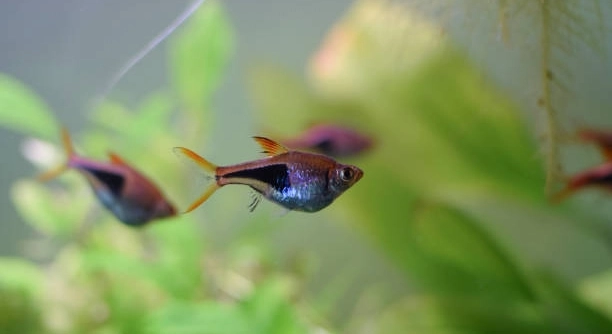
Rasboras are small, colorful freshwater fish that brighten any aquarium. Many fishkeepers enjoy their active behavior and peaceful nature, making them a popular choice for community tanks. Proper care ensures they thrive in their aquatic environment.
Rasboras should generally be fed two to three times per day in small portions. Overfeeding can lead to water quality issues, while providing measured amounts supports healthy growth, maintains energy levels, and prevents obesity in these delicate fish.
Feeding habits impact not only their health but also the overall balance of your aquarium. Understanding proper portions and timing ensures a vibrant, thriving fish community.
Understanding Rasbora Feeding Needs
Rasboras are small fish with high metabolisms, which means they need consistent, moderate feeding throughout the day. I’ve noticed that when they receive proper portions, they are more active and display brighter colors. Overfeeding can quickly cloud the water and lead to leftover food decomposing, which affects their health. Providing two to three small meals per day works best, allowing the fish to digest properly while keeping the tank clean. Watching their behavior during feeding times can help adjust portions to meet their needs. It’s important to balance protein and plant-based foods, offering variety without overwhelming their digestive system. Consistency in feeding schedules also reduces stress, as the fish begin to anticipate meals. Small floating flakes or micro-pellets are ideal, as they remain accessible and prevent rapid sinking, which can cause food to rot at the bottom of the tank.
Rasboras prefer small, frequent meals rather than one large serving. Observing their eating speed is key.
Providing the right amount of food improves their health and promotes lively swimming. I’ve seen that overfeeding can lead to sluggish behavior and cloudy water. Maintaining a consistent schedule, paired with quality food, keeps their colors vivid. Each feeding session should only last a few minutes, ensuring that all fish get their share. Uneaten food should be removed promptly to prevent bacterial growth. Feeding at the same times each day establishes a routine, making the tank calmer. Small floating or sinking foods allow all rasboras to access nutrition evenly. Including occasional live or frozen foods like daphnia or brine shrimp adds variety and supports their natural foraging instincts.
Signs of Overfeeding
Overfeeding can cause water quality problems and unhealthy fish. It is often easy to spot by leftover food or sluggish behavior.
Rasboras can suffer from bloating, slower swimming, and poor coloration when given too much food. Uneaten portions decompose quickly, raising ammonia and nitrite levels, which stresses the fish and may lead to illness. Regularly monitoring tank conditions and observing fish behavior is essential. Adjusting feeding amounts prevents health issues and keeps the aquarium clean. Maintaining consistent portions supports balanced growth and prevents obesity. Watching how much your fish eat within a few minutes helps ensure you are not overfeeding. Proper cleaning routines and portion control together sustain a healthy environment, allowing rasboras to thrive and maintain energy. A small adjustment in daily feeding habits can significantly improve the tank’s balance, fish vitality, and overall appearance. Over time, you’ll notice healthier, more active fish and clearer water, which makes tank maintenance easier and more rewarding.
Choosing the Right Food
Rasboras thrive on a balanced diet of flakes, micro-pellets, and occasional live or frozen foods. I usually rotate between high-quality flakes and small frozen treats to keep them healthy and active. Variety prevents nutritional gaps and keeps their colors bright.
Selecting food that floats or sinks slowly ensures all fish can access it. I noticed that some rasboras tend to nibble at the surface while others prefer mid-water. Including protein-rich options like brine shrimp supports growth, while plant-based flakes help digestion. Overfeeding even with the right food can harm water quality, so portion control is essential. Observing how quickly they consume their meals helps me determine the right daily amount. Feeding small portions multiple times a day keeps them energetic and maintains a cleaner tank.
I keep small, frequent servings to avoid waste. Uneaten food is removed quickly to maintain water clarity. I often mix frozen foods with flakes to encourage natural foraging behavior. Monitoring their intake lets me adjust the amount for each tank population, ensuring no fish is left hungry or overfed. This balance has made my rasboras more vibrant and active.
Feeding Schedule Tips
Feeding rasboras at the same times daily promotes routine and reduces stress. I follow a two to three times daily schedule.
Consistency is key to maintaining healthy fish and a balanced aquarium. I set morning and evening feedings, occasionally adding a midday small portion. Skipping a meal occasionally is fine, as overfeeding causes more problems than missing a single feeding. Feeding at consistent times helps them anticipate meals, reducing frantic activity and stress. A predictable schedule also makes it easier to monitor their eating habits, spot potential health issues early, and maintain water quality.
I combine scheduled feedings with observation to ensure each rasbora is eating properly. Adjusting portions based on activity and appetite has improved their overall health. I’ve found that sticking to a routine makes the tank calmer, with less leftover food and better water clarity. Over time, this approach has resulted in more energetic fish with vivid colors. Monitoring their responses to feeding times allows me to fine-tune portions, ensuring they remain healthy without overfeeding.
Adjusting Portions for Tank Size
Tank size directly impacts how much food rasboras need. In smaller tanks, I feed smaller portions more often to prevent water pollution. Larger tanks allow slightly larger servings, but moderation is still important to maintain water quality.
The number of fish also changes feeding needs. I count the population and adjust portions so each rasbora gets enough without leaving excess. Overcrowded tanks require careful monitoring, as leftover food can quickly harm water conditions. Watching their eating pace helps me fine-tune portion sizes for the group, keeping them healthy and active.
Recognizing Healthy Eating Habits
Healthy rasboras eat eagerly, swim actively, and display vibrant colors. I watch for consistent interest in food and energy levels during feeding times.
Proper feeding routines help maintain their vitality. When all fish eat quickly and nothing remains uneaten, it’s a good sign that portions are correct. Uneven eating or sluggish movement may indicate the need to adjust the type or amount of food. Keeping an eye on behavior allows timely changes to diet and portions, ensuring each rasbora thrives. Maintaining this balance supports overall tank health, reduces stress, and keeps the aquarium visually appealing.
Avoiding Overfeeding Mistakes
Overfeeding can cause bloating and cloudy water. I always give measured portions to prevent these issues.
FAQ
How many times a day should I feed my rasboras?
Rasboras do best with two to three small feedings per day. I noticed that splitting meals prevents overeating and keeps the water clean. Frequent, moderate portions allow them to digest properly while maintaining their energy and coloration. One large feeding per day often leads to leftover food and sluggish behavior.
What type of food is best for rasboras?
High-quality flakes or micro-pellets form the staple of their diet. I supplement with frozen or live foods like daphnia and brine shrimp once or twice a week. This mix ensures protein intake for growth while plant-based ingredients support digestion. Occasionally rotating brands helps avoid nutritional gaps and keeps them interested in their meals.
How do I know if I am overfeeding my fish?
Leftover food after five minutes, cloudy water, or bloated fish are clear signs. I usually remove uneaten portions immediately and reduce the next feeding slightly. Overfeeding can cause obesity, stress, and poor water quality, so it’s better to feed slightly less than too much. Observing their activity levels also helps detect if they are being overfed.
Can rasboras eat the same food every day?
While they can survive on flakes or pellets alone, I’ve found that variety improves their health. Adding occasional frozen or live food encourages natural foraging behavior and boosts color and vitality. Rotating food types prevents boredom and ensures a balanced diet with necessary nutrients.
Should I feed them on a strict schedule?
Yes, feeding at roughly the same times daily creates routine and reduces stress. I stick to morning and evening feedings, sometimes adding a small midday portion. Regular schedules also make it easier to monitor appetite and detect early signs of illness.
Is it okay to skip a feeding occasionally?
Skipping a single feeding is generally safe and preferable to overfeeding. I sometimes do this if I notice leftovers from the previous meal. Rasboras can handle occasional fasting, and it can even help prevent digestive issues and maintain water quality.
How much food should I give per feeding?
Only give what the fish can consume in two to three minutes. I watch them closely and adjust the portion to avoid uneaten food. Small, frequent meals are safer than a single large portion. This method prevents bloating and maintains a healthier tank environment.
Does tank size affect feeding amounts?
Yes, smaller tanks require smaller, more frequent portions to avoid pollution. Larger tanks can handle slightly more food, but moderation is still key. I adjust the quantity based on both tank size and number of fish, ensuring each rasbora receives enough without overfeeding.
Can overfeeding harm my rasboras long-term?
Chronic overfeeding can lead to obesity, reduced activity, and shortened lifespan. I learned that maintaining consistent, controlled portions keeps fish healthier and more active. Over time, proper feeding routines improve water quality and reduce the risk of disease in the aquarium.
What is the best way to combine flakes and live or frozen food?
I feed flakes or pellets first, then add a small portion of frozen or live food. This ensures all fish get their staple nutrition before enjoying protein-rich supplements. Mixing these foods supports balanced growth, digestion, and natural foraging behavior. Timing and portion control are essential.
How can I tell if a rasbora is healthy during feeding?
Healthy rasboras eat eagerly, swim actively, and have vibrant colors. I watch that all fish get their share without leftovers lingering. Slow eating, refusal of food, or hiding can indicate stress, illness, or improper feeding portions, requiring adjustment to their routine.
Is it okay to give treats to rasboras?
Treats like frozen brine shrimp or daphnia are beneficial in moderation. I limit treats to one or two times per week to avoid overfeeding. They provide extra protein and stimulate natural behavior but should never replace the main diet of flakes or pellets.
Can feeding habits affect water clarity?
Yes, uneaten food quickly decomposes, clouding the water and raising ammonia levels. I always monitor portions and remove leftovers promptly. Proper feeding habits, combined with regular water maintenance, help maintain a clean, healthy tank environment and reduce algae growth.
How long should each feeding last?
Two to three minutes is usually sufficient. I time feedings and stop once the fish have eaten everything. This prevents overfeeding and ensures the tank remains clean. Longer feedings can lead to excess food settling and contaminating the water.
What adjustments should I make for a new rasbora tank?
Start with small portions and gradually increase to match the fish’s appetite. I monitor behavior closely during the first weeks to avoid overfeeding. New tanks often have fewer bacteria to process waste, so feeding lightly protects water quality while the ecosystem stabilizes.
Can I feed rasboras at night?
It’s not necessary and may disrupt their natural rhythm. I stick to daytime feedings when the fish are most active. Nighttime feeding can leave uneaten food in the tank, which decomposes and affects water quality. Daytime routines support their health and energy.
Is it safe to feed rasboras human food?
No, human food can harm fish due to salt, oils, or spices. I avoid feeding scraps and stick to specialized fish food. Proper nutrition ensures long-term health, avoids digestive issues, and keeps the aquarium environment stable.
How do I transition rasboras to a new food type?
Introduce small amounts gradually while mixing with their current diet. I start with one-quarter new food, increasing over a week. Gradual changes reduce stress, prevent digestive upset, and allow them to adjust to new flavors and textures safely.
What is the impact of overfeeding on tank plants?
Excess food decomposes, releasing nutrients that can fuel algae growth. I’ve seen overfed tanks with struggling plants. Controlling portions prevents algae blooms, keeps plants healthy, and maintains a balanced aquarium ecosystem. Proper feeding ensures both fish and plants thrive together.
How can I encourage shy rasboras to eat?
I feed in different tank areas or use floating foods that drift naturally. I noticed shy fish become more active when food is placed near hiding spots. Feeding slowly and consistently helps them gain confidence and ensures all fish receive nutrition.
Does temperature affect feeding needs?
Yes, cooler water slows metabolism, reducing appetite, while warmer water increases activity and food intake. I adjust portions according to seasonal or tank temperature changes to match their metabolic needs. This prevents overfeeding or underfeeding and supports overall health.
How do I manage feeding with multiple fish species?
Feed species-specific portions based on size and dietary needs. I separate fast eaters from slow eaters when necessary to prevent competition. Using slow-sinking pellets or target feeding ensures all fish receive proper nutrition without overfeeding the tank.
What tools help with portion control?
Measuring spoons, tweezers, or portioned flake cups work well. I measure each meal to prevent excess food. Consistent portion control avoids water quality issues and ensures all rasboras get their required nutrition while maintaining a cleaner tank.
Can overfeeding affect fish behavior?
Yes, overfed rasboras become lethargic and less active. I’ve noticed more swimming and interaction when portions are balanced. Proper feeding keeps them energetic, social, and vibrant, reflecting their natural behavior in a healthy environment.
How often should I clean the tank after feeding?
I remove uneaten food after each session and perform regular maintenance weekly. Excess food leads to waste buildup and higher ammonia levels. Timely cleaning ensures a safe environment and supports the health of both fish and plants.
What’s the best way to feed rasboras in a community tank?
Feed small portions distributed in multiple spots. I watch to ensure slower fish get their share. This reduces competition and stress, while balanced feeding maintains water quality and supports all species present in the tank.
How can I tell if a treat is too much?
If leftovers remain or fish appear bloated, the treat was excessive. I reduce the portion next time and ensure it complements the main diet rather than replacing it. Treats should enhance nutrition without creating waste or stress.
Can feeding mistakes cause long-term health problems?
Yes, chronic overfeeding leads to obesity, poor coloration, and higher disease risk. I’ve seen consistent portion control and careful feeding schedules result in healthier, more active fish. Maintaining proper nutrition is critical for lifespan and vitality.
How do I handle sudden changes in appetite?
Sudden appetite changes may indicate stress or illness. I monitor water quality and adjust feeding amounts temporarily. Observing behavior closely helps identify issues early and prevents further health complications in rasboras.
What is the role of fasting days?
Occasional fasting helps digestion and prevents overeating. I schedule one fasting day weekly if needed, especially after a week of regular feeding. It helps maintain healthy metabolism, prevents bloating, and improves overall tank cleanliness.
Can feeding affect breeding behavior?
Yes, a nutritious diet supports spawning and fry development. I provide extra protein before breeding periods. Balanced feeding ensures healthier offspring and supports natural reproductive cycles in the aquarium.
How do I manage feeding during illness?
Reduce portions or switch to easily digestible food. I separate sick fish if needed to prevent competition. Proper feeding supports recovery without worsening water conditions or stressing other fish.
Does light affect feeding efficiency?
Yes, rasboras feed better under consistent daylight conditions. I feed when lights are on to encourage natural behavior. Feeding in low light may lead to leftover food and reduce energy levels, so timing matters for both health and tank maintenance.
How do I store fish food to preserve quality?
I keep flakes and pellets in airtight containers away from heat and moisture. Proper storage prevents spoilage, maintains nutrients, and ensures each feeding provides maximum benefits to the rasboras.
What is the impact of uneven feeding among fish?
Some fish may become overweight while others remain undernourished. I distribute food evenly and monitor individual intake. Targeted feeding ensures all rasboras get proper nutrition and prevents aggression or stress from competition.
How do I handle new fish in an established feeding routine?
Introduce them slowly, maintaining the existing schedule. I feed small portions until they adjust. Gradual inclusion avoids stress, ensures the newcomers receive adequate nutrition, and maintains harmony among all fish in the tank.
Can feeding influence disease prevention?
Balanced feeding strengthens immunity. I provide high-quality food and occasional supplements. Proper nutrition reduces susceptibility to infections, improves recovery rates, and supports overall health, contributing to a stable and thriving aquarium environment.
Final Thoughts
Feeding rasboras properly is a fundamental part of maintaining a healthy and balanced aquarium. These small, active fish thrive when provided with the right amount of food at the right times. Overfeeding can quickly lead to water quality issues, while underfeeding may reduce energy and overall health. I’ve learned that paying attention to both the quantity and type of food is crucial. Flakes and micro-pellets form the core of their diet, while occasional frozen or live foods provide extra protein and variety. Watching their behavior during feeding helps determine whether portions are correct, and adjusting accordingly keeps the fish active and healthy. Regular feeding routines also reduce stress and create a predictable environment, which benefits all fish in the tank.
It’s important to consider tank size, population, and individual behavior when establishing a feeding schedule. Smaller tanks require smaller, more frequent feedings to avoid pollution, while larger tanks allow slightly larger portions. I have found that splitting meals into two or three feedings daily works best, giving each fish a chance to eat without leaving excess food to decompose. Observing their swimming patterns, appetite, and overall activity provides a clear picture of their health. Adjusting portions gradually and providing a mix of foods prevents nutritional gaps while supporting natural foraging behavior. Over time, these practices help maintain clear water, prevent algae growth, and promote a stable aquarium environment. The combination of consistent routines, measured portions, and quality nutrition ensures that rasboras remain lively and colorful, enhancing the visual appeal of the tank while supporting long-term health.
Maintaining proper feeding habits goes beyond simply providing food; it directly influences the overall well-being of the fish and the cleanliness of the aquarium. Uneaten food can harm water quality, and improper portions can cause digestive problems or stress. I have seen that a careful approach to feeding not only prevents these issues but also encourages natural behavior and social interactions among the fish. Consistency, observation, and moderation are key. By providing appropriate meals, monitoring how much is eaten, and adjusting as needed, it is possible to create an environment where rasboras can thrive. Balanced feeding supports growth, coloration, energy levels, and longevity. A structured approach to feeding, combined with attention to water conditions and tank maintenance, ensures a healthy, harmonious aquarium where fish remain active and vibrant. Following these principles allows rasboras to flourish while keeping the tank clean and visually appealing, making the care process more manageable and rewarding.

Hello,
If you enjoy the content that we create, please consider saying a "Thank You!" by leaving a tip.
Every little bit helps us continue crafting quality advice that supports the health, happiness, and well-being of pets around the world, for pets of all shapes, sizes, and species.
We really appreciate the kindness and support that you show us!