
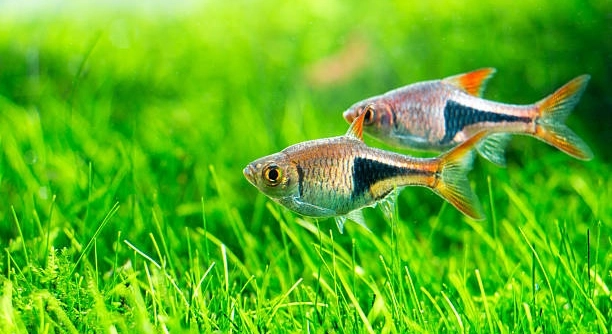
Do your rasboras swim energetically across your tank, adding lively color and motion to your aquarium? These small, peaceful fish create a charming display, and many aquarists enjoy observing their delicate patterns and social behaviors daily.
Rasboras do benefit from shaded areas in their tank, as partial shade helps reduce stress and mimics their natural habitat. Providing plants, decorations, or floating cover allows them to retreat and feel secure while maintaining proper lighting.
Adding shade thoughtfully can enhance your fish’s comfort and health, creating a balanced environment that supports both their activity and well-being.
Why Shade Matters for Rasboras
Providing shade in a rasbora tank is important for their comfort and health. These fish naturally inhabit areas with overhanging plants and debris, which offer protection from bright sunlight and predators. Shade reduces stress and prevents excessive exposure to strong lighting that can tire them out. Plants, driftwood, or floating decorations create shaded spots that rasboras can use to rest or hide. Without these areas, rasboras may feel exposed, which can lead to nervous swimming, hiding constantly, or reduced feeding. Shade also helps balance tank lighting, preventing algae growth while maintaining a stable environment. Observing how rasboras use shaded areas can indicate their overall well-being. Fish that frequently retreat to shade may need more hiding spaces or less intense lighting. Providing both open swimming areas and shaded spots ensures they have freedom to explore while feeling secure. Overall, a properly shaded tank supports natural behavior and reduces stress levels, improving health and lifespan.
Adding shaded areas allows your rasboras to relax and reduces stress, creating a calm and balanced tank environment for their daily activity.
When choosing materials for shade, consider live plants like floating species or tall stems that provide natural cover. Artificial decorations such as caves, ceramic ornaments, or driftwood can also create shaded retreats. Position lighting carefully to avoid intense beams directly over swimming areas. Observe how your fish respond to changes. If they use shaded areas frequently, it confirms their comfort and sense of security. Maintaining a mix of shaded and open zones encourages natural schooling and social interaction. Overcrowding shaded areas may indicate the need for additional hiding spots. Shade also moderates temperature fluctuations by limiting direct light, which benefits overall tank stability. Proper care of plants or decorations ensures shade remains effective and safe for the fish. By designing the tank thoughtfully, you provide both aesthetic appeal and a supportive habitat for rasboras, enhancing their health and enjoyment in a home aquarium.
Best Ways to Add Shade
Adding floating plants is an easy way to give rasboras shaded areas without crowding the tank.
Live plants, driftwood, or floating decorations can create shaded zones while maintaining open swimming areas. Floating plants like duckweed, water lettuce, or small stem plants reduce light intensity and mimic natural habitats. Placing driftwood or ceramic ornaments strategically offers retreat spots and contributes to water quality by providing surfaces for beneficial bacteria. The balance between open water and shade is important for schooling behavior, allowing rasboras to feel secure yet active. Monitor their use of shaded areas and adjust placement as needed to prevent overuse or overcrowding. Shade also protects delicate colors from fading due to excessive light, maintaining the vibrancy of your fish. Keeping plants healthy and decorations stable ensures safety and longevity of these shaded zones. Consistently observing their behavior helps fine-tune the tank setup. By combining different types of shade, you create an environment that supports both activity and rest, promoting long-term well-being for your rasboras.
Natural Behavior of Rasboras
Rasboras naturally seek shaded areas for safety and comfort. These spots allow them to rest, hide, and feel secure while maintaining normal swimming and feeding patterns.
In the wild, rasboras inhabit slow-moving streams and ponds with dense vegetation. They use plants, leaf litter, and overhanging debris to stay protected from predators and sunlight. This instinct carries over to home aquariums, where they still prefer areas that offer cover. Without shaded zones, fish may become stressed, swim erratically, or hide excessively. Observing how they use shade helps assess tank conditions, lighting, and decoration placement.
Shade also encourages schooling behavior. Rasboras feel safer moving together under partial cover, which reduces anxiety and promotes social interaction. Providing both open and shaded spaces allows them to balance exploration with security, supporting natural habits. Regularly monitoring their behavior ensures that shaded areas are sufficient and properly positioned, creating a healthier and more stable environment for your fish.
Choosing the Right Plants for Shade
Floating plants provide effective shade without overcrowding the tank. They reduce light intensity and mimic natural habitats while allowing open swimming space.
Stem plants, such as hornwort or water wisteria, create vertical cover while maintaining visibility. Combining floating and rooted plants gives multiple shaded zones, accommodating different fish preferences. Live plants improve water quality by absorbing nitrates, adding another benefit. Arrange plants thoughtfully to prevent blocking filters or restricting movement. Overcrowding can stress rasboras, so balance is key. Observing how they use shaded areas informs adjustments for optimal comfort.
Some plants, like Java fern or Anubias, attach to driftwood or rocks, offering fixed shade in specific zones. These create retreat spots for resting and reduce exposure to bright light. Healthy plant growth requires appropriate lighting, fertilization, and regular trimming. By combining floating, rooted, and attached plants, you provide varied shade, supporting natural behaviors and improving tank aesthetics. Proper care ensures longevity and prevents decay, which could harm water quality. A well-planned plant setup keeps rasboras comfortable, encourages activity, and enhances the overall aquarium environment.
Light Intensity Considerations
Rasboras thrive under moderate lighting, which replicates their natural environment. Too much direct light can stress them, causing erratic swimming and hiding behavior.
Providing shaded areas balances light intensity. Floating plants, decorations, or overhangs help diffuse strong light, giving rasboras comfortable zones to rest and reducing overall tank stress.
Best Placement for Shade
Place shaded areas near open swimming zones to allow easy access. Avoid blocking filters or restricting water flow, ensuring both comfort and proper tank circulation.
Observing Fish Behavior
Watch how rasboras use shaded zones. Frequent hiding may indicate excessive light or insufficient cover. Adjust decorations or plants to support comfort.
Seasonal Changes
Lighting and tank temperature can vary seasonally, affecting how much shade rasboras need. Adjust coverage to maintain comfort and natural behavior.
FAQ
Do rasboras need shade all the time?
Rasboras do not require constant shade, but having shaded areas available at all times is important. They use these zones to rest, hide, or escape strong lighting. Open swimming areas are equally important for exercise and schooling behavior. Balancing shade and light ensures they stay active without stress.
Can artificial decorations provide enough shade?
Yes, artificial decorations such as caves, ceramic ornaments, or driftwood can create effective shaded spots. Ensure decorations are stable and do not block water flow or overcrowd the tank. Combining artificial and live plants often provides the best mix of cover and visual appeal.
Are floating plants better than rooted plants for shade?
Floating plants are ideal for softening light and creating overhead shade. Rooted stem plants provide vertical cover and create retreat zones at different levels of the tank. Using both types creates variety, mimicking natural habitats and supporting the rasboras’ natural behaviors.
How do I know if my rasboras are stressed by light?
Signs of stress include erratic swimming, hiding constantly, clamped fins, or reduced appetite. Observing how they interact with shaded areas helps identify if lighting adjustments are needed. If they avoid open swimming zones, consider adding more plants or adjusting light intensity.
Do rasboras prefer dense or light shade?
Rasboras prefer light to moderate shade, not complete darkness. Dense shade can make them feel confined and reduce swimming activity. Providing partial cover allows them to retreat while still maintaining access to open swimming space, encouraging natural behavior and social interaction.
Can shade affect water quality?
Indirectly, yes. Live plants that provide shade also absorb nutrients, reducing nitrates and supporting water quality. Artificial decorations do not affect water chemistry but should be cleaned regularly to prevent algae buildup in shaded areas.
How many shaded areas should I provide?
The number depends on tank size and fish count. A good rule is to provide multiple shaded zones across different tank levels so all fish can access cover simultaneously without crowding. Observe schooling patterns to adjust placement and quantity.
Will shading affect plant growth?
Some plants require light to thrive, so adding too much overhead shade can limit growth. Choosing hardy species that tolerate lower light levels or positioning floating plants strategically ensures both shade and healthy plant development.
Do young rasboras need more shade than adults?
Juvenile rasboras are more vulnerable and may rely heavily on shaded areas for protection. Providing extra cover during early growth stages reduces stress, supports feeding, and encourages natural schooling behavior, gradually adjusting coverage as they grow.
Can shading prevent algae growth?
Partial shading helps limit direct light, reducing algae proliferation. Combining shade with regular tank maintenance, balanced lighting, and nutrient management improves overall tank health and keeps algae growth under control.
Are there risks to over-shading a tank?
Over-shading can restrict swimming space, block filtration, and reduce oxygen circulation. Rasboras may feel confined and show reduced activity. Balance shaded and open zones, ensuring all fish can move freely while maintaining comfortable cover.
How do seasonal changes affect shading needs?
During brighter months, additional shade may be needed to protect rasboras from intense lighting. In darker months, reduce shading slightly to maintain adequate light for plants and fish activity. Monitoring behavior ensures proper seasonal adjustments.
Can I use LED lighting with shaded tanks?
Yes, LED lighting is ideal because it can be adjusted for intensity and duration. Combining LEDs with floating plants or decorations allows controlled light levels, providing both open swimming areas and shaded retreats for comfort.
How often should I adjust shaded areas?
Adjustments should be made when observing fish behavior changes, plant growth, or lighting shifts. Seasonal changes, plant trimming, or tank maintenance may also require repositioning shaded zones to maintain balance and comfort.
Does shade affect feeding behavior?
Rasboras may feed more confidently in shaded zones, as they feel protected. Ensure food reaches both open and shaded areas to support schooling behavior and reduce stress during feeding times.
Can shaded areas help with aggression?
Yes, shaded zones reduce stress-related aggression by offering retreat spaces. Fish can escape dominance displays or overcrowding, improving overall tank harmony and allowing all rasboras to coexist comfortably.
Should I combine natural and artificial shade?
Combining both provides variety and stability. Live plants support water quality and natural cover, while decorations offer permanent shaded retreats. Together, they mimic natural habitats and meet rasboras’ behavioral needs.
How do I monitor if shading is effective?
Watch for normal schooling, regular feeding, and active swimming. Fish that use shaded areas comfortably without hiding excessively or avoiding open spaces indicate proper shading and lighting balance in the tank.
Can shading help new tank acclimation?
Yes, shaded areas provide security for new fish, reducing stress and helping them adjust to new surroundings. Temporary additional cover during acclimation can support smooth integration and encourage natural behavior.
Is shade important for breeding rasboras?
Shade provides privacy and security during spawning. Plants or decorations create suitable areas for egg-laying and reduce disturbances, supporting successful breeding and healthier fry development.
What is the simplest way to provide effective shade?
Floating plants combined with a few well-placed decorations create easy, effective shade. This method balances light, provides retreat zones, and mimics natural conditions without complex setup or maintenance.
Can shading affect coloration?
Yes, proper shading reduces stress and prevents color fading caused by excessive light exposure. Comfortable fish display brighter, more natural coloration and maintain overall health.
Do all rasbora species have the same shading needs?
Most species prefer partial shade, but preferences vary slightly. Observing species-specific behavior ensures shading meets individual needs, creating a balanced and comfortable environment for all tank inhabitants.
Providing proper shade in a rasbora tank is more than just an aesthetic choice. Shaded areas give fish a place to rest, hide, and feel secure. In their natural habitat, rasboras live in streams and ponds with dense vegetation and floating debris. These spots protect them from strong sunlight and potential predators. By replicating this environment in a home aquarium, you allow your fish to display natural behaviors. Shade also helps reduce stress, which can otherwise lead to erratic swimming, hiding excessively, or even loss of appetite. Balanced lighting and carefully placed shaded zones create a comfortable environment, making it easier for rasboras to thrive and maintain healthy activity levels.
Choosing the right type of shade is essential for maintaining both fish comfort and tank health. Floating plants, stem plants, and anchored plants like Java fern or Anubias all provide effective cover. Artificial decorations such as caves, driftwood, or ceramic ornaments also work well, offering permanent shaded retreats. Combining live and artificial elements creates variety and ensures that all fish have access to safe spaces. Proper placement is key. Shade should not overcrowd the tank or block water flow, and it should allow open swimming areas for activity. Observing your fish regularly helps determine whether shaded areas meet their needs, allowing adjustments as necessary. By monitoring behavior, you can see if the fish feel secure, interact socially, and feed normally, which are signs of a well-balanced tank.
Shading also contributes to overall tank stability and aesthetics. Plants that provide shade can improve water quality by absorbing excess nutrients, while shaded zones help prevent excessive algae growth caused by direct light. Adjusting shade according to seasonal lighting changes ensures fish remain comfortable year-round. Over time, maintaining a combination of shaded and open areas supports schooling behavior, reduces stress, and encourages natural movement. Proper shade enhances coloration, creates retreat spots, and supports breeding behavior when needed. By thoughtfully integrating shaded areas, you create a healthier, calmer environment that respects the rasboras’ natural tendencies while maintaining the visual appeal of the aquarium. Consistently observing and adjusting the tank setup ensures your rasboras remain active, healthy, and comfortable in their home.

Hello,
If you enjoy the content that we create, please consider saying a "Thank You!" by leaving a tip.
Every little bit helps us continue crafting quality advice that supports the health, happiness, and well-being of pets around the world, for pets of all shapes, sizes, and species.
We really appreciate the kindness and support that you show us!