
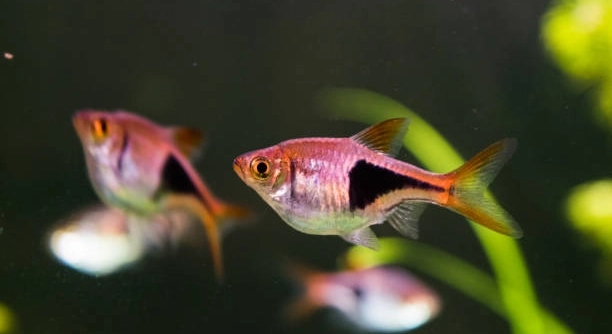
Rasboras are small, colorful freshwater fish popular among aquarists. They are usually kept in soft to moderately hard water, but many hobbyists are curious about how they cope with harder water conditions in their tanks.
Rasboras can adapt to moderately harder water over time if changes are made gradually. Sudden shifts in water hardness can stress them, affecting health and coloration. Maintaining stable parameters and monitoring fish behavior is essential for successful adaptation.
Gradual acclimation methods and careful monitoring can help ensure rasboras thrive. Understanding the limits of their adaptability can prevent stress and promote a healthier aquarium environment.
Understanding Rasboras’ Water Preferences
Rasboras naturally thrive in soft to moderately hard water, often between 3 and 12 dGH. Their delicate physiology makes sudden changes stressful, causing potential health issues like fin damage or color fading. While some species tolerate harder water better than others, most need gradual adaptation. Slowly increasing water hardness allows their bodies to adjust without compromising immune function or behavior. Observing their activity levels, appetite, and coloration during this process is crucial. Tank plants and decorations can buffer water changes, creating a more stable environment. Filtration and partial water changes also help maintain consistency in mineral content. It’s important to measure water parameters frequently to avoid accidental spikes. Patience is key, as rapid changes can lead to long-term health consequences. Choosing rasboras known for tolerance to harder water simplifies care and reduces stress during acclimation, making your tank environment more stable and predictable.
Even small, sudden increases in hardness can shock rasboras. Gradual adjustments are necessary to ensure long-term health.
Some rasbora species adapt more easily to mineral-rich water than others. By slowly raising the hardness over several weeks, their internal osmoregulation adjusts. Using liquid hardness tests and buffering methods helps maintain precise conditions. Observing the fish for signs of stress like hiding, lethargy, or faded colors ensures changes are safe. Plants and substrate can influence mineral levels, so choosing compatible elements is important. Acclimating in steps of one to two degrees per week allows their bodies to gradually balance internal salt concentrations. In addition to water hardness, keeping temperature and pH stable supports adaptation. Frequent partial water changes prevent sudden spikes in minerals while keeping the tank clean. Providing hiding spots and gentle filtration reduces stress during the transition. Even hardy species need careful monitoring, as prolonged stress can weaken immune systems and lead to disease. By respecting their natural limits and making incremental adjustments, rasboras can thrive in slightly harder water over time.
Methods to Gradually Increase Water Hardness
Increasing water hardness requires slow, steady steps to prevent stress. Each adjustment should be minor, monitored, and measured carefully.
Using calcium and magnesium additives or mixing with tap water of higher hardness allows controlled increases. Slowly replacing soft water with harder water in partial changes prevents sudden shocks. Monitoring parameters daily ensures the fish remain comfortable, and observing behavior provides early warning signs. Adjustments should be made over several weeks, depending on the starting hardness and species tolerance. Maintaining stable pH and temperature is equally important, as fluctuations can compound stress. Plants, substrate, and decorations can alter mineral levels, so consider these factors during adjustments. Providing cover and reducing filtration flow can ease stress. Some aquarists prefer testing a small number of fish before adjusting the whole tank. Consistency and patience are essential for successful adaptation. Documenting changes allows tracking progress and ensuring safety for all inhabitants.
Gradually increasing water hardness improves adaptation without compromising health. Patience and careful monitoring are essential.
Starting with soft water, slow additions of minerals allow rasboras to acclimate without stress. Partial water changes using harder water in small increments gradually raise overall hardness. Observing fish closely ensures they tolerate changes; signs like reduced activity or color fading indicate the need to pause or slow adjustments. Stable temperature and pH are critical during this process, as sudden shifts can increase stress. Plants and substrate can affect mineral absorption, so their impact should be accounted for. Gentle filtration and hiding spots help reduce stress during transition periods. For precise control, testing water hardness daily ensures changes remain within safe limits. Over several weeks, fish gradually adapt their internal osmoregulation to the new mineral levels. Following a consistent, slow protocol helps maintain health and prevents long-term issues related to stress or weakened immunity. Recording each change provides guidance for future adjustments and ensures that the environment remains safe for all tank inhabitants.
Signs Rasboras Are Struggling with Hard Water
Lethargy, loss of color, and clamped fins are common indicators that rasboras are stressed by hard water. Appetite changes or hiding more than usual also suggest discomfort. Observing behavior daily helps catch issues early.
Stress from unsuitable water hardness can weaken the immune system, making rasboras more vulnerable to disease. Fin rot and other infections may develop if adjustments are too rapid or water remains inconsistent. Color fading signals that their bodies are struggling to maintain proper osmoregulation. Behavioral changes, such as reduced swimming activity or staying near the bottom, also indicate difficulty coping. Monitoring both physical and behavioral signs ensures that necessary steps can be taken before problems become severe, such as slowing hardness increases or improving water quality.
Some rasboras may tolerate gradual increases in hardness but still show subtle signs of stress. Regular observation and timely intervention, like partial water changes or adding buffering materials, can help maintain health. Ensuring that other water parameters remain stable supports their ability to adapt, minimizing long-term consequences.
Maintaining Stability During Adaptation
Consistency in temperature, pH, and hardness is crucial while adjusting water. Sudden fluctuations can undo progress and increase stress.
Using stable filtration and gradual partial water changes maintains a predictable environment. Avoid sudden chemical additives or large water replacements, as these can shock rasboras. Tracking water parameters daily allows early detection of inconsistencies. Even small fluctuations in pH or hardness can impact sensitive species. Keeping a gentle flow and providing hiding spots further reduces stress. Plants and natural decorations help buffer changes, supporting gradual adaptation. Patience is essential, as abrupt changes often lead to health issues and prolonged recovery periods.
A carefully maintained environment ensures rasboras can adjust safely. Documenting every water adjustment allows you to observe patterns and make informed decisions. Gradual adaptation works best when all other factors remain stable, including temperature, pH, and tank decorations. Monitoring behavior and physical appearance helps detect stress before it becomes severe. Adjustments should be slow and incremental, giving fish time to acclimate. Observing subtle changes, such as minor fin clamping or reduced activity, allows early intervention. By keeping water parameters predictable and consistent, the likelihood of successful adaptation increases significantly. Ensuring a safe environment also prevents long-term health problems and supports vibrant coloration and normal behavior throughout the transition.
Common Mistakes When Adjusting Water Hardness
Raising hardness too quickly is the most frequent error, causing stress and health problems. Ignoring pH fluctuations can also harm rasboras, even if hardness changes are gradual.
Overlooking the influence of substrate and decorations can lead to unexpected mineral spikes. Some materials release calcium or magnesium, altering hardness without warning. Failing to monitor behavior and physical signs prevents early intervention. Skipping daily water tests may result in unnoticed changes that stress fish. Combining rapid adjustments with inconsistent temperature or filtration increases the risk of disease. Even minor mistakes can have lasting effects, so careful observation and methodical steps are essential.
Choosing Rasboras That Tolerate Harder Water
Some species, like the Harlequin and Scissortail rasboras, handle harder water better. Selecting naturally tolerant varieties simplifies adaptation. Gradual introduction and monitoring remain necessary, but these species provide more flexibility. Proper research and preparation ensure healthier, more vibrant fish able to cope with moderate hardness increases.
Benefits of Gradual Acclimation
Slow adaptation reduces stress, supports immune function, and maintains coloration. Fish are less likely to develop illness when adjustments are controlled carefully.
Can all rasboras adapt to harder water?
Not all rasboras tolerate harder water equally. Some species, like Harlequin and Scissortail rasboras, are more adaptable, while others prefer softer conditions. Gradual changes are key, and observing behavior and color helps determine whether the fish are coping. Sudden increases in hardness can cause stress and illness.
How quickly can I raise the hardness without harming my rasboras?
Water hardness should be increased slowly, ideally by 1–2 degrees dGH per week. Rapid changes can shock the fish, leading to fin damage, faded colors, or reduced appetite. Daily monitoring and small adjustments during partial water changes help maintain stability and prevent stress.
Do I need special equipment to manage water hardness?
You don’t necessarily need advanced tools, but a liquid test kit or digital meter is helpful for accuracy. Calcium or magnesium additives, along with controlled tap water mixing, allow precise adjustments. Consistent measurement ensures that changes remain gradual and safe for rasboras.
What signs show my rasboras are stressed by hard water?
Common signs include lethargy, hiding more than usual, clamped fins, and faded coloration. Appetite loss or erratic swimming also indicates stress. Early detection allows you to slow or reverse changes before serious health problems develop.
Can plants help when adjusting water hardness?
Yes, certain plants and substrates can buffer water changes and create a more stable environment. Live plants absorb some minerals and reduce sudden fluctuations. Choosing appropriate decorations and substrates also supports gradual adaptation and lowers stress levels.
Should I adjust pH along with hardness?
Yes, pH stability is important. Sudden pH swings can compound stress from changing hardness. Keep pH stable while adjusting hardness to help rasboras maintain proper osmoregulation. Monitoring both parameters regularly ensures a safer environment.
Will adding harder water affect other fish in the tank?
It can. Fish that prefer softer water may become stressed. Introducing harder water gradually and monitoring all tank inhabitants helps prevent conflicts and health issues. Partial water changes and careful observation are essential.
How long does it take for rasboras to fully adjust?
Adaptation depends on species, starting hardness, and water stability. Typically, it can take several weeks. Gradual increases, stable parameters, and careful observation allow fish to adjust safely without compromising health. Patience is essential for long-term success.
Are there risks to repeated adjustments in hardness?
Frequent or inconsistent changes increase stress and can weaken the immune system. Maintaining stable conditions while making only slow, deliberate adjustments prevents long-term health problems and ensures the fish remain vibrant and active.
Can I use tap water to raise hardness?
Yes, if your tap water is naturally harder. Mixing it with softer water allows controlled adjustment. Always test the combined hardness to ensure gradual changes, preventing sudden shocks to the fish. Monitoring daily is essential during this process.
What should I do if my rasboras show stress signs despite gradual adjustments?
Pause or slow the adjustments and ensure all other parameters remain stable. Partial water changes or adding buffering elements can help reduce stress. Observation and patience are critical to allow recovery before continuing hardness increases.
Are there alternatives to raising hardness chemically?
Yes, adding certain mineral-rich substrates or decorations can gradually increase hardness naturally. This approach works slowly, reducing stress and providing a more stable environment. Combining these methods with careful monitoring ensures safer adaptation for rasboras.
How important is temperature control during adaptation?
Very important. Fluctuations in temperature can amplify stress from changing hardness. Maintaining stable temperatures supports proper metabolic and immune function, allowing fish to adjust gradually without additional pressure on their bodies.
Can rasboras breed in harder water?
Breeding may be more difficult in harder water, depending on the species. Some adapt well, while others require softer conditions for spawning. Observing behavior and health is key to determining if breeding is feasible under modified hardness levels.
How often should I test water during adaptation?
Daily testing is ideal during adjustments. This ensures gradual changes and early detection of issues. Monitoring hardness, pH, and temperature helps maintain stability, reducing stress and supporting long-term fish health.
Is it safe to mix different rasbora species when changing hardness?
Yes, but only if all species have similar tolerance levels. Species with lower tolerance may become stressed. Gradual adjustments and careful observation of each species help prevent health problems.
Can diet help rasboras cope with harder water?
Proper nutrition supports overall health and resilience. High-quality food rich in vitamins and minerals helps the fish manage stress and maintain strong coloration during adaptation. Supplements may assist in immune support.
What is the best strategy for a new tank with hard water?
Choose naturally tolerant rasbora species, gradually adjust hardness if needed, and maintain stable pH and temperature. Incorporate plants, monitor behavior, and document changes to ensure safe and successful adaptation over time.
Are there long-term effects if rasboras adjust successfully?
If adaptation is slow and stable, long-term effects are minimal. Fish maintain normal coloration, behavior, and health. Continued monitoring ensures any gradual shifts in water parameters do not negatively affect them.
How can I make tracking adjustments easier?
Keep a simple log of water hardness, pH, temperature, and fish behavior. Note dates of partial water changes and any additives used. This record helps identify patterns, prevents mistakes, and supports safer long-term maintenance.
Can stress from water hardness affect lifespan?
Yes, prolonged stress can reduce lifespan, weaken the immune system, and make fish more prone to disease. Gradual changes and stable conditions minimize these risks and promote healthy, active rasboras over time.
Are there visual cues to know adaptation is complete?
Fish swimming actively, vibrant coloration, normal appetite, and consistent behavior indicate successful adaptation. Once these signs are stable over several weeks, the rasboras have likely adjusted to the new water conditions.
Adjusting rasboras to harder water requires patience and careful observation. These fish are sensitive to sudden changes, and their health can quickly decline if water parameters shift too abruptly. Gradual acclimation is the safest approach, allowing their bodies to adjust internally without undue stress. Monitoring hardness, pH, and temperature consistently ensures a stable environment, while observing behavior and coloration provides insight into how well they are coping. Even small, incremental changes can make a difference in their long-term health. Using partial water changes, buffering decorations, and stable filtration helps maintain consistency while adjustments are being made. Keeping the tank predictable reduces stress and supports normal activity levels, feeding habits, and immune function.
Selecting species that naturally tolerate moderately hard water simplifies the process. Harlequin and Scissortail rasboras, for example, are better suited to gradual increases in hardness than species adapted strictly to soft water. Researching species-specific requirements before introducing them to your tank is critical to avoid health issues. Even tolerant species benefit from careful monitoring, as individual fish may respond differently to changes. Observing their behavior, such as swimming patterns, hiding tendencies, or changes in appetite, allows you to detect stress early. By combining gradual adjustments with stable conditions, you create an environment where rasboras can thrive. Attention to detail during this process ensures they remain vibrant, healthy, and active over time.
Maintaining long-term stability is as important as the initial acclimation. Sudden shifts in hardness, pH, or temperature after the adjustment period can undo progress and stress the fish again. Documenting water changes, hardness levels, and fish behavior helps track trends and prevent mistakes. A consistent feeding routine and high-quality nutrition support adaptation and overall well-being. Plants and substrate that buffer changes naturally provide additional stability, helping to maintain the tank’s environment. While adaptation takes time, the benefits are clear: healthier, more resilient rasboras that display full coloration and normal behavior. By approaching the process methodically and patiently, you can successfully maintain rasboras in moderately harder water without compromising their health or quality of life.

Hello,
If you enjoy the content that we create, please consider saying a "Thank You!" by leaving a tip.
Every little bit helps us continue crafting quality advice that supports the health, happiness, and well-being of pets around the world, for pets of all shapes, sizes, and species.
We really appreciate the kindness and support that you show us!