
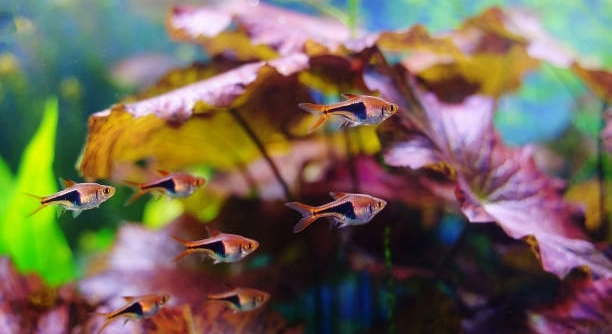
Rasboras are small, lively fish that bring charm to any aquarium. Observing them closely can reveal subtle signs of health and contentment, showing that your aquatic environment is supporting their needs effectively.
Healthy rasboras exhibit active swimming patterns, vibrant coloration, and consistent feeding behaviors. Balanced water parameters, proper tank mates, and a clean environment contribute to their overall well-being and indicate that these fish are thriving in their habitat.
Noticing these signs can help you maintain a happy, healthy aquarium and ensure your rasboras continue to flourish.
Active and Energetic Swimming
Rasboras that are thriving will move confidently around the tank, exploring all corners without hesitation. They often swim in small groups, displaying coordinated movements that reflect their natural schooling behavior. When the fish dart playfully through plants or hover near decorations, it indicates both physical health and comfort in their environment. Lethargic or isolated fish may signal stress, poor water conditions, or underlying illness. Maintaining stable water parameters and providing ample space helps them maintain this energy. Observing how they respond to feeding times can also indicate vitality. Active swimming suggests the fish are alert and engaged with their surroundings. Even small bursts of movement or chasing each other are positive signs. Avoid overcrowding the tank, as it can reduce swimming space and increase stress. Ensuring the tank has hiding spots and open swimming areas encourages natural behavior and keeps rasboras energetic.
Active swimming demonstrates that your rasboras are physically fit, comfortable, and adjusting well to their aquarium environment.
Regular observation of movement patterns can help identify subtle changes in health before issues become serious. It also strengthens your understanding of their normal behavior, allowing you to respond quickly to any stress indicators. By creating a balanced environment with plants, open spaces, and compatible tank mates, you ensure rasboras remain lively and social. Consistent care routines, including feeding schedules and water maintenance, support their natural instincts and overall vitality. Additionally, watching their interactions can be rewarding, revealing playful behavior or social hierarchy within the group. Proper diet and tank enrichment further enhance their activity levels. Over time, this attentive care builds a stable ecosystem where rasboras thrive, encouraging both their health and longevity in your aquarium.
Bright and Vibrant Colors
Healthy rasboras show vivid coloration that appears uniform and consistent.
Color intensity is a strong indicator of nutrition and environmental conditions. Dull or faded hues may suggest stress, illness, or poor water quality. Proper lighting, a balanced diet, and minimal stress are essential to maintaining their natural brilliance.
Color reflects overall health and comfort in the tank. Feeding high-quality foods rich in carotenoids, along with live or frozen supplements, enhances pigmentation. Consistent water conditions, including stable pH and temperature, prevent color loss caused by stress. Avoid sudden changes in lighting or introducing aggressive tank mates, as these factors can dull their vibrancy. Seasonal or age-related shifts may occur naturally, but consistent brightness generally signals well-being. Plants and decorative elements in the tank can also complement and display their colors effectively. Tracking coloration over time allows early detection of potential health concerns, making it easier to address any issues before they worsen. Bright rasboras are a visual reward for careful aquarium management and attention to their needs.
Healthy Appetite
Thriving rasboras consistently eat during feeding times. They approach food eagerly, showing interest without hesitation. A strong appetite reflects good health and proper nutrition.
A consistent feeding response indicates that your fish are physically well and free from stress or illness. Healthy rasboras will swim quickly to capture flakes, pellets, or frozen foods, leaving little wasted. They rarely ignore meals, and even shy individuals tend to participate when food is introduced. Feeding behavior can also reveal social dynamics, as dominant fish may reach food first while others follow. Observing how they interact during feeding helps assess both health and comfort in the aquarium. Maintaining a balanced diet and appropriate portion sizes supports digestion and color vibrancy. Avoid overfeeding, which can harm water quality and cause health issues.
Proper nutrition not only sustains energy but also strengthens immune systems. Regular feeding schedules, varied food types, and occasional live foods contribute to thriving rasboras. Tracking appetite over time helps detect early signs of illness.
Smooth Scales and Clear Eyes
Shiny, intact scales and bright eyes indicate good health and a stress-free environment.
Healthy rasboras have scales that lie flat against their bodies and eyes that are clear without cloudiness. Damage, discoloration, or bulging can signal disease or water issues.
Smooth scales result from proper water conditions and gentle tank maintenance. Avoid harsh chemicals or abrupt changes in temperature, as these can stress fish and cause scale damage. Clear eyes reflect proper nutrition and the absence of infections. Observing these features daily ensures early detection of potential problems. Maintaining clean water and regular tank care promotes skin and eye health. Even minor abrasions from decorations or rough interactions with tank mates can affect scales, so providing safe spaces is important. A balanced diet with vitamins and minerals supports skin regeneration and eye clarity, keeping rasboras looking vibrant and healthy.
Active Schooling Behavior
Rasboras that are thriving often swim in coordinated groups. Schooling shows confidence, social comfort, and a healthy environment.
When they move together in synchronized patterns, it reflects natural instincts. Dispersed or isolated fish may be stressed or unwell. Maintaining adequate space and compatible tank mates supports this behavior consistently.
Regular Breathing Patterns
Healthy rasboras breathe steadily without rapid gill movement or gasping. Sudden changes in breathing often signal water quality issues or illness. Consistent, calm respiration reflects proper oxygen levels and low stress, indicating your aquarium is stable and supporting their well-being.
Curiosity Around Environment
Thriving rasboras explore plants, decorations, and substrate without fear.
They respond to changes in their surroundings, gently investigating new objects. This behavior shows comfort in the tank and mental stimulation, confirming that their environment is enriching and safe.
FAQ
How often should I feed my rasboras?
Feeding frequency depends on their age and size. Adult rasboras typically do well with small meals twice a day. Overfeeding can lead to water quality problems and obesity, while underfeeding may reduce their energy and color vibrancy. Offering a mix of flakes, pellets, and occasional frozen foods ensures balanced nutrition. Keep portions small enough that all food is consumed within a few minutes. Watching their response during feeding helps you adjust amounts and avoid leftovers that could pollute the tank.
What is the ideal tank size for rasboras?
Rasboras are small, active fish that thrive in groups, so space is important. A minimum of 10 gallons is suitable for a small school, but 20 gallons or more allows more freedom to swim. Providing plants, open swimming areas, and hiding spots reduces stress and supports natural behavior. Overcrowding can cause aggression, poor water quality, and illness. A well-planted tank with proper filtration and stable water parameters enhances comfort and promotes schooling behavior.
How can I tell if my rasboras are stressed?
Signs of stress include erratic swimming, hiding constantly, faded colors, or loss of appetite. Rapid gill movement or staying near the surface may also indicate water issues. Stress can result from sudden changes in temperature, poor water quality, aggressive tank mates, or overcrowding. Monitoring water parameters and maintaining a stable environment prevents stress. Providing a balanced diet and hiding spaces encourages confidence and reduces fear responses. Early detection allows intervention before health declines.
What water parameters are best for rasboras?
Rasboras thrive in slightly acidic to neutral water, with a pH of 6.5 to 7.5. Temperature should be maintained between 72 and 78°F. Ammonia and nitrite levels must remain at zero, while nitrate should be low. Regular water testing and partial water changes keep these parameters stable. Consistency is crucial, as sudden fluctuations can stress fish. Using a heater, thermometer, and gentle filtration ensures a reliable environment. Proper water care contributes directly to activity, coloration, and overall health.
Can rasboras live with other fish?
Yes, they are peaceful and do well with other non-aggressive species of similar size. Avoid large or aggressive tank mates that may bully or eat them. Ideal companions include small tetras, guppies, or peaceful bottom dwellers. Compatibility reduces stress and encourages natural schooling. Maintaining stable water conditions benefits all tank inhabitants and supports a harmonious community. Observation after introducing new fish ensures interactions remain safe and healthy.
How do I maintain their coloration?
Bright colors indicate good health and proper nutrition. Feed high-quality foods rich in carotenoids and provide a balanced diet with occasional live or frozen foods. Stable water parameters, proper lighting, and minimal stress also preserve vibrancy. Avoid overcrowding and sudden changes in environment, which can dull colors. Regular monitoring and care maintain their natural brilliance over time.
What signs indicate illness in rasboras?
Illness may present as clamped fins, faded coloration, rapid breathing, or lethargy. White spots, frayed fins, or bloating are also warning signs. Early detection is vital, as prompt water adjustments or treatment can prevent disease spread. Quarantining new fish before introduction reduces infection risks. Consistent observation and proper care minimize the chance of illness.
Is it necessary to have a planted tank?
Plants provide hiding spots, mental stimulation, and help maintain water quality. While not strictly required, a planted tank enhances comfort and encourages natural behavior. Floating plants or dense foliage offer shelter, reduce stress, and complement schooling behavior. Plants also contribute to oxygenation and nitrate absorption, supporting overall tank health.
How often should I clean the tank?
Partial water changes of 20–30% weekly keep the environment stable. Remove debris and uneaten food, but avoid over-cleaning, which can stress the fish. Filter maintenance should be done regularly without disrupting beneficial bacteria. A clean tank supports immune health, activity, and vibrant coloration.
Can rasboras breed in a home aquarium?
Yes, with proper conditions, they can spawn. Provide fine-leaved plants or spawning mops for egg laying. Maintain clean water and slightly warmer temperatures to encourage breeding behavior. Remove adults after spawning to prevent egg consumption. Fry require specialized feeding until they are large enough for regular foods. Observing breeding behavior can be rewarding and indicates a healthy, thriving school.
Rasboras are small, lively fish that can bring both beauty and energy to a home aquarium. Observing their behavior, appearance, and interactions can tell you a lot about their overall health and well-being. Signs like active swimming, bright coloration, steady breathing, and a strong appetite indicate that your fish are thriving and adapting well to their environment. Maintaining proper water conditions, including stable temperature, pH, and cleanliness, is essential for their continued health. Regular observation allows you to notice even subtle changes in behavior, which can help prevent stress or illness before it becomes serious. Even small adjustments, such as providing additional hiding spots or enriching their diet, can make a noticeable difference in how comfortable and energetic your rasboras are.
Feeding is another key factor in ensuring your rasboras remain healthy. Providing a balanced diet that includes high-quality flakes, pellets, and occasional live or frozen foods supports both physical health and vibrant coloration. Portion control is important, as overfeeding can lead to poor water quality and obesity, while underfeeding can reduce energy and vitality. Consistent feeding schedules also help reinforce natural behaviors and encourage schooling activity, which is an essential part of their social structure. Paying attention to how your rasboras respond during feeding times gives insight into their health, energy levels, and even social interactions. These daily routines, combined with careful water management, create an environment that encourages thriving behavior, reduces stress, and supports a longer, healthier life for your fish.
In addition to feeding and water management, tank setup plays a significant role in maintaining a thriving aquarium. Providing a mix of open swimming space and planted areas allows your rasboras to explore freely while feeling secure. Hiding spots and decorations help reduce stress and encourage natural behavior. Maintaining compatible tank mates ensures that social dynamics remain peaceful and that each fish can display its natural schooling tendencies. Regular monitoring of their scales, eyes, and overall behavior can reveal early signs of health issues, allowing prompt intervention when necessary. By focusing on these fundamental aspects—water quality, nutrition, tank environment, and observation—you create an aquarium that supports both physical and mental well-being. Consistent care, attention to detail, and understanding the specific needs of rasboras ensure that your fish not only survive but thrive, creating a vibrant, lively, and balanced aquatic environment.

Hello,
If you enjoy the content that we create, please consider saying a "Thank You!" by leaving a tip.
Every little bit helps us continue crafting quality advice that supports the health, happiness, and well-being of pets around the world, for pets of all shapes, sizes, and species.
We really appreciate the kindness and support that you show us!