
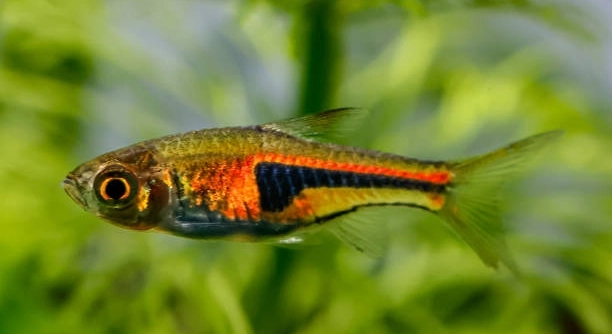
Do you enjoy keeping a colorful community tank but notice some rasboras acting differently during feeding time? These small, active fish often bring energy and charm to an aquarium, yet their behavior around food can vary.
Rasboras generally are peaceful and non-territorial fish, but competition for limited food can trigger brief aggressive behavior. Individual temperaments and tank conditions may influence these interactions, yet true territoriality over food is uncommon and usually minimal.
Understanding these patterns helps maintain harmony in your tank and ensures that all fish receive proper nutrition consistently.
Factors That Influence Feeding Behavior
Rasboras are usually calm and social, but several factors can influence how they behave during feeding. Tank size plays a role, as smaller spaces can make competition for food more noticeable. Overcrowding can also increase tension, even among typically peaceful fish. The type of food offered affects behavior as well. Flake food tends to spread evenly, allowing multiple fish to eat simultaneously, while sinking pellets or frozen food may cause temporary disputes if several fish reach it at once. Individual temperaments matter too. Some rasboras are naturally more assertive, which can lead to short bursts of chasing or nudging others aside. The presence of hiding spots and plants can reduce stress, giving shy fish a chance to eat without interference. Feeding frequency and portion sizes influence interactions; consistent, smaller meals often prevent aggression. Monitoring these aspects ensures that your tank remains a calm environment during feeding times.
Feeding behavior is influenced by tank size, population density, food type, and individual fish personalities.
Maintaining a peaceful feeding environment requires balancing these factors. Providing enough space, varied food types, and adequate hiding spots reduces stress and competition. Observing your fish regularly helps you spot changes in behavior early. Adjusting portion sizes and feeding schedules can prevent minor aggression from escalating. Creating a stable environment where all fish have access to food supports healthier, more active rasboras. Proper planning and awareness of each fish’s habits are key to preventing unnecessary conflicts during feeding.
Signs of Food-Related Aggression
Rasboras show subtle signs when food competition arises. Quick darting movements, brief chasing, or nipping near food are common indicators, usually lasting only a few seconds.
Aggressive behaviors over food are typically temporary and mild. They rarely cause injury, but consistent observation is important to ensure all fish eat properly.
Recognizing these signs early helps in managing feeding routines effectively. Adjusting feeding strategies, such as offering multiple feeding spots or spreading food more evenly, reduces stress among fish. Sometimes, separating particularly assertive individuals temporarily during mealtime can prevent persistent skirmishes. Observing interactions during feeding also allows you to understand the hierarchy within the tank, helping you anticipate which fish may need extra care. Maintaining consistent feeding habits and monitoring behavior keeps your rasboras healthy and promotes a peaceful, balanced community tank.
Preventing Feeding Conflicts
Providing multiple feeding spots reduces competition among rasboras. Spreading food across the tank allows shy fish to access it without stress from more dominant individuals.
Using smaller portions throughout the day helps prevent sudden bursts of chasing or nudging. Regular, measured feedings create predictability, which keeps fish calmer during meals. Incorporating a variety of foods, like flakes, pellets, and occasional frozen treats, ensures that all fish get proper nutrition. Observing feeding behavior and adjusting strategies based on individual temperaments prevents minor disputes from becoming ongoing issues, maintaining harmony in the tank environment.
Hiding spots and plants further support peaceful feeding. When shy or timid rasboras have cover, they can feed without interruption. Strategically placing food near these areas encourages natural, stress-free behavior.
Choosing the Right Food
High-quality flake or micro-pellet foods are ideal for rasboras. These foods float or sink slowly, giving all fish a chance to eat equally.
Rotating food types ensures balanced nutrition. Including protein-rich frozen or live foods occasionally supports growth and activity. Rasboras thrive on a varied diet, which also reduces aggressive tendencies caused by competition over limited preferred foods. Feeding smaller, frequent portions minimizes fights and allows weaker fish to access nutrients. Paying attention to how fish respond to each type of food helps fine-tune your feeding routine and maintain overall tank harmony.
Understanding Rasbora Social Dynamics
Rasboras are naturally schooling fish, and their social structure affects feeding behavior. Fish at the front of the group often get first access to food, while others wait for their turn.
Maintaining a stable group helps reduce competition. A consistent number of fish and familiar tankmates prevent unnecessary stress during feeding.
Observing and Adjusting
Monitoring interactions during mealtime allows you to spot subtle aggressive behavior. Quick adjustments, like spreading food or temporarily separating assertive fish, can prevent ongoing conflicts. Observing patterns over several days helps identify which fish need extra attention and ensures all receive proper nutrition.
Tank Setup Considerations
Plants, decorations, and hiding spots support peaceful feeding by giving shy rasboras space to eat safely.
Providing open swimming areas alongside cover balances security and access, creating a calm environment where all fish can feed without tension.
FAQ
Do rasboras need special feeding schedules to prevent aggression?
Rasboras do best with consistent, smaller feedings throughout the day rather than one large meal. Splitting their food into two or three portions reduces competition and ensures all fish have access. Maintaining a regular routine also helps minimize stress and keeps the group calm.
Can overcrowding cause feeding aggression?
Yes, overcrowding increases competition for food. When too many fish share limited space, even peaceful species like rasboras may show temporary chasing or nudging during meals. Ensuring adequate tank size and population density helps maintain harmony and gives each fish room to eat comfortably.
What types of food are least likely to cause conflict?
Flakes and micro-pellets that float or sink slowly work best. They spread across the tank, allowing all fish to feed simultaneously. Adding frozen or live foods occasionally provides variety without increasing aggression. Balanced nutrition reduces the desire to compete for preferred items.
How can I tell if aggression is serious?
Brief chasing or nudging is normal and rarely harmful. Aggression becomes concerning if it results in injuries, torn fins, or persistent avoidance of food by certain fish. Watching interactions during feeding helps you identify which fish may need extra attention or temporary separation.
Do hiding spots help with feeding disputes?
Absolutely. Plants, rocks, and decorations give timid rasboras safe spaces to access food. Shy fish can feed without being chased, which reduces overall tension in the tank. A mix of open swimming areas and cover creates a balanced environment for all fish.
Should assertive fish be separated during feeding?
Temporarily separating highly assertive individuals can prevent ongoing disputes. This is particularly useful if certain fish consistently dominate food access. Once everyone has eaten, reintroducing them usually works well without long-term social disruption.
Does the type of tank setup affect feeding behavior?
Yes, tank layout influences interactions. Dense planting with open swimming lanes allows fish to move freely while finding food. Sparse tanks may increase direct competition because fish have fewer escape routes, making aggression more noticeable during feeding.
How important is group size for rasboras?
Group size plays a big role in behavior. A small school may show more competition, as dominant individuals control limited food. Larger groups distribute feeding pressure more evenly, preventing consistent dominance and ensuring all fish get nutrition.
Can feeding times influence aggression?
Feeding at consistent times helps establish a predictable routine. Irregular feeding can lead to excitement or stress, which may trigger chasing or nudging. Predictable schedules reduce competition and promote calm, cooperative feeding behavior.
Is it necessary to monitor individual fish during feeding?
Yes, observing each fish helps identify those who are shy or being pushed aside. This allows adjustments in food distribution or portions, ensuring weaker individuals get proper nutrition and the overall group remains balanced and healthy.
Do rasboras become territorial over food permanently?
Permanent territoriality is rare. Most aggression over food is temporary and only occurs during feeding. Rasboras are naturally peaceful, and with proper tank setup, feeding strategies, and group size, conflicts remain brief and minimal, preventing long-term stress or harm.
How can I encourage peaceful feeding behavior?
Providing multiple feeding spots, balanced diets, hiding places, and consistent routines encourages calm interactions. Understanding each fish’s temperament and adjusting feeding practices as needed promotes harmony. Small changes in tank layout or feeding methods can significantly reduce minor conflicts and ensure all fish thrive.
Are live or frozen foods better for minimizing aggression?
Both can be used safely, but moderation is key. Offering small amounts at multiple points prevents rushes and competition. Balanced inclusion alongside flakes or micro-pellets ensures nutrition without encouraging aggressive behavior, supporting peaceful feeding in the group.
What signs indicate my feeding strategy is working?
Fish eat calmly, chase rarely occurs, and shy individuals access food without stress. All fish maintain healthy weight and activity levels. Consistent observation and small adjustments help maintain these positive patterns over time.
Can tankmates influence rasbora feeding behavior?
Yes, compatible, non-aggressive tankmates reduce tension. Introducing overly assertive or larger species can increase competition and disrupt feeding routines. Careful selection of peaceful companions maintains calm interactions and allows rasboras to feed comfortably without stress.
Does water quality affect feeding behavior?
Poor water conditions can increase stress and irritability, making minor food competition worse. Maintaining stable temperature, clean water, and proper filtration supports calm behavior during feeding and overall fish health.
How often should food portions be adjusted?
Monitor fish body condition and behavior. If some fish consistently miss meals, slightly increasing portions or adding feeding points helps balance access. Adjusting gradually ensures nutrition without overfeeding or promoting aggressive behavior.
Are some rasbora species more prone to aggression?
Generally, all rasboras are peaceful, but subtle differences in temperament exist between species or even individuals. Observing each tank’s unique dynamics allows you to adjust feeding strategies to prevent conflicts and maintain harmony.
What’s the easiest way to reduce minor chasing?
Spreading food widely and providing cover is the simplest method. Multiple feeding spots and hiding places allow all fish to eat safely while keeping chasing brief and minimal. Consistency in timing and portion size further reduces minor skirmishes.
How long does feeding-related aggression usually last?
Most chasing or nudging occurs only during the initial moments of feeding and rarely lasts more than a few seconds. With proper feeding strategies, tank layout, and social group management, these interactions remain short and harmless.
Rasboras are generally peaceful and social fish, making them a popular choice for community aquariums. Their behavior during feeding is usually calm, but small bursts of chasing or nudging can happen. These interactions are often brief and result from natural competition for food rather than true territoriality. Understanding the factors that influence feeding behavior helps create a more harmonious environment. Tank size, group composition, and layout all play a role in how rasboras interact during meals. A well-planned tank with enough space, hiding spots, and open swimming areas reduces stress and allows all fish to access food comfortably. Observing their behavior closely during feeding times helps identify any minor issues before they become more significant problems.
Feeding strategies are key to maintaining peace in the tank. Smaller, frequent portions work better than a single large meal because they prevent sudden surges of competition. Offering multiple feeding spots and a variety of food types ensures that shy or less dominant fish have the opportunity to eat without interference. Flakes, micro-pellets, and occasional frozen or live foods provide balanced nutrition while minimizing aggression. Adjusting feeding based on observation of individual temperaments helps keep everyone well-fed and reduces tension during meals. By keeping a consistent routine, providing adequate food, and monitoring interactions, it is possible to maintain a calm feeding environment where all rasboras thrive.
The overall success of keeping rasboras peaceful during feeding comes down to careful observation and adjustments. Providing a suitable group size, consistent feeding schedule, and a tank layout with plants and hiding spots creates a stable environment that supports healthy social behavior. While brief chases or nudges may occur, they are usually harmless and do not indicate long-term aggression. Recognizing individual differences in temperament and responding with small changes in feeding strategy or tank setup ensures that all fish have access to food without stress. By focusing on balance, nutrition, and environmental enrichment, rasboras can coexist peacefully, and their natural, gentle behavior can be enjoyed in a community aquarium.

Hello,
If you enjoy the content that we create, please consider saying a "Thank You!" by leaving a tip.
Every little bit helps us continue crafting quality advice that supports the health, happiness, and well-being of pets around the world, for pets of all shapes, sizes, and species.
We really appreciate the kindness and support that you show us!