
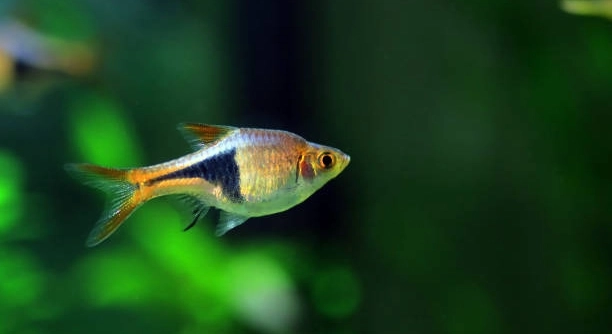
Rasboras are small, active fish that brighten any aquarium with their lively presence. They enjoy movement and interaction, making it important for owners to provide activities that keep them mentally and physically engaged.
Keeping rasboras entertained can be achieved through environmental enrichment, interactive feeding methods, and the addition of plants, decorations, or floating objects. Structured routines and varied stimuli encourage natural behaviors and reduce stress, promoting their overall health and wellbeing in captivity.
By introducing these simple techniques, you can ensure your rasboras remain active, healthy, and happy in their aquarium environment.
Introduce Floating Toys
Floating toys are simple yet effective tools to keep rasboras engaged. Small, lightweight objects like ping pong balls or floating plastic rings can be gently moved across the surface of the water. Rasboras are naturally curious and will follow or nudge these objects. Over time, they may learn to anticipate movement patterns, which encourages more swimming and interaction. Toys can be introduced one at a time to see which ones capture their attention best. Avoid sharp edges or materials that could harm delicate fins. Plastic or foam-based items are generally safe and easy to clean. Rotate toys every few days to prevent boredom. Introducing movement above the tank also stimulates their natural hunting instincts. Rasboras tend to explore both the surface and mid-level areas, so floating toys provide mental and physical stimulation. Consistent use of toys can reduce stress and encourage healthier, more active fish.
Floating toys are a low-maintenance way to keep rasboras active and alert.
Keeping the tank varied with floating toys adds depth to their environment. Using small, safe objects, you can create patterns or slow movements for them to follow. Rasboras will chase, nudge, and interact naturally, increasing their daily activity. Rotate objects to maintain interest.
Plant Variety
Adding different plants enhances the tank’s visual appeal and provides hiding spots. Rasboras feel safer when they have cover, which reduces stress and encourages exploration. Live plants offer natural oxygenation and mild filtration. Dense plants like Java moss or Anubias create shaded areas where they can rest. Tall stem plants encourage vertical swimming and allow for darting movements between leaves. Floating plants like duckweed provide additional surface activity and subtle shade. Avoid overcrowding; balance open swimming space with plant clusters. Artificial plants can be used if maintenance of live plants is challenging. Changing plant placement occasionally helps refresh the environment. Some rasboras enjoy nibbling on soft leaves, which can add variety to their daily behavior. Overall, varied plants stimulate both mental and physical activity, improving their wellbeing. Consistent observation ensures plants remain healthy and safe for all tank inhabitants.
Planting different types and sizes in the tank gives rasboras areas to explore, hide, and interact naturally. This simple change keeps their environment stimulating.
Mirror Reflections
Mirrors can encourage rasboras to swim actively by reflecting their movements. Place a small, safe mirror against the tank for short periods to avoid stress.
Short mirror sessions stimulate natural swimming and social behaviors. Rasboras may chase their reflection or circle the area, increasing activity. Limit exposure to five or ten minutes to prevent aggression or anxiety. Observe how each fish reacts, as some may be more curious while others ignore the reflection. Use the mirror intermittently rather than daily to keep it novel. This simple method adds mental stimulation without permanent changes to the tank. Monitor behavior to ensure the reflection does not cause persistent chasing or stress.
Reflections offer an easy way to promote activity and interaction. By varying position and timing, you can keep rasboras engaged without overwhelming them. Some will swim in groups toward the mirror, while others explore independently, balancing curiosity and comfort.
Rearranging Decorations
Changing the layout of rocks, driftwood, or plants keeps the tank environment interesting. Rasboras explore new spaces and pathways created by these shifts, which encourages natural swimming patterns and mental engagement. Rearranging also prevents boredom, as familiar areas become temporarily unfamiliar.
Small adjustments, like moving a plant cluster or rotating decorative items, create new hiding spots and swimming corridors. Rasboras enjoy investigating these changes, darting through gaps or hovering near new objects. Observing their interactions helps determine which arrangements encourage active exploration. Rearranging decorations also allows for easier cleaning and maintenance, keeping the tank fresh. Alternating layouts weekly or biweekly maintains novelty, giving them consistent mental stimulation. Care should be taken to avoid sharp edges or unstable items. Combining this approach with floating toys or plants enhances overall engagement, supporting healthier, more active fish.
Rearranging decorations stimulates natural curiosity and movement. Simple shifts can refresh the tank, encouraging exploration and playful behavior without adding new objects.
Live Food Treats
Offering live food occasionally encourages natural hunting behavior and adds excitement to their routine. Small options like brine shrimp or daphnia keep rasboras active and engaged.
Live food boosts activity and provides essential nutrients. Fish will chase and nibble, mimicking natural feeding instincts and promoting mental stimulation.
Gentle Water Currents
Introducing a gentle water current in the tank encourages swimming against the flow. This strengthens muscles and increases overall activity. Adjust flow carefully to avoid overwhelming them. Rasboras enjoy weaving through currents, exploring areas they may not usually visit.
Interactive Feeding
Using feeding rings or spreading food in different areas encourages movement during meals. This simple change prevents laziness and keeps fish alert.
Seasonal Decorations
Adding seasonal decorations, like floating leaves or safe ornaments, provides new visual stimuli and keeps rasboras interested in their environment.
FAQ
How often should I change the tank decorations for my rasboras?
Changing decorations once every one to two weeks is usually enough to keep rasboras engaged. Small adjustments, like moving a plant cluster or rotating rocks, provide new swimming paths without causing stress. Avoid major changes too frequently, as sudden shifts can make fish anxious.
Can I use mirrors every day for entertainment?
Mirrors should only be used for short periods, five to ten minutes, a few times per week. Daily exposure can lead to stress or aggressive behavior. Monitor how your rasboras react and remove the mirror if any chasing becomes excessive.
What types of live food are safe for rasboras?
Brine shrimp, daphnia, and mosquito larvae are excellent options. Feed in small amounts to prevent water contamination. Live food encourages hunting instincts, promotes activity, and provides nutritional variety compared to flakes or pellets.
Are artificial plants as effective as live plants for stimulation?
Artificial plants can work well for providing hiding spots and visual interest. They are low maintenance and safe if smooth and non-toxic. Live plants add oxygen and natural filtration, but both types help rasboras explore and stay active.
Can rasboras get bored with floating toys?
Yes, they can lose interest if the toys remain the same for long periods. Rotate or remove objects after a few days, then reintroduce them later to maintain novelty and encourage interaction.
How do I introduce gentle water currents safely?
Use a low-flow filter or a gentle air pump to create currents. Ensure the flow is not too strong, as rasboras prefer calm waters. Observe how they swim; they should be actively exploring and not struggling to stay upright.
Is rearranging decorations stressful for rasboras?
Minor changes are generally safe and stimulating. Avoid sudden large shifts or overcrowding the tank. Move one or two items at a time and watch their reaction. Fish often enjoy new swimming routes and hiding spaces without feeling threatened.
How long should live food sessions last?
Feed live food for short periods, five to ten minutes, to encourage natural hunting without overfeeding. Remove leftover food promptly to maintain water quality. Occasional treats are sufficient to stimulate activity and interest.
Do seasonal decorations affect water quality?
Safe, non-toxic decorations do not harm water quality. Avoid organic materials that decompose quickly or alter pH levels. Seasonal ornaments, like floating leaves or small plastic items, provide visual stimulation without significant maintenance.
Can rasboras be entertained in a small tank?
Yes, even small tanks benefit from enrichment. Use floating toys, plants, or gentle currents to create activity zones. Be mindful of space; overcrowding decorations or objects can restrict swimming and cause stress. Focus on variety rather than quantity.
How can I tell if my rasboras are stressed by enrichment?
Signs of stress include hiding constantly, erratic swimming, or refusing food. Introduce one new item at a time and observe behavior. Remove or adjust enrichment if fish appear frightened or overly aggressive. Stress-free stimulation promotes healthy, active behavior consistently.
Is it necessary to combine multiple methods for entertainment?
Combining techniques, like floating toys, live food, and rearranged plants, provides mental and physical stimulation. However, balance is key. Overloading the tank with enrichment can confuse or stress fish. Gradually add activities and monitor responses to maintain a healthy routine.
Can I leave live food in the tank after feeding?
No, leftover live food should be removed after feeding. Uneaten food decomposes quickly, pollutes water, and can cause ammonia spikes. Use small portions, feed only what can be eaten in a few minutes, and maintain clean water for active, healthy rasboras.
How do I rotate enrichment to keep it interesting?
Switch toys, rearrange plants, or vary feeding locations regularly. Even small changes provide novelty. Avoid predictable patterns, as rasboras learn routines quickly. Alternating enrichment maintains curiosity, encourages exploration, and reduces boredom over time.
Are there enrichment activities that can harm rasboras?
Yes, sharp objects, strong currents, or overcrowding can injure or stress them. Avoid toxic plants, large mirrors, or aggressive tankmates during enrichment sessions. Always choose safe materials and monitor behavior to prevent harm while keeping fish active.
How often should I offer live food?
Once or twice a week is sufficient. Daily live food is unnecessary and can upset water balance. Combine with flakes or pellets for a balanced diet while keeping fish engaged through natural hunting behavior.
Can I mix live and artificial plants for stimulation?
Yes, combining both types provides variety. Live plants add oxygen and shelter, while artificial plants are low-maintenance visual interest. Together, they create a stimulating environment that encourages exploration, hiding, and natural swimming patterns for rasboras.
What’s the simplest way to prevent boredom in a small tank?
Rotate decorations, use floating toys, and offer occasional live food. Change one variable at a time and observe reactions. Small, consistent adjustments keep the tank stimulating without overcrowding or stressing your rasboras.
Keeping rasboras active and entertained is easier than it might seem. Small changes to their environment, like adding floating toys, rearranging decorations, or introducing live food, can make a big difference in their daily behavior. Rasboras are naturally curious and energetic fish. They respond well to stimulation that encourages swimming, exploring, and interacting with their surroundings. Providing a variety of activities helps them stay active, reduces stress, and promotes overall health. Even minor adjustments, such as moving plants or placing a mirror for short periods, can create new points of interest that spark natural behaviors. The goal is not to overwhelm them but to give them opportunities to exercise both their bodies and minds. Simple techniques, when applied consistently, can make the tank a more engaging place for these small, lively fish. Observing how your rasboras respond to each addition will help determine which activities they enjoy most.
Routine is also important when keeping rasboras entertained. Fish thrive when they have predictable feeding times, consistent light cycles, and safe, well-maintained spaces. However, routine does not mean boredom. By incorporating small variations, such as spreading food across different areas or rotating plants and toys, you can maintain interest without causing stress. Live food, for example, encourages natural hunting instincts while providing a nutritional boost. Floating toys or gentle water currents motivate swimming and mental engagement. Rearranging decorations creates new hiding spots and pathways, encouraging exploration. Each activity targets a different aspect of their natural behavior, from chasing and darting to hovering and weaving through plants. Over time, these activities collectively contribute to healthier, more confident fish that display their full range of natural movements.
Finally, maintaining a balance between enrichment and comfort is key. Overloading the tank with too many objects or constant activity can cause anxiety or aggressive behavior. It is important to observe your rasboras closely and adjust the level of stimulation to suit their reactions. Rotating enrichment, limiting mirror time, and spacing out live food sessions can prevent overstimulation while keeping them engaged. The environment should feel safe and inviting, with areas for rest, hiding, and active exploration. Attention to water quality, gentle currents, and proper plant placement ensures that enrichment does not compromise health. By combining observation with simple, thoughtful techniques, you can create a dynamic and enjoyable tank where rasboras remain active, curious, and content throughout the day. Consistent care and small, varied activities provide the mental and physical stimulation these fish need to thrive.

Hello,
If you enjoy the content that we create, please consider saying a "Thank You!" by leaving a tip.
Every little bit helps us continue crafting quality advice that supports the health, happiness, and well-being of pets around the world, for pets of all shapes, sizes, and species.
We really appreciate the kindness and support that you show us!