
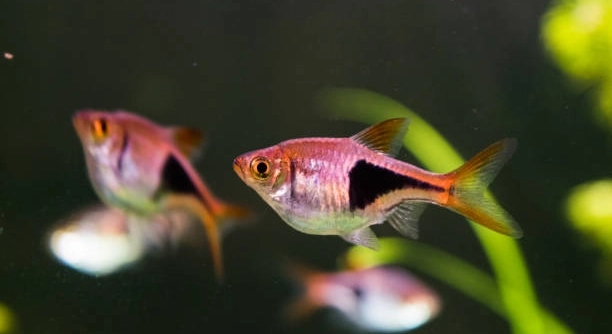
Rasboras are small, peaceful fish that are often chosen for community tanks due to their calm nature. They thrive in groups and enjoy swimming freely, adding color and movement without causing disruption in a well-maintained aquarium.
Over time, certain rasbora species may exhibit territorial behaviors, particularly when space is limited or when establishing a hierarchy. This can manifest as chasing, nipping, or guarding specific areas, though it is generally less intense than aggressive species.
Understanding their subtle shifts in behavior helps maintain harmony in your aquarium and ensures each fish has a comfortable, stress-free environment to thrive in.
Recognizing Territorial Behavior in Rasboras
Rasboras are usually calm, but subtle signs can indicate territorial tendencies. You may notice certain fish lingering in one corner or chasing others away from plants or decorations. These behaviors often appear gradually, making them easy to miss at first. Lighting, tank size, and the number of hiding spots can influence this behavior. Providing enough space for swimming and separate areas to rest helps reduce tension. Some species, like the Harlequin Rasbora, rarely show aggression, while others may defend a preferred spot more actively. Observing interactions closely over weeks will give you a clear sense of any dominant individuals. Adjusting tank layout, adding more plants, and ensuring even distribution of food can also minimize conflict. In many cases, the behaviors are mild and do not cause serious harm, but it’s important to act early. Regular monitoring maintains a peaceful aquarium where each fish can thrive comfortably without constant stress or competition.
Territorial behavior is more noticeable in smaller tanks with limited hiding places. The environment plays a major role.
Consistent observation allows you to understand each fish’s personality. Not every rasbora will act territorial, but identifying signs early helps prevent conflicts. Changes in group size or rearranging decorations may alter dynamics. Feeding routines and water quality also influence behavior. By taking proactive steps, you ensure a calmer, healthier tank. Monitoring allows for adjustments before aggression escalates, maintaining harmony for all inhabitants.
Managing Aggression and Tank Harmony
Preventing stress starts with proper tank size and layout. Adding plants and hiding spots helps distribute activity and reduce confrontations among fish.
When aggression arises, it is often due to overcrowding or insufficient territory. Rearranging decorations, increasing tank space, or introducing additional hiding areas can help. Observing which fish dominate areas allows you to make targeted adjustments. Feeding evenly prevents competition over food. In some cases, separating particularly aggressive individuals may be necessary. Maintaining clean water and stable conditions further reduces stress-related aggression. Over time, fish may adjust to new arrangements, lowering territorial displays. Regularly assessing behavior ensures that interventions are effective, and the tank remains peaceful. Proper planning and attention create an environment where rasboras coexist without frequent conflicts. This approach balances natural instincts with the practical needs of a community aquarium, allowing each fish to swim freely and interact safely.
Environmental Factors Influencing Rasbora Behavior
Tank size directly impacts territorial displays. Smaller tanks limit space, causing fish to guard areas. Plants and decorations can either create hiding spots or bottlenecks, affecting movement and interactions. Stable water conditions also play a role in minimizing stress-induced aggression.
Overcrowding increases tension among rasboras, making territorial behaviors more likely. When multiple fish compete for the same space, chasing and nipping can occur. Even in moderately sized tanks, limited hiding spots or uneven distribution of food may trigger aggression. Observing daily interactions helps identify patterns early. Adjusting group sizes, rearranging décor, and providing open swimming space can reduce conflicts. Ensuring water quality and consistent feeding routines further supports peaceful behavior, allowing all fish to establish comfortable territories without harming others.
Lighting and flow within the tank can influence dominance hierarchies. Fish often claim calmer areas with dimmer light or gentle current. Subtle changes in these conditions may alter behavior. Noticing which areas are frequently occupied can guide adjustments. Regularly moving decorations or rotating plants redistributes territories. Maintaining balance between open swimming areas and cover ensures rasboras can retreat when needed. Over time, fish may settle into stable patterns if the environment supports both exploration and safety. Continuous observation remains key to maintaining harmony and minimizing stress in the aquarium.
Social Dynamics and Group Composition
Rasboras thrive in groups, and the size and composition of the school affect behavior. Larger groups tend to dilute aggression, while smaller groups can highlight dominance.
Mixing different rasbora species or age groups may influence interactions. Younger or smaller fish can be targets for chasing if the group is uneven. Ensuring at least six or more individuals reduces stress and spreads social pressure, creating a more balanced dynamic. Compatibility with other tank mates is also important, as overly active or aggressive species can disrupt their natural behavior. Feeding routines should account for all fish, preventing competition over food. Over time, group stability allows fish to establish subtle hierarchies without constant conflict, preserving a peaceful environment.
Feeding and Territorial Behavior
Uneven feeding can trigger territorial disputes. Fish may compete aggressively over food if portions are not distributed evenly. Observing their feeding patterns helps ensure each fish gets adequate nutrition and reduces stress.
High-quality, frequent meals minimize conflict. Offering small amounts at multiple spots encourages sharing and prevents dominant individuals from controlling resources.
Adjusting Tank Layouts
Rearranging plants, rocks, and decorations can break established territories. Changing layouts encourages exploration and helps reduce dominance-related aggression. Strategic placement of hiding spots allows less dominant fish to retreat safely without constant harassment. Over time, fish may adapt to the new layout, lowering territorial behavior naturally.
Monitoring Long-Term Behavior
Keeping a close eye on rasboras over months allows for early detection of escalating aggression. Behavioral shifts often indicate environmental or social stressors that need adjustment. Consistent observation ensures that interventions can be applied promptly to maintain balance in the tank.
Benefits of a Peaceful Aquarium
A calm tank supports healthier fish. Reduced stress improves immune function, growth, and overall activity levels. Fish display natural behaviors when conflicts are minimized.
FAQ
Can rasboras live peacefully with other fish despite territorial behavior?
Yes, most rasboras remain peaceful in community tanks. Territorial behavior is usually mild and occurs in limited spaces or during food competition. Choosing compatible tank mates and providing enough swimming areas and hiding spots helps maintain harmony. Over time, dominant individuals often settle without causing serious stress.
What tank size is best to reduce aggression?
A larger tank minimizes territorial disputes. At least 20 gallons for a small school is recommended. Open swimming areas, combined with plants and décor that provide hiding spots, allow fish to establish boundaries naturally without constant chasing or nipping.
Do all rasbora species show territorial tendencies?
No, tendencies vary by species. Harlequin rasboras are generally calm, while other species may occasionally chase or guard areas. Observing the school regularly helps identify individual behaviors and make adjustments when necessary.
How many rasboras should be kept together?
Keeping at least six individuals reduces stress and spreads social pressure. Smaller groups can exaggerate dominance hierarchies, making territorial behavior more visible. Larger groups dilute aggression, helping maintain a balanced, calm environment for all fish.
Can rearranging tank decorations help with aggression?
Yes, changing the layout can break up established territories and encourage exploration. Placing plants and hiding spots strategically allows less dominant fish to retreat safely. Regular rearrangement over time helps fish adapt and reduces constant displays of dominance.
Does feeding routine affect territorial behavior?
Feeding practices have a significant impact. Uneven distribution of food may lead to competition. Offering smaller portions at multiple spots ensures all fish receive food without provoking dominant individuals. Consistent feeding routines reduce stress and territorial disputes.
What signs indicate territorial behavior is becoming a problem?
Signs include constant chasing, nipping at fins, guarding specific areas, or hiding more frequently. Mild displays are normal, but persistent aggression can stress weaker fish and affect health. Early identification allows adjustments to the environment or group composition before harm occurs.
Can stress from territorial disputes affect health?
Yes, stress weakens immune systems and reduces growth. Fish under constant threat may lose appetite and show lethargy. Maintaining stable water conditions, proper tank layout, and observing interactions helps minimize stress and supports long-term health.
Is it necessary to separate aggressive individuals?
Sometimes, especially if aggression escalates despite adjustments. Temporary or permanent separation prevents injury and stress. Observing interactions before taking action is essential to ensure separation is needed and to avoid unnecessary disruption of the school dynamic.
Do environmental changes influence long-term behavior?
Absolutely. Water flow, lighting, decorations, and hiding spots all impact territorial tendencies. Subtle changes can shift dominance hierarchies and reduce aggressive displays. Monitoring behavior after adjustments ensures that fish adapt positively and maintain a peaceful tank environment.
Can juvenile rasboras show aggression?
Yes, even young fish can exhibit chasing or guarding behaviors, though it’s usually mild. Juveniles often establish pecking orders that stabilize as they grow. Providing enough space and hiding spots helps them develop without stressing each other or other tank mates.
How often should behavior be monitored?
Daily observation is ideal, especially in the early stages of establishing a tank or introducing new fish. Noting interactions, feeding patterns, and changes in territory occupation helps address potential conflicts before they escalate.
Will adding more plants always reduce territorial behavior?
Not always, but plants provide hiding spots and break lines of sight, which can minimize aggression. The placement and density of plants matter. Too few may not help, while too many could restrict swimming space, creating new tension points.
Can territorial behavior disappear over time?
Yes, in a well-managed tank, fish often settle into stable social patterns. Providing enough space, hiding spots, and consistent feeding routines helps reduce frequent disputes. Regular monitoring ensures long-term harmony while allowing fish to express natural behaviors safely.
Do water conditions affect aggression?
Poor water quality or sudden changes can increase stress and trigger territorial behavior. Stable temperature, pH, and cleanliness reduce tension and support calm interactions. Maintaining consistent conditions is as important as space and social composition in managing aggression.
Is it safe to keep rasboras with smaller, timid fish?
Generally, yes, if the tank is large enough and hiding spots are abundant. Timid fish may be chased initially, but proper planning and observation allow them to coexist safely. Monitoring interactions ensures weaker fish are not stressed or injured.
How can I tell if territorial behavior is normal or problematic?
Mild chasing or brief displays are typical. Problematic behavior includes repeated nipping, cornering, or persistent dominance that prevents weaker fish from feeding or resting. Early detection and intervention prevent stress-related health issues.
Can rearranging the tank frequently cause stress?
Frequent, drastic changes can confuse fish. Minor adjustments, spaced over weeks, allow adaptation without excessive stress. The goal is to reduce aggression while maintaining a stable environment. Observation after changes ensures fish settle comfortably.
Does group composition affect aggression long-term?
Yes, balanced groups of similar size and age minimize dominance struggles. Mixing incompatible species or uneven numbers can heighten aggression. Careful planning of the school’s composition ensures long-term peace and allows natural social structures to form.
Are there natural ways to discourage aggression without separating fish?
Providing sufficient space, hiding spots, open swimming areas, and evenly distributed food are effective. Minor environmental adjustments, like rearranging décor or adding plants, often reduce territorial disputes while allowing fish to remain in the same tank safely.
Can territorial rasboras coexist with non-territorial species?
Yes, if tank space and hiding places are adequate. Non-territorial species typically avoid confrontation, while rasboras establish their own boundaries. Ensuring food and resting areas are accessible to all fish prevents conflict. Monitoring ensures coexistence remains peaceful.
Does lighting influence behavior?
Lighting affects activity levels and territory preference. Dimmer areas may be claimed as safe zones, while bright sections encourage movement. Adjusting lighting subtly can redistribute territorial claims and reduce dominance pressure, helping fish feel secure without aggression.
Are aggressive displays more common in breeding seasons?
Yes, breeding behavior can intensify chasing or guarding. Males may defend areas to attract mates or protect eggs. Providing additional hiding spots and sufficient space helps manage these temporary spikes in aggression and keeps other fish safe.
How do I introduce new rasboras without triggering aggression?
Quarantine new fish first, then introduce them gradually. Rearrange decorations to disrupt established territories and allow fish to explore freely. Monitoring closely ensures peaceful integration while reducing stress for both new and existing fish.
Can aggressive rasboras calm down naturally?
Often, yes. With proper space, hiding spots, and a balanced group, dominant individuals may reduce chasing over time. Patience and careful observation are key to letting natural social structures stabilize without unnecessary intervention.
What role does water flow play in territorial behavior?
Fish may claim calmer areas with less current. Uneven flow can create preferred zones, encouraging minor aggression. Adjusting flow to create uniform conditions encourages movement throughout the tank and reduces concentrated territorial disputes.
Are there signs of stress linked to territorial disputes?
Stress signs include hiding constantly, losing appetite, rapid breathing, or faded coloration. Addressing causes like overcrowding, poor water conditions, or limited hiding spots helps restore balance and reduces aggressive displays.
How often should tank decorations be updated?
Minor adjustments every few weeks are sufficient. Sudden, frequent changes may stress fish, while thoughtful rearrangements help break up established territories and encourage exploration. Monitoring behavior afterward ensures fish adapt without conflict.
Do dominant rasboras monopolize food?
Without proper feeding distribution, dominant fish may control access. Providing small portions in multiple locations ensures all fish eat adequately and prevents stress or aggression over resources.
Can smaller tanks support a peaceful group of rasboras?
Yes, but careful planning is needed. Adequate hiding spots, minimal decorations to allow swimming space, and balanced group size reduce territorial disputes. Overcrowding or insufficient space increases the likelihood of aggression.
Is it normal for rasboras to chase each other occasionally?
Yes, brief chasing is typical as fish establish minor boundaries or explore. Persistent, aggressive chasing that limits movement or feeding requires intervention, but occasional displays are part of normal social behavior.
How can I track long-term behavioral changes?
Keeping a log of interactions, feeding patterns, and locations claimed over weeks helps identify trends. Tracking changes allows early detection of aggression or stress and ensures interventions maintain a peaceful, balanced aquarium.
Can temperature changes affect aggression?
Sudden fluctuations can increase stress and prompt chasing. Maintaining stable, species-appropriate temperatures supports calm behavior and reduces the likelihood of territorial displays.
Do hiding spots prevent all aggression?
No, but they reduce intensity and frequency. Fish can retreat when threatened, which lowers stress and allows less dominant individuals to feed and rest safely. Combining hiding areas with open swimming zones balances activity and security.
Can aggression lead to injury?
Yes, persistent chasing or nipping can damage fins or scales. Early detection, environmental adjustments, and balanced group composition prevent harm and maintain overall health in the aquarium.
How long does it take for territorial behavior to stabilize?
It varies by species, tank size, and group composition. Typically, behavior settles over several weeks once fish adapt to the environment and social hierarchy becomes established. Regular observation ensures smooth adjustment.
Are territorial displays stronger in smaller or younger fish?
Smaller or younger fish may assert dominance to establish hierarchy, especially in limited spaces. Providing sufficient room and hiding areas minimizes conflicts and supports natural social development without excessive stress.
Does the presence of plants completely stop territorial behavior?
Plants reduce aggression by providing cover but do not eliminate it entirely. Fish still claim preferred zones, but hiding spots allow weaker individuals to avoid constant confrontation, creating a more balanced tank environment.
Can rearranging feeding areas help reduce conflicts?
Yes, spreading food across multiple locations prevents dominant individuals from controlling resources. Observing feeding patterns ensures all fish access nutrition while minimizing chasing and stress during meals.
Is constant monitoring necessary in large tanks?
Even in larger tanks, observing fish regularly helps identify subtle shifts in behavior. Early intervention ensures peaceful coexistence and prevents escalation of territorial disputes over time.
Do all rasboras eventually show some form of territorial behavior?
Most display minor territorial tendencies, though intensity varies. Proper tank setup, group size, hiding spots, and monitoring allow these behaviors to remain mild, supporting a calm, harmonious aquarium.
Can stress from aggression impact breeding success?
Yes, stressed fish may delay or avoid spawning. Minimizing territorial disputes through space, hiding spots, and stable conditions increases the likelihood of successful breeding and healthy offspring.
Does tank décor affect long-term social hierarchy?
Yes, decorations define zones that fish may defend. Thoughtful arrangement balances exploration with security, allowing hierarchies to stabilize naturally and reducing chronic aggression.
Can aggressive behavior decrease if new fish are added?
Adding new fish can redistribute social pressure, sometimes reducing persistent chasing. Proper introduction and rearrangement of territories ensure that dominant individuals do not monopolize space, supporting harmony.
How important is water quality in preventing aggression?
Maintaining stable, clean water is crucial. Poor quality increases stress and triggers chasing or guarding behaviors. Regular water changes, filtration, and monitoring of parameters ensure calm, healthy fish.
Does aggression increase during feeding time?
Yes, if food is limited or concentrated in one spot. Spreading small portions across multiple locations reduces competition and ensures all fish eat without confrontation.
Are there behavioral differences between male and female rasboras?
Males may be slightly more active in defending areas or courting females, but aggression is generally mild. Balanced group composition and sufficient space help maintain overall peace regardless of gender ratios.
Can environmental enrichment reduce territorial tendencies?
Yes, adding varied plants, decorations, and hiding spots encourages exploration and decreases fixation on specific zones, lowering dominance displays and supporting a more relaxed aquarium atmosphere.
Is it necessary to separate fish if one is severely aggressive?
Yes, separation prevents injury and stress. Observe interactions first, then decide whether temporary or permanent isolation is needed. This protects both aggressive and weaker individuals while maintaining overall tank balance.
Do rasboras remember territories long-term?
Yes, fish can develop preferences for certain zones. Rearranging decorations or changing flow can redistribute territories, preventing prolonged dominance by a single individual.
How can I create a balanced group of rasboras?
Select similar-sized fish, maintain adequate numbers, and introduce new individuals gradually. Ensure hiding spots and open areas are distributed evenly to minimize competition and encourage harmonious social interactions.
Does frequent observation change fish behavior?
Not usually, but sudden movements or tapping may cause stress. Observing calmly and consistently allows monitoring without disrupting natural interactions.
Can aggressive behavior escalate suddenly?
Yes, changes in environment, water quality, or group composition can trigger sudden spikes in chasing or nipping. Early detection and adjustment prevent long-term stress or injury.
What are the most effective ways to reduce territorial aggression?
Provide sufficient space, balanced group size, hiding spots, consistent feeding, stable water conditions, and occasional rearrangement of decorations. Monitoring and adjustments ensure peaceful coexistence and reduce stress.
Are there species-specific differences in territorial displays?
Yes, Harlequin Rasboras are generally calmer, while other species may defend areas more actively. Knowing the tendencies of each species helps plan tank setup and group composition effectively.
Does tank height affect territorial behavior?
Yes, taller tanks provide vertical space, giving fish more zones to claim and retreat. Vertical distribution can reduce horizontal conflicts and support natural swimming patterns.
Can behavioral logs help maintain tank harmony?
Absolutely. Recording interactions, feeding patterns, and territorial shifts allows tracking long-term changes and identifying stressors early, ensuring a peaceful environment for all fish.
Do rasboras form permanent hierarchies?
Hierarchies are generally subtle and flexible. Fish adjust to new additions or environmental changes, and dominance relationships shift over time without causing constant aggression.
Are there long-term consequences of unmanaged aggression?
Yes, prolonged stress can weaken immune systems, reduce growth, and increase susceptibility to disease. Early intervention and proper tank management prevent these outcomes.
Can aggression interfere with schooling behavior?
If dominant fish monopolize space, weaker fish may avoid swimming with the group, disrupting natural schooling. Providing open areas and hiding spots restores balanced social interaction.
How does water temperature influence territorial tendencies?
Stable, species-appropriate temperatures reduce stress-induced aggression. Sudden fluctuations may increase chasing and defensive behaviors, highlighting the importance of maintaining consistent conditions.
Is it necessary to adjust tank layout periodically?
Periodic, minor adjustments help redistribute territories and encourage exploration. This reduces dominance-related stress while maintaining a stable environment for long-term harmony.
Do rasboras ever become completely non-territorial?
Not entirely, but with proper tank setup, group size, and environmental management, territorial behavior can remain minimal and rarely impact tank harmony.
How do I balance hiding spots and open space?
Provide enough cover to reduce stress while leaving open areas for swimming. Too much cover may create bottlenecks, while too little increases aggression. Observing fish behavior guides adjustments.
Can feeding frequency reduce aggression?
Yes, multiple small feedings prevent dominant fish from controlling access. Regular, evenly distributed meals reduce stress and competition.
Are there seasonal changes in behavior?
Some species may show slightly higher activity or territoriality during breeding periods. Providing extra hiding spots and space accommodates temporary increases in chasing.
Do rasboras react differently to new tank mates over time?
Yes, initial tension may decrease as fish adapt to each other. Gradual introductions and monitoring allow peaceful coexistence while minimizing aggression.
Can environmental stressors trigger territorial behavior?
Yes, poor water quality, overcrowding, or sudden changes increase defensive displays. Maintaining stability is key to reducing aggression.
Are smaller rasboras more prone to chasing?
Even small fish may assert dominance if space is limited. Providing adequate room and hiding spots reduces tension and supports natural social interactions.
Does lighting schedule impact behavior?
Regular light cycles help establish routine and reduce stress. Irregular lighting may increase activity and minor territorial disputes.
How long should new fish be quarantined?
At least two weeks allows observation for illness and reduces risk of introducing stress or disease, ensuring smooth integration into the existing group.
Can dominant individuals calm down naturally over months?
Yes, with sufficient space, hiding spots, and balanced groups, aggressive displays often decrease as hierarchies stabilize and fish adapt to the environment.
Are territorial behaviors inherited or learned?
Behavior is mostly instinctual, though experience and social interactions influence expression. Environmental factors determine how often and intensely territorial tendencies appear.
Does water current affect weaker fish?
Yes, strong currents may push timid fish into dominant territories. Gentle, evenly distributed flow helps all fish find safe zones.
Can introducing plants gradually help reduce aggression?
Yes, adding plants incrementally gives fish time to adapt, providing cover without causing stress or disrupting established swimming routes.
Do stress-reducing techniques vary by species?
Slightly. Some rasboras prefer dense cover, while others need more open swimming space. Observing individual behavior allows tailored adjustments.
Is it normal for territorial behavior to spike occasionally?
Yes, temporary increases occur during feeding, environmental changes, or breeding. Providing space and cover minimizes lasting impact.
Can dominant fish monopolize vertical space?
Yes, especially in tall tanks. Ensuring multiple vertical zones and hiding spots prevents stress for less dominant fish and supports natural swimming patterns.
Do aggressive behaviors affect breeding pairs?
Excessive chasing can disrupt courtship and spawning. Providing separate areas or increased cover allows breeding fish to interact safely.
Is it better to overpopulate or underpopulate for aggression control?
Balanced populations work best. Overcrowding increases stress, while too few fish exaggerate dominance displays. Adequate group size ensures social balance and reduces conflict.
Can minor aggression be ignored?
Mild, brief displays are typical and often do not cause harm. Only persistent or harmful behavior requires intervention.
Does tank shape matter for territorial behavior?
Long tanks with open swimming areas reduce repeated confrontations. Narrow tanks increase the likelihood of encounters and chasing.
Are rasboras more aggressive at night?
Some activity increases during low light, but major aggression is rare. Adequate hiding spots allow fish to rest safely.
Can diet influence aggression?
Poor nutrition may increase stress and chasing. Providing balanced, species-appropriate food supports calm behavior.
How long after rearranging décor do behaviors stabilize?
Generally, fish adjust within days to a few weeks. Observation ensures territories are balanced and aggression decreases naturally.
Do dominant fish remember feeding spots?
Yes, they may return to favored locations. Spreading food encourages sharing and prevents monopolization.
Can stress from tankmates reduce lifespan?
Chronic stress weakens immune systems and can shorten lifespan. Maintaining calm, balanced environments ensures healthier, longer-living fish.
**Are
Final Thoughts
Rasboras are generally peaceful fish, but they can show territorial tendencies over time, especially in limited spaces or when resources are unevenly distributed. Understanding these behaviors is key to maintaining a calm, balanced aquarium. Observing daily interactions helps identify signs of mild aggression before they escalate into serious problems. Small displays of chasing or guarding areas are normal, as they reflect the fish’s natural instincts to establish boundaries and social hierarchies. However, consistent, prolonged aggression can stress weaker individuals and affect overall tank harmony. By paying close attention to patterns in swimming areas, feeding times, and preferred resting spots, it is possible to anticipate potential conflicts and make adjustments early.
Environmental factors play a major role in shaping rasbora behavior. Tank size, decorations, and the placement of hiding spots can either encourage exploration or contribute to territorial disputes. A well-planned layout provides both open swimming space and cover for retreat, allowing each fish to feel secure. Water quality and stable conditions also reduce stress, which in turn lowers the likelihood of aggressive displays. Feeding routines are another important factor. Providing food in small portions across multiple locations prevents dominant individuals from monopolizing resources. Adjustments to tank décor, such as adding plants or rearranging rocks, can redistribute territories and help less dominant fish feel safe. Over time, these measures create an environment where territorial behavior remains mild and manageable, allowing fish to express natural behaviors without constant conflict.
Social dynamics and group composition are equally important. Rasboras thrive in schools, and keeping at least six individuals spreads social pressure and minimizes aggression. Smaller groups tend to exaggerate dominance hierarchies, making territorial behavior more noticeable. Introducing new fish gradually and ensuring balanced sizes and ages reduces stress and supports peaceful coexistence. Monitoring interactions regularly allows for quick intervention if aggression becomes harmful. While no method completely eliminates territorial behavior, thoughtful planning, consistent observation, and appropriate adjustments help maintain a healthy and harmonious tank. In such an environment, rasboras can swim freely, feed without stress, and coexist peacefully with each other, ensuring both their well-being and a visually pleasing aquarium.

Hello,
If you enjoy the content that we create, please consider saying a "Thank You!" by leaving a tip.
Every little bit helps us continue crafting quality advice that supports the health, happiness, and well-being of pets around the world, for pets of all shapes, sizes, and species.
We really appreciate the kindness and support that you show us!