
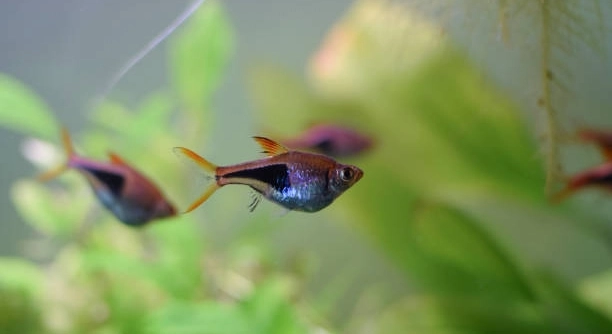
Many aquarists notice their rasboras slowing down or resting during the middle of the day. Observing this behavior can be surprising for new fish owners, especially when their tank usually seems active and lively.
It is normal for rasboras to rest midday. These fish naturally adjust their activity levels according to light and feeding schedules. Midday resting allows them to conserve energy and maintain overall health in their aquatic environment.
Understanding this resting pattern helps you create a suitable habitat for your rasboras. It ensures their well-being and encourages a healthy, balanced routine in your aquarium.
Why Rasboras Rest Midday
Rasboras are naturally active during the early morning and late afternoon, but their activity slows during the warmest part of the day. This midday rest is not a sign of illness but a normal behavior. In the wild, these fish often hide in shaded areas or among plants to avoid predators and conserve energy. In a home aquarium, they maintain this pattern, resting quietly in calm spots. Observing them during this period can reassure owners that their fish are healthy and following natural rhythms. Light intensity, water temperature, and tank layout all influence how long and often rasboras rest. They may cluster together or separate depending on comfort and security. Providing plants, decorations, or hiding spots can enhance their sense of safety, encouraging natural resting behavior. Over time, you will notice consistent patterns, helping you understand the daily life of your rasboras better and ensuring their habitat supports both activity and rest.
Rasboras resting midday is a sign of normal behavior, energy conservation, and adaptation to light and temperature changes in the tank.
Creating a balanced environment allows rasboras to thrive. Comfortable hiding areas, moderate lighting, and stable water conditions support their natural rhythms. Observing these resting habits gives insight into their well-being and helps identify any unusual activity changes.
Signs That Indicate Resting Is Healthy
Healthy rasboras display calm, subtle movements while resting. Their fins remain intact, scales appear vibrant, and they maintain position without struggling.
Unhealthy resting can be identified through unusual behavior, including erratic swimming, clamped fins, or rapid gill movement. Stressors such as poor water quality, inappropriate temperature, or overcrowding may cause prolonged inactivity. Monitoring water parameters like pH, ammonia, nitrites, and temperature ensures a stable environment. Regular feeding and avoiding sudden changes in lighting or decorations also help reduce stress. If you notice abnormal behavior, gradual adjustments to tank conditions often resolve the issue. Observing your fish daily provides context for their patterns, allowing early detection of potential health concerns. Overall, midday rest is natural for rasboras, but staying alert to their behavior ensures any problems are addressed quickly, keeping the aquarium a safe and healthy habitat.
Creating a Comfortable Midday Environment
Providing shaded areas and plants helps rasboras feel secure during their rest. Moderate lighting and calm water flow reduce stress and encourage natural behavior.
Rasboras respond positively to tank decorations that mimic their natural habitat. Floating plants can soften light, while small caves or dense vegetation offer hiding spots. Consistent lighting schedules help them establish daily routines, signaling active and resting periods. Gentle water movement prevents strong currents that can tire them out, supporting energy conservation. Tank placement also matters; avoiding direct sunlight or high-traffic areas helps maintain a calm environment. Observing how your fish interact with these elements informs adjustments, ensuring a habitat that promotes natural midday rest.
Maintaining water parameters is equally important. Stable temperature, pH, and ammonia levels reduce stress and support overall health. Regular monitoring and partial water changes prevent harmful fluctuations. Combining proper tank setup, gentle lighting, and consistent maintenance encourages rasboras to rest naturally and remain active when appropriate, enhancing both their health and your enjoyment as an owner.
Feeding and Activity Patterns
Rasboras are more active during feeding times, which can influence their midday resting behavior. Consistent feeding schedules keep them healthy.
Feeding small amounts multiple times a day aligns with their natural tendencies. Overfeeding can lead to sluggishness or poor water quality, while underfeeding affects energy levels. Observing when rasboras become active around feeding helps predict resting periods. Active fish often explore the tank, chase food, and interact with others. After eating, they gradually settle into resting behavior, conserving energy for later activity. Matching feeding times to natural peaks in activity encourages regular routines and reduces stress.
The type of food also affects activity levels. Live or frozen foods stimulate movement and natural foraging instincts, while high-quality flake or pellet foods provide balanced nutrition. Offering variety supports health and keeps rasboras engaged. During midday rest, they may hide near plants or decorations even after feeding, which is normal. Recognizing the relationship between feeding, activity, and rest allows you to adjust schedules and tank conditions for optimal behavior. This ensures your rasboras remain energetic and healthy while maintaining natural resting patterns.
Common Misunderstandings About Midday Rest
Some owners worry that rasboras resting midday indicates illness, but this behavior is usually normal. Observing calm movements and normal feeding reassures that fish are healthy.
Resting periods vary between individuals. Some may be more active, while others prefer longer rest. Differences in age, size, and temperament influence how often they pause during the day.
Water Quality and Its Impact
Stable water quality directly affects rasboras’ energy levels. High ammonia, nitrite, or nitrate levels can stress fish, causing unusual inactivity. Regular testing and partial water changes prevent harmful buildups, ensuring a safe environment. Proper filtration, consistent temperature, and pH balance also support normal resting patterns and overall health.
Recognizing Stress Signals
Unhealthy stress signals include clamped fins, erratic swimming, or loss of appetite. Identifying these early prevents serious health problems.
FAQ
Is it normal for rasboras to sleep during the day?
Yes, rasboras often rest during midday. This behavior is natural and helps them conserve energy. They are more active during early morning and late afternoon, following their instinctive patterns. Observing calm, quiet behavior with normal swimming and feeding indicates healthy rest.
How long do rasboras typically rest midday?
The duration of rest varies, usually ranging from one to three hours depending on light, water temperature, and tank conditions. Younger or more energetic fish may rest less, while older or shy individuals may take longer breaks. Providing hiding spots encourages comfortable rest.
Can rasboras rest anywhere in the tank?
Rasboras often choose shaded or sheltered areas such as plants, decorations, or tank corners. Open spaces are less preferred because they feel exposed. Observing where they settle helps identify their favorite resting spots and ensures their environment feels safe.
Does resting indicate illness?
Resting alone is not a sign of illness. However, prolonged inactivity combined with clamped fins, unusual swimming, or poor appetite may indicate stress or health problems. Regularly monitoring behavior and water parameters helps distinguish normal rest from potential issues.
How does lighting affect rasboras’ rest?
Lighting plays a major role. Bright or sudden light can stress rasboras, shortening rest periods or causing them to hide excessively. Moderate lighting with a consistent day-night schedule helps them maintain natural activity and resting rhythms comfortably.
Do all rasboras rest at the same time?
Not necessarily. Individual differences, age, size, and temperament affect when and how long each fish rests. Some may pause while others remain slightly active. Understanding these patterns allows better observation of overall health and normal behavior.
Should I adjust feeding times because of resting?
Feeding should align with active periods, usually morning and late afternoon. Avoid feeding during peak rest to prevent disturbance. Small, frequent feedings support energy levels without affecting natural resting schedules. Observing when fish actively search for food helps establish a suitable routine.
Do water conditions influence midday rest?
Yes. Stable temperature, pH, and low ammonia or nitrate levels encourage normal resting behavior. Sudden changes or poor water quality can cause excessive inactivity, stress, or unusual hiding, signaling the need for immediate adjustment.
Can tank decorations help with resting?
Absolutely. Dense plants, floating vegetation, and small caves create secure spaces for resting. These elements replicate natural habitats, allowing rasboras to feel safe and maintain energy levels while resting during midday. Observing preferences can guide tank layout adjustments.
What signs show that rasboras are healthy during rest?
Healthy rasboras remain calm, have vibrant colors, and maintain proper position in the water. They may hover near plants or decorations but respond promptly to feeding cues. Consistent resting patterns combined with normal activity indicate good overall health.
How often should I check on my resting rasboras?
Daily observation is sufficient. Briefly noting resting locations, activity patterns, and general behavior helps detect any changes. Frequent monitoring ensures early detection of stress, illness, or environmental issues without causing disturbance.
Is midday rest the same for all types of rasboras?
Behavior varies slightly between species. While most show midday resting patterns, some may rest less or prefer different hiding spots. Understanding species-specific tendencies allows better habitat management and supports natural behavior.
Can disturbances affect resting patterns?
Yes. Sudden noises, bright lights, or excessive tank activity can interrupt rest. Providing a calm environment, consistent lighting, and secure hiding places ensures rasboras maintain natural resting rhythms without stress.
Does temperature affect how long rasboras rest?
Temperature influences metabolism. Higher water temperatures may shorten rest periods, while cooler water can extend them. Maintaining recommended temperature ranges supports normal energy levels and natural daily activity cycles.
Is it necessary to mimic natural habitats for resting?
Mimicking natural habitats with plants, hiding spots, and gentle lighting is beneficial. It supports comfort, reduces stress, and encourages normal behavior, including midday rest. Fish respond well to environments that feel secure and familiar, enhancing overall well-being.
What should I do if resting patterns suddenly change?
Sudden changes may indicate stress, illness, or water quality issues. Check water parameters, tank conditions, and feeding routines. Observe for additional signs like clamped fins or erratic swimming. Gradual corrections often restore normal resting behavior.
Can overcrowding affect resting?
Yes. Overcrowded tanks can increase stress, reducing comfortable resting areas. Ensuring adequate space and hiding spots allows each fish to rest naturally, preventing aggressive interactions and promoting overall health.
How can I encourage natural resting habits?
Provide stable water conditions, moderate lighting, secure hiding spots, and a consistent feeding schedule. Minimizing disturbances and creating a calm environment allows rasboras to follow natural activity and resting patterns effectively.
Do rasboras need more rest in winter?
Slight seasonal changes in temperature or light may alter resting patterns. Slightly longer or more frequent rest is normal if the water remains within safe parameters. Maintaining stability prevents stress during seasonal changes.
How does tank placement affect resting?
Tanks in high-traffic areas or exposed to direct sunlight may stress rasboras, disrupting rest. Placing the tank in a calm, shaded area with controlled lighting supports consistent resting behavior and overall comfort.
Are there long-term benefits to normal midday rest?
Regular rest supports energy conservation, immune system function, and overall well-being. Healthy resting patterns contribute to longer lifespans, reduced stress, and improved activity during peak periods, ensuring rasboras remain vibrant and active in their environment.
Rasboras are naturally active fish, but they also need periods of rest, particularly during the middle of the day. Observing them pause or settle quietly in shaded areas or among plants is a normal part of their daily routine. Midday rest helps them conserve energy, maintain proper metabolism, and prepare for bursts of activity later in the day. For many owners, seeing their fish remain still can be surprising, but it is important to understand that this behavior is natural. When resting, rasboras often hover near plants, decorations, or other secure areas in the tank. These resting spots allow them to feel safe while maintaining a quiet and calm posture. Their color remains vibrant, and fins are usually spread naturally, which are indicators of healthy rest. Recognizing this behavior as normal helps owners feel more confident in managing their aquarium environment.
Creating an environment that supports natural resting behavior is essential for the well-being of rasboras. Moderate lighting, stable water conditions, and gentle water flow all contribute to a comfortable habitat. Floating plants, small caves, and dense vegetation provide hiding spots where rasboras can rest undisturbed. Consistency is also important; keeping a regular day-night cycle and feeding schedule encourages normal activity and rest patterns. Overcrowded tanks or sudden disturbances can interfere with resting behavior, leading to stress or unhealthy activity patterns. Paying attention to water temperature, pH, and ammonia levels ensures the environment remains safe for these fish. Even subtle adjustments, like reducing strong water currents or repositioning tank decorations, can improve the quality of rest. Observing the fish daily allows owners to note patterns and changes, helping identify when behavior is typical or when it may indicate stress or health concerns.
Understanding and supporting rasboras’ resting habits contributes to their overall health and longevity. Regular rest is linked to proper energy management, reduced stress, and improved immune function. While each individual may have slightly different resting patterns based on age, size, or temperament, providing consistent care allows all fish to thrive. Owners who pay attention to activity levels, hiding preferences, and feeding behavior will find that their rasboras maintain predictable daily routines. These patterns not only reflect good health but also enhance the enjoyment of observing the fish in a well-balanced, natural-feeling habitat. By creating a calm environment, maintaining stable water conditions, and offering appropriate hiding spaces, owners can ensure that rasboras continue to display natural, healthy resting behavior while remaining active and lively at other times. Over time, this understanding helps maintain a harmonious and thriving aquarium ecosystem.

Hello,
If you enjoy the content that we create, please consider saying a "Thank You!" by leaving a tip.
Every little bit helps us continue crafting quality advice that supports the health, happiness, and well-being of pets around the world, for pets of all shapes, sizes, and species.
We really appreciate the kindness and support that you show us!