
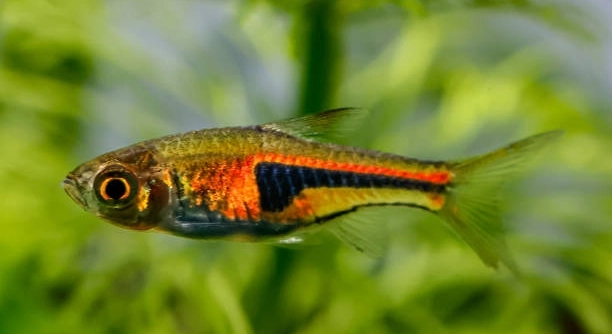
Keeping a community of rasboras healthy requires attention to more than just feeding schedules. Many small changes in their environment or care can affect the harmony of the tank. Understanding these influences is key to maintaining balance.
Several factors can disrupt rasbora balance, including water quality fluctuations, improper tank mates, overcrowding, inconsistent feeding, temperature variations, poor filtration, and sudden changes in lighting. Each of these elements can create stress, illness, or aggression among the fish.
Even minor adjustments in care routines can make a significant difference. Recognizing these key issues early will help preserve a peaceful and thriving aquarium environment for your rasboras.
Water Quality Fluctuations
Maintaining stable water conditions is essential for rasboras. Sudden changes in pH, ammonia, or nitrate levels can stress the fish and make them more prone to illness. Even minor variations in hardness or temperature may impact their behavior and feeding habits. Frequent testing and partial water changes help keep conditions steady. Avoid introducing untreated tap water directly, as chlorine and other chemicals can harm the fish. Observing the tank daily for signs of cloudiness or odor also helps identify potential issues early. It is important to acclimate new fish slowly to prevent shock from differing water parameters. Over time, consistent water maintenance fosters a calm environment where rasboras can swim freely and socialize without unnecessary stress. Regular monitoring is a simple practice that goes a long way in maintaining balance and promoting the health of all tank inhabitants.
Stable water quality ensures rasboras remain healthy and reduces stress-induced behavior, aggression, and susceptibility to diseases.
Proper filtration and regular cleaning routines help remove waste buildup and toxins. Overfeeding can worsen water quality, so portion control is key. Healthy plants can also support natural filtration.
Overcrowding
Too many fish in a tank can lead to constant stress and limited swimming space. Overcrowding increases competition for food and oxygen, making rasboras more vulnerable to disease.
Overcrowded conditions disrupt social dynamics. Aggression may rise, and weaker fish may be bullied or chased away from feeding areas. Overcrowding also increases waste production, straining filtration systems and causing rapid water quality deterioration. The constant lack of space limits natural swimming patterns and prevents proper exercise, affecting overall health and coloration. Tank plants may struggle, and territorial behaviors become more common, creating a tense environment. For a balanced rasbora community, it is important to follow recommended stocking levels based on tank size. This allows each fish enough room to swim, hide, and interact comfortably. Observing their behavior regularly helps identify when the tank is reaching capacity, ensuring timely adjustments. Keeping the population within safe limits fosters harmony, healthier fish, and a more visually appealing aquarium.
Improper Tank Mates
Rasboras are peaceful fish and do not do well with aggressive or larger species. Choosing compatible tank mates is essential to prevent stress, injuries, and territorial disputes.
Aggressive fish can intimidate rasboras, causing them to hide constantly or lose appetite. Even semi-aggressive species may outcompete them for food, leading to malnutrition or stunted growth. When selecting tank mates, consider fish that thrive in similar water conditions and exhibit calm behavior. Small tetras, corydoras, and other peaceful schooling fish often make suitable companions. Observing interactions during the first few days is important, as subtle stress signs can appear quickly. A well-planned community ensures rasboras can swim freely, maintain natural schooling patterns, and remain active without constant fear.
Introducing new fish requires careful acclimation to reduce stress for all inhabitants. Quarantining newcomers helps prevent disease introduction, and monitoring their behavior ensures compatibility. Consistent observation allows for early intervention if conflicts arise, maintaining a stable and healthy environment for rasboras.
Inconsistent Feeding
Rasboras need a regular feeding schedule to stay healthy and active. Skipping meals or overfeeding can upset their balance.
Overfeeding can lead to water quality issues and obesity, while underfeeding may weaken their immune system. A consistent routine with small, frequent portions is ideal. Using high-quality flakes, pellets, or frozen foods ensures balanced nutrition. Variety in their diet promotes vibrant coloration and growth. Uneaten food should be removed promptly to prevent decay. Feeding at the same times daily helps rasboras anticipate meals, reducing stress and competition during feeding. Monitoring their response to food portions helps adjust the amount and frequency effectively. A predictable feeding schedule supports both physical health and social behavior, allowing rasboras to thrive in a stable environment.
Temperature Variations
Rasboras are sensitive to sudden temperature changes. Fluctuating water can stress them and make them prone to illness.
Using a reliable heater and thermometer helps maintain a steady temperature. Avoid placing the tank near drafts, windows, or direct sunlight that can cause spikes.
Poor Filtration
A weak or clogged filter cannot remove waste efficiently. This leads to ammonia and nitrate buildup, harming rasboras. Regular cleaning and choosing the right filter for tank size are essential. Proper filtration supports clear water, oxygen levels, and overall fish health, reducing stress and disease risk.
Sudden Lighting Changes
Abrupt changes in lighting can startle rasboras. Consistent light schedules with gradual adjustments maintain their natural rhythm and calm behavior.
FAQ
What is the ideal water temperature for rasboras?
Rasboras thrive in water temperatures between 72°F and 79°F (22°C–26°C). Maintaining a consistent temperature within this range reduces stress and supports healthy metabolism. A reliable aquarium heater and thermometer are important tools, and sudden fluctuations should always be avoided to keep fish calm and active.
How often should I change the water?
Partial water changes of 20–30% once a week are generally recommended. This helps remove waste, toxins, and excess nutrients that can harm fish. Over time, consistent changes maintain water clarity and stability in pH, hardness, and other parameters. Clean water promotes strong immunity and proper schooling behavior.
Can rasboras live with other fish?
Yes, but only with peaceful, similarly sized fish. Avoid aggressive species that may bully or injure them. Small tetras, corydoras, and guppies usually make compatible tank mates. Observe interactions carefully, especially during the first few days, to ensure harmony and prevent stress.
What should I feed my rasboras?
Rasboras need a varied diet of high-quality flakes, pellets, and occasional frozen or live foods. Feeding small amounts two to three times daily helps prevent overfeeding and maintains water quality. Remove uneaten food promptly to avoid decay and toxins in the tank.
How can I prevent overcrowding?
Follow recommended stocking levels based on tank size, generally one inch of fish per gallon of water. Overcrowding increases stress, reduces oxygen availability, and can lead to aggression. Observing the behavior of fish and adjusting the population when necessary helps maintain a balanced community.
Why are rasboras hiding constantly?
Hiding can indicate stress caused by water quality, improper tank mates, or sudden environmental changes. Check for stable water parameters, compatible fish, and adequate hiding spots like plants or decorations. Reducing disturbances and maintaining routine care encourages fish to swim more openly.
How do I know if my rasboras are stressed?
Signs of stress include loss of appetite, faded coloration, erratic swimming, or staying at the bottom of the tank. Stress can be caused by poor water conditions, overcrowding, or aggressive tank mates. Regular monitoring, proper maintenance, and consistent feeding routines help reduce stress and promote health.
Is it necessary to quarantine new fish?
Quarantining new fish for at least two weeks is highly recommended. This prevents introducing diseases or parasites into the main tank. Observe the newcomers for signs of illness and treat them if necessary before introducing them to your established community to ensure safety for all fish.
Can plants help maintain rasbora balance?
Yes, live plants improve water quality by absorbing excess nutrients and providing natural hiding spots. They also reduce stress and create a more natural environment. Choosing fast-growing, hardy plants like Java fern or Anubias ensures stability without excessive maintenance.
How do I maintain consistent lighting?
Use a timer to provide a regular light cycle, typically 8–10 hours daily. Gradual adjustments in lighting during changes prevent stress. Sudden bright or dim conditions can cause fear, hiding, and erratic swimming, while consistent light supports natural behavior and overall well-being.
What should I do if water quality drops?
Perform a partial water change immediately and test for ammonia, nitrite, and nitrate levels. Adjust filtration or reduce feeding if necessary. Removing debris and vacuuming the substrate can help stabilize conditions. Consistent maintenance prevents long-term issues and keeps rasboras healthy and active.
How often should I clean the filter?
Clean the filter once a month or as needed, depending on tank size and stocking levels. Rinse media with tank water to preserve beneficial bacteria. Avoid harsh chemicals that could harm bacteria essential for breaking down waste and maintaining a balanced environment.
Can rasboras adapt to small changes in temperature?
Minor, gradual temperature changes are usually tolerated, but sudden shifts can cause stress or illness. Adjust water temperature slowly using a heater or by mixing water during changes. Monitoring behavior during adjustments ensures fish are coping well and remain active and healthy.
How do I prevent aggression in the tank?
Provide adequate space, proper tank mates, and hiding spots. Avoid overcrowding, overfeeding, or mixing aggressive species. Monitoring fish behavior regularly allows early intervention if tensions rise. A calm environment encourages schooling, natural swimming patterns, and reduces stress-related conflicts.
Are there signs of disease I should watch for?
Look for white spots, frayed fins, lethargy, or abnormal swimming patterns. Early detection is crucial. Quarantine affected fish and treat with appropriate medication. Maintaining water quality, proper diet, and stress-free conditions helps prevent most common diseases in rasboras.
How important is a consistent feeding schedule?
Very important. Feeding at regular times helps rasboras anticipate meals, reduces competition, and supports proper digestion. Consistent schedules contribute to healthy growth, coloration, and social behavior, while irregular feeding can stress fish and harm tank balance.
Can rasboras live in a bare tank?
Yes, but they thrive better with plants and hiding spots. Decorations and plants reduce stress, provide shelter, and allow natural behavior. Bare tanks may increase aggression or fear responses, so incorporating some structure improves overall health and comfort for the fish.
Is water hardness important for rasboras?
Moderate hardness is ideal. Sudden changes in hardness can stress fish and affect overall health. Testing water regularly and making gradual adjustments when needed ensures rasboras remain healthy and active, supporting proper schooling and natural behavior.
How do I acclimate new rasboras?
Float the bag in the tank for 15–20 minutes to equalize temperature. Gradually mix tank water into the bag over an hour. This reduces shock from differences in water chemistry, ensuring a smooth transition and minimizing stress for the new fish.
What is the best tank size for a small school?
A 20-gallon tank is generally sufficient for a small school of 6–8 rasboras. Adequate swimming space, hiding spots, and proper filtration maintain balance, reduce stress, and support healthy behavior patterns, allowing fish to interact naturally and thrive.
Maintaining a balanced environment for rasboras is all about attention to detail and consistency. Each factor in their tank, from water quality to the choice of tank mates, plays an important role in keeping them healthy and active. Even small issues, like inconsistent feeding or sudden lighting changes, can affect their behavior and overall well-being. By monitoring their environment regularly and making small adjustments as needed, you can create a stable and calm habitat where rasboras feel safe and comfortable. Observing their behavior, swimming patterns, and coloration can give you useful clues about their health and whether any changes are needed. Over time, this careful approach reduces stress, prevents disease, and ensures that your fish continue to thrive in a harmonious setting.
Consistency is particularly important when it comes to water conditions and routine care. Rasboras are sensitive to changes in temperature, pH, and hardness, so maintaining stable levels is essential. Regular water testing, partial water changes, and proper filtration all help prevent harmful fluctuations that can stress the fish. Likewise, a consistent feeding schedule supports both their physical health and social behavior, preventing competition and aggression within the tank. Even the smallest adjustments, such as introducing a heater or timer for lighting, can make a noticeable difference in maintaining a balanced environment. A well-maintained tank with consistent care practices promotes natural schooling behavior, improves coloration, and allows rasboras to move and interact freely, which is crucial for their overall well-being.
Attention to compatibility and population density also contributes significantly to rasbora balance. Overcrowding or choosing aggressive tank mates can quickly disrupt harmony and lead to stress or illness. Providing enough space, suitable companions, and hiding spots encourages healthy social interactions and reduces conflict. Additionally, incorporating live plants and decorations supports a natural environment, improves water quality, and gives the fish areas to explore or rest. Monitoring the tank closely, addressing small issues before they escalate, and following best practices for feeding and maintenance will help maintain long-term balance. By focusing on these key areas, you create an environment where rasboras can thrive, remaining active, healthy, and vibrant for years to come.

Hello,
If you enjoy the content that we create, please consider saying a "Thank You!" by leaving a tip.
Every little bit helps us continue crafting quality advice that supports the health, happiness, and well-being of pets around the world, for pets of all shapes, sizes, and species.
We really appreciate the kindness and support that you show us!