
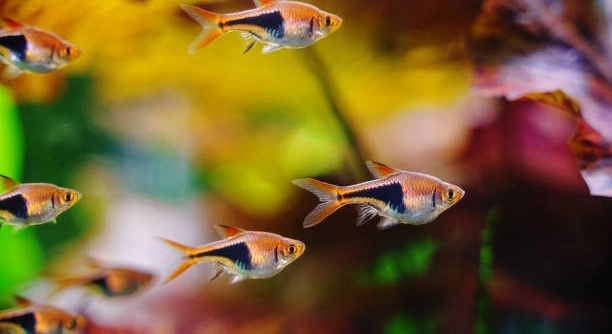
Harlequin rasboras are small, colorful fish that bring life to home aquariums. Their shimmering bodies and peaceful nature make them a favorite among beginner and experienced fish keepers alike. Many enjoy observing their gentle swimming patterns.
Harlequin rasboras are a freshwater fish species native to Southeast Asia. They are known for their distinctive black triangular patch on a bright orange-red body. They thrive in groups, require stable water conditions, and are popular for community aquariums.
Learning about these fish can enhance your aquarium setup. Each fun fact highlights their unique behavior, appearance, and care needs, offering insights that make keeping them even more enjoyable.
The Unique Coloring of Harlequin Rasboras
Harlequin rasboras are instantly recognizable because of their vibrant orange-red bodies and black triangular patch near the tail. This coloring is not only beautiful but also serves a practical purpose. In the wild, the contrast helps them blend into the dappled light of rivers and streams, protecting them from predators. In aquariums, their bright colors make them stand out, especially when kept in groups. The deeper the orange, the healthier the fish generally is, as coloration can reflect overall well-being. Lighting, diet, and water conditions all influence how vivid their colors appear. These small fish can brighten up even a modest tank. They often swim together in tight schools, creating a dynamic display of color and movement. Observing their interactions can be calming, and the patterns they form seem almost choreographed. Caring for their environment properly ensures they maintain these distinctive markings.
Their striking coloration is influenced by diet, lighting, and water quality, making it an important indicator of health and vitality.
Proper care extends beyond color alone. Harlequin rasboras thrive in tanks with gentle filtration, stable temperature, and consistent water parameters. Plants and hiding spots help reduce stress, allowing their natural colors to shine. Watching them navigate their environment offers a subtle but constant reminder of nature’s beauty and balance.
Social Behavior and Schooling
Harlequin rasboras are naturally social fish that prefer groups of six or more.
They form tight schools, moving in synchrony. This behavior reduces stress, makes them feel secure, and improves overall activity. Schooling also creates a captivating display of motion and color that adds liveliness to any tank.
When kept in smaller numbers, rasboras can become shy and less active. Larger groups encourage natural behaviors, including coordinated swimming and subtle interactions like gentle nudging or hovering near tankmates. Their social nature also helps establish a peaceful environment, as they are less likely to become aggressive when in proper company. Observing a healthy school of harlequin rasboras can be quite mesmerizing. The fluid, synchronized movements demonstrate not only their instinctive habits but also the importance of social structures for fish. For aquarists, providing adequate group sizes is crucial for both aesthetic appeal and the overall mental well-being of the fish. Group care also makes feeding easier, as they respond collectively, ensuring everyone receives nutrition and minimizing competition.
Diet and Feeding Habits
Harlequin rasboras eat a mix of flakes, pellets, and live or frozen foods. They enjoy small insects, brine shrimp, and daphnia. Feeding them twice daily keeps them healthy and active. A varied diet also enhances their color and overall vitality in the aquarium.
Providing a balanced diet is essential for harlequin rasboras’ growth and well-being. While they accept high-quality flakes or pellets as staples, adding live or frozen foods stimulates natural hunting behaviors. Foods like bloodworms, brine shrimp, and daphnia are excellent for boosting nutrition. Overfeeding can lead to water quality issues, so offering small portions that they can finish in a few minutes is ideal. Maintaining consistent feeding routines supports their digestive health and keeps them lively in the tank environment.
Harlequin rasboras are opportunistic eaters that benefit from variety. Rotating different types of food prevents boredom and ensures they receive essential vitamins and minerals. Observing their eating habits helps detect health issues early. Healthy fish are more active, show brighter coloration, and interact better with tankmates. Feeding routines can also strengthen subtle bonds in the school, as synchronized feeding promotes calm behavior. This attention to diet contributes directly to their overall quality of life in captivity.
Tank Setup and Environment
Harlequin rasboras need a well-planted tank with calm water, moderate filtration, and plenty of swimming space. They prefer soft, slightly acidic water and temperatures between 72–79°F. Proper decor reduces stress and encourages natural behavior.
A suitable tank environment is crucial for harlequin rasboras’ health and happiness. Live plants, driftwood, and smooth rocks provide shelter and mimic natural habitats, allowing them to explore and hide when needed. Open swimming areas help maintain their schooling behavior and prevent territorial disputes. Lighting should be moderate, avoiding harsh or direct sources that can stress the fish. Temperature and pH stability are key, as fluctuations can weaken their immune system and affect coloration. Monitoring water quality regularly ensures a safe and thriving environment.
Creating a comfortable environment promotes longevity and vitality. Filtration should be gentle to avoid strong currents, while the tank should be spacious enough for a group to move freely. Adding floating plants softens light and adds security, encouraging natural behaviors like schooling and exploring. Regular water changes prevent buildup of toxins, keeping the habitat clean. When the tank is properly maintained, harlequin rasboras exhibit brighter colors, more active swimming, and healthier social interactions. A well-designed setup not only supports their physical needs but also enhances their visible beauty and the overall appeal of the aquarium.
Lifespan and Growth
Harlequin rasboras typically live 4 to 6 years with proper care. They grow slowly, reaching about 1.5 to 2 inches in length. Maintaining stable water conditions and a balanced diet supports their healthy development and longevity.
Growth is gradual, and their body shape and coloration improve as they mature. Juveniles may appear duller, but proper nutrition and a stress-free environment encourage vibrant colors. Observing them over time highlights subtle changes in behavior and appearance, reflecting their health and adaptation to the tank.
Breeding Behavior
Breeding harlequin rasboras requires a separate tank with soft, slightly acidic water and fine-leaved plants. They lay eggs on leaves, and parents should be removed afterward to prevent egg predation.
Peaceful Nature
Harlequin rasboras are calm, non-aggressive fish that coexist well with other peaceful species. Their social schooling behavior minimizes stress and encourages a harmonious tank environment.
FAQ
How many harlequin rasboras should I keep in a tank?
Harlequin rasboras are schooling fish, so it’s best to keep at least six together. Smaller groups can become shy or stressed, affecting their activity and color. Larger schools, around 10–12, are ideal for observing natural schooling behavior and maintaining a peaceful aquarium environment.
What water conditions do harlequin rasboras need?
They thrive in soft, slightly acidic water with a pH around 6.0–7.0 and temperatures between 72–79°F. Stability is crucial, as sudden changes in temperature, pH, or hardness can stress them. Moderate filtration with gentle flow helps maintain clean water without disturbing their swimming patterns.
What should I feed harlequin rasboras?
A balanced diet includes high-quality flakes or pellets, supplemented with live or frozen foods such as brine shrimp, daphnia, and bloodworms. Feeding small portions twice a day prevents overfeeding, keeps water quality high, and promotes vibrant coloration and overall health. Variety also encourages natural hunting behaviors.
Can harlequin rasboras live with other fish?
Yes, they are peaceful and compatible with most small, non-aggressive species. Avoid larger or aggressive tankmates that may stress or harm them. Ideal companions include small tetras, guppies, rasboras, and corydoras. A well-planned community tank promotes healthy interactions and reduces territorial behavior.
How do I breed harlequin rasboras?
Breeding requires a separate tank with soft, slightly acidic water and fine-leaved plants. Males display bright colors and court females, who lay eggs on leaves. Parents should be removed after spawning to prevent eating the eggs. Eggs hatch in 24–36 hours, and fry can be fed infusoria or finely crushed flakes.
Why is my harlequin rasbora losing color?
Color fading often indicates stress, poor diet, or unsuitable water conditions. Check temperature, pH, and hardness, and provide a varied diet with nutrient-rich foods. Ensuring a peaceful tank with proper group sizes and hiding spots helps them regain vibrancy.
How often should I clean their tank?
Partial water changes of 20–30% once a week are ideal. Avoid cleaning everything at once, as it can remove beneficial bacteria. Maintaining clean water reduces stress, prevents disease, and supports healthy coloration and behavior.
What signs indicate a healthy harlequin rasbora?
Healthy fish swim actively in schools, display bright colors, and have clear eyes. They respond to feeding, interact with tankmates, and show no signs of disease, such as clamped fins, spots, or unusual swimming patterns.
How big should a tank be for harlequin rasboras?
A minimum of 20 gallons is recommended for a small school. Larger tanks allow more swimming space, better water stability, and the inclusion of plants and decorations. Proper spacing helps maintain peaceful behavior and natural schooling patterns.
Can harlequin rasboras tolerate hard water?
They prefer softer water but can adapt to moderately hard water if other conditions are stable. Long-term exposure to very hard water may affect coloration and breeding success, so gradual acclimation is necessary if water hardness differs from their ideal range.
How do I prevent diseases in harlequin rasboras?
Maintaining clean water, a balanced diet, and a stress-free environment is key. Quarantining new fish before adding them to the tank prevents introducing infections. Observing daily behavior helps catch early signs of illness, which allows for timely treatment.
Do harlequin rasboras need live plants in the tank?
Live plants are beneficial but not strictly required. They provide shelter, reduce stress, and improve water quality. Fine-leaved plants also offer surfaces for egg-laying during breeding. Floating plants can soften lighting and enhance security for the school.
How fast do harlequin rasboras grow?
Growth is slow, reaching about 1.5–2 inches in 8–12 months. Juveniles are often duller in color, but proper diet, stable water, and schooling encourage healthy growth and vibrant coloration as they mature.
Are harlequin rasboras easy to care for?
Yes, they are considered beginner-friendly fish if water conditions, diet, and group sizes are managed properly. Their peaceful nature, striking colors, and social behavior make them rewarding to keep, while basic maintenance ensures long-term health and happiness.
What are common problems in harlequin rasboras?
Common issues include stress from overcrowding, poor water quality, improper diet, and aggressive tankmates. Color fading, lethargy, or clamped fins are warning signs. Addressing environmental and dietary factors promptly keeps the school healthy and active.
How do I introduce new fish to a tank with harlequin rasboras?
Acclimate new fish slowly to the water conditions. Float their bag in the tank for 15–20 minutes, then gradually mix tank water before releasing them. Observe interactions to ensure peaceful integration and prevent stress or aggression.
Can harlequin rasboras jump out of the tank?
Yes, they are known to jump occasionally, especially when stressed. A secure lid or cover is recommended to prevent accidental escape and ensure their safety in the aquarium.
Do harlequin rasboras need a heater?
Yes, maintaining a stable temperature between 72–79°F is important for their health and activity. A reliable aquarium heater ensures consistent warmth, which supports digestion, coloration, and overall vitality.
How can I tell the difference between male and female harlequin rasboras?
Males are usually slimmer and have a more intense coloration, while females appear rounder, especially when carrying eggs. Observing their shape and color during the breeding season helps distinguish between genders accurately.
Is it okay to keep only one harlequin rasbora?
No, they are social fish and become stressed when alone. Keeping a single fish can lead to hiding, dull coloration, and decreased activity. A small school of at least six ensures natural behavior and a harmonious tank environment.
Can harlequin rasboras live in a small tank?
They can survive in smaller tanks, but minimal space restricts schooling behavior and may increase stress. A larger tank promotes active swimming, healthy social interactions, and better overall well-being.
Do harlequin rasboras need strong lighting?
Moderate lighting is sufficient. Too much light can stress them, while too little may dull their colors. Balanced lighting also supports plant growth if live plants are present, creating a natural and comfortable environment.
How often do harlequin rasboras spawn?
Spawning depends on water quality, diet, and group conditions. With proper care, they can spawn multiple times a year, especially in separate breeding tanks with suitable plants and stable water parameters.
Can they tolerate other water parameters?
While they prefer soft, slightly acidic water, gradual acclimation allows them to adjust to moderately different conditions. Sudden changes can stress them and reduce health, so stability is more important than exact parameters.
Do harlequin rasboras require special equipment?
Basic filtration, a heater, and moderate lighting are sufficient. Optional additions like live plants, driftwood, and hiding spots improve comfort and encourage natural behavior, but no specialized equipment is strictly necessary for keeping them healthy.
How do I monitor their health effectively?
Observe swimming patterns, coloration, appetite, and interactions with tankmates. Regular water testing and partial water changes prevent stress and disease. Early detection of unusual behavior or appearance allows timely intervention.
Are harlequin rasboras active swimmers?
Yes, they are lively and enjoy moving in schools. Providing open swimming space and maintaining proper group sizes ensures they remain active, display natural behaviors, and maintain bright colors throughout the tank.
What is the ideal tank setup for breeding?
A separate tank with soft, slightly acidic water, fine-leaved plants, and low lighting encourages spawning. After eggs are laid, removing the parents prevents predation. Fry require infusoria or finely crushed flakes for the first few weeks.
Can they coexist with bottom dwellers?
Yes, peaceful bottom-dwelling fish like corydoras or small catfish are compatible. Harlequin rasboras occupy mid-level swimming areas, reducing competition while creating a balanced and visually appealing aquarium.
How do I prevent fin nipping or aggression?
Keeping them in proper school sizes and with compatible tankmates minimizes stress and aggression. Avoid overcrowding, provide hiding spots, and ensure peaceful companions for a harmonious tank.
Do harlequin rasboras need frequent water changes?
Weekly partial water changes of 20–30% are recommended. This maintains water quality, reduces toxins, and keeps the fish healthy. Full water changes are unnecessary and can disturb beneficial bacteria in the tank.
What are the signs of stress in harlequin rasboras?
Signs include clamped fins, dull coloration, hiding, erratic swimming, or reduced appetite. Addressing water quality, group size, and diet often alleviates stress and restores natural behavior.
Can harlequin rasboras live in community tanks?
Yes, they are excellent for peaceful community tanks with compatible species. Their calm nature and mid-level swimming make them a visually engaging addition without causing conflict.
Do they require special food for breeding?
High-protein live or frozen foods like brine shrimp and daphnia encourage spawning. Providing a nutrient-rich diet improves egg quality and increases the likelihood of successful fry development.
How fast do eggs hatch?
Eggs usually hatch within 24–36 hours, depending on temperature and water conditions. Fry are tiny and require very fine foods for the first few weeks until they grow enough to accept standard flakes or micro-food.
What plants are best for harlequin rasboras?
Fine-leaved plants like Java fern, moss, or Cabomba provide hiding spots and surfaces for egg-laying. Floating plants soften lighting and create security for the school. Plants also improve water quality and overall comfort.
Can they adapt to low-tech tanks?
Yes, they are hardy and can thrive in low-tech setups with stable water, moderate lighting, and proper diet. Low-tech tanks may limit plant growth but still support healthy behavior and schooling.
Are they sensitive to noise or vibrations?
Yes, sudden vibrations, loud noises, or frequent tapping on the glass can stress them. Keeping the tank in a calm area ensures they remain active, display vibrant colors, and maintain healthy social interactions.
Do they need a specific substrate?
A soft substrate like sand or fine gravel is ideal, especially when live plants are included. It prevents injuries, allows plant roots to grow, and contributes to a natural, comfortable environment for the fish.
How do I tell if they are eating enough?
Active, alert fish that eagerly come to feed and finish portions quickly are well-fed. Uneaten food after a few minutes may indicate overfeeding, which should be adjusted to maintain water quality.
Can they survive without a heater in warm climates?
If ambient temperatures remain consistently within 72–79°F, they may survive without a heater. However, a heater ensures stability, which reduces stress and supports long-term health and coloration.
Do harlequin rasboras need tankmates of the same species?
Yes, keeping them in groups of their own species encourages natural schooling behavior, reduces stress, and allows for active, social interactions, making them more lively and visually appealing.
Can they live in a planted nano tank?
Yes, as long as there is enough swimming space and proper water parameters. Plants provide shelter, and their small size allows them to thrive in compact, well-maintained setups.
How long does it take for harlequin rasboras to settle in a new tank?
Adjustment typically takes a few days to a week. Providing a stable environment, hiding spots, and proper group sizes helps them acclimate quickly and exhibit normal behavior.
Are they prone to specific diseases?
They are generally hardy but can be affected by common freshwater illnesses like ich or fin rot if water quality is poor or stress is high. Preventive care and observation are key.
Do they need supplementary vitamins?
A varied diet with high-quality flakes, pellets, and live foods usually provides sufficient nutrients. Occasional supplementation can support breeding and coloration, especially for fish in smaller or low-variety diets.
Can harlequin rasboras coexist with shrimp or snails?
Yes, peaceful shrimp and snails are compatible. They occupy different levels in the tank and do not compete for food, creating a diverse and balanced environment.
How do I prevent overpopulation?
Controlling breeding is important. Keep males and females separate if not prepared for fry, or remove eggs after spawning. Limiting breeding ensures the tank does not become overcrowded, maintaining water quality and social harmony.
Do they need specific lighting for color enhancement?
Moderate, consistent lighting enhances their natural coloration. Extreme bright or dim light may stress them or dull their colors. Light should also support any live plants in the tank.
Can they survive in cold water for short periods?
Brief exposure to slightly lower temperatures may not be fatal, but prolonged cold stresses them, weakens immunity, and can reduce coloration. Maintaining consistent warmth is best.
Is tank size more important than plant density?
Yes, swimming space is critical for schooling behavior. While plants are important for shelter and comfort, a cramped tank limits activity and increases stress, negatively affecting health and coloration.
How can I encourage natural behavior in a tank?
Provide open swimming areas, plants for hiding, stable water conditions, and proper schooling numbers. Observing and mimicking natural light cycles helps them remain active, healthy, and visually vibrant.
Do they require special water treatments?
Routine dechlorination and occasional mineral adjustments help maintain safe water. Other treatments are typically unnecessary if water parameters are stable and conditions are consistent.
How can I tell if my fish are stressed?
Signs include hiding, clamped fins, dull colors, or erratic swimming. Addressing water quality, tankmates, and group sizes quickly reduces stress and restores normal behavior.
Are harlequin rasboras suitable for beginners?
Yes, with attention to water parameters, diet, and group sizes, they are hardy, peaceful, and rewarding fish that adapt well to home aquariums. They are a reliable choice for those starting out.
Can they live in brackish water?
No, they are strictly freshwater fish. Exposure to salt or brackish conditions can cause stress, health problems, and potentially be fatal. Stable freshwater conditions are essential.
How often should I check water parameters?
Weekly testing of pH, temperature, and hardness is sufficient. Frequent monitoring helps prevent sudden changes that could stress the fish, ensuring a healthy and vibrant aquarium.
Do they need a filter with strong flow?
No, gentle to moderate filtration is preferred. Strong currents can stress them and disrupt schooling behavior. The goal is clean water without creating turbulence.
What is the best diet for fry?
Fry require infusoria or finely crushed flakes for the first few weeks. Gradually, they can transition to small live or frozen foods, supporting growth and development while maintaining health.
Can harlequin rasboras jump over floating plants?
Yes, they can still jump if startled. Floating plants provide security but do not fully prevent leaping. A secure lid is recommended to keep them safe.
Do they interact with tank decorations?
They swim around and occasionally hover near decorations, but are not territorial. Hiding spots reduce stress, encourage exploration, and provide security while maintaining natural behavior.
How important is tank cover for harlequin rasboras?
A secure lid prevents jumping, reduces stress from external disturbances, and ensures safety. It also helps maintain stable water conditions, which supports health and coloration.
Are harlequin rasboras active at all times of day?
They are most active during daylight hours. Observing their swimming and feeding patterns shows natural behaviors, while dim periods allow rest and recovery.
Can they tolerate crowded tanks?
Overcrowding increases stress, reduces swimming space, and can lead to health issues. Proper group size and tank volume are essential for maintaining vibrant, active fish.
Do they need a quarantine tank?
Yes, new fish should be quarantined for 2–3 weeks to prevent disease introduction and allow observation before adding them to the main tank.
Can they live in tanks with fluctuating temperatures?
No, stability is crucial. Frequent temperature changes weaken immunity, stress the fish, and can lead to illness or reduced coloration. Maintaining consistent warmth is essential.
Do they need additional aeration?
If the tank is moderately filtered and stocked appropriately, extra aeration is optional. Air stones can improve oxygenation, but strong currents should be avoided to prevent stress.
How often do I need to feed them?
Feeding twice daily in small portions is sufficient. Overfeeding can pollute the water, while underfeeding may affect health, growth, and coloration. Balanced routines maintain vitality.
Can harlequin rasboras coexist with bettas?
It depends on the betta’s temperament. Peaceful bettas may coexist, but aggressive or territorial bettas can stress or harm them. Monitoring behavior is necessary for compatibility.
Are harlequin rasboras prone to fin rot?
They are susceptible if water quality is poor. Maintaining clean water, stable parameters, and a stress-free environment prevents fin rot and promotes overall health.
Do they need special water conditioners?
Dechlorination is essential, and occasional mineral adjustments help maintain optimal conditions. Other treatments are typically unnecessary with proper care.
Can they live without plants?
Yes, but plants provide shelter, reduce stress, and enhance natural behaviors. Floating or fine-leaved plants improve comfort and aesthetics.
How do I tell if they are happy?
Active swimming, bright colors, regular schooling, and normal feeding habits indicate content, healthy fish. Stress, hiding, or dull coloration suggests adjustments are needed.
Do they require special tanks for breeding?
A small, planted breeding tank with soft, slightly acidic water encourages spawning. Parents should be removed post-spawning to protect eggs and fry.
Can they adapt to tap water?
Yes, if treated and dechlorinated. Gradual acclimation ensures safe transition without stress, maintaining health and coloration.
Do harlequin rasboras need a dark substrate?
Dark substrates enhance their color appearance but are not mandatory. Soft sand or fine gravel is preferred for plant growth and comfort.
Can they live in low-light tanks?
Yes, but bright colors may appear duller. Moderate lighting supports plant growth and natural behavior without stressing the fish.
How do I prevent overfeeding?
Offer small portions that can be eaten within minutes. Remove uneaten food promptly to prevent water quality issues and maintain a healthy environment.
**Are har
Harlequin rasboras are small, peaceful fish that make a colorful addition to any aquarium. Their bright orange-red bodies with the distinctive black triangular patch are instantly recognizable and bring life to a tank. They are social fish that feel most comfortable in groups of six or more, and keeping them in proper numbers encourages natural schooling behavior. This schooling is not only interesting to watch, it also helps reduce stress and keeps the fish more active. Proper care includes maintaining stable water conditions, a moderate temperature range between 72–79°F, and slightly acidic to neutral water. Feeding them a balanced diet of flakes, pellets, and live or frozen foods helps maintain their color, health, and energy levels. Overfeeding should be avoided, as it can lead to water quality problems and impact the fish’s overall well-being. Observing the fish regularly allows you to notice any changes in behavior or appearance, which can indicate health issues early.
A well-prepared tank environment is essential for harlequin rasboras to thrive. They do well in tanks that include live plants, driftwood, and smooth decorations, which provide hiding places and reduce stress. Open swimming spaces are equally important, as these fish enjoy moving together in schools and showing their natural behavior. Filtration should be gentle, avoiding strong currents that can tire them out or make them feel insecure. Partial water changes of 20–30% weekly help maintain clean water and stable parameters, which is crucial for their long-term health. Lighting should be moderate, enough to support plant growth and highlight the fish’s coloration, but not so intense that it causes stress. Even simple decorations like floating plants can provide shelter and a sense of security, making the fish feel more comfortable and confident in their environment.
Breeding, social behavior, and community interactions are also key considerations for keeping harlequin rasboras. They lay eggs on fine-leaved plants or other surfaces, and males often display brighter colors when courting females. Parents should be removed after spawning to protect the eggs, and fry need very small foods like infusoria or crushed flakes until they are large enough for standard foods. These fish are peaceful and coexist well with other small, non-aggressive species, which makes them excellent for community tanks. Maintaining proper group size, diet, water conditions, and a well-arranged tank setup ensures that harlequin rasboras remain healthy, active, and colorful for several years. With consistent care, they are rewarding to keep, offering both visual appeal and enjoyable natural behavior for any aquarium owner.

Hello,
If you enjoy the content that we create, please consider saying a "Thank You!" by leaving a tip.
Every little bit helps us continue crafting quality advice that supports the health, happiness, and well-being of pets around the world, for pets of all shapes, sizes, and species.
We really appreciate the kindness and support that you show us!