
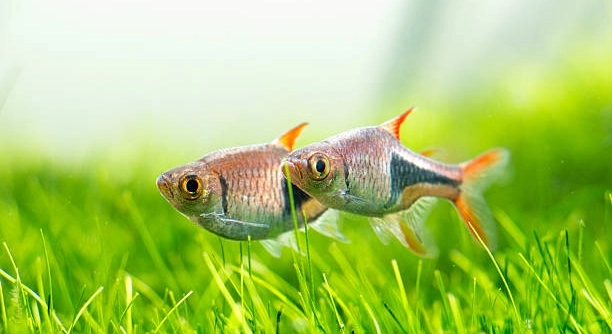
Rasboras are small, colorful freshwater fish often kept in home aquariums. They are peaceful, active swimmers that thrive in stable environments. Their health depends on consistent water conditions, making sudden changes potentially stressful for these delicate fish.
Rasboras can tolerate minor pH fluctuations but are sensitive to sudden or extreme swings. Rapid changes can disrupt their biological processes, weaken immunity, and increase the risk of illness or death. Maintaining stable water chemistry is essential for their long-term survival.
Knowing how pH swings affect these fish is key for any aquarium owner. Proper care ensures a healthy, vibrant environment where rasboras can thrive.
Understanding Rasboras’ pH Preferences
Rasboras naturally live in soft, slightly acidic waters. In captivity, they prefer a pH range between 6.0 and 7.0. While minor deviations are usually tolerated, rapid shifts can stress their systems. Stress affects feeding, swimming patterns, and overall vitality. I’ve noticed that even small swings can make them hide more or appear lethargic. Consistency is more important than hitting an exact number. Testing water regularly helps catch changes early. Using buffers or peat can gently stabilize pH without shocking the fish. Plants and substrate also influence acidity over time, so monitoring every component is crucial. The key is slow, measured adjustments rather than quick fixes. Even with ideal temperature and diet, unstable pH can undermine health. Rasboras are resilient in stable conditions but fragile when the water chemistry fluctuates unexpectedly. Paying attention to their behavior alongside measurements gives a better understanding of their tolerance.
Keeping water steady prevents stress and supports normal behavior, feeding, and coloration.
Even with careful setup, pH can drift over time. Natural processes like decomposition, leftover food, or new decorations can shift acidity. Watching the fish daily and checking parameters weekly ensures they remain healthy. Sudden pH changes often coincide with other factors, like ammonia spikes or improper cycling. Maintaining a regular schedule of water changes, monitoring tap water pH, and avoiding harsh chemicals helps minimize risk. Adjustments should be gradual; even a single-point shift overnight can harm sensitive individuals. Observing subtle behavioral changes often signals early stress, allowing intervention before illness occurs. Over time, stable conditions improve growth, activity, and color vibrancy. Rasboras are small, but their needs are precise, and small errors add up. Proper filtration, gentle aeration, and balanced feeding further reduce stress and maintain equilibrium. With patience and careful observation, keeping rasboras healthy in a home aquarium is entirely achievable.
Signs Your Rasboras Are Struggling
Behavior changes often indicate pH-related stress.
Stress in rasboras shows in subtle ways. Loss of color, sluggish movement, frequent hiding, or erratic swimming can all point to pH issues. Reduced appetite is another common indicator. Immediate steps include checking water parameters, performing partial water changes, and adjusting pH gradually. Observing fish daily helps catch problems early. In addition, tank mates’ behavior can hint at stress.
Addressing pH stress starts with precise measurement. Use reliable test kits to track fluctuations and consider both tap and tank water. Gradual corrections are safer than sudden alterations. Adding natural buffers, like driftwood or peat, can help stabilize pH over time. Keep in mind that water chemistry interacts with temperature and hardness, so comprehensive monitoring is necessary. Ensure that any chemical additives are suitable for rasboras and applied carefully. Maintaining a clean tank with regular maintenance minimizes unexpected swings caused by waste buildup or decaying plant matter. Providing a well-planted environment also naturally supports stable acidity and reduces stress. By combining careful observation, routine testing, and slow adjustments, rasboras can recover from minor pH stress and maintain a healthy, active life.
Preventing pH Swings
Regular water changes help maintain stable pH levels. Avoid adding chemicals abruptly, and test water frequently. Using a consistent source for water reduces sudden shifts caused by variations in tap water or untreated water changes.
Monitoring water parameters daily allows early detection of pH changes. Even small deviations can stress rasboras, so gradual corrections are essential. Introducing natural stabilizers like driftwood or peat moss can buffer pH gently. Avoid overcrowding, as excess waste accelerates pH fluctuations. I always keep a log of measurements, noting how plants, substrate, and decorations affect acidity over time. Maintaining balance between filtration, aeration, and feeding also supports stable water chemistry. Observing fish behavior alongside measurements gives a more complete picture of their well-being.
Temperature and hardness influence pH stability as much as direct chemical changes. Warmer water can accelerate biological processes, shifting acidity faster, while very soft or very hard water alters buffering capacity. Combining consistent temperature, proper filtration, and careful feeding creates a more predictable environment. I’ve found that using slow, controlled adjustments over days or weeks keeps stress minimal. Maintaining a planted tank helps absorb excess nutrients and naturally supports pH balance. Stability allows rasboras to thrive, keeping them active, colorful, and healthy over the long term.
Tools and Techniques for Stability
Test kits are essential for accurate pH readings. Reliable equipment helps track changes over time, preventing surprises that may harm fish.
Using high-quality test kits and regular monitoring ensures precise readings. Automated pH monitors or digital meters provide continuous data for larger setups. Natural buffering agents like driftwood, peat, and mineral-rich substrates can help maintain levels within the preferred range. Combining these with consistent maintenance routines, proper filtration, and gradual water changes reduces sudden swings. I always double-check measurements before making adjustments, as overcorrecting can be as harmful as neglect. Observing rasboras’ behavior complements chemical readings, providing insight into overall health.
Adjusting pH should always be slow and controlled. Sudden changes, even if well-intentioned, cause stress and may lead to illness or death. Using small increments over days is safer than attempting a single correction. I also account for external factors like evaporation, tap water variability, and decomposition of plant matter, which can subtly shift pH. Balancing natural and chemical methods ensures water remains within safe ranges consistently. Proper lighting, temperature control, and moderate stocking further reduce unexpected fluctuations. Documenting changes and responses over time builds understanding of your specific tank dynamics, making long-term stability achievable.
Common Causes of pH Fluctuations
Overfeeding leads to excess waste, which can alter pH quickly. Uneaten food decomposes and produces acids, affecting water chemistry.
Decorations and substrate can slowly change water acidity. Certain rocks or driftwood release minerals, influencing pH over time. Regular monitoring helps catch these gradual shifts before they impact fish.
Feeding and Water Quality
Uneaten food and waste buildup are major contributors to unstable pH. Feeding small portions and removing leftovers promptly reduces organic matter decomposition. Filtration and frequent partial water changes help maintain clean water. I’ve found that combining careful feeding with observation keeps rasboras healthy and stress-free.
Observing Behavioral Changes
Color fading, erratic swimming, and frequent hiding are clear signs of stress from pH instability. Noticing these behaviors early allows for timely intervention to prevent serious health issues.
Adjusting pH Safely
Changes should be gradual and measured, using natural or chemical buffers as needed. Sudden corrections can shock rasboras, so patience is essential for maintaining long-term stability.
FAQ
What is the ideal pH range for rasboras?
Rasboras thrive in slightly acidic to neutral water, ideally between 6.0 and 7.0. Staying within this range supports proper digestion, immune function, and coloration. I’ve noticed that even small, consistent deviations within this range rarely cause stress, while sudden swings outside it create noticeable behavioral changes. Maintaining this pH helps them swim actively, eat consistently, and display vibrant colors.
Can rasboras survive outside their preferred pH range?
They can tolerate minor deviations temporarily, but prolonged exposure to high or low pH causes stress and weakens immunity. Sudden pH swings are particularly harmful, as they shock the system and increase susceptibility to disease. Gradual adjustments allow them to acclimate, minimizing risk. I always correct water slowly over days, rather than trying to fix pH in one change.
How can I prevent sudden pH swings in my tank?
Regular water testing and partial water changes are essential. Using the same water source reduces unexpected variations. Natural buffers like driftwood or peat help stabilize pH gently, while avoiding overfeeding prevents excess waste. I keep a routine, checking parameters weekly and observing my fish’s behavior to catch early signs of stress. Maintaining plants and a proper substrate also reduces chemical fluctuations.
What signs indicate pH stress in rasboras?
Stress manifests in color fading, lethargy, hiding, or erratic swimming. Appetite loss is another strong indicator. I’ve learned to watch their daily behavior closely; subtle changes often appear before visible health problems. Pairing observation with water testing ensures early intervention. Tank mates may also exhibit agitation if conditions are unstable.
Are chemical pH adjusters safe for rasboras?
They can be used, but only with careful dosing. Sudden large changes with chemicals can shock the fish. Gradual adjustments and observing reactions after each change are safer. I prefer natural methods first, but when needed, I apply chemicals in small increments and monitor water chemistry closely.
Does water hardness affect pH stability?
Yes, soft water has low buffering capacity, making it more prone to pH swings. Hard water resists change but can create high alkalinity, which some rasboras tolerate poorly. I always test both pH and hardness to understand the tank’s chemistry and take appropriate measures.
How often should I test the pH in a rasbora tank?
Testing at least once a week is ideal. More frequent checks are needed if introducing new decorations, plants, or water sources. I also monitor after large water changes or if fish show signs of stress. Consistent tracking helps maintain a stable environment and prevents sudden problems.
Can plants help stabilize pH?
Yes, live plants absorb nutrients and reduce waste accumulation, indirectly supporting stable pH. I’ve found that densely planted tanks tend to fluctuate less and offer hiding spots that reduce stress, complementing chemical stability with behavioral benefits.
What’s the safest way to change pH if it’s too high or low?
Gradual adjustments over several days are safest. Small, incremental water changes combined with natural buffers allow rasboras to acclimate without shock. Sudden alterations, even if well-intentioned, can trigger illness. I always measure before and after each adjustment to ensure the shift is within safe limits.
Is it normal for pH to fluctuate slightly throughout the day?
Yes, minor fluctuations can occur due to biological activity, CO₂ levels, and temperature changes. These are usually harmless if gradual. I focus on trends rather than single readings, watching for consistent upward or downward shifts that could indicate a larger problem.
How do decorations and substrate impact pH?
Certain rocks, driftwood, and substrates release minerals that affect water acidity. I consider these factors when setting up a tank and monitor pH closely during the first few weeks. Awareness of how materials interact helps prevent unexpected swings and supports long-term stability.
Can overstocking affect pH stability?
Yes, more fish produce more waste, which accelerates decomposition and pH changes. I maintain moderate stocking levels and ensure filtration is adequate. Observing fish behavior alongside water chemistry helps detect early signs of stress before it becomes serious.
What is the best approach to maintain long-term pH stability?
Consistency is key. Regular monitoring, gradual adjustments, proper filtration, careful feeding, and natural buffers all contribute to stable water chemistry. I track changes, note the effects of plants and substrate, and respond slowly to deviations. Patience and observation ensure rasboras remain healthy and active over time.
This FAQ covers the main concerns about pH management for rasboras, offering practical steps and personal insights to maintain a stable, healthy environment for these delicate fish.
Rasboras are small, delicate fish that depend heavily on stable water conditions for their health and wellbeing. Their sensitivity to pH fluctuations makes careful monitoring essential. Even minor swings can cause stress, affecting feeding, swimming, and coloration. Maintaining a consistent environment is more important than achieving a precise number. Regular water testing and observing fish behavior help detect early signs of instability. Over time, establishing a predictable routine of water changes, proper filtration, and moderate feeding creates conditions where rasboras can thrive. Natural stabilizers like driftwood, peat, and planted tanks further support a healthy pH range while providing a comfortable habitat. I have found that paying attention to small details, such as substrate choice and decorations, can prevent gradual shifts that might otherwise go unnoticed until fish show visible stress.
Preventing sudden pH changes requires patience and consistent care. Rapid adjustments can shock rasboras, weakening their immune systems and increasing the risk of illness or death. Gradual corrections, applied over days or weeks, are far safer and allow the fish to acclimate. Observing subtle behavioral changes, such as hiding, color fading, or irregular swimming, often provides early warnings of pH-related stress before it escalates. Feeding routines play a critical role as well; overfeeding produces excess waste that accelerates pH shifts, while careful portioning reduces decomposition and helps maintain balance. Combining natural and chemical methods cautiously, while maintaining a clean, moderately stocked tank, creates a stable environment. I have noticed that rasboras in consistently managed aquariums display brighter colors, more active swimming, and better overall health, which reinforces the importance of steady care.
Long-term success with rasboras is built on observation, consistency, and gentle intervention. Regular testing, careful monitoring, and slow adjustments help maintain an optimal pH range, while stable temperature and water hardness complement chemical balance. Incorporating plants, suitable substrate, and natural buffers reduces the likelihood of unexpected fluctuations, supporting both chemical stability and behavioral comfort. Consistency in maintenance routines, from water changes to feeding, provides a sense of stability that rasboras respond to positively. I have learned that small, deliberate actions make a significant difference over time, and that sudden changes are often more harmful than minor deviations. With patience, attention to detail, and steady care, rasboras can live long, healthy, and active lives in home aquariums, demonstrating vibrant colors and natural behaviors that reflect a stable and well-maintained environment.

Hello,
If you enjoy the content that we create, please consider saying a "Thank You!" by leaving a tip.
Every little bit helps us continue crafting quality advice that supports the health, happiness, and well-being of pets around the world, for pets of all shapes, sizes, and species.
We really appreciate the kindness and support that you show us!