
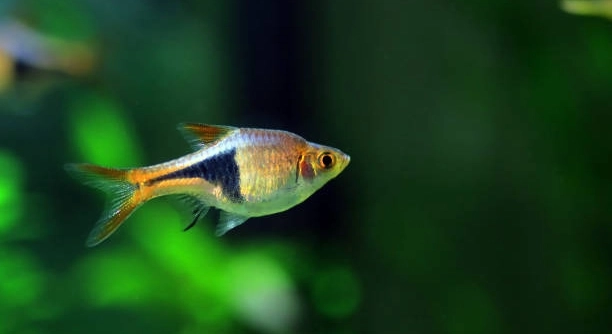
Do you ever notice your Rasboras swimming differently or hiding more than usual in the tank? Observing subtle changes in their behavior can help prevent serious health issues before they worsen. Early detection is important.
Rasboras exhibit a range of hidden signs indicating illness, including changes in coloration, erratic swimming patterns, lethargy, fin damage, bloating, loss of appetite, and abnormal gill movement. Recognizing these signs promptly supports timely intervention and improves survival rates.
Monitoring your fish closely allows you to address problems early, ensuring your Rasboras stay healthy and active in their aquatic environment.
Changes in Coloration
When Rasboras are unwell, one of the first signs can be a noticeable change in their coloration. Healthy Rasboras have vibrant, consistent hues, while illness can cause dullness, fading, or unusual spots. These changes often reflect stress, poor water conditions, or infections. For example, faded colors can indicate a bacterial or parasitic problem, while sudden darkening may signal internal issues. Observing these subtle differences requires regular attention and a well-lit tank. Sometimes, color changes coincide with other symptoms like lethargy or clamped fins. Early recognition allows for timely adjustments to water quality, temperature, or diet. Maintaining a clean environment and balanced nutrition often prevents minor problems from escalating into serious health concerns. Paying attention to patterns in behavior alongside color shifts provides a clearer picture of the fish’s overall condition, making it easier to decide whether intervention is necessary.
Color changes are a reliable early warning sign of illness, especially when paired with abnormal behavior or reduced activity in the tank.
Consistently monitoring your Rasboras’ colors can help detect issues before they become severe. Regularly observe all individuals, noting any sudden dulling, fading, or unusual spots. Changes that appear gradually may be harder to notice but are equally important. Adjusting water parameters, feeding routines, and tank maintenance can address minor stressors early. In more serious cases, treatment may be needed to prevent further deterioration. Documenting color variations over time provides a reference for comparison and helps identify patterns linked to specific conditions. This practice ensures that health problems are caught quickly, keeping the tank environment stable and supportive for your Rasboras’ well-being.
Lethargy and Reduced Activity
Lethargy is a common symptom of illness in Rasboras. A normally active fish that suddenly swims less or hides frequently may be struggling with health issues.
Prolonged inactivity can indicate poor water quality, infections, or nutritional deficiencies. Immediate attention helps prevent worsening of the condition.
Observing lethargy requires consistent monitoring. Healthy Rasboras are energetic, exploring the tank and interacting with other fish. When activity levels drop, subtle signs like slow movement, floating near the surface, or staying at the bottom should be noted. Environmental factors like sudden temperature shifts, high ammonia levels, or inadequate filtration often contribute to inactivity. Nutritional gaps can also reduce energy, so ensuring a varied and balanced diet is crucial. Infections, both bacterial and parasitic, may manifest as sluggish behavior and can spread quickly if left untreated. Quick identification allows for water adjustments, dietary improvements, or medical intervention. Keeping a journal of activity patterns helps track changes and confirms whether treatments are effective, ensuring Rasboras regain normal energy levels and overall health.
Erratic Swimming Patterns
Erratic swimming is a clear indication that something is wrong with a Rasbora. Sudden darting, spiraling, or difficulty maintaining balance often points to illness or poor water conditions.
This behavior can result from infections, parasites, or issues with the swim bladder. Swim bladder problems may cause the fish to float uncontrollably or struggle to stay upright. Stress from overcrowding or sudden changes in water temperature also contributes to unusual movements. Observing when and how often the fish exhibits these patterns helps identify the underlying cause. Isolating affected individuals can prevent further stress and protect healthy tank mates from potential infections.
Maintaining consistent water quality and avoiding sudden environmental changes are key. Frequent monitoring and proper filtration reduce the likelihood of erratic swimming. Early detection ensures interventions, such as adjusting water parameters or seeking treatment, can restore normal swimming behavior. Consistency in feeding and tank maintenance supports recovery and prevents recurring issues that might compromise overall tank health.
Fin Damage and Fraying
Fin damage is a common sign of stress or disease in Rasboras. Torn, ragged, or clamped fins often indicate bacterial infections or aggressive tank mates.
Rasboras with frayed fins may suffer from fin rot, caused by poor water quality or injuries from other fish. Bacterial infections can spread quickly if left untreated, making prompt intervention necessary. Regular water changes and avoiding overcrowding help prevent fin deterioration. Monitoring interactions between tank mates reduces accidental tearing, while providing hiding spots allows fish to recover safely. Observing changes in fin appearance alongside other symptoms gives a clearer understanding of overall health.
Addressing fin damage involves improving water conditions, isolating affected fish if needed, and applying appropriate treatments. Balanced nutrition strengthens tissue repair, while preventing stressors limits further injury. Consistent care and attention ensure that fins heal fully, restoring normal swimming and appearance. Recognizing fin damage early reduces the risk of complications and supports long-term well-being in Rasboras.
Loss of Appetite
A Rasbora that stops eating may be signaling an underlying health problem. Reduced interest in food is often linked to stress, illness, or poor water conditions.
Even minor changes in feeding habits should be taken seriously. Monitoring diet closely can help identify the cause and prevent further health decline.
Bloating and Swelling
Bloating or swelling in Rasboras can indicate internal infections, constipation, or organ issues. Fish may appear rounder than usual, with a rigid or protruding belly. This symptom often coincides with reduced activity and changes in behavior. Identifying the cause early is essential for proper treatment, whether adjusting diet, improving water quality, or addressing infections with medication. Observing the pattern of swelling and any associated signs helps determine if it is a temporary issue or a serious health concern. Prompt attention ensures recovery and prevents further complications in the tank environment.
Rapid Gill Movement
Rapid gill movement is a sign of respiratory stress. It often indicates poor oxygen levels, high ammonia, or underlying disease affecting the fish’s breathing.
How can I tell if my Rasbora is sick?
Observing behavior, coloration, and physical appearance is the most reliable way to detect illness. Look for faded colors, clamped fins, bloating, erratic swimming, lethargy, and changes in gill movement. Regular monitoring helps catch problems early. Subtle differences, like reduced feeding or minor fin fraying, can indicate early-stage issues. Documenting patterns over time makes it easier to notice sudden deviations from normal behavior.
What causes Rasboras to become ill?
Illness often stems from poor water quality, sudden temperature changes, or overcrowding. Bacterial, fungal, and parasitic infections are common in neglected tanks. Stress weakens the immune system, making Rasboras more vulnerable. Uneven diets or contaminated food can also contribute. Preventing these factors is key to keeping them healthy. Proper filtration, regular water changes, and maintaining a balanced diet reduce risk significantly.
How do I treat fin rot in Rasboras?
Fin rot is usually bacterial and requires a clean environment. Isolate affected fish in a separate tank and treat with an antibacterial solution. Regular water changes, careful monitoring, and avoiding overcrowding support recovery. Providing high-quality food enhances tissue repair. Persistent cases may require stronger medication. Prevention is easier than treatment, so maintaining tank hygiene is crucial.
Why is my Rasbora swimming erratically?
Erratic swimming can indicate stress, swim bladder issues, or infections. Sudden darting, spiraling, or floating struggles often point to a physical problem or poor water conditions. Observing when and how often it occurs helps determine the cause. Isolation and water adjustments prevent further harm. Consistent feeding and proper tank maintenance reduce recurrence.
What should I do if my Rasbora stops eating?
Loss of appetite can signal illness, stress, or water problems. Start by checking water quality and temperature. Offer a varied diet to encourage eating. If the fish continues refusing food, monitor for other symptoms like lethargy, bloating, or rapid gill movement. Early intervention prevents worsening health and supports recovery.
How can I prevent Rasbora illnesses?
Maintaining clean water and stable conditions is essential. Perform regular water tests and partial changes. Avoid overcrowding and ensure proper filtration. Provide a balanced diet rich in nutrients. Monitor fish behavior daily for early warning signs. Quarantine new fish before introducing them to the tank to prevent infections. Consistency and careful observation reduce the risk of common diseases.
When should I seek professional help for my Rasbora?
If symptoms persist despite correcting water conditions, feeding properly, or isolating affected fish, consulting an aquatic veterinarian is advised. Severe fin rot, prolonged lethargy, bloating, or visible parasites require expert attention. Early professional intervention can prevent fatalities and guide effective treatment strategies.
Can stress make Rasboras sick?
Yes, stress weakens the immune system, making Rasboras more susceptible to disease. Causes include overcrowding, incompatible tank mates, sudden changes in water parameters, and poor diet. Minimizing stress through a stable environment and proper care supports long-term health and reduces the likelihood of illness.
How long does it take for a sick Rasbora to recover?
Recovery time varies depending on the illness and response to treatment. Minor issues like slight color fading or mild lethargy may improve within days. Severe infections, fin rot, or swim bladder problems can take weeks. Prompt attention, proper treatment, and optimal tank conditions shorten recovery periods.
Is it normal for Rasboras to show multiple signs of illness at once?
Yes, illnesses often present with multiple symptoms simultaneously. For example, fin damage may coincide with lethargy, bloating, and faded colors. Observing all signs together helps identify the underlying cause and informs the appropriate corrective actions to restore health.
What role does water quality play in Rasbora health?
Water quality is critical. High ammonia, nitrite, or nitrate levels can stress fish, cause disease, and damage organs. Consistent testing and proper filtration maintain a safe environment. Even minor fluctuations in temperature or pH can trigger illness. Keeping water parameters stable ensures overall health and longevity for Rasboras.
Can diet prevent Rasbora diseases?
A balanced diet supports immune function and overall well-being. Feeding a mix of high-quality flakes, frozen, or live food provides essential nutrients. Avoid overfeeding, which can pollute water and promote illness. Nutrition combined with proper tank care significantly reduces susceptibility to common health problems.
What signs indicate a serious illness requiring urgent action?
Serious illnesses manifest as extreme lethargy, continuous loss of appetite, severe bloating, persistent erratic swimming, rapid gill movement, or visible parasites. Immediate isolation and intervention are necessary. Prompt treatment increases survival chances and prevents disease from spreading to other tank inhabitants.
How can I monitor my Rasboras effectively?
Daily observation is key. Note changes in swimming patterns, appetite, coloration, and fin condition. Keep a small journal if needed. This tracking allows early detection of abnormalities. Compare behaviors over time to identify subtle signs that may indicate developing illness. Consistent monitoring is crucial for long-term health.
Are some Rasboras more prone to illness than others?
Yes, younger fish, newly introduced specimens, or stressed individuals are more vulnerable. Genetics and previous health conditions also play a role. Providing optimal tank conditions, balanced diet, and gentle handling helps reduce risks and supports resilience against common diseases.
Caring for Rasboras requires careful attention to their behavior, physical appearance, and environment. These small, active fish are sensitive to changes in water quality, temperature, and diet, making it important to maintain consistent conditions in the tank. Observing subtle changes such as fading colors, clamped fins, bloating, or lethargy can help identify potential health issues early. Even small differences in swimming patterns or appetite can signal that something is wrong. By noticing these signs promptly, it is possible to prevent minor problems from developing into serious illnesses. Regular monitoring, combined with proper tank maintenance, creates a safer and healthier environment for your Rasboras, helping them thrive over time.
Providing a balanced and varied diet is another essential aspect of keeping Rasboras healthy. High-quality flakes, frozen foods, and occasional live foods supply necessary nutrients to support their immune system and overall vitality. Overfeeding should be avoided, as excess food can pollute the water and increase the risk of disease. Additionally, ensuring proper tank conditions, including stable temperature, adequate oxygenation, and clean water, reduces stress, which is a major contributor to illness. Stressful conditions make Rasboras more susceptible to infections and other health problems. Implementing regular water testing, partial water changes, and a proper filtration system is a straightforward way to maintain water quality and minimize potential threats to their well-being.
Early detection and timely action are key to supporting a Rasbora’s long-term health. Isolating affected individuals, adjusting tank conditions, and providing appropriate treatment when needed can prevent the spread of disease and improve recovery outcomes. Paying close attention to their environment, behavior, and diet allows you to identify problems before they escalate. Over time, these practices not only keep Rasboras healthy but also help you understand their natural habits and needs better. Consistency, careful observation, and a proactive approach create a stable and supportive environment, ensuring your Rasboras remain active, vibrant, and thriving in their tank.

Hello,
If you enjoy the content that we create, please consider saying a "Thank You!" by leaving a tip.
Every little bit helps us continue crafting quality advice that supports the health, happiness, and well-being of pets around the world, for pets of all shapes, sizes, and species.
We really appreciate the kindness and support that you show us!