
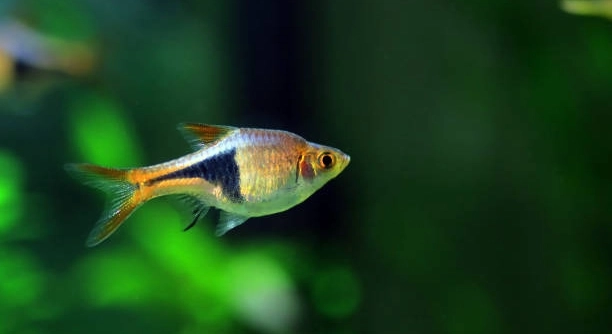
Rasboras are small, colorful fish that brighten up many home aquariums. Their playful movements and social behavior make them interesting to observe. Fish enthusiasts often notice patterns in how they interact within their groups.
Rasboras have the ability to recognize each other within a school. Studies show they can identify familiar individuals based on visual cues and behavior, which helps maintain social bonds and reduces stress in their communal environment.
Understanding how rasboras identify one another can improve aquarium management and enhance the wellbeing of your fish in a shared habitat.
How Rasboras Communicate in Groups
Rasboras rely heavily on visual cues to communicate with one another. Their bright colors and specific swimming patterns help them signal intentions, such as when they feel threatened or when they are feeding. These fish often form tight schools, moving in unison to create safety through numbers. By observing these patterns, you can see which individuals are more dominant and which are more passive. Movement synchronization also helps reduce stress within the group, allowing rasboras to feel secure. Even small changes in lighting or tank layout can affect how they interact. Feeding times are particularly revealing, as familiar individuals often stick close together, showing preference for certain companions. Their subtle behaviors, such as slight nudges or positioning, indicate recognition and social bonding. Over time, owners can begin to notice consistent pairings or small groups within the school. These patterns highlight how complex and observant rasboras are despite their small size.
Recognizing communication cues among rasboras improves tank management and ensures all fish thrive without unnecessary conflict or stress.
Observing rasboras in their tank reveals layers of social behavior. Some fish consistently stay near each other, forming mini-groups, while others keep a careful distance. Their swimming direction, speed, and position indicate how they establish hierarchy and familiarity. By paying attention to these signals, you can understand which fish prefer each other, who leads the school, and who follows. Even slight changes in tank arrangement or feeding methods may alter their interactions. Noticing these dynamics makes caring for them easier and more rewarding. You may also see how these patterns shift over time, reflecting changes in social bonds or stress levels. Tracking these behaviors can help predict potential conflicts, ensure equitable feeding, and maintain harmony in the tank. The more consistent your observations, the more accurate your understanding of how rasboras recognize and respond to one another.
Visual Recognition Among Rasboras
Rasboras can visually distinguish familiar companions from strangers. Their eyes are sensitive to color and movement, aiding recognition.
Visual recognition is essential for maintaining stability in a school. Fish use color patterns, body shape, and swimming behavior to identify individuals. Familiar fish are often seen swimming close together, following each other, or mirroring movements. This recognition reduces aggression and stress, allowing the school to function as a cohesive unit. Unfamiliar fish may be initially avoided or observed cautiously until they are accepted. The ability to recognize individuals ensures that social bonds remain strong, which is crucial for feeding and protection. Over time, fish adjust their behavior based on past interactions, showing memory and preference. Recognizing patterns of familiarity can guide aquarium setup, such as grouping compatible fish and monitoring interactions during changes. By understanding how rasboras visually identify each other, you can create an environment that supports natural behavior, reduces conflicts, and promotes overall wellbeing. Consistent observation helps maintain these social structures and ensures a balanced, healthy tank environment.
Social Hierarchy in Rasboras
Rasboras establish a clear social hierarchy within their schools. Dominant fish often lead movements, while others follow. This structure reduces conflict and helps maintain group cohesion. Fish that recognize familiar companions show more predictable behavior, sticking closer to preferred individuals and avoiding unnecessary aggression.
Observing social hierarchy in a rasbora school provides insight into their daily behavior. Dominant fish usually position themselves at the front during swimming and feeding, setting the pace for others. Subordinate fish stay at the edges or follow leaders closely, relying on the group for guidance. Familiar pairs often form, showing loyalty and preference, which is visible through consistent swimming patterns and positioning. Recognizing these dynamics helps in arranging compatible groups and managing tank space effectively. These behaviors reflect their natural instincts for safety and social stability, which are crucial for maintaining a healthy, stress-free environment.
Understanding hierarchy also improves feeding routines and interactions within the tank. Dominant fish tend to access food first, but familiar groupings help ensure all members eat adequately. Subordinate fish adapt their approach, often waiting their turn or feeding in less crowded areas. Familiarity allows certain fish to share space more peacefully, reducing stress-related behavior like chasing or hiding. Monitoring these patterns can prevent minor conflicts from escalating and helps identify any individuals struggling to integrate into the school. Creating opportunities for all fish to engage safely with companions ensures a balanced social structure, contributing to overall tank harmony and wellbeing.
Memory and Familiarity in Rasboras
Rasboras have strong memory skills, allowing them to recognize individuals over time. This ability influences their behavior and social interactions in the tank.
Memory plays a key role in how rasboras maintain relationships. Fish that frequently interact become familiar and are often seen swimming together. These bonds reduce stress and improve cooperation during feeding and movement. Unfamiliar fish may be observed cautiously until trust is established. Over repeated encounters, rasboras remember companions, adjusting behavior based on past interactions. This recognition is essential for their comfort in communal settings, guiding how they interact with both dominant and subordinate members. Memory also helps them navigate their environment efficiently.
Familiarity among rasboras affects their overall wellbeing. Fish that recognize companions show more stable behavior, spending time near preferred individuals. This reduces erratic swimming and aggression, creating a calmer tank environment. When introducing new fish, memory influences how quickly they integrate, with initial cautious behavior gradually giving way to acceptance. Familiar groups form mini-alliances, supporting one another during feeding and avoiding stressful encounters. These social bonds are maintained over weeks or months, demonstrating long-term recognition abilities. Monitoring memory-driven interactions can help ensure a harmonious tank, guiding decisions about group size, tank layout, and feeding strategies, ultimately supporting the health and happiness of all residents.
Recognition Through Behavior
Rasboras often recognize each other through repeated behaviors. Swimming patterns, feeding habits, and positioning within the school signal familiarity. Fish that share routines tend to stick together, forming smaller subgroups within the larger school.
Subtle gestures like nudging or mirroring movements help rasboras identify companions. These behaviors reinforce bonds and reduce tension within the group, ensuring smoother interactions and stable social dynamics over time.
Impact of Tank Environment on Recognition
Tank size, decorations, and hiding spots influence how well rasboras recognize each other. Crowded or poorly structured tanks can hinder social interactions, while well-planned spaces allow fish to establish clear social bonds and maintain familiar groupings naturally. Proper layout supports healthy behavior and recognition.
Feeding Patterns and Familiarity
Rasboras show stronger recognition when feeding. Fish often eat near familiar companions, following their movements. This predictable behavior reinforces memory and social bonds.
FAQ
Can rasboras remember each other after being separated?
Yes, rasboras have a surprisingly strong memory for familiar companions. Even after separation, they can recognize fish they were previously housed with. When reunited, familiar pairs often stick together, showing calmer and more coordinated swimming compared to interactions with unfamiliar fish. This recognition reduces stress and helps maintain social bonds within the school.
How do I know if my rasboras recognize each other?
Observation is key. Fish that are familiar often swim together, mirror movements, or share feeding spots. They show less chasing and aggression toward companions they recognize. Subtle gestures like nudging or following indicate comfort and established social bonds. Over time, these patterns become consistent and predictable.
Do all rasboras have the same recognition ability?
Recognition can vary between individuals. Some fish are more social or attentive, forming stronger bonds, while others may be more solitary or cautious. Factors such as age, health, and prior experiences can influence recognition skills. Even in the same school, patterns of familiarity may differ between pairs or small groups.
Can adding new rasboras affect recognition?
Introducing new fish can temporarily disrupt social bonds. Established pairs may initially avoid newcomers, while cautious fish observe before interacting. Over time, recognition develops, and the group settles into a stable hierarchy. Providing adequate space and hiding spots helps reduce stress and supports smoother integration of new members.
Does tank size impact recognition?
Yes, tank size influences social behavior. Small or overcrowded tanks can limit movement and reduce opportunities for fish to establish bonds. Larger tanks with proper structure allow fish to choose companions, form subgroups, and reinforce recognition patterns naturally. Adequate space reduces stress and encourages healthier social interactions.
Do rasboras recognize fish from other species?
Recognition is generally limited to their own species. Rasboras rely on visual cues, color patterns, and behavior that are specific to their species. While they may notice and react to other species, the bonds formed and recognition behaviors are strongest with familiar rasboras.
How long does it take for rasboras to recognize each other?
Recognition can occur within days to weeks, depending on the environment and individual personalities. Frequent interaction, shared routines like feeding, and consistent tank conditions speed up recognition. Familiar pairs or small groups quickly develop predictable patterns of swimming, feeding, and resting together.
Can stress affect recognition?
Yes, stress can temporarily disrupt recognition behaviors. Factors like sudden changes in water conditions, overcrowding, or aggressive tank mates can make fish more cautious or reactive. Once conditions stabilize, familiar fish resume normal social behaviors and re-establish their recognition patterns.
Does age influence recognition in rasboras?
Younger fish are generally more adaptable but may take longer to form stable bonds. Older or more mature rasboras often have established social skills and show clearer recognition patterns. Both age groups can recognize companions, but the speed and clarity of recognition may differ.
Is recognition necessary for their wellbeing?
Yes, recognizing familiar companions reduces stress, prevents unnecessary aggression, and allows for smoother group interactions. Fish that form bonds feel safer and feed more efficiently. Maintaining stable social groups contributes to overall health, encouraging natural behavior and reducing risk of illness.
Can I enhance recognition in my tank?
Consistency helps. Keeping stable groups, avoiding sudden tank changes, and ensuring adequate space and hiding spots encourages recognition. Feeding at regular times and observing pairings or subgroups helps strengthen bonds. Over time, fish naturally establish familiarity, supporting a calmer, well-structured school.
Do visual cues matter more than other senses?
Yes, visual cues are the primary method for rasboras to recognize each other. Color patterns, swimming behavior, and positioning within the school are key signals. Other senses, like chemical cues, play a smaller role but may assist in reinforcing familiarity, especially in larger tanks.
Can rasboras recognize individuals by behavior alone?
Behavior is a strong indicator. Fish that consistently swim together, follow each other, or share feeding spots are likely recognizing companions based on habits. Behavioral recognition complements visual cues, allowing fish to maintain social bonds even in changing environments.
Are some rasboras more likely to form long-term bonds?
Yes, individual personalities influence bond strength. Social or dominant fish tend to form stable relationships, while shy or solitary individuals may have weaker or shorter-lived connections. Observing interactions over time can reveal which fish maintain lasting bonds and which are more transient in their social preferences.
Does lighting or tank decoration affect recognition?
Lighting and decor can influence how easily fish see each other. Poor lighting or excessive hiding spots may make recognition slower or less obvious. Clear visibility and structured spaces allow fish to establish bonds and maintain familiarity effectively, supporting normal social behavior and reducing stress.
How do feeding routines support recognition?
Consistent feeding routines strengthen recognition. Fish learn who is nearby, who shares space, and who moves together during meals. Familiar companions often feed side by side or follow one another’s movements, reinforcing memory and social bonds within the school.
What happens if a recognized companion is removed?
Removal of a familiar fish can temporarily increase stress or alter behavior. Remaining fish may search for the absent companion or adjust their positions within the school. If the fish returns, recognition resumes, and normal social patterns are quickly restored.
Can recognition reduce aggression in the tank?
Yes, familiar companions are less likely to engage in aggressive behavior. Recognizing individuals reduces uncertainty, helps establish hierarchy peacefully, and allows the school to move and feed in coordination without constant conflict. This contributes to a stable and healthy tank environment.
Do rasboras show favoritism toward certain companions?
Yes, some pairs or small groups form stronger bonds and spend more time together. These preferences are visible in swimming patterns, resting spots, and feeding behavior. Favoritism strengthens social stability and reduces stress, particularly in larger schools where individual recognition plays an important role.
Does recognition affect reproduction?
Familiarity can influence breeding behavior. Fish that recognize each other may be more comfortable engaging in courtship and spawning. Reducing stress through stable groups allows natural reproductive behaviors to occur, supporting successful breeding in a home aquarium.
Can environmental changes reset recognition?
Significant changes like tank rearrangement, water condition shifts, or introducing new fish may temporarily disrupt recognition. Familiarity may need to be re-established as fish adapt. Gradual changes and maintaining stable companions help preserve recognition and social bonds.
Are recognition behaviors observable in all rasbora species?
Most species display recognition behaviors, but the intensity varies. Schooling species, in particular, rely heavily on recognition for social stability. Even less social species show signs of familiarity, although bonds may be less apparent or shorter-lived compared to tightly schooling rasboras.
How long do recognition memories last?
Recognition memories can persist for weeks to months. Fish remember companions, preferred positions, and routines. Consistent interaction reinforces these memories, ensuring that familiar fish continue to recognize each other, which supports social harmony and overall tank health.
Does overcrowding interfere with recognition?
Overcrowding makes it harder for fish to establish bonds. Limited space reduces opportunities to interact with familiar companions and may increase stress or aggression. Providing adequate space ensures fish can maintain social recognition and natural group behavior effectively.
Can recognition reduce stress during tank maintenance?
Yes, familiar companions provide reassurance. When fish recognize each other, they stay close during disturbances like cleaning or water changes. This reduces panic, erratic swimming, and hiding, allowing maintenance to occur with minimal impact on the school’s wellbeing.
Do rasboras form permanent pairs or temporary bonds?
Both occur. Some pairs or small groups form lasting connections, particularly in stable environments. Others are temporary, adjusting as new fish are introduced or as hierarchy shifts. Observing patterns over time reveals which bonds are consistent and which are more fluid.
Are there signs that recognition is not happening?
Signs include constant chasing, aggressive behavior toward all fish, or failure to form small groups. Fish may also hide excessively or appear stressed. Addressing tank conditions, space, and group stability usually helps restore recognition and normal social behavior.
Can recognition influence feeding order?
Yes, familiar companions often coordinate feeding, taking turns or sharing spots peacefully. Dominant fish may still eat first, but recognized partners experience less conflict, ensuring all members of the school receive adequate nutrition.
Does age or maturity affect recognition speed?
Older or more experienced fish tend to recognize companions more quickly, while younger fish may require repeated interactions. Consistent routines and exposure accelerate the development of recognition, helping fish adapt to social structures in the tank efficiently.
Is recognition more important in small or large schools?
Recognition is crucial in both but becomes more complex in larger schools. Maintaining familiarity helps reduce stress, prevent aggression, and coordinate group movement, which is essential for safety, feeding, and overall social harmony.
Can rasboras recognize humans or other species?
Recognition is primarily species-specific. While they may react to humans or other fish, strong social bonds and recognition behaviors are typically reserved for familiar rasboras. Interactions with humans may develop routine-based responses but do not replace fish-to-fish recognition.
How can I encourage stronger recognition in my tank?
Stable groups, consistent feeding routines, adequate space, and structured environments promote recognition. Observing pairings and respecting social bonds supports long-term familiarity, reducing stress and encouraging natural behavior patterns. Over time, fish develop predictable, harmonious interactions.
Are there tools to monitor recognition?
Careful observation is the main method. Keeping notes on pairings, swimming patterns, and feeding behavior helps track familiarity. Video recordings can also reveal subtle patterns missed in casual observation. Tracking these behaviors ensures social stability and supports better tank management.
Can recognition affect health?
Yes, reduced stress from recognizing companions supports immunity, proper feeding, and normal activity. Fish that fail to recognize companions may experience higher stress levels, leading to weaker health and increased susceptibility to disease. Stable recognition is a key factor in maintaining wellbeing.
Does water quality influence recognition?
Poor water quality can interfere with social interactions, making fish more reactive or less attentive. Maintaining clean, stable water conditions ensures fish can recognize companions effectively, reinforcing normal behavior and reducing conflict in the tank.
Do rasboras remember lost companions?
Yes, they may search for absent companions or adjust behavior after loss. Memory allows them to recognize familiar fish if reintroduced, restoring social bonds and reducing stress associated with separation.
Can recognition change over time?
Yes, bonds can strengthen or weaken depending on interactions, environment, and new introductions. Monitoring behavior ensures recognition remains strong and social harmony is maintained within the school.
Is recognition necessary for schooling behavior?
Recognition helps coordinate movement and maintain group cohesion. Familiar fish swim together more efficiently, reducing stress and improving safety. While schooling can occur without recognition, bonds enhance stability and minimize conflicts within the group.
Do male and female rasboras recognize each other differently?
Differences may exist, especially during breeding periods. Males may show more selective recognition based on courtship, while females may prioritize comfort and safety. Both sexes, however, form bonds and recognize familiar companions to maintain social stability.
How can I tell if recognition improves tank harmony?
Fish that recognize companions show calmer swimming, reduced chasing, coordinated feeding, and predictable patterns. Observing these behaviors over time indicates strong recognition and a well-functioning social structure, contributing to overall tank health and stability.
Can recognition affect spawning success?
Yes, familiarity reduces stress and allows fish to engage in natural courtship behaviors. Recognized companions are more likely to cooperate during spawning, improving egg survival and overall breeding success.
Does temperature affect recognition?
Extreme temperature changes can increase stress and temporarily disrupt recognition behaviors. Maintaining stable water temperature ensures fish can continue to recognize companions and interact normally, supporting social stability and wellbeing.
Are there signs of poor recognition in new tanks?
Aggression, hiding, and inconsistent swimming patterns indicate recognition is not yet established. Gradual acclimation, stable groups, and observation help fish adapt, forming bonds and restoring predictable social behavior.
How long does it take for new companions to be recognized?
Integration varies, typically taking days to weeks. Providing space, hiding spots, and consistent feeding allows fish to familiarize themselves, gradually forming bonds and predictable interactions with the rest of the school.
Do environmental enrichments support recognition?
Yes, plants, rocks, and structured spaces allow fish to choose companions, establish territories, and interact naturally. Enriched environments help reinforce familiarity and support calmer, more predictable social behavior.
Can recognition be broken?
Temporary disruptions like stress, illness, or sudden changes may weaken recognition. Consistent conditions and stable companions usually restore bonds, allowing fish to resume normal social patterns.
Is recognition more evident during feeding?
Yes, feeding highlights social bonds. Familiar fish coordinate, share space, and follow one another. This reinforces memory and strengthens recognition, making feeding times a clear indicator of established familiarity.
Can recognizing each other extend lifespan?
Indirectly, yes. Reduced stress, stable social bonds, and coordinated behavior contribute to better health, improved feeding, and lower aggression, supporting overall wellbeing and potentially extending lifespan.
Do rasboras recognize individual personalities?
Yes, fish observe traits like dominance, shyness, and activity level. Recognition helps them adapt interactions, avoid conflict, and maintain harmonious social dynamics within the school.
Does familiarity affect movement patterns?
Familiar fish swim closer together, mirror movements, and follow predictable routes. This coordination reduces stress, ensures safety, and strengthens recognition within the group.
Can recognition influence hiding behavior?
Yes, fish are more likely to share hiding spots with familiar companions. This reduces stress, reinforces social bonds, and maintains a balanced, harmonious school dynamic.
Is recognition learned or instinctive?
Both. Instinct drives basic social behavior, while repeated interactions and memory reinforce recognition over time. Fish learn who is safe, preferred, or compatible through observation and experience.
Does recognition help in larger mixed-species tanks?
Yes, even in mixed tanks, rasboras maintain bonds with familiar conspecifics. Recognition ensures safety, reduces stress, and supports predictable behavior despite the presence of other species.
Can recognition be measured scientifically?
Yes, researchers track swimming patterns, proximity, feeding order, and repeated interactions. Consistent behavior over time indicates recognition and helps study social structure and memory in rasboras.
Are there risks if recognition is disrupted?
Disrupted recognition can increase aggression, stress, and feeding conflicts. Maintaining stable groups, adequate space, and consistent routines helps preserve social bonds and reduce negative impacts on health.
Does recognition affect schooling density?
Familiar companions tend to swim closer together, forming tight groups. This coordination improves safety, reduces stress, and allows the school to move efficiently within the tank.
Can stress override recognition?
High stress can temporarily reduce recognition behaviors. Fish may act cautiously or aggressively, ignoring familiar companions until conditions stabilize, at which point recognition usually resumes.
Do rasboras recognize previous tank mates after months?
Yes, long-term memory allows fish to remember companions even after extended separation. Reunited fish quickly resume familiar behaviors, indicating strong recognition skills and social memory.
How important is recognition for overall tank management?
Recognition supports feeding routines, reduces conflict, and maintains stable social dynamics. Understanding these behaviors helps in arranging compatible groups, structuring the tank, and ensuring the health and wellbeing of all fish.
Can recognition influence exploration behavior?
Yes, familiar companions encourage fish to explore together, while unfamiliar fish may provoke caution. Recognition provides security, allowing confident movement and interaction within the tank.
Does recognition vary by time of day?
Patterns may be more noticeable during active periods, such as feeding or daylight hours. Fish coordinate movements and maintain social bonds when most active, reinforcing familiarity.
Can recognition affect growth or development?
Indirectly, yes. Reduced stress, coordinated feeding, and social stability support proper growth and development, contributing to healthier, more active fish.
Is recognition more evident in certain seasons or breeding periods?
During breeding, recognition influences pairing and courtship behavior. Familiarity reduces stress and improves cooperation, supporting successful reproduction and social stability.
Do tank mates affect recognition?
Yes, aggressive or highly active fish can disrupt recognition. Stable, compatible tank mates help maintain bonds, allowing fish to recognize companions and behave predictably.
Can recognition be strengthened with repeated observation?
Yes, consistent interactions reinforce memory and familiarity. Observing swimming patterns, feeding, and resting behavior helps fish maintain social bonds and supports stable, calm behavior in the tank.
Does recognition affect rest or sleeping behavior?
Familiar companions often rest near each other, providing security. Recognition reduces stress during inactive periods, supporting restful behavior and overall wellbeing.
Can recognition impact water circulation or tank placement preferences?
Familiar fish may swim together in preferred areas or currents, coordinating movement and sharing space efficiently. Recognition helps maintain group structure and reduces conflict over preferred zones.
Do recognition patterns change with age?
Patterns can shift as fish mature. Older fish may form more stable bonds, while younger fish may have more fluid or temporary associations. Both groups maintain recognition but with varying intensity.
Can recognition be observed in small tanks?
Yes, but limited space may reduce subtle behaviors. Even in compact tanks, familiar fish show predictable interactions, swimming together, and sharing feeding areas. Proper management enhances recognition even in smaller setups.
Does recognition help with schooling coordination during stress?
Yes, familiar companions provide guidance and reduce panic. Fish coordinate movements, maintain cohesion, and navigate stressful situations more calmly when recognizing each other.
Can recognition be lost due to illness?
Illness can temporarily interfere with recognition. Infected or weakened fish may act differently, avoid companions, or appear disoriented. Recovery usually restores social bonds and recognition behaviors.
Is recognition more noticeable in certain rasbora species?
Yes, species that school tightly display recognition more clearly. Loose or solitary species show subtler forms of familiarity but still recognize companions through behavior and movement patterns.
Can recognition affect aggression toward new fish?
Yes, familiar fish are less aggressive toward each other, but may be cautious or defensive toward newcomers. Stable bonds help mitigate conflict and support gradual integration of new members.
Does recognition influence territory selection?
Familiar fish often share preferred spots peacefully. Recognition reduces territorial disputes and helps establish predictable group dynamics within the tank environment.
Can recognition improve breeding outcomes?
Yes, familiar companions are more comfortable during courtship and spawning. This reduces stress, promotes cooperation, and increases the chances of successful breeding events in captivity.
Does recognition affect activity levels?
Familiar fish often exhibit calmer, coordinated movement. Unfamiliar or stressed fish may swim erratically. Recognition helps regulate activity levels and maintain a balanced social environment.
Can recognition help prevent bullying in the tank?
Yes, knowing companions reduces aggression. Fish are less likely to chase or harass familiar individuals, creating a safer, more stable environment for all members of the school.
Is recognition influenced by feeding type?
Yes, predictable feeding routines reinforce familiarity. Fish learn who is nearby and adjust behavior accordingly, strengthening bonds and reducing competition.
Rasboras are small fish with surprisingly complex social behaviors. They are capable of recognizing familiar companions within their schools, which influences their movement, feeding, and resting patterns. Observing these interactions can reveal subtle bonds, preferences, and group dynamics that are not immediately obvious. Recognition allows the fish to establish predictable routines, reduce unnecessary aggression, and maintain social stability. Over time, pairs or small subgroups form within the larger school, showing preference for familiar companions. These patterns are reinforced by repeated interactions and shared experiences, such as feeding or exploring the tank together. Even minor gestures, like swimming in close proximity or mirroring movements, indicate recognition and comfort. Maintaining a tank environment that supports these behaviors is essential for the overall wellbeing of rasboras. Proper space, structured decorations, and consistent routines give fish the ability to interact naturally and strengthen bonds. By paying attention to these dynamics, owners can ensure a calmer, more harmonious aquarium where stress is minimized and natural behavior is encouraged.
Memory plays a significant role in how rasboras recognize each other. They can remember familiar companions over days, weeks, or even longer periods, adjusting behavior based on past interactions. When separated and reunited, fish often resume previous relationships, showing preference for companions they recognize. This memory supports social cohesion, allowing individuals to navigate the school efficiently, coordinate feeding, and respond to threats with less stress. Environmental factors such as tank size, lighting, and layout can influence the clarity and speed of recognition. Overcrowded or poorly structured tanks may limit interaction and make it harder for fish to maintain bonds, while well-planned tanks encourage natural social behavior. Recognizing these needs and creating conditions that facilitate familiarity ensures the school functions smoothly. Memory and recognition also play a role during feeding routines. Fish learn who is nearby, share space without conflict, and often coordinate movements when approaching food. These behaviors reinforce bonds and help maintain a balanced social structure.
Recognition in rasboras has practical benefits for tank management and fish health. Fish that know each other tend to experience lower stress, reduced aggression, and more predictable interactions. This stability supports proper feeding, growth, and overall wellbeing. Introducing new fish, changing tank arrangements, or altering environmental conditions can temporarily disrupt recognition, but with time and stable routines, familiarity is usually re-established. Observing how fish interact, noting pairings, and maintaining consistent conditions helps owners support natural behavior and social cohesion. By understanding the importance of recognition, it is possible to create an aquarium that encourages calm, cooperative, and healthy interactions among all residents. This knowledge allows for better care, minimizes conflicts, and ensures that rasboras thrive in a secure and structured environment. Recognition is not just a curiosity—it is a central part of how these fish live and interact, shaping their daily behavior and supporting their overall wellbeing.

Hello,
If you enjoy the content that we create, please consider saying a "Thank You!" by leaving a tip.
Every little bit helps us continue crafting quality advice that supports the health, happiness, and well-being of pets around the world, for pets of all shapes, sizes, and species.
We really appreciate the kindness and support that you show us!