
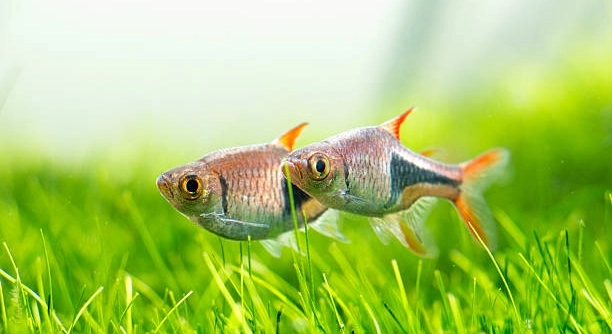
Rasboras are small, active fish that brighten up any aquarium with their shimmering colors and playful behavior. Keeping them healthy and happy requires careful attention to their environment, diet, and overall care routines. Their well-being can be fragile.
Rasboras may lose balance primarily due to swim bladder disorders, water quality issues, or nutritional deficiencies. Stress from sudden environmental changes or infections can also affect their equilibrium, impacting swimming patterns and overall health in a noticeable way.
Understanding these factors can help prevent problems and ensure a stable environment. Learning the signs of imbalance allows for timely care and recovery.
Common Causes of Balance Issues in Rasboras
Rasboras can develop balance problems for several reasons, most often linked to their swim bladder. The swim bladder is an internal organ that helps them maintain buoyancy. Overfeeding, sudden dietary changes, or consuming hard-to-digest foods can put stress on this organ. Poor water conditions also play a significant role. High ammonia, nitrite, or nitrate levels can irritate their internal systems, affecting swimming. Temperature fluctuations may shock their bodies, leading to disorientation. Infections, both bacterial and parasitic, can also interfere with their balance. Sometimes, physical injury or stress from tank mates contributes to these issues. Observing your fish regularly can help you spot early signs before they worsen. Simple adjustments in diet, water quality, and environment often improve their condition over time, reducing the frequency of imbalance and supporting healthier, more natural swimming patterns in the aquarium.
Swim bladder issues and water quality are the most frequent factors affecting Rasboras. Monitoring these can prevent long-term problems effectively.
Even minor stressors, like changes in lighting or sudden loud noises, can influence Rasboras’ stability. Combining proper diet, clean water, and stable surroundings creates an environment where they can swim confidently. Attention to detail in tank maintenance ensures healthier fish, preventing recurring problems and reducing the risk of serious health concerns. Regular observation allows for early intervention, which is key to long-term well-being. Consistent feeding schedules, avoiding overfeeding, and providing high-quality food also support proper swim bladder function. Addressing issues promptly minimizes stress and prevents the development of secondary health problems. A calm and balanced environment helps Rasboras maintain their natural behaviors, creating a lively and stable aquarium ecosystem that supports their activity and growth over time.
Maintaining a Healthy Aquarium Environment
Maintaining stable water parameters is essential for Rasboras’ balance. Regular testing and gentle adjustments help keep them healthy and active.
Clean water reduces stress and limits infections. Avoid sudden temperature shifts, and perform partial water changes weekly. Filtration should be appropriate for the tank size, providing gentle flow. Overcrowding should be avoided, as it can increase stress and aggression among fish. Hiding spots and plants can create a secure environment that reduces nervousness. Feeding should be consistent, offering high-quality flakes or small live foods in measured amounts. Avoid overfeeding to prevent digestive issues that affect buoyancy. Monitoring fish for abnormal swimming patterns helps catch problems early, ensuring timely action. With attention to these details, Rasboras can thrive, swim confidently, and display their natural behaviors, making the aquarium a healthy, vibrant space.
Dietary Factors Affecting Rasboras
Overfeeding and low-quality food often lead to swim bladder issues. Rasboras need a balanced diet with proper nutrients.
Feeding too much or giving hard-to-digest foods can cause bloating, which affects balance. A mix of high-quality flakes, micro pellets, and occasional live or frozen food supports digestion. Avoid feeding large meals at once; instead, offer small portions two to three times daily. Uneaten food should be removed promptly to prevent water pollution. Certain foods high in fillers or indigestible materials can worsen swim bladder problems. Observing how your fish respond to different foods helps identify the best diet. Consistency in feeding routines reduces stress and helps maintain stable digestion, promoting overall health and proper buoyancy.
Fiber and protein content in food directly affect swim bladder function. Proper hydration through clean water also aids digestion. Poor-quality or stale food increases the risk of digestive issues. By keeping a careful eye on diet and portion sizes, Rasboras remain healthy, energetic, and balanced in their movements. Monitoring behavior after feeding ensures quick adjustments if problems appear. Supplementing with occasional live or frozen foods encourages natural foraging behavior while providing essential nutrients. Avoiding sudden dietary changes minimizes stress and prevents digestive disruption. A controlled feeding routine paired with quality nutrition reduces the likelihood of swim bladder disorders. Healthy digestion supports overall vitality and a more stable swimming pattern for Rasboras.
Environmental Stress and Its Impact
Crowded or noisy tanks can stress Rasboras, disrupting balance and behavior.
Rapid changes in water temperature or chemistry increase stress, making swim bladder problems worse. Introducing new tank mates without acclimation can lead to bullying or fear, further affecting swimming stability. Sharp decorations or rough substrates may cause injury, adding to imbalance. Even small changes in lighting or water flow can create nervousness. Stress weakens the immune system, making fish more prone to infections. By maintaining a calm, stable environment with proper tank size, gentle filtration, and consistent conditions, you reduce stress-related health issues and help Rasboras maintain proper swimming posture and confidence.
Stress-induced balance problems are common but preventable. Maintaining stable water parameters, avoiding sudden changes, and providing hiding spaces reduce nervous behavior and physical strain. Proper tank size allows Rasboras to swim freely without crowding or competition. Introducing new fish slowly and monitoring interactions helps prevent aggression. Gentle water flow and consistent lighting create a secure environment. Observing the fish regularly for abnormal swimming or signs of distress allows early intervention. Reducing stress not only helps with balance but also strengthens immune function, supporting long-term health. A calm and predictable environment encourages natural behaviors and minimizes the risk of injury or disease, keeping Rasboras active and steady in their movements.
Water Quality Issues
Dirty water can lead to swim bladder problems and imbalance in Rasboras. Regular testing is essential.
High levels of ammonia, nitrites, or nitrates stress fish, affecting their ability to swim properly. Partial water changes and filtration maintenance help maintain a stable, clean environment.
Infection and Disease
Bacterial and parasitic infections can damage internal organs, including the swim bladder, causing Rasboras to lose balance. Prompt treatment with appropriate medication and maintaining hygienic conditions is necessary to prevent spread. Observe for unusual swimming patterns, spots, or discoloration as early signs of illness.
Temperature Fluctuations
Sudden changes in water temperature can shock Rasboras, resulting in temporary disorientation. Maintaining a stable, appropriate temperature reduces stress and supports normal swimming.
FAQ
Why is my Rasbora swimming sideways?
Swimming sideways is often a sign of a swim bladder issue. Overfeeding, constipation, or bacterial infections can cause bloating that disrupts buoyancy. Maintaining a consistent feeding schedule with small portions and high-quality food helps prevent this problem. Observing fish closely after feeding allows you to catch issues early and make dietary adjustments as needed.
Can water quality affect Rasbora balance?
Yes. Poor water quality is a major factor in balance problems. High ammonia, nitrite, or nitrate levels can stress fish, weaken their immune systems, and impact swimming. Regular testing, partial water changes, and proper filtration help maintain a healthy environment. Keeping water parameters stable ensures Rasboras remain active and balanced.
How can I treat swim bladder problems at home?
Start by checking water quality and making partial water changes if needed. Feeding peas or other high-fiber foods can relieve constipation-related buoyancy issues. Avoid overfeeding and temporarily reduce portion sizes. Monitor your fish carefully, and isolate any sick individuals to prevent stress or spread of disease.
Are infections common in Rasboras with balance issues?
Yes. Bacterial and parasitic infections often affect internal organs, including the swim bladder. Signs include abnormal swimming, spots, discoloration, or lethargy. Prompt treatment with suitable medication and maintaining tank hygiene reduces the risk of worsening symptoms or spreading the infection.
Can stress alone cause Rasboras to lose balance?
Stress plays a significant role. Crowded tanks, aggressive tank mates, sudden changes in lighting or water flow, and frequent disturbances can disorient Rasboras. Providing hiding spaces, maintaining stable tank conditions, and avoiding overcrowding help reduce stress, supporting proper swimming and overall health.
Does diet really impact swimming ability?
Absolutely. A poor diet can cause constipation or digestive issues that affect the swim bladder. Offering a mix of high-quality flakes, micro pellets, and occasional live or frozen foods supports digestion and buoyancy. Small, frequent meals are better than large portions that overload the digestive system.
How long does it take for a Rasbora to recover balance?
Recovery depends on the cause. Minor dietary or stress-related issues may resolve within a few days with proper care. Swim bladder infections or severe water quality problems can take longer, sometimes weeks, especially if medication or environmental adjustments are required. Consistent care is key to full recovery.
Can temperature changes affect swimming behavior?
Yes. Sudden temperature shifts can shock Rasboras, temporarily affecting balance. Maintaining a stable temperature appropriate for the species reduces stress, prevents buoyancy problems, and supports natural swimming patterns. Gradual acclimation when introducing new water or fish is important to avoid sudden stress.
Is it necessary to isolate Rasboras with balance issues?
Isolation is recommended for fish showing severe imbalance or signs of infection. This prevents further stress from tank mates and allows targeted treatment. A quarantine tank with clean, stable water conditions helps Rasboras recover faster while minimizing the risk of spreading disease.
How can I prevent balance problems in the future?
Consistent care is essential. Maintain clean water, stable temperatures, proper diet, and adequate tank space. Monitor fish behavior regularly and address any signs of stress or illness early. Preventive measures reduce the likelihood of swim bladder problems, infections, and stress-related imbalance, keeping Rasboras healthy and active.
What signs indicate a serious problem requiring a vet?
If your Rasbora shows persistent sideways swimming, bloating, rapid breathing, visible wounds, or discoloration despite proper care, it may need professional attention. Persistent imbalance that does not improve with dietary or environmental adjustments signals a more serious health concern.
Are all Rasboras equally prone to balance issues?
Some species are more sensitive than others, but any Rasbora can develop swim bladder problems or stress-related imbalance if conditions are poor. Smaller or more delicate species may show symptoms sooner. Providing consistent care tailored to the specific species helps prevent problems across all types.
Can I use home remedies to fix minor balance issues?
Yes. For minor dietary-related problems, feeding boiled, shelled peas or fasting for a day or two can help. Improving water quality, reducing stress, and avoiding overfeeding are effective home measures. Always observe your fish to ensure the remedy is working and intervene further if symptoms persist.
Do tank decorations affect swimming balance?
They can. Sharp edges or crowded decorations may injure Rasboras or restrict swimming space, causing stress. Providing smooth surfaces, adequate open swimming areas, and natural hiding spots allows for comfortable movement, reducing stress-induced imbalance. Proper tank design supports healthier swimming behavior.
Can frequent water changes cause problems?
Frequent, drastic water changes can shock Rasboras, especially if temperature or chemistry varies. Partial, gentle changes are better than complete swaps. Maintaining consistency during maintenance helps prevent stress and buoyancy issues, keeping Rasboras stable and healthy in their environment.
How important is observation for maintaining balance?
Observation is critical. Regularly watching your Rasboras lets you catch early signs of balance problems, digestive issues, or stress. Early detection allows quick corrective measures, whether adjusting diet, improving water quality, or isolating a sick fish, preventing more severe problems from developing.
Do all balance issues indicate disease?
Not always. Many cases result from dietary issues, stress, or minor environmental changes. Disease is just one possibility. Identifying the root cause through careful observation and attention to water quality, diet, and behavior ensures the right intervention without unnecessary treatment.
How can I support swim bladder health daily?
Feed high-quality food in small portions, maintain clean, stable water, provide open swimming space, and avoid sudden environmental changes. Regular observation and gentle handling help Rasboras maintain proper buoyancy and swimming patterns, reducing the risk of balance problems over time.
What role does tank size play in balance?
Small or overcrowded tanks increase stress and restrict movement, contributing to imbalance. Providing adequate space for swimming and stable social interactions allows Rasboras to move naturally, reducing stress and supporting healthy swim bladder function. Proper tank sizing is a key preventive measure for maintaining balance.
How do I know if a swim bladder problem is permanent?
Persistent issues despite dietary adjustments, clean water, and stable conditions may indicate long-term damage. Some fish recover fully, while others may retain minor swimming irregularities. Continuous care, monitoring, and proper treatment improve the chances of recovery and minimize permanent effects.
Can multiple factors combine to cause imbalance?
Yes. Stress, poor diet, water quality, temperature fluctuations, and infections often interact, worsening symptoms. Addressing only one factor may not fully resolve the problem. A holistic approach that considers all potential influences ensures effective management and long-term swimming stability for Rasboras.
Are live foods beneficial for preventing balance problems?
Occasional live foods support digestion, provide protein, and encourage natural foraging behavior. This can reduce swim bladder stress caused by low-fiber or poor-quality diets. Moderation is key, as overfeeding live foods or introducing contaminated specimens may create new problems.
Is fasting ever recommended for balance issues?
Short fasting periods, usually one to two days, help relieve constipation and reduce swim bladder pressure. Combine fasting with clean water and observation. Resume feeding gradually with easily digestible food once symptoms improve to prevent recurrence of imbalance.
How can I prevent infections that affect swimming?
Maintain clean water, avoid overcrowding, quarantine new fish, and provide a stress-free environment. Promptly remove sick individuals and treat infections early. Preventive care reduces the likelihood of bacterial or parasitic infections that impair swimming and overall health.
What is the role of hiding spaces in balance maintenance?
Hiding spots reduce stress and create a sense of security, allowing Rasboras to rest without fear. Stress reduction helps maintain stable swim bladder function and proper swimming patterns. Plants, rocks, or small shelters work well when arranged to leave open swimming areas.
Can poor lighting affect Rasbora balance?
Inconsistent or overly bright lighting can increase stress, making Rasboras more prone to swim bladder issues. Moderate, stable lighting with natural day-night cycles helps maintain calm behavior and supports healthy swimming patterns.
How often should I check my Rasboras for balance issues?
Daily observation is ideal. Watch for abnormal swimming, changes in posture, or signs of stress. Early detection allows quick intervention, preventing minor problems from becoming serious health concerns and helping maintain stable swimming behavior over time.
Do Rasboras recover fully from severe swim bladder disorders?
Recovery depends on the cause and severity. Minor cases often resolve with proper care, while severe infections or long-term stress may leave residual swimming irregularities. Consistent treatment, clean water, and attention to diet improve recovery outcomes and reduce permanent effects.
Can tankmates cause balance problems?
Aggressive or overly active tankmates can stress Rasboras, leading to disorientation or minor injuries that affect swimming. Choosing peaceful companions and monitoring interactions reduces stress, prevents trauma, and helps maintain proper swimming behavior and overall health.
Is water hardness important for balance?
Yes. Extreme hardness or sudden changes in mineral content can stress Rasboras and impact their internal systems. Maintaining stable, appropriate water hardness supports overall health, proper digestion, and swim bladder function, contributing to balanced swimming.
Can Rasboras be treated with over-the-counter medications?
Certain bacterial or parasitic infections respond well to aquarium-safe treatments. Always follow instructions and monitor water quality closely during treatment. Avoid overuse, which can stress fish further or harm beneficial bacteria in the tank. Proper application increases chances of full recovery.
Do Rasboras need any special care compared to other small fish?
They are sensitive to stress, poor water quality, and dietary changes. Small, frequent feedings, stable tank conditions, and careful monitoring are key. Paying attention to behavior and environmental consistency ensures they maintain proper balance and remain healthy over time.
Can poor circulation in the tank affect swimming?
Strong or uneven currents can tire Rasboras, disorienting them and affecting balance. Gentle filtration with even flow allows comfortable swimming while avoiding stress or injuries caused by turbulent water. Proper circulation supports natural movement without challenging their buoyancy unnecessarily.
How important is quarantine for new fish?
Quarantining new arrivals prevents introduction of diseases that could impact swimming or overall health. Observing fish in a separate tank for several days allows early treatment if problems arise, reducing stress on established Rasboras and minimizing risk of infections spreading.
Are there specific signs of early swim bladder problems?
Early signs include brief periods of tilted swimming, floating at unusual angles, slight bloating, or reluctance to swim. Recognizing these symptoms early allows intervention with dietary adjustments, water checks, or stress reduction, often preventing the problem from worsening.
Can supplements help prevent balance issues?
Occasional vitamin or mineral supplements can support overall health and digestion, indirectly protecting swim bladder function. Use sparingly and according to guidelines, as over-supplementing can create imbalances or stress. Proper diet remains the most effective preventative measure.
Do seasonal changes affect Rasbora balance?
Temperature fluctuations during seasonal transitions can stress Rasboras, especially in tanks without heaters or regulated conditions. Maintaining stable water temperature and chemistry throughout the year minimizes stress and helps maintain proper swimming behavior consistently.
Is tank cleaning important for balance?
Regular cleaning prevents buildup of waste, harmful bacteria, and chemical imbalances. A clean tank reduces stress and infection risk, supporting proper swim bladder function and stable swimming. Consistency in maintenance protects overall health and prevents minor issues from escalating.
How do I know if my Rasbora’s diet is causing problems?
Signs include bloating, floating, constipation, or tilted swimming after meals. Adjusting portion sizes, offering high-quality, easily digestible food, and monitoring response helps identify and correct dietary causes, improving swim bladder health and overall balance.
Can stress from handling cause imbalance?
Yes. Frequent or rough handling increases stress, which can affect swimming. Avoid unnecessary disturbances, handle gently during transfers, and minimize interventions unless necessary. Reducing stress preserves proper swim bladder function and natural swimming behavior.
Are all imbalance problems reversible?
Many minor issues caused by diet, water quality, or stress are reversible with proper care. Severe infections or long-term organ damage may result in partial recovery. Early detection and intervention improve the likelihood of restoring normal swimming behavior.
Can overcrowding permanently affect balance?
Chronic overcrowding increases stress, limits swimming space, and raises disease risk. Long-term stress may impair swim bladder function or weaken immune response. Providing sufficient space ensures proper movement and reduces the likelihood of permanent balance issues.
Is fasting necessary for all cases of imbalance?
Fasting helps mainly with digestive-related swim bladder issues. Cases caused by infection, injury, or water quality problems require targeted treatment instead. Observing the cause before applying remedies ensures appropriate care and faster recovery.
How do I track improvements in my Rasbora’s balance?
Observe swimming patterns daily, noting changes in posture, buoyancy, and activity level. Improvements may include longer periods of normal swimming, reduced tilting, and more confident movement. Tracking progress helps determine whether interventions are effective.
Can stress from tank lighting be permanent?
Chronic stress from improper lighting can weaken immune response and exacerbate balance issues. Adjusting lighting gradually and providing shaded areas can reduce stress, allowing Rasboras to regain normal swimming behavior over time.
Do Rasboras recover faster in planted tanks?
Plants provide hiding spots, reduce stress, and create a more natural environment. This support can help Rasboras regain balance faster by offering security, improving water quality, and reducing stress-related swim bladder problems.
Is overfeeding a common cause of imbalance?
Yes. Overfeeding causes bloating, constipation, and swim bladder stress. Feeding small, controlled portions of high-quality food and removing uneaten leftovers reduces the risk, maintaining proper buoyancy and preventing related swimming issues.
Can water chemistry shocks be fatal?
Severe fluctuations in pH, hardness, or temperature can shock Rasboras, sometimes leading to death. Maintaining gradual, stable changes protects health, prevents stress, and supports normal swim bladder function.
How long should I quarantine new Rasboras?
A minimum of 7-14 days allows observation for disease and reduces risk of introducing infections. During quarantine, monitor for abnormal swimming, stress, or signs of illness before adding fish to the main tank.
Do live foods increase infection risk?
Yes, if not sourced or prepared properly. Live foods can carry bacteria or parasites. Rinsing or briefly freezing live foods reduces risk, ensuring they support digestion without introducing new problems.
Can stress from other fish affect buoyancy long-term?
Chronic stress from aggressive tank mates can weaken immune response, disrupt digestion, and contribute to swim bladder issues. Ensuring compatible companions and sufficient space reduces long-term impact and supports healthy swimming behavior.
Are water conditioners helpful for balance issues?
Conditioners remove harmful chemicals and detoxify chlorine or heavy metals, reducing stress and protecting internal organs like the swim bladder. This supports stable swimming and overall health, especially after water changes.
Can mild imbalance self-correct without intervention?
Sometimes, minor tilt or floating issues resolve with improved water quality or reduced stress. Observation is key. If problems persist, targeted measures such as dietary adjustment, medication, or environmental improvements are necessary for full recovery.
Is it normal for Rasboras to occasionally tilt?
Brief tilting may occur during feeding or quick movements and isn’t always concerning. Persistent or repeated imbalance indicates underlying issues requiring attention to diet, water quality, or stress factors.
Do Rasboras show visible signs before imbalance worsens?
Yes. Early signs include sluggish swimming, floating near the surface, bloating, or tilting. Recognizing these signs early allows intervention before more serious swim bladder or health issues develop.
How important is monitoring water temperature daily?
Daily checks help prevent sudden fluctuations that stress Rasboras and affect balance. Maintaining consistent temperatures supports buoyancy, reduces illness risk, and creates a stable environment for natural swimming behavior.
Can adding aquarium salt help with balance issues?
In some mild cases, aquarium salt can reduce stress and aid minor infections. It should be used carefully, following recommended dosages, as excessive salt can harm Rasboras and other tank inhabitants.
Do Rasboras need any special vitamins?
Occasional supplementation supports overall health and digestion, indirectly protecting swim bladder function. High-quality, balanced diets typically provide necessary nutrients, so vitamins are only needed if deficiencies are suspected.
Is tank placement important for preventing imbalance?
Yes. Tanks away from drafts, direct sunlight, or loud disturbances reduce stress. Stable surroundings help maintain proper swimming and support overall Rasbora health.
Can stress from handling water during changes cause imbalance?
Yes. Rough or frequent handling during water changes can stress fish, impacting buoyancy. Gentle, careful water changes and minimal disturbance support stability and reduce risk of swim bladder problems.
Are juvenile Rasboras more prone to balance issues?
Young fish are more sensitive to stress, diet, and water quality fluctuations. Extra care with feeding, stable water parameters, and gentle handling helps prevent early swim bladder or balance problems.
Can old age affect swimming ability?
Yes. Older Rasboras may naturally lose some buoyancy or coordination. Maintaining optimal diet, clean water, and low-stress conditions helps preserve swimming ability and overall quality of life.
Is monitoring for disease signs different in mixed tanks?
Yes. Aggressive or fast-moving species may hide or intimidate sick Rasboras, making detection harder. Observation during quiet periods or temporary separation helps identify balance-related health issues early.
Can stress from sudden light changes cause tilt?
Yes. Abrupt changes in lighting can startle Rasboras, causing temporary tilting or erratic swimming. Gradual transitions and consistent lighting routines minimize stress and maintain proper swimming patterns.
Does water pH affect swim bladder health?
Extreme or fluctuating pH levels can stress Rasboras, affecting digestion and swim bladder function. Keeping pH stable within recommended ranges supports buoyancy and overall health.
Can swim bladder problems recur after recovery?
Yes. Recurrence is possible if underlying causes like diet, water quality, or stress aren’t addressed. Continuous care and monitoring help prevent repeated balance issues.
Do decorations or plants reduce stress-related imbalance?
Yes. Plants and smooth decorations provide hiding spaces and security, reducing stress. Open swimming areas combined with shelters help Rasboras maintain proper buoyancy and natural movement patterns.
Are certain Rasbora species more prone to balance issues?
Some delicate or small species may show signs sooner, but all Rasboras are sensitive to poor water quality, diet, and stress. Tailoring care to species needs helps prevent balance problems.
Can introducing new fish trigger swim bladder issues?
Yes. Stress from new tank mates or territorial disputes can affect buoyancy. Gradual introduction and observation reduce stress and maintain stable swimming behavior.
Is proper aeration important for balance?
Yes. Adequate oxygen levels prevent stress and support digestion and metabolism, which indirectly supports swim bladder function and stable swimming.
**Can over-cleaning the tank harm Rasboras?
Rasboras are delicate fish that require consistent care to remain healthy and balanced. Maintaining proper water quality, feeding a nutritious diet, and providing a stress-free environment are all essential to supporting their well-being. Poor water conditions, overfeeding, and sudden changes in temperature or tank setup can quickly lead to swim bladder issues, which directly affect their ability to swim normally. Even minor imbalances should be addressed promptly, as prolonged stress or illness can lead to more serious health problems. Observing your fish regularly allows you to notice subtle changes in behavior or posture, helping you take action before problems escalate. Small, consistent efforts in monitoring water parameters, removing uneaten food, and checking for early signs of disease can prevent many balance-related issues and create a more stable environment for your Rasboras.
Diet plays a significant role in maintaining proper swim bladder function. Overfeeding or offering low-quality foods can cause bloating, constipation, and digestive problems, all of which affect balance. Feeding small, frequent meals of high-quality flakes, pellets, and occasional live or frozen food ensures they get the nutrients they need without overloading their digestive system. Including fibrous foods, such as shelled peas, can help relieve minor constipation and support healthy digestion. Avoid sudden changes in diet, as this can cause stress and disrupt their swimming patterns. Watching how your fish respond to different foods allows you to adjust portions and types of food as needed, which directly improves their overall health and stability in the water. A proper diet combined with clean, well-maintained water provides the foundation for Rasboras to swim confidently and remain active.
Stress reduction is equally important for maintaining balance. Crowded tanks, aggressive tank mates, sudden environmental changes, or inconsistent lighting can all make Rasboras nervous, affecting their buoyancy and swimming behavior. Providing ample swimming space, hiding spots, and a calm environment helps them feel secure. Gradual changes in lighting, water temperature, and the addition of new fish reduce stress and prevent sudden disruptions that can lead to imbalance. Consistency in daily care, including feeding routines, tank maintenance, and observation, ensures they remain healthy and less prone to swim bladder problems. By combining clean water, proper nutrition, and a low-stress environment, you give your Rasboras the best chance to thrive, maintain proper swimming patterns, and live longer, healthier lives. Attention to these key factors allows them to display their natural behavior, creating a lively and stable aquarium ecosystem.

Hello,
If you enjoy the content that we create, please consider saying a "Thank You!" by leaving a tip.
Every little bit helps us continue crafting quality advice that supports the health, happiness, and well-being of pets around the world, for pets of all shapes, sizes, and species.
We really appreciate the kindness and support that you show us!