
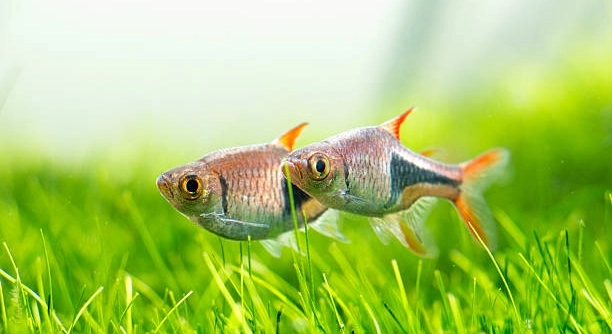
Keeping small fish can be a peaceful and rewarding hobby. Rasboras are colorful, active fish that often appeal to aquarists with limited tank space. Their small size and calm nature make them a popular choice for many.
Rasboras are generally suitable for small tanks due to their modest size, peaceful behavior, and schooling instincts. They thrive in well-maintained aquariums with proper water conditions, making them a manageable and visually appealing option for smaller setups.
Learning how to care for Rasboras properly will help maintain their health and activity. The following guide explores important tips for keeping them happy in compact aquariums.
Ideal Tank Conditions for Rasboras
Rasboras are small, active fish that do best in stable, well-maintained environments. They prefer tanks with at least 10 gallons of water for a small school, as they feel more comfortable in groups of six or more. A gentle filter is important to keep the water clean without creating strong currents that can stress them. Water temperature should be maintained between 72 and 78°F, with a slightly acidic to neutral pH range around 6.5 to 7.5. Providing plants and hiding spots mimics their natural habitat and reduces stress. Lighting should be moderate to avoid overwhelming them, and a secure lid helps prevent jumping. Regular water changes, about 20-30% weekly, keep the tank healthy and prevent the buildup of harmful substances. Observing the fish daily allows for early detection of health issues. Proper care and monitoring ensure Rasboras thrive in a compact aquarium.
Setting up a stable environment is key for their comfort and long-term health.
A well-planned tank ensures Rasboras remain active and colorful. Choosing the right substrate, plants, and decorations creates hiding spaces that reduce stress. Proper filtration and gentle water flow replicate conditions found in their natural streams, allowing them to swim freely. Temperature control, regular water testing, and partial water changes maintain optimal water quality. These small efforts lead to a lively, balanced aquarium where Rasboras display natural behaviors and interact socially within their school.
Feeding and Diet Tips
Rasboras accept a variety of foods, including flakes, micro-pellets, and frozen options.
A varied diet keeps them healthy and active. Small portions several times a day prevent overfeeding and maintain water quality.
Providing a mix of protein-rich foods and occasional vegetable matter meets nutritional needs. High-quality flakes or micro-pellets form the base of their diet, while frozen or live foods such as daphnia, brine shrimp, and bloodworms add variety and encourage natural hunting behaviors. Feeding should be controlled, giving only what they can consume within a few minutes to avoid leftover food decomposing in the tank. Observing their eating habits ensures all fish get enough nutrition. Supplementing with finely chopped vegetables or algae-based products supports growth and coloration. Balanced feeding also prevents digestive problems and promotes longer lifespans. Consistency, moderation, and diversity in their diet contribute to a healthy, active, and visually striking school of Rasboras, enhancing the small tank environment without creating unnecessary maintenance challenges.
Tank Mates for Rasboras
Rasboras are peaceful and do best with other small, non-aggressive fish. Avoid large or territorial species that could stress them. Good companions include small tetras, guppies, and Corydoras catfish. Keeping them in a proper school ensures comfort and reduces anxiety.
When selecting tank mates, consider similar water requirements and temperament. Rasboras are shy and may hide if housed with aggressive or overly active species. Small tetras, danios, and peaceful bottom dwellers like Corydoras create a balanced tank dynamic. Avoid larger cichlids or fin-nipping fish that could harm their delicate fins. Observing interactions regularly helps detect early signs of stress or bullying. A harmonious tank allows Rasboras to display natural schooling behaviors and swim freely, creating a lively yet calm environment.
Introducing tank mates gradually is essential for maintaining stability. Quarantining new fish prevents disease spread. Rasboras feel more secure with hiding spots and plants that provide shelter. Avoid overcrowding, as it increases stress and decreases water quality. A balanced combination of peaceful species ensures everyone thrives. Careful monitoring helps maintain harmony, allowing Rasboras and companions to coexist comfortably, while enhancing the visual appeal of a small tank.
Breeding Rasboras
Breeding requires a separate tank with soft, slightly acidic water. Condition adults with high-quality live or frozen foods.
Use a shallow tank with fine-leaved plants or spawning mops for egg-laying. Maintain gentle filtration to avoid disturbing eggs. Temperature around 78°F encourages spawning. Separate adults after spawning to prevent them from eating the eggs.
Eggs hatch in 24–36 hours, and fry require infusoria or specially prepared fry foods for the first days. Gradually introduce newly hatched brine shrimp as they grow. Maintain clean water and small daily changes to prevent fungus and ensure healthy growth. Proper lighting and a secure environment support development. Breeding Rasboras can be delicate, but careful planning, feeding, and monitoring increase the chances of successfully raising a healthy school. Patience and attention to detail are key for observing natural behaviors and ensuring fry survive to adulthood.
Common Health Issues
Rasboras are generally hardy but can face problems like ich, fin rot, or stress-related illness. Poor water quality or sudden changes in temperature often trigger these issues. Regular monitoring prevents serious health concerns.
Maintaining stable water parameters, avoiding overcrowding, and providing a balanced diet reduces the risk of disease. Observing behavior and appearance daily allows early detection of issues. Treating problems quickly with proper medications or adjusting tank conditions helps Rasboras recover effectively, keeping the school active and colorful.
Tank Maintenance
Regular water changes, around 20-30% weekly, are essential to keep ammonia and nitrate levels low. Clean filters gently without removing beneficial bacteria to maintain biological balance.
Consistent monitoring of temperature, pH, and general cleanliness prevents stress and promotes longevity. Removing uneaten food and debris ensures water quality stays high, supporting healthy Rasboras.
Social Behavior
Rasboras are schooling fish that feel safer in groups. Smaller schools may lead to shy or stressed fish.
Keeping at least six together allows natural swimming patterns and social interactions. Observing their movement in a group helps ensure a balanced and peaceful environment in a small tank.
FAQ
How many Rasboras should I keep in a small tank?
Rasboras are schooling fish, so they feel most comfortable in groups. A minimum of six is recommended, even for tanks as small as 10 gallons. Keeping them in proper groups reduces stress and encourages natural behavior, making the aquarium lively and balanced.
What water conditions do Rasboras need?
Rasboras thrive in slightly acidic to neutral water with a pH around 6.5–7.5. Temperature should stay between 72–78°F. Gentle filtration is preferred to avoid strong currents that can stress them. Regular testing and partial water changes help maintain stable conditions.
What should I feed Rasboras?
They eat a variety of foods including high-quality flakes, micro-pellets, and frozen options like daphnia or brine shrimp. Offering small portions several times a day prevents overfeeding. Adding occasional vegetable matter or algae-based foods supports color and growth.
Can Rasboras live with other fish?
Yes, they are peaceful and do well with other small, non-aggressive species. Suitable tank mates include small tetras, guppies, and Corydoras catfish. Avoid large or territorial fish that may nip fins or intimidate Rasboras.
How often should I change the water?
Weekly partial water changes of 20–30% are ideal. This keeps ammonia and nitrate levels low and ensures stable water conditions. Over time, consistent maintenance helps Rasboras stay healthy and active.
Do Rasboras require special lighting or decorations?
Moderate lighting is best. Plants, rocks, and hiding spots help reduce stress and mimic natural habitats. Floating plants or fine-leaved species provide cover and make them feel secure, which encourages natural swimming and schooling behavior.
Are Rasboras prone to disease?
They are generally hardy but can develop ich, fin rot, or stress-related illnesses if water quality is poor. Observing their appearance and behavior daily allows early detection. Prompt treatment and stable tank conditions help them recover quickly.
How do I breed Rasboras?
Breeding requires a separate tank with soft, slightly acidic water. Use fine-leaved plants or spawning mops for egg-laying. Adults should be conditioned with live or frozen foods. Eggs hatch in 24–36 hours, and fry need infusoria or specially prepared foods before introducing newly hatched brine shrimp.
Can Rasboras adapt to different tank sizes?
Yes, but they do best in at least a 10-gallon tank. Smaller tanks may require extra attention to water quality and proper schooling to prevent stress. Overcrowding can lead to health problems and reduced activity.
How do I know if Rasboras are stressed?
Signs include hiding excessively, clamped fins, or reduced swimming activity. Stress often results from poor water quality, aggressive tank mates, or insufficient schooling. Adjusting conditions, adding plants, or increasing group size usually alleviates stress and restores normal behavior.
How long do Rasboras live?
With proper care, Rasboras can live 3–5 years. Maintaining stable water conditions, providing a varied diet, and monitoring health regularly contribute to their longevity and overall well-being.
Are Rasboras suitable for beginners?
Yes, they are relatively easy to care for compared to more sensitive species. Their peaceful nature, small size, and adaptability make them a good option for those new to keeping fish, as long as basic water quality and feeding routines are followed.
Do Rasboras need a lid on the tank?
Yes, a secure lid is recommended because they can jump, especially when startled. This prevents accidents while keeping the fish safe and the tank environment stable.
What is the best way to introduce new Rasboras to a tank?
Quarantine new fish for a few days before adding them. Introduce them gradually and monitor interactions to ensure compatibility with existing fish. Providing hiding spots helps reduce stress and encourages smooth integration.
How do I maintain a visually appealing tank with Rasboras?
A mix of plants, gentle water flow, and peaceful tank mates creates a natural and attractive environment. Floating plants, fine-leaved species, and low decorations help highlight their colors and schooling behavior while keeping them secure.
Can Rasboras live with shrimp or snails?
Yes, peaceful shrimp and snails generally coexist well. Ensure that the shrimp or snails are not small enough to be eaten. Rasboras do not bother larger snails and will swim calmly around them, maintaining a harmonious tank environment.
How do I prevent fin damage in Rasboras?
Avoid aggressive tank mates and sharp decorations. Ensure water quality is stable to prevent stress-related fin issues. Providing plenty of swimming space and a proper school size helps them maintain healthy fins and display natural behavior.
Do Rasboras need supplemental vitamins or treatments?
Not usually, if they are fed a varied diet of flakes, pellets, and occasional live or frozen foods. Only use supplements or treatments if health issues are observed, following proper dosage instructions.
What signs indicate a healthy Rasbora?
Active swimming, bright colors, and proper schooling indicate good health. Clear eyes, smooth fins, and regular feeding behavior are additional positive signs. Monitoring these traits ensures the tank remains suitable for their needs.
Can Rasboras adapt to community tanks with different water parameters?
They tolerate a range of conditions, but sudden changes can stress them. Maintaining stable temperature, pH, and water quality is critical. Compatibility with other species depends on temperament, size, and similar water requirements to prevent stress and injury.
Are Rasboras sensitive to lighting changes?
They prefer moderate lighting. Sudden bright lights can stress them, causing hiding or reduced swimming. Gradually adjusting lighting or providing floating plants to diffuse brightness helps maintain comfort and natural behavior.
What is the best way to observe schooling behavior?
Keep at least six Rasboras together in open swimming areas. Observe interactions regularly. They naturally swim in synchronized patterns, which indicate comfort and proper tank conditions. Disruption in schooling may signal stress or illness.
Do Rasboras require specific tank shapes?
Not necessarily, but longer tanks allow more swimming space, supporting natural schooling behavior. Taller tanks are less important, though adequate depth ensures comfort. Balanced decoration and open swimming areas enhance both aesthetics and fish well-being.
How often should I check water parameters?
Weekly testing for pH, ammonia, nitrites, and nitrates is recommended. More frequent checks are needed in smaller tanks or after introducing new fish. Stable water conditions prevent stress and maintain long-term health for Rasboras.
What should I do if a Rasbora becomes sick?
Isolate affected fish in a quarantine tank if possible. Treat with appropriate medications and adjust water quality. Monitor closely until recovery. Early intervention increases the chances of full recovery and prevents spreading disease to the school.
Can Rasboras handle slightly cooler or warmer temperatures?
They tolerate minor fluctuations but prolonged exposure outside 72–78°F can cause stress or illness. Keeping temperature stable with a reliable heater or thermometer ensures comfort, activity, and long-term health.
How do I reduce stress in Rasboras?
Provide a proper school size, plenty of hiding spaces, stable water conditions, and peaceful tank mates. Gentle filtration and moderate lighting also reduce stress, allowing them to display natural swimming and social behaviors comfortably.
Is it necessary to rearrange decorations regularly?
Not frequently. Minimal changes help them feel secure. Occasional adjustments are fine if done gradually, maintaining hiding spots and swimming areas without causing sudden disruptions that can stress Rasboras.
Do Rasboras interact with each other beyond schooling?
Yes, they communicate through swimming patterns, chasing, and synchronized movements. Proper school size encourages natural interactions. Observing these behaviors can indicate a healthy, stress-free group.
How can I enhance their coloration?
A balanced diet with protein-rich foods, live or frozen treats, and occasional vegetables supports vibrant colors. Stable water conditions and low stress levels also contribute to maintaining their natural beauty.
What is the best way to clean a Rasbora tank?
Use gentle water changes, remove debris, and clean the filter without disturbing beneficial bacteria. Maintain plants and decorations carefully. Consistent maintenance ensures a healthy environment and prevents stress or illness.
Are Rasboras suitable for nano tanks?
Yes, but they need at least a 10-gallon tank to school properly. Smaller tanks require careful attention to water quality, stocking levels, and temperature stability to avoid stress and maintain health.
How can I tell if Rasboras are eating enough?
Observe their feeding behavior during meals. Active, synchronized swimming toward food and consistent consumption indicate proper nutrition. Uneaten food should be removed promptly to prevent water quality issues.
Do Rasboras enjoy planted tanks?
Yes, plants provide shelter, reduce stress, and allow natural behavior. Fine-leaved or floating plants create ideal hiding spots while supporting their active schooling lifestyle. Proper planting enhances both comfort and visual appeal in small aquariums.
Can Rasboras tolerate different pH levels temporarily?
They can handle minor changes but prolonged exposure outside 6.5–7.5 may cause stress or illness. Maintaining stable conditions is crucial for comfort, health, and natural activity.
Are Rasboras compatible with bettas?
It depends on the betta’s temperament. Peaceful, non-aggressive bettas may coexist, but aggressive individuals can stress Rasboras. Observing interactions and providing hiding spots is essential for a safe tank.
How can I encourage Rasboras to breed?
Use a separate tank with soft, slightly acidic water. Condition adults with high-quality live or frozen foods. Provide spawning sites such as fine-leaved plants or spawning mops, maintain gentle filtration, and separate adults after egg-laying to prevent predation.
Do Rasboras need high oxygen levels?
Moderate oxygenation from gentle water movement is sufficient. They do not require intense aeration, but stable circulation ensures healthy respiration and comfort.
How do I prevent algae problems in Rasbora tanks?
Regular water changes, controlled lighting, and avoiding overfeeding reduce algae growth. Plants compete with algae for nutrients, helping maintain a clean and healthy environment.
Can Rasboras live in slightly brackish water?
No, they prefer freshwater conditions. Even small amounts of salt can stress them, so keep the tank strictly freshwater for optimal health and natural behavior.
What are the signs of aging in Rasboras?
Slower swimming, faded colors, and reduced activity indicate aging. Providing a stable environment, proper nutrition, and minimal stress can help maintain quality of life even as they grow older.
How do I choose healthy Rasboras at the store?
Look for bright colors, clear eyes, smooth fins, and active swimming. Avoid fish with torn fins, faded colors, or lethargy. Healthy individuals adapt more easily to new tanks and show natural schooling behavior quickly.
Are Rasboras compatible with small shrimp species?
Yes, peaceful shrimp like Amano or Cherry shrimp coexist well. Ensure shrimp are large enough to avoid being eaten. Rasboras generally ignore non-threatening invertebrates while schooling comfortably.
Can Rasboras tolerate low light conditions?
They can survive in low light but moderate lighting is better for natural behavior and plant growth. Plants also provide shelter in dimly lit areas, making them feel secure.
How can I reduce aggression in a Rasbora tank?
Aggression usually comes from other fish. Keep Rasboras with peaceful species, maintain adequate school size, and provide hiding spaces. Balanced stocking and gentle water flow reduce stress and prevent conflicts.
What is the best way to acclimate Rasboras?
Float the bag in the tank for 15–20 minutes to equalize temperature. Gradually add tank water to the bag over 30–45 minutes. Then release them gently to avoid shock and stress.
Do Rasboras need extra calcium or minerals?
Not usually. Balanced water parameters and a varied diet provide sufficient minerals. Supplements are only needed if deficiencies are observed.
How do I know if my Rasboras are happy?
Active swimming, bright colors, synchronized schooling, and consistent feeding behavior indicate comfort and health. A stable environment encourages natural behavior and reduces stress.
Can Rasboras jump out of the tank?
Yes, especially if startled or stressed. A secure lid prevents accidents and keeps them safe. Regular observation helps maintain a stress-free environment.
Do Rasboras prefer slow or fast water flow?
Slow, gentle water flow is ideal. Strong currents can stress them, while gentle movement encourages natural swimming and reduces boredom.
Are Rasboras sensitive to sudden changes in light or temperature?
Yes, sudden changes can cause stress or illness. Gradual adjustments in light and temperature help maintain comfort and natural behavior.
How often should I observe my Rasboras?
Daily observation helps detect early signs of stress, illness, or aggression. Monitoring behavior ensures quick intervention if problems arise.
Can Rasboras live with snails?
Yes, peaceful snails coexist well. Rasboras do not harm larger snails, and both species benefit from a balanced, low-stress environment.
Do Rasboras need a heater in tropical climates?
Yes, maintaining stable temperatures between 72–78°F is important, even in warm regions. Sudden drops in temperature can stress them.
How can I prevent fin nipping?
Avoid aggressive tank mates, maintain a proper school size, and provide adequate hiding spaces. Proper care reduces stress-related fin damage.
Do Rasboras require daily feeding?
Yes, small portions 1–2 times daily meet nutritional needs. Overfeeding should be avoided to prevent water quality issues.
What is the best way to monitor Rasbora health?
Check for active swimming, bright colors, clear eyes, and smooth fins daily. Early detection of abnormal behavior or appearance allows timely treatment.
Can Rasboras tolerate different water hardness levels?
They prefer soft to moderately hard water. Extreme hardness may stress them. Gradual acclimation is necessary if water differs from their natural range.
Do Rasboras need aeration?
Gentle aeration or water movement is sufficient. High oxygen levels are not critical, but consistent circulation supports health.
Are Rasboras suitable for planted tanks only?
No, but plants enhance comfort and reduce stress. They provide hiding spots and natural swimming areas, supporting schooling behavior and overall well-being.
How do I prevent overstocking a Rasbora tank?
Calculate based on 1 inch of fish per gallon as a guideline. Maintain adequate swimming space, avoid overcrowding, and monitor water quality regularly.
What is the easiest way to introduce Rasboras to a new tank?
Float the bag, gradually add tank water, and release gently. Observe for stress or hiding behavior and provide plants or decorations for shelter.
Do Rasboras recognize each other?
Yes, schooling behavior indicates social recognition. They interact through synchronized swimming and movement patterns. Proper school size encourages natural interactions and reduces stress.
How can I tell if the tank environment is suitable?
Active schooling, bright colors, consistent feeding, and calm behavior indicate a proper environment. Poor water quality, overcrowding, or aggressive tank mates signal adjustments are needed.
Can Rasboras live in tanks with fluctuating temperatures?
No, stable temperature is critical. Sudden changes can cause stress, illness, or death. A reliable heater and thermometer maintain consistent conditions.
Do Rasboras need frequent tank rearrangements?
No, minimal changes are best. Occasional adjustments are fine if done gradually. Too much disruption can stress them and alter natural behavior.
How can I encourage natural schooling patterns?
Keep at least six Rasboras together in open swimming areas. Providing enough space and calm conditions supports synchronized swimming and group interactions.
Are Rasboras active during the day or night?
They are diurnal, most active during daylight hours. Moderate lighting and a natural day-night cycle support their behavior and feeding routines.
Do Rasboras enjoy surface or bottom swimming more?
They typically swim in the middle to upper levels of the tank, but plants and hiding spots encourage natural vertical movement while reducing stress.
Can Rasboras survive with fluctuating pH levels?
Minor changes are tolerable, but long-term exposure outside 6.5–7.5 can cause stress and illness. Stable water chemistry ensures comfort and longevity.
How do I manage leftover food in a Rasbora tank?
Remove uneaten food promptly to prevent water quality issues. Proper portioning during feeding helps minimize waste and maintain healthy conditions.
Do Rasboras prefer planted or open areas?
A mix is ideal. Open areas allow swimming and schooling, while plants offer shelter and reduce stress. Balance creates a comfortable environment.
Are Rasboras sensitive to sudden noise or vibrations?
Yes, loud disturbances can stress them. Minimizing sudden activity near the tank helps maintain calm and natural behavior.
How can I tell if Rasboras are properly acclimated?
They swim normally, school together, and eat regularly. Clamped fins, hiding, or lethargy may indicate stress or improper acclimation.
Can Rasboras adapt to new tankmates easily?
Yes, if introduced gradually and the new tankmates are peaceful. Providing hiding spots supports smoother integration and reduces stress.
Do Rasboras need a special substrate?
No, they adapt to various substrates. Sand or fine gravel works well, providing a natural look and safe environment for swimming and foraging.
How often should filters be cleaned?
Clean gently every 3–4 weeks or as needed, without removing beneficial bacteria. Proper filtration maintains water quality and reduces stress.
Can Rasboras tolerate slight fluctuations in temperature during the day?
Small daily variations are acceptable, but sudden drops or spikes should be avoided to prevent stress or illness. Stable conditions are preferred.
How do I encourage Rasboras to explore the entire tank?
Provide a mix of open swimming areas and plants. Balanced lighting, gentle water flow, and school size encourage movement and natural behavior.
Are Rasboras compatible with small schooling fish?
Yes, peaceful schooling species with similar water needs integrate well, creating dynamic but calm community tanks.
Do Rasboras require special care during winter?
Yes, maintain stable water temperature with a heater if necessary. Avoid drafts and sudden drops in room temperature.
Can Rasboras survive without plants?
Yes, but plants provide security and reduce stress. Hiding spots encourage natural behavior and improve overall well-being.
How do I prevent Rasboras from jumping?
A secure lid and calm environment reduce the risk. Avoid startling movements or aggressive tank mates to keep them safe.
Are Rasboras sensitive to light intensity?
Moderate lighting is best. Too bright or too dim conditions can stress them. Floating or leafy plants help diffuse light.
Final Thoughts
Rasboras are an excellent choice for small tanks due to their small size, peaceful nature, and schooling behavior. They are easy to care for compared to many other freshwater species, making them suitable for beginners and experienced aquarists alike. Their active swimming and natural social interactions bring life and movement to a compact aquarium. When kept in proper groups, Rasboras display synchronized swimming patterns that are visually appealing and indicate a healthy, stress-free environment. Their calm temperament allows them to coexist with other peaceful fish, providing opportunities to create a balanced and harmonious community tank without excessive worry about aggression or territorial conflicts. Choosing the right tank mates and maintaining stable conditions ensures that all species thrive together, enhancing both the aesthetic and ecological stability of a small tank.
Maintaining proper water conditions is essential for Rasboras to remain healthy and active. They prefer slightly acidic to neutral water with moderate temperatures, and stable pH levels help prevent stress or illness. Regular partial water changes, around 20–30% per week, help maintain good water quality and remove waste that could harm the fish. Gentle filtration ensures clean water without creating strong currents that may disturb their natural swimming behavior. Including plants and hiding spots in the tank reduces stress, encourages exploration, and provides a sense of security. A balanced diet consisting of high-quality flakes, micro-pellets, and occasional live or frozen foods ensures proper growth, vibrant coloration, and overall health. Small portions given multiple times a day prevent overfeeding and help maintain water quality. By combining these basic practices, Rasboras can thrive in a small aquarium while displaying natural behaviors and maintaining their overall well-being.
Rasboras are not only visually appealing but also engaging to observe, offering a sense of satisfaction to aquarists maintaining a compact setup. Their adaptability to small tanks makes them practical without requiring extensive space or complex care routines. Providing a consistent environment, proper nutrition, and social interaction with other Rasboras supports long-term health and happiness. Regular monitoring of water parameters, observation of behavior, and careful selection of tank mates help prevent common issues such as stress, illness, or aggression. While they are hardy fish, attention to detail in tank maintenance and care routines enhances their life span and activity levels. Ultimately, keeping Rasboras in a small tank can be a rewarding experience, offering a lively, peaceful, and visually pleasing aquatic display that complements a variety of home or office environments. With patience and consistent care, Rasboras can flourish, bringing both movement and color to a small tank while remaining healthy and active for years.

Hello,
If you enjoy the content that we create, please consider saying a "Thank You!" by leaving a tip.
Every little bit helps us continue crafting quality advice that supports the health, happiness, and well-being of pets around the world, for pets of all shapes, sizes, and species.
We really appreciate the kindness and support that you show us!