
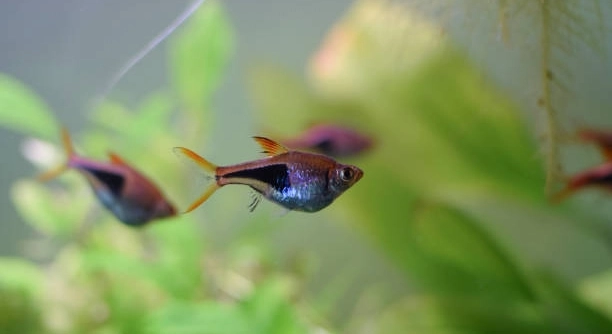
Keeping rasboras healthy requires careful attention to water quality. Many hobbyists unknowingly make mistakes when testing their aquarium water, which can stress or even harm these delicate fish in subtle but serious ways.
Common water test mistakes that negatively affect rasboras include inaccurate readings, infrequent testing, using expired test kits, misinterpreting results, and neglecting proper calibration. These errors can disrupt the tank’s balance, impacting fish health and survival in measurable ways.
Recognizing these mistakes early can prevent long-term harm and ensure your rasboras thrive in a stable, clean environment.
Skipping Regular Water Tests
Many aquarists assume that once the tank is set up, the water will remain stable. Unfortunately, this is not true, especially for rasboras. Skipping regular water tests can allow harmful changes in pH, ammonia, nitrite, and nitrate levels to go unnoticed. Even small fluctuations can stress your fish, making them more vulnerable to disease. Frequent testing helps catch these shifts early and ensures corrective actions can be taken promptly. Consistent monitoring also helps you understand patterns in your tank, such as how feeding or cleaning affects water chemistry. Using simple test kits weekly can prevent severe problems and keep your rasboras active and healthy. Over time, it becomes a habit, making water testing a natural part of caring for your fish without feeling like a chore.
Regular testing prevents unnoticed changes that could hurt your fish and helps maintain a stable, healthy tank environment.
Ignoring water tests can lead to long-term health problems. Rasboras may show signs of stress, like loss of color, reduced activity, or hiding. Over time, poor water conditions can weaken their immune systems, making them prone to infections and disease. Observing your fish and testing water parameters regularly allows you to spot issues before they escalate. Even minor adjustments in pH or ammonia can make a significant difference in keeping your tank balanced. Testing also guides proper feeding and maintenance routines, which directly impact water quality. Small steps, like weekly checks and recording results, build confidence in managing your aquarium. Healthy water supports breeding, growth, and overall wellbeing, ensuring your rasboras thrive in their environment rather than merely surviving. Maintaining consistency in testing practices becomes easier over time and creates a routine that benefits both the fish and the caretaker.
Using Expired or Faulty Test Kits
Expired or faulty test kits can give misleading results, causing you to make the wrong adjustments in your tank. Accurate readings are critical for keeping rasboras safe.
Even a slightly outdated kit can underestimate ammonia or nitrate levels, leading to unnoticed stress in fish.
Choosing reliable, well-stored test kits is essential. Check expiration dates before use and store kits in a cool, dry place. Follow instructions carefully, and replace reagents as recommended. Some kits can lose accuracy even if unopened, so rotating them regularly is wise. Test results should be compared over time to spot inconsistencies. Using control solutions helps verify accuracy. Investing in quality kits prevents unnecessary mistakes and keeps your rasboras in optimal water conditions. Regular calibration and careful handling ensure readings truly reflect your tank’s environment, avoiding overcompensation or neglect. Ultimately, proper testing routines protect your fish, reduce stress, and simplify maintenance. Consistency in using reliable kits builds confidence and keeps your aquarium stable.
Misreading Test Results
Misreading water test results can lead to unnecessary changes or neglecting real issues, putting rasboras at risk. Accurate interpretation is essential for maintaining a stable environment.
Even small misinterpretations, like confusing pH drops for harmless fluctuations, can stress rasboras. It’s important to understand the numbers and what they mean for your tank. Tracking readings over time helps you spot trends instead of reacting to single results. Misreading can cause overcorrection, which is just as harmful as ignoring a problem. Consistent record-keeping and familiarity with safe ranges for ammonia, nitrite, nitrate, and pH levels reduce mistakes and help maintain balance in the tank.
Double-checking test results against multiple kits or reference guides can prevent errors. Sometimes color changes are subtle, and lighting affects perception. Comparing results with another reliable test kit ensures accuracy. Understanding what each number represents and its effect on fish health allows you to respond correctly. Rasboras are sensitive to sudden changes, so accurate interpretation supports stable water conditions and reduces stress. Creating a simple log of readings can clarify patterns, highlight potential issues, and guide necessary adjustments without overreacting or risking harm.
Neglecting Calibration of Test Kits
Calibration ensures test kits provide correct readings, which is crucial for rasboras’ wellbeing. Kits that are not calibrated can give false results, leading to unsafe water conditions.
Skipping calibration can mean your ammonia, nitrite, or pH readings are off, sometimes significantly. Rasboras rely on stable water chemistry, and even minor miscalculations can weaken them over time. Regularly calibrating kits, following instructions precisely, and using control solutions guarantees that results reflect the actual water conditions. Incorrect readings may prompt unnecessary chemical treatments or adjustments that disrupt tank balance. Keeping a calibration schedule makes it easy to maintain accurate testing.
Proper calibration involves checking kits with known standard solutions and adjusting as needed. Some kits require periodic replacement of reagents, while others need visual checks against reference charts. Maintaining this routine ensures that every test result is reliable and actionable. A miscalibrated kit can hide dangerous ammonia spikes or incorrect pH levels, which can gradually stress rasboras, affecting growth, color, and behavior. Accurate testing allows careful monitoring of gradual changes, preventing sudden shocks from unnoticed fluctuations. Regular calibration is a small effort with a big impact on keeping fish healthy.
Testing at the Wrong Time
Testing water at inconsistent times can give misleading results. Rasboras are sensitive, and fluctuations may go unnoticed if tests are not done regularly.
Morning and evening readings can differ. Testing at a consistent time helps track trends accurately and ensures corrective measures are timely.
Overlooking Temperature Effects
Water temperature directly affects chemical readings and rasboras’ health. Warm or cold swings can change pH, ammonia toxicity, and oxygen levels. Regular checks ensure the tank stays within a stable range suitable for your fish.
Temperature influences metabolism and stress levels. Even slight deviations can make fish more vulnerable to illness. Monitoring daily and adjusting heaters or coolers keeps conditions safe. Using a thermometer consistently and noting changes helps maintain stability. Temperature fluctuations also affect test accuracy; readings taken in extreme conditions may not reflect the tank’s normal state. By observing patterns, you can predict and prevent harmful spikes, ensuring a healthier environment. Maintaining steady temperature protects rasboras from unnecessary stress and supports overall wellbeing.
Ignoring Nitrate Buildup
High nitrate levels can harm rasboras over time. Regular monitoring and water changes prevent accumulation and keep fish healthy.
How often should I test my rasboras’ water?
Testing water at least once a week is ideal for maintaining stable conditions. Rasboras are sensitive to changes in pH, ammonia, nitrite, and nitrate. Weekly checks allow you to catch minor fluctuations before they escalate into serious problems. During the first few weeks after setting up a tank or after adding new fish, more frequent testing is recommended to establish a baseline and monitor changes. Once the tank stabilizes, weekly testing is usually sufficient, but always observe your fish for signs of stress, which may indicate the need for additional checks.
What are the safest ranges for water parameters?
Rasboras thrive in slightly acidic to neutral water, with a pH between 6.0 and 7.0. Ammonia and nitrite levels should always remain at 0 ppm, while nitrates should stay below 20 ppm. Temperatures between 24°C and 28°C are optimal. Maintaining these parameters reduces stress and promotes healthy behavior, coloration, and growth. Sudden deviations, even within tolerable limits, can shock the fish. Using a thermometer and reliable test kits helps maintain these ranges. Observing both the water chemistry and the behavior of your fish provides a complete picture of tank health.
Can I rely on visual cues instead of testing?
Visual cues alone are not enough. Rasboras may hide stress symptoms until conditions are harmful. Cloudy water, algae blooms, or sluggish behavior can indicate issues, but they often appear after water parameters have already shifted. Regular testing ensures proactive adjustments, keeping fish healthy before visible symptoms appear. Combining observations with consistent water tests creates a more accurate understanding of tank conditions.
Why do my test kits give different readings?
Differences in readings can result from expired reagents, improper storage, or uncalibrated kits. Each brand may use slightly different chemical reactions, affecting results. Always check expiration dates and store kits in cool, dry locations. For critical readings, verify with a second kit or calibration solution. Keeping a consistent testing method and documenting results helps track trends rather than focusing on isolated numbers, which can prevent unnecessary adjustments.
Is tap water safe for my rasboras?
Tap water is safe only after proper treatment. Chlorine and chloramine must be neutralized with water conditioners before adding to the tank. Tap water also varies in hardness and pH, so testing before introducing it ensures it won’t shock your fish. Conditioned and tested water reduces stress and prevents chemical imbalances that can affect rasboras’ health.
How do temperature fluctuations affect water tests?
Temperature changes can alter chemical reactions in test kits and impact ammonia toxicity, oxygen levels, and pH. Rasboras are sensitive to even small temperature swings, so stabilizing the tank is crucial. Take readings at consistent temperatures for accuracy, and adjust heaters or coolers gradually to avoid stressing fish. Consistent monitoring ensures that the test results reflect actual tank conditions rather than temporary fluctuations.
What’s the best way to track water test results?
Keeping a log of test results helps detect trends over time. Note pH, ammonia, nitrite, nitrate, and temperature readings weekly. Recording observations like feeding, cleaning, and fish behavior provides context for changes. This method prevents overreacting to single readings and allows informed decisions for maintaining water quality. Reviewing logs periodically identifies recurring issues and helps anticipate problems, supporting a healthy, stable environment for rasboras.
Can overcorrecting water parameters harm my fish?
Yes, sudden adjustments can stress or even injure rasboras. Make gradual changes when correcting pH, hardness, or temperature. Rapid chemical alterations may be more harmful than minor imbalances. Using reliable test results, following proper dosing instructions, and making incremental changes ensures corrections are safe and effective. Patience in adjustments maintains stability and supports long-term fish health.
How do I prevent nitrate buildup?
Regular partial water changes, avoiding overfeeding, and maintaining healthy plant growth reduce nitrate accumulation. High nitrates weaken rasboras and increase susceptibility to disease. Testing regularly helps you identify when levels are rising, allowing timely intervention. Filtration maintenance and monitoring bio-load contribute to a balanced, nitrate-safe tank.
What if my rasboras still seem stressed despite good water quality?
Other factors may be contributing, such as tank size, overcrowding, insufficient hiding spots, or incompatible tank mates. Stress can also result from sudden environmental changes. Ensure the tank setup meets the species’ needs and provide consistent care routines. Even with excellent water quality, observing behavior and adjusting habitat elements ensures overall wellbeing.
This FAQ provides practical guidance for maintaining water quality and preventing mistakes that harm rasboras, combining careful monitoring with consistent care practices.
Keeping rasboras healthy requires attention to water quality and consistent care. Mistakes in testing water can have serious consequences, even if they seem minor at first. Skipping tests, misreading results, or using expired kits can stress fish and lead to long-term health problems. Water parameters like pH, ammonia, nitrite, nitrate, and temperature must be regularly monitored to ensure they stay within safe ranges. Even small fluctuations can affect rasboras’ metabolism, immune system, and behavior. Regular observation, combined with accurate water testing, helps prevent sudden changes that can harm your fish. By establishing a routine for testing and maintenance, the aquarium becomes a stable environment where your rasboras can thrive.
Consistency is key when caring for rasboras. Regular testing and calibration of kits allow you to track trends rather than reacting to single results. Documenting readings, adjusting water parameters gradually, and maintaining a stable temperature all contribute to a balanced habitat. Nitrate buildup, temperature fluctuations, and overlooked water chemistry issues are common problems that can be prevented with consistent monitoring. Even experienced aquarists can make mistakes if they become complacent, so following a structured care routine is essential. Paying attention to the details may seem time-consuming, but it reduces stress on the fish and avoids emergency situations that could be much more difficult to manage. Over time, these habits become second nature and support the overall wellbeing of the aquarium community.
Finally, maintaining healthy water for rasboras is a combination of observation, testing, and thoughtful care. Providing a stable environment with clean water encourages active, colorful, and stress-free fish. Addressing minor issues early prevents serious problems and supports long-term health. The goal is not just survival but creating a habitat where rasboras can exhibit natural behaviors and thrive. Proper water testing, routine maintenance, and attention to the specific needs of your fish result in a balanced, harmonious aquarium. Taking these steps ensures your rasboras live longer, healthier lives and allows you to enjoy a vibrant, well-maintained tank.

Hello,
If you enjoy the content that we create, please consider saying a "Thank You!" by leaving a tip.
Every little bit helps us continue crafting quality advice that supports the health, happiness, and well-being of pets around the world, for pets of all shapes, sizes, and species.
We really appreciate the kindness and support that you show us!