
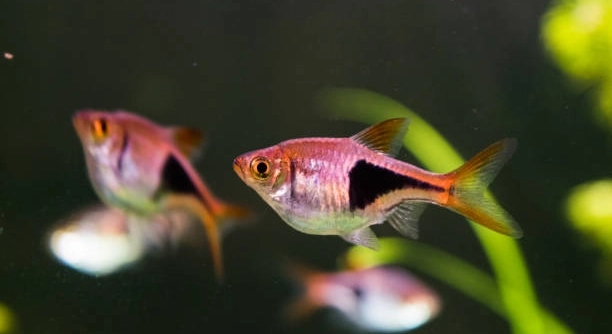
Adding snails to a tank with rasboras can create a more dynamic and balanced environment. Their slow movements and gentle presence bring a sense of calm, while they help maintain cleanliness and overall tank harmony.
Snails provide multiple benefits when paired with rasboras, including algae control, leftover food consumption, and maintaining water quality. Their activity supports a healthier ecosystem, reduces maintenance requirements, and promotes the overall well-being of both species.
These simple additions can transform your tank, making it both visually appealing and easier to care for over time.
Algae Control and Cleaner Tanks
Snails are natural cleaners that help keep your tank free from excess algae. As they glide along surfaces, they scrape off algae, reducing buildup on decorations, plants, and tank walls. This helps maintain a clear view and a healthier environment for your rasboras. By consuming leftover food and debris, snails prevent waste from decomposing, which can otherwise affect water quality. Their presence supports the nitrogen cycle, breaking down organic matter and promoting balanced conditions. Over time, the tank requires less frequent cleaning, making maintenance simpler. Snails’ grazing activity also encourages plant health by keeping leaves free of slimy film. This contributes to a more stable habitat where both plants and fish thrive. Tanks with snails generally exhibit less sudden water parameter changes, offering rasboras a calmer environment. Overall, snails act as low-maintenance aides that improve tank hygiene and aesthetic appeal without disturbing the fish.
Snails efficiently remove algae, leftover food, and debris, helping maintain clearer water and a healthier environment for rasboras.
Their constant movement and cleaning ensure surfaces remain clean, reducing frequent manual maintenance while supporting balanced water conditions for long-term tank stability.
Enhancing Fish Behavior and Activity
Snails’ presence encourages natural behaviors in rasboras. Observing snails can reduce stress for fish, as they provide gentle movement and interest in the tank. Rasboras may explore more actively, swim in varied patterns, and interact with their surroundings differently when snails are present. This stimulation promotes mental engagement, reducing lethargy and fostering healthier activity levels. Snails also help establish zones within the tank, creating areas for fish to investigate or rest. Their slow movements contrast with the fish’s fast swimming, encouraging observation and interaction without aggression. Snails and rasboras can coexist peacefully, each contributing to a more dynamic and balanced environment.
Snails add stimulation that encourages rasboras to explore and swim actively, promoting a healthier, more engaging tank environment.
By combining slow-moving snails with active rasboras, aquarists can enhance natural behaviors. The fish benefit from reduced stress and mental engagement, while snails contribute to cleaning and environmental balance. Over time, this combination fosters a lively and visually appealing tank, creating a harmonious ecosystem where both species thrive without conflict. The contrasting movement patterns of snails and fish provide constant but non-intrusive stimulation, allowing fish to exercise and explore safely. This interaction indirectly supports physical health, as active swimming improves muscle tone and endurance. Furthermore, having diverse species in the same tank can help prevent boredom for rasboras, reducing repetitive or stagnant behavior. A well-balanced tank with snails and rasboras becomes easier to manage, as both species naturally complement each other’s needs. The result is an engaging, healthier, and more sustainable aquatic environment that benefits all inhabitants.
Natural Waste Management
Snails help break down leftover food and decaying plant matter, reducing waste buildup in the tank. This keeps water cleaner and lowers the risk of harmful ammonia spikes, making it safer for rasboras to swim and thrive.
By consuming uneaten food and decomposing plants, snails act as natural recyclers in the aquarium. Their feeding habits prevent organic matter from accumulating on the substrate, which can otherwise lead to poor water quality and stress for fish. Snails support the nitrogen cycle by breaking down waste into simpler compounds that beneficial bacteria can process. This creates a more stable environment with fewer drastic changes in water parameters. Tanks with snails generally require less frequent cleaning, as they handle small debris naturally. Over time, their presence contributes to a healthier, balanced ecosystem where rasboras can live in calmer and cleaner conditions.
Snails’ consistent waste management ensures that water remains clear and stable. This reduces the need for manual cleaning while supporting a balanced and safe environment for rasboras.
Plant and Tank Surface Maintenance
Snails assist in keeping plants and tank surfaces clean by grazing on algae and debris. This promotes healthier plant growth and maintains the aesthetic appeal of the aquarium.
Their movement along leaves, decorations, and glass prevents algae buildup, which can otherwise suffocate plants and obstruct the view of the tank. Snails remove slimy film from plant surfaces, allowing leaves to absorb more light and nutrients efficiently. Clean tank surfaces also prevent the spread of harmful bacteria and reduce the risk of plant decay. Over time, the consistent grazing of snails helps maintain a tidy, vibrant environment that supports both plant and fish health. This natural maintenance reduces the need for harsh chemical cleaners or excessive scrubbing, keeping the ecosystem balanced and safe.
By continuously cleaning plants and tank surfaces, snails contribute to healthier aquatic life and a visually pleasing aquarium, requiring less intervention from the owner.
Supporting Water Quality
Snails help maintain water quality by consuming organic waste and preventing excessive buildup of harmful compounds. Their activity supports the nitrogen cycle, creating a more balanced and stable environment for rasboras to thrive.
Regular snail activity reduces the risk of ammonia spikes and helps keep the tank water clear. This consistent cleaning promotes healthier fish and minimizes stress caused by sudden water changes.
Low-Maintenance Aquarium Companions
Snails require minimal care while providing significant benefits. Their ability to clean, recycle waste, and maintain surfaces makes them ideal for aquariums with rasboras.
Adding snails reduces the time spent on manual cleaning and chemical treatments. Their natural processes contribute to a self-sustaining environment. Over time, tanks with snails are easier to manage, supporting both fish and plant health.
Encouraging Natural Ecosystem
Snails help create a balanced ecosystem by interacting with plants, substrates, and fish. Their presence supports natural cycles and contributes to a stable, healthy tank environment.
FAQ
What types of snails are safe to keep with rasboras?
Common safe snails include nerite snails, mystery snails, and ramshorn snails. These species are peaceful, do not harm fish, and are effective at cleaning algae and leftover food. Avoid aggressive or carnivorous snails, as they may stress or harm rasboras.
How many snails should I add to my tank?
The number depends on tank size and fish population. Generally, one snail per five gallons is sufficient. Too many snails can lead to overpopulation and excess waste, while too few may not provide effective cleaning and algae control.
Do snails reproduce quickly in a tank?
Yes, some species reproduce rapidly, particularly mystery and ramshorn snails. Nerite snails lay eggs that rarely hatch in freshwater. Overpopulation can be controlled by monitoring eggs, limiting food, or selectively removing excess snails.
Will snails harm my plants?
Most snails are plant-safe. Nerite snails focus on algae, while mystery and ramshorn snails may nibble on soft leaves if food is scarce. Providing sufficient food reduces plant damage and maintains harmony in the tank.
Do snails require special food?
Snails can eat leftover fish food, algae, and vegetables like blanched spinach or zucchini. Supplemental calcium sources, such as cuttlebone, are beneficial for shell growth and strength. A balanced diet ensures healthy shells and active snails.
Can snails survive without fish?
Yes, snails can survive independently by feeding on algae and plant matter. However, having fish ensures a constant source of leftover food, making it easier to sustain snail populations without additional feeding.
Do snails make the tank dirty?
No, snails actually help keep the tank cleaner. They consume waste, algae, and decaying plant matter. However, excessive snail populations can create extra waste, so population control is important to maintain water quality.
How do I prevent snails from overpopulating?
Control reproduction by limiting food and tank space. Manual removal of eggs and excess snails can help. Choosing species like nerite snails that have lower reproduction rates also prevents overcrowding naturally.
Are snails compatible with all types of rasboras?
Yes, snails are compatible with most rasbora species. Both are peaceful and can coexist without aggression. Ensure adequate hiding spots and tank space to reduce stress and allow both snails and fish to thrive.
Do snails need specific water conditions?
Snails prefer slightly alkaline to neutral water and stable temperatures that match their fish tank. Extreme pH or soft water can weaken shells. Maintaining consistent water parameters benefits both snails and rasboras, supporting overall tank health.
Can snails help prevent algae growth?
Yes, snails graze on algae, preventing overgrowth on plants, decorations, and tank surfaces. Their activity reduces the need for chemical treatments and manual cleaning, keeping the tank visually appealing and healthy for fish.
Will snails stress my rasboras?
No, snails are slow-moving and non-aggressive. They coexist peacefully, providing gentle stimulation without disturbing rasboras’ swimming patterns or social behavior. Observing snails can even enrich the environment and reduce fish stress.
How often should I clean the tank with snails?
Regular maintenance is still necessary, but snails reduce the frequency of cleaning. Weekly partial water changes and occasional substrate cleaning are usually sufficient, as snails handle small debris and algae naturally.
Do snails need hiding spots?
Yes, providing decorations, plants, or rocks offers shelter and security. Hiding spots reduce stress, especially during molting, and support natural behavior, ensuring snails remain healthy and active.
Can snails coexist with other tank inhabitants besides rasboras?
Yes, peaceful fish and invertebrates are usually compatible. Avoid aggressive fish that may nip at or eat snails. Pairing snails with calm species ensures a balanced, low-stress tank environment.
Do snails improve the overall tank ecosystem?
Yes, they enhance water quality, reduce waste, control algae, and provide gentle stimulation. Their presence creates a balanced, self-sustaining ecosystem that benefits both plants and fish. Regular monitoring ensures the population remains manageable.
How do I handle dead snails?
Remove dead snails immediately to prevent water contamination. Prompt removal reduces the risk of ammonia spikes and keeps the tank safe for rasboras and other inhabitants.
Can snails survive without plants?
Yes, they can survive on algae, fish food, and other organic matter. However, plants provide additional grazing surfaces and contribute to a healthier, more natural environment for both snails and fish.
Do snails require lighting?
Snails do not need special lighting. They prefer ambient light similar to fish requirements. Sufficient light supports algae growth, which snails can feed on naturally.
Are snails noisy in the tank?
No, snails are silent. Their slow movement and grazing make them peaceful, non-intrusive companions that improve the tank environment without disturbing the fish or owner.
This FAQ addresses common concerns and practical tips for keeping snails with rasboras, supporting a healthy, balanced, and visually appealing aquarium.
Adding snails to a tank with rasboras can be a simple yet effective way to maintain a healthier aquarium. Their slow, consistent movements and feeding habits help control algae, consume leftover food, and prevent waste from accumulating. Over time, this natural cleaning reduces the frequency of manual maintenance and keeps water quality stable. Snails act as small, low-maintenance helpers that support the nitrogen cycle, breaking down organic matter so beneficial bacteria can process it efficiently. A tank with snails tends to have clearer water, healthier plants, and calmer fish, creating a more balanced and sustainable environment. While they may seem like a small addition, their impact on the ecosystem of the tank is significant, contributing to both hygiene and visual appeal.
Snails also play a role in promoting natural behaviors and activity in rasboras. The presence of snails encourages exploration, as fish swim around and observe these gentle creatures. This stimulation helps reduce stress and boredom, making the fish more active and engaged with their surroundings. Snails create subtle zones in the tank, offering resting areas or points of interest, which makes the habitat feel more dynamic and natural. Additionally, snails help maintain plant health by grazing on algae that could otherwise block light from reaching leaves. By keeping plants cleaner, they indirectly support better growth and stronger, healthier vegetation. The combination of cleaner surfaces, reduced waste, and environmental enrichment makes snails valuable companions for rasboras, contributing to both physical and mental well-being in the tank.
Caring for snails alongside rasboras is straightforward and manageable. Most species require minimal attention beyond providing a steady food supply, adequate calcium for shell growth, and occasional monitoring to prevent overpopulation. Their compatibility with peaceful fish like rasboras ensures that they can coexist without conflict, adding both function and interest to the aquarium. Over time, a tank with snails becomes easier to maintain, as their natural processes reduce the need for constant cleaning or chemical interventions. Including snails is not just about aesthetics; it’s about creating a balanced ecosystem where fish, plants, and invertebrates can thrive together. By carefully choosing species and managing their population, snails can be a long-term, low-effort addition that enhances the overall health and harmony of the tank, making the aquatic environment more enjoyable and sustainable for both the keeper and the inhabitants.

Hello,
If you enjoy the content that we create, please consider saying a "Thank You!" by leaving a tip.
Every little bit helps us continue crafting quality advice that supports the health, happiness, and well-being of pets around the world, for pets of all shapes, sizes, and species.
We really appreciate the kindness and support that you show us!