
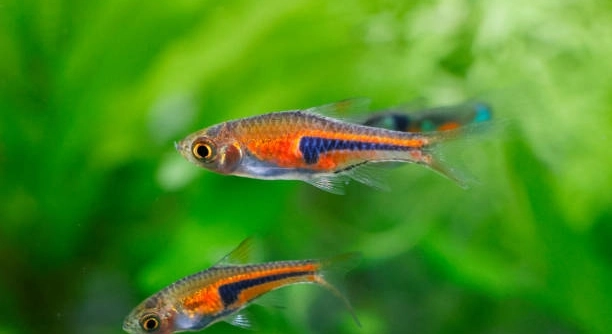
Rasboras are small, active fish that thrive in lively and engaging environments. Providing mental stimulation is essential for their health, helping them stay active and reducing stress. Many aquarists often overlook how much these fish benefit from enrichment.
Mental stimulation for rasboras can be achieved through a combination of environmental variety, social interaction, feeding challenges, and sensory engagement. Offering hiding spots, live plants, moving objects, and occasional changes in tank setup encourages natural behaviors and supports cognitive development.
Introducing these simple practices can transform your aquarium, keeping your rasboras happier and more engaged in their surroundings. Small adjustments can make a noticeable difference in their daily activity.
Creating a Stimulating Environment
Rasboras thrive in tanks that offer variety and opportunities for exploration. Adding live plants, driftwood, and small rocks creates hiding spots and territories, mimicking their natural habitat. Gentle water currents and floating plants also encourage movement and natural behaviors. Even subtle changes, like rearranging decorations, can spark curiosity and reduce boredom. Using a mix of soft lighting and shaded areas allows them to feel secure while exploring different parts of the tank. Observing their reactions helps you adjust the environment for maximum engagement. Variety in the setup prevents monotony and supports mental well-being.
Small changes in the tank layout can make a big difference in your rasboras’ daily activity levels and overall health.
Changing decorations periodically encourages exploration and keeps rasboras active. Plants and rocks provide cover and areas to investigate, supporting natural instincts. This environment reduces stress and keeps the fish mentally engaged, promoting healthier behaviors and stronger social interactions within the group.
Social Interaction and Group Dynamics
Rasboras are schooling fish and feel more secure in groups. Small groups of five or more allow them to display natural swimming patterns.
Observing their social behaviors helps identify dominant or shy individuals. Adjusting group size or introducing compatible species can enhance interaction. Social engagement reduces stress and stimulates activity, supporting overall well-being.
Interactive Feeding Techniques
Offering live or frozen foods encourages natural foraging behavior. Scattering small portions throughout the tank keeps rasboras moving and alert, preventing boredom.
Using feeding tools, like pipettes or small tongs, allows you to guide food to different areas of the tank. This mimics hunting and keeps the fish mentally engaged. Rotating between foods such as daphnia, brine shrimp, and bloodworms provides variety and ensures balanced nutrition. Timing feedings at consistent intervals also helps rasboras anticipate activity, stimulating their daily routines. Observing how they respond to different techniques allows for adjustments that maintain interest and energy.
Incorporating floating or sinking foods challenges rasboras to search at multiple levels. This variation promotes exercise and cognitive stimulation while reducing aggression during feeding. Introducing occasional treats encourages exploration and interaction, keeping daily routines from becoming predictable and dull.
Visual and Sensory Enrichment
Moving decorations or adding new plants introduces visual stimulation and exploration opportunities. Varied textures in the tank create interest and encourage natural behaviors.
Mirrors or reflective surfaces can be used sparingly to provide short-term visual stimulation, but should not cause stress. Observing how rasboras react to different colors and shapes helps determine what engages them most. Using gentle currents and bubbles adds movement to the tank, keeping the fish active and alert. Combining these elements supports mental engagement, encourages interaction with the environment, and strengthens overall cognitive health, ensuring that rasboras remain lively and responsive over time.
Tank Rotation and Rearrangement
Rearranging plants, rocks, and decorations periodically keeps rasboras curious and active. Even small changes in layout can encourage exploration and reduce repetitive swimming patterns.
Rotating tank ornaments also allows different hiding spots to be used. This variation helps maintain engagement and prevents boredom, supporting both physical and mental stimulation for the fish.
Adding Floating and Moving Objects
Introducing lightweight floating objects, like ping pong balls or small leaf-like items, creates movement in the water. Rasboras naturally investigate these changes, promoting active swimming and alertness throughout the tank. Movement encourages curiosity and interaction with the environment.
Providing Hiding Spots
Dense plant clusters, caves, or small rock formations give rasboras safe places to retreat. These spaces reduce stress and support natural territorial behavior.
FAQ
How often should I change the tank layout for my rasboras?
Changing the layout once every few weeks is usually sufficient. Minor adjustments, like moving plants or rocks, can provide enough novelty without causing stress. Sudden, large changes can be unsettling, so gradual alterations help keep your fish curious and active while maintaining a stable environment.
What types of foods best stimulate rasboras mentally?
A mix of live, frozen, and high-quality flake foods works best. Live foods like daphnia or brine shrimp encourage foraging behaviors. Offering food at different levels of the tank and in varying locations adds variety, promoting activity and engagement. Rotating foods prevents monotony and ensures balanced nutrition.
Can mirrors be used for stimulation?
Yes, mirrors can provide short-term visual stimulation. Place a mirror outside the tank briefly to avoid stress. Observing their reflection can prompt interaction and activity, but avoid prolonged exposure, as it may cause aggression or anxiety in some individuals.
Are toys or moving objects safe for rasboras?
Lightweight floating objects or gentle currents created by small water pumps can safely stimulate movement. Objects that are too heavy or sharp should be avoided to prevent injury. Watching how rasboras investigate these additions helps determine what maintains their curiosity without causing harm.
How many rasboras should be kept together?
Rasboras are schooling fish and should be kept in groups of at least five. Larger groups allow natural swimming patterns and social behaviors to develop. Observing interactions helps identify shy or dominant fish, and adjusting group composition can improve overall tank dynamics.
Do plants really improve mental stimulation?
Yes, live plants provide hiding spots, exploration areas, and varying textures. Dense plants encourage natural foraging and territorial behavior. Rotating or trimming plants periodically adds visual and physical changes, keeping the environment engaging while supporting mental and physical well-being.
Can tank decorations affect behavior?
Decorations like caves, rocks, and driftwood create territories and interest points. Rearranging them or adding new elements encourages exploration and prevents repetitive swimming patterns. Observing how your rasboras respond helps you understand what elements provide the most engagement.
How can I tell if my rasboras are bored?
Signs include repetitive swimming in one area, lack of interaction with food, or reduced movement. Introducing new objects, rearranging decorations, or offering different feeding methods can re-engage them. Active, curious behavior indicates that mental stimulation strategies are effective.
Should I provide different water currents?
Gentle variations in water flow encourage movement and exploration. Using small filters or pumps to create mild currents engages swimming behavior without stressing the fish. Observing responses ensures currents remain beneficial and do not disturb the tank’s overall balance.
Is social interaction with other species helpful?
Compatible tankmates can provide additional stimulation, but species must be non-aggressive and similar in size. Introducing new fish gradually and observing behavior ensures safe interactions while promoting activity and mental engagement. Compatibility is key to preventing stress and fostering healthy social behavior.
How do I maintain long-term mental stimulation?
A combination of environmental changes, varied foods, social groups, and interactive objects supports ongoing engagement. Regular observation and adjustment help maintain a dynamic environment. Stimulation should be balanced with stability, ensuring rasboras remain curious, active, and healthy over time.
Can light and shadows affect rasboras?
Yes, varying light intensity and creating shaded areas encourages exploration and natural hiding behavior. Gentle lighting changes mimic natural conditions, supporting activity patterns and providing visual stimulation without causing stress. Observing their use of light and shade helps optimize the tank setup.
Is it necessary to rotate toys and objects?
Rotating or temporarily removing items maintains novelty. Familiar objects can lose their stimulating effect over time, so changing the arrangement periodically keeps rasboras engaged, encouraging movement, exploration, and natural behavior throughout the tank.
Do rasboras need interaction with humans?
While not required, occasional feeding from a pipette or hand can be engaging. This interaction encourages natural foraging behavior and strengthens responsiveness to their environment, without relying on constant human presence.
How can I combine all methods effectively?
Use a balanced approach: provide plants, hiding spots, floating objects, varied foods, and social groups. Observe responses and make small, gradual adjustments. Combining these strategies ensures rasboras remain active, curious, and mentally stimulated in a safe and healthy environment.
Rasboras are small, active fish that benefit greatly from mental stimulation. Providing an engaging environment is not just about aesthetics but also about promoting their well-being. Simple additions, such as live plants, rocks, and small hiding spots, create areas for exploration and natural behaviors. Even minor changes, like rearranging decorations or adding floating objects, can spark curiosity and encourage movement. These adjustments help prevent boredom and reduce stress, allowing rasboras to display more of their natural behaviors. Observing their responses to changes can guide you in maintaining a stimulating environment that supports both mental and physical health.
Feeding routines also play an important role in mental stimulation. Offering a variety of foods, including live, frozen, and high-quality flakes, encourages foraging and problem-solving behaviors. Scattering food at different levels in the tank or using tools to guide feeding promotes activity and engagement. Rotating foods regularly ensures that meals remain interesting while providing balanced nutrition. Feeding interactions can also strengthen your understanding of their behavior and preferences, allowing for adjustments that keep them more active and alert. By combining environmental enrichment with varied feeding methods, rasboras receive continuous stimulation that helps maintain their overall health and vitality.
Social dynamics are equally important for rasboras. As schooling fish, they feel more secure in groups and benefit from observing and interacting with each other. Keeping an appropriate group size allows natural swimming patterns and social behaviors to develop, while adding compatible tankmates can provide additional engagement. Introducing changes gradually and observing interactions ensures that social enrichment remains positive and stress-free. Combining social, environmental, and feeding enrichment creates a well-rounded approach to mental stimulation. By consistently providing these opportunities, rasboras are more active, curious, and healthy, showing that a thoughtful, structured environment can make a noticeable difference in their daily lives.

Hello,
If you enjoy the content that we create, please consider saying a "Thank You!" by leaving a tip.
Every little bit helps us continue crafting quality advice that supports the health, happiness, and well-being of pets around the world, for pets of all shapes, sizes, and species.
We really appreciate the kindness and support that you show us!