
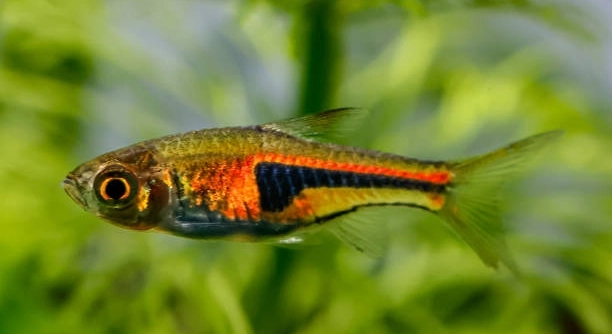
Rasboras are small, peaceful fish often admired for their vibrant colors and active swimming patterns. They are popular choices for home aquariums, especially for hobbyists who enjoy observing dynamic, lively fish in a compact environment.
Rasboras can be kept in a nano tank, provided the tank is at least 10 gallons, properly filtered, and regularly maintained. Adequate space, stable water conditions, and compatible tank mates are essential for their health and well-being.
Keeping rasboras in a smaller tank requires careful planning and attention to detail to ensure they thrive in a limited aquatic space.
Choosing the Right Nano Tank for Rasboras
Selecting a suitable tank is the first step in keeping rasboras healthy. A minimum of 10 gallons is recommended, as smaller spaces can lead to stress and poor water quality. Opt for a tank with a reliable filter that provides gentle water flow, since rasboras prefer calm environments. Consider adding a tight-fitting lid to prevent jumping, as these fish can be quite active. The tank should allow enough swimming space and accommodate hiding spots, which help reduce stress and create a secure environment. Live plants such as Java moss, Anubias, or floating plants offer shelter and improve water conditions by absorbing excess nutrients. Substrate choice can influence plant growth and tank aesthetics; fine gravel or sand works well for these small fish. Maintaining consistent water temperature between 72-78°F ensures comfort, while monitoring pH and hardness keeps the environment stable for daily activity and overall health.
A properly sized and equipped nano tank prevents overcrowding, supports natural behaviors, and ensures rasboras remain vibrant and active.
Regular maintenance, such as weekly water changes and monitoring filter performance, is crucial. Even small tanks can maintain stable water conditions when attention is consistent. This proactive care reduces stress and limits the risk of disease. Choosing compatible tank mates also matters. Small, peaceful species like neon tetras or otocinclus catfish complement rasboras well. Avoid aggressive or fin-nipping fish that may cause harm. Lighting should mimic natural day-night cycles, encouraging normal feeding and swimming patterns. Providing hiding spots with plants or decorations allows rasboras to retreat when stressed, enhancing comfort. Consistency in feeding schedules and diet ensures proper growth and coloration. A mix of high-quality flake foods, micro-pellets, and occasional live or frozen treats meets their nutritional needs. Observing behavior daily helps detect early signs of stress or illness, allowing for prompt intervention. Thoughtful planning and daily care transform a small nano tank into a thriving home for rasboras, making them active and visually appealing additions.
Social Behavior and Schooling Needs
Rasboras are schooling fish that thrive in groups of six or more. Their social interactions reduce stress and encourage natural swimming patterns.
Keeping them in sufficient numbers helps establish hierarchy and promotes coordinated movement. Observing their schooling behavior in a nano tank provides visual enjoyment and ensures mental stimulation.
Schooling behavior is crucial for rasboras’ health and overall activity. In a small tank, a well-chosen group size allows each fish enough personal space while encouraging group cohesion. Stress can occur if they are kept alone or in too small numbers, leading to lethargy or loss of color. A balanced environment with plants, decorations, and hiding spots supports their natural interactions, allowing them to navigate territory safely. When combined with proper water parameters and regular care, these small fish display vibrant colors and active behaviors. Grouping them properly enhances their confidence, reduces aggression, and encourages consistent swimming patterns. Observing a coordinated school can be rewarding, making a nano tank feel lively despite its size. Maintaining stable water conditions and providing enough space for movement ensures the fish remain healthy and stress-free, which is essential for their long-term well-being in a compact setup.
Water Conditions and Maintenance
Stable water conditions are essential for rasboras in a nano tank. They thrive in temperatures between 72-78°F, with a pH of 6.5-7.5. Regular water changes and monitoring prevent harmful spikes in ammonia or nitrites, ensuring their health and activity levels remain consistent.
Maintaining clean water involves consistent weekly partial changes of 20-30% to remove accumulated waste and maintain chemical balance. Filters should be checked to ensure gentle flow, as strong currents stress small fish. Using a water conditioner neutralizes chlorine and chloramines, making tap water safe. Monitoring parameters like pH, hardness, and temperature ensures a stable environment, reducing stress and preventing disease. Regular observation of the fish helps detect early signs of illness or water imbalance, allowing timely intervention.
Substrate and decoration choices also influence water quality. Plants help absorb excess nutrients and provide oxygen, while driftwood or rocks create natural hiding spaces. Avoid overcrowding, as it increases waste buildup and reduces water quality. A consistent cleaning routine keeps ammonia and nitrites low, which is critical in a small tank. Proper water maintenance and thoughtful tank setup support healthy, active rasboras that display natural behaviors, making a nano tank both visually appealing and safe for long-term care.
Feeding and Nutrition
Rasboras require a varied diet of flakes, micro-pellets, and occasional live or frozen foods to maintain color and vitality. Feeding small portions twice daily prevents overfeeding and ensures all fish eat evenly.
High-quality flakes and pellets provide balanced nutrients, while live or frozen options such as daphnia, brine shrimp, or bloodworms supplement protein needs. Overfeeding can pollute the water and stress the fish, so portion control is key. Observing eating habits ensures that each fish receives adequate nutrition. Rotating food types encourages healthy growth and vibrant coloration.
Supplementing with plant-based foods, such as spirulina flakes, supports digestion and overall health. Removing uneaten food prevents decay and keeps water parameters stable. Feeding routines help establish normal behavior patterns, promoting active schooling and interaction. By offering a balanced, consistent diet, rasboras maintain energy, color, and immunity, which is essential for their well-being in a confined nano tank environment.
Tank Mates for Rasboras
Rasboras do best with small, peaceful fish that share similar water requirements. Avoid aggressive species, as they can stress or harm the fish. Compatible tank mates encourage natural schooling behavior and maintain a calm environment in a nano tank.
Shrimps and small snails also coexist well, helping control algae and detritus. Avoid overcrowding to reduce territorial disputes and ensure all species have enough space to thrive comfortably.
Breeding in a Nano Tank
Breeding rasboras in a nano tank requires careful planning. A separate breeding tank with fine-leaved plants or spawning mops provides a safe area for eggs. Parents may eat the eggs if left together, so removing adults after spawning is recommended.
Common Health Issues
Rasboras are generally hardy but can be prone to ich or fin rot if water conditions deteriorate. Early detection and treatment help prevent serious illness.
FAQ
Can rasboras live in a tank smaller than 10 gallons?
Rasboras can survive in smaller tanks, but it is not ideal. Limited space increases stress and reduces swimming freedom, which can affect their health and coloration. A 10-gallon tank provides adequate room for a small school and allows for proper filtration and maintenance.
How many rasboras should I keep in a nano tank?
A group of six to ten is recommended for a 10-gallon tank. This number allows them to school naturally without overcrowding. Smaller numbers can lead to stress and unusual behavior, while larger groups may strain water quality and increase maintenance demands.
What water parameters are best for rasboras?
Maintain temperatures between 72-78°F with a pH of 6.5-7.5. Moderate hardness levels are preferred, and ammonia or nitrite should always be zero. Consistent water conditions are crucial for avoiding stress-related illnesses and ensuring the fish remain active and healthy.
Do rasboras need live plants?
Live plants are not required but strongly recommended. They provide hiding spaces, help maintain water quality, and encourage natural behaviors. Floating plants offer shade and comfort, while rooted plants give security. They also enhance the tank’s aesthetic without overcrowding the swimming area.
Can rasboras coexist with other fish?
Yes, they do well with small, peaceful fish like neon tetras, otocinclus, or guppies. Avoid aggressive species or fin-nippers, which can cause stress or injury. Adding invertebrates like shrimp or snails is also safe and helps maintain tank cleanliness.
How often should I feed rasboras?
Feed small portions twice daily. Overfeeding can pollute the water and cause digestive issues. A balanced diet of flakes, micro-pellets, and occasional live or frozen foods ensures proper growth, coloration, and energy. Observe their eating habits to make sure all fish get enough.
What are common health issues?
Ich, fin rot, and stress-related illnesses are most common. Poor water quality, overcrowding, or sudden temperature changes often trigger these issues. Early detection and treatment are essential. Maintaining clean, stable conditions and observing behavior daily reduces the risk significantly.
Can rasboras jump out of the tank?
Yes, rasboras are active and may jump when startled. A secure, tight-fitting lid is recommended to prevent escapes. Providing plants and hiding spots also reduces stress, making jumping less likely.
How do I know if my rasboras are stressed?
Signs include clamped fins, pale color, hiding excessively, or reduced activity. Stress often results from poor water quality, insufficient schooling numbers, or aggressive tank mates. Addressing these factors improves their comfort and encourages natural swimming and social behavior.
Is breeding possible in a nano tank?
Yes, but success requires a separate breeding tank with fine plants or spawning mops. Remove adults after eggs are laid to prevent predation. Maintain clean water and stable parameters to encourage egg development and fry survival.
Do rasboras need a special filter?
A gentle filter is essential. Strong currents can stress small fish, so choose a low-flow filter suitable for a nano tank. Sponge filters or adjustable-flow filters work well, maintaining clean water without disturbing natural swimming patterns.
How often should I change the water?
Perform weekly partial changes of 20-30%. This removes waste and keeps chemical levels stable. Monitoring ammonia, nitrite, and nitrate ensures water remains safe. Consistent maintenance is critical in small tanks, as they are more prone to rapid water quality fluctuations.
Can rasboras live alone?
No, they are schooling fish and need at least six individuals to feel secure. Isolated fish can become stressed, lose color, and display abnormal behavior. Adequate group size supports natural interactions, confidence, and active swimming in a nano tank.
What decorations are best for a nano tank?
Simple decorations like driftwood, rocks, and plants work best. Avoid overcrowding to maintain swimming space. Plants provide shelter, while smooth rocks and wood create natural hiding spots. This balance supports both aesthetic appeal and the well-being of rasboras.
How do I prevent algae growth?
Control feeding, avoid excess light, and maintain water changes. Adding live plants and snails can help manage algae naturally. Overfeeding and stagnant water contribute to growth, so careful management of tank conditions keeps algae under control.
Are rasboras hardy fish for beginners?
Yes, with proper care. They tolerate minor fluctuations but thrive under stable water parameters, regular maintenance, and a suitable school size. Their peaceful nature and small size make them an ideal choice for hobbyists with a well-maintained nano tank.
Can I mix different rasbora species in one tank?
Mixing similar-sized, peaceful species is possible. Ensure water requirements match and there is enough space to reduce stress. Avoid pairing aggressive or larger species that may bully or outcompete smaller rasboras for food or territory.
How long do rasboras live?
With proper care, rasboras can live 3-5 years. Stable water conditions, a balanced diet, and consistent maintenance contribute to their longevity. Observing their health and behavior daily helps ensure a full, active life in a nano tank.
What should I do if a fish gets sick?
Isolate the affected fish in a quarantine tank. Identify the illness and treat with appropriate medication. Maintain clean water and stable conditions to prevent further infection. Early action improves recovery rates and prevents the spread to other tank inhabitants.
Can rasboras tolerate low light?
Moderate lighting is preferred, though they can adapt to lower light conditions. Plants may grow slower under low light, but fish activity remains normal. Avoid sudden changes in lighting intensity to prevent stress and maintain natural behavior patterns.
Are rasboras compatible with bettas?
Generally, no. Bettas can be territorial and aggressive toward small schooling fish. Stress or fin damage is likely in confined spaces. If attempting a community setup, careful observation and ample hiding spots are essential, but the risk remains high.
How do I acclimate new rasboras?
Float the bag in the tank for 15-20 minutes to match temperature. Gradually add small amounts of tank water over 30-60 minutes before releasing. This reduces stress and prevents shock from sudden water parameter changes.
What is the best substrate for a nano tank with rasboras?
Fine gravel or sand works best. It supports plant growth and allows natural swimming behavior. Avoid sharp or rough substrates that may injure delicate fins or barbels. Substrate choice also influences water quality and ease of maintenance.
Do rasboras need strong water movement?
No, they prefer calm water. Strong currents can stress them and disrupt schooling behavior. Gentle filtration that maintains water quality without excessive flow is ideal for nano tanks.
Can I keep rasboras in a planted tank only?
Yes, they thrive in planted tanks with open swimming areas. Plants provide shelter, improve water quality, and mimic natural habitats. Balance between hiding spaces and swimming room is essential for their comfort and activity levels.
Is it necessary to test water regularly?
Yes, regular testing of ammonia, nitrites, nitrates, pH, and temperature prevents problems. Small tanks are more prone to fluctuations, so consistent monitoring ensures rasboras remain healthy and stress-free.
How do I reduce stress in a nano tank?
Maintain stable water conditions, proper school size, compatible tank mates, and adequate hiding spots. Avoid overcrowding, sudden changes, and aggressive species. Reducing stress improves coloration, activity, and overall health of rasboras.
Are frozen foods better than live foods?
Both are beneficial. Live foods encourage natural hunting behavior, while frozen foods are convenient and reduce parasite risk. Combining types provides balanced nutrition and variety, supporting growth, coloration, and energy.
What temperature fluctuations are safe?
Small daily variations within 1-2°F are acceptable. Sudden or large changes can stress fish, weaken immunity, and trigger illness. Maintaining a stable temperature ensures consistent behavior and overall health.
Can rasboras tolerate slightly hard water?
Yes, moderate hardness is acceptable, but extreme levels should be avoided. Soft to moderately hard water is ideal, ensuring comfort, proper metabolism, and coloration. Consistency is more important than exact hardness values.
How long should lights stay on?
8-10 hours daily is sufficient. Too much light encourages algae growth and stress, while too little reduces plant health. Mimicking natural day-night cycles helps regulate feeding, activity, and resting behaviors.
Do rasboras need a specific diet for breeding?
Yes, protein-rich foods like live or frozen daphnia and brine shrimp increase breeding success. Flakes and pellets provide general nutrition, but high-quality protein stimulates spawning behavior and improves egg viability.
Can rasboras adapt to tap water?
Yes, with proper conditioning using a water conditioner to remove chlorine and chloramines. Gradually adjusting temperature and pH ensures safe introduction. Sudden changes can cause stress or shock.
What should I do if a fish dies?
Remove the fish immediately to prevent water contamination. Test water parameters to identify possible causes and treat the tank if necessary. Consistent monitoring helps prevent further loss.
Are rasboras suitable for office tanks?
Yes, their small size, peaceful behavior, and schooling activity make them ideal for small office setups. Minimal maintenance and vibrant colors brighten spaces while remaining relatively low-maintenance with proper care.
Do rasboras need hiding spots?
Yes, plants, driftwood, or rocks offer refuge. Hiding spots reduce stress, encourage natural behavior, and provide security during feeding or when startled. Adequate coverage improves comfort in nano tanks.
Can they live with small shrimp species?
Yes, small shrimp like cherry or ghost shrimp coexist well. They help clean the tank, and rasboras usually ignore them. Avoid larger or aggressive shrimp species that may compete for food or space.
Is water current important for breeding?
Low or gentle current is best. Strong flow may displace eggs or stress fish, reducing breeding success. Calm areas with hiding spaces and plants encourage natural spawning behavior.
How do I prevent disease in a nano tank?
Maintain clean water, stable parameters, proper feeding, and avoid overcrowding. Quarantine new fish and plants. Observing behavior and acting early at signs of illness reduces outbreaks and keeps the tank healthy.
Are rasboras schooling fish only?
Yes, schooling is essential for their mental well-being and natural behavior. Smaller numbers can cause stress, lethargy, or aggression. Maintaining a proper group allows coordinated swimming and social interaction.
Do they need supplemental oxygen?
Generally, no. A well-maintained filter and live plants provide sufficient oxygen in a nano tank. Avoid overcrowding, which can reduce oxygen levels, and monitor fish for signs of distress.
Can rasboras tolerate community tanks?
Yes, with careful selection of peaceful species. Ensure water parameters align and there is enough space to prevent stress. Aggressive or large fish should be avoided to maintain harmony.
What is the ideal nitrate level?
Keep nitrates below 20-30 ppm. Higher levels stress fish and encourage algae growth. Regular water changes and live plants help maintain safe nitrate levels.
How do I handle aggressive tank mates?
Remove aggressive fish immediately to prevent injury or stress. Choose small, peaceful species for nano tanks. Providing hiding spots can reduce conflicts but cannot guarantee safety with aggressive species.
Are rasboras sensitive to light intensity?
Moderate lighting is ideal. Too bright can stress them, while dim lighting slows plant growth. A balanced light schedule ensures comfort and natural activity patterns.
Can they survive in unheated tanks?
They may survive in temperate environments but thrive best in heated tanks maintaining 72-78°F. Stable temperature supports activity, immunity, and overall well-being.
Do rasboras require quarantine for new fish?
Yes, quarantine reduces disease introduction. A separate tank for at least 2 weeks helps monitor health before adding them to the main tank.
What are signs of illness?
Clamped fins, pale colors, labored breathing, lethargy, or unusual swimming patterns indicate potential illness. Early recognition allows prompt treatment and prevents spread to others.
Can rasboras live with guppies?
Yes, peaceful guppies are compatible if tank size allows adequate swimming space. Avoid overcrowding to maintain water quality and reduce stress.
Do they need gravel or sand?
Both work, but fine gravel or sand supports plant growth and smooth swimming. Sharp substrates can injure delicate fins. Substrate choice also affects maintenance and water quality.
How often should I observe my tank?
Daily observation is best. Monitoring behavior, feeding, and water conditions allows early detection of stress or illness and ensures long-term health.
Can rasboras survive with fluctuating pH?
Frequent or extreme pH changes cause stress and illness. Small, gradual variations are tolerable, but stability is crucial for health, coloration, and activity.
Are rasboras compatible with corydoras?
Yes, small corydoras species are peaceful and occupy different tank levels. Both species coexist well and benefit from a calm, clean environment.
Can they live in a heavily planted tank?
Yes, provided there is open swimming space. Dense plants provide shelter and improve water quality, but overcrowding limits movement and may stress the fish.
Do they require water softening?
Moderate hardness is sufficient. Extreme softening is unnecessary. Stable water conditions matter more than exact hardness levels.
What temperature is too high?
Temperatures above 78°F can stress rasboras, reduce oxygen, and increase disease risk. Maintaining 72-78°F ensures activity, comfort, and health.
Do rasboras need specific lighting for color?
Moderate lighting helps display natural colors. Overly bright or dim conditions may dull coloration, while a balanced light schedule encourages natural behavior and vibrancy.
Can I keep only one species of rasbora?
Yes, but a minimum of six individuals is essential for social interaction and schooling behavior. Isolated or small groups risk stress and abnormal behavior.
How do I acclimate them to a new tank?
Float the bag for 15-20 minutes, then gradually add small amounts of tank water over 30-60 minutes. This prevents temperature or chemical shock and reduces stress.
Do they need frequent tank rearrangement?
No, constant changes cause stress. Once a suitable setup is established, only minor adjustments are needed for maintenance. Stable surroundings support natural behavior and comfort.
Can rasboras tolerate slightly acidic water?
Yes, a pH of 6.5-7.0 is suitable. Consistency is more important than exact acidity levels. Sudden swings should be avoided to prevent stress or illness.
Are rasboras suitable for beginners?
Yes, with attention to water quality, school size, feeding, and compatible tank mates. They are hardy, peaceful, and rewarding in a properly maintained nano tank.
Do they require hiding spots during feeding?
Yes, hiding spots reduce stress and prevent dominant fish from monopolizing food. Plants, driftwood, and rocks create secure areas for all individuals.
Can rasboras tolerate cooler water?
Temperatures below 72°F can reduce activity, feeding, and immune function. They tolerate mild fluctuations but thrive in a stable, warmer range.
How long should lights be off at night?
8-10 hours of darkness allows rest and supports natural day-night cycles. Consistent lighting promotes normal activity, feeding, and health.
Can I keep rasboras with dwarf shrimp?
Yes, small shrimp coexist well and help maintain tank cleanliness. They usually avoid interaction, making them compatible in a peaceful nano tank.
Are rasboras territorial?
No, they are schooling and non-territorial. Small groups need open swimming space, and overcrowding can lead to stress but not true territorial behavior.
Do rasboras need water testing kits?
Yes, frequent testing ensures safe water conditions. Monitoring ammonia, nitrite, nitrate, pH, and temperature prevents stress and disease, especially in small nano tanks.
Can they live with snails?
Yes, small snails coexist safely, helping clean algae and debris. Avoid large or aggressive snail species that may disturb the fish or compete for resources.
What is the best tank shape for nano setups?
Rectangular tanks offer more swimming space and surface area for oxygen exchange. Taller tanks are less suitable, as rasboras prefer horizontal swimming space.
Do rasboras need frequent handling?
No, handling causes stress. Observation and maintenance should be done gently, avoiding direct contact unless necessary for health reasons.
Can they adapt to artificial plants?
Yes, artificial plants provide hiding spots and decoration but lack water quality benefits. Balance with swimming space to prevent stress.
Are rasboras sensitive to vibrations?
Yes, sudden vibrations or loud noises can stress them. Place tanks in stable, low-traffic areas to reduce disturbance and maintain natural behavior.
Do they require supplemental minerals?
Not usually, if water parameters are stable. A balanced diet and regular water changes provide necessary nutrients. Minerals may help in very soft water conditions.
Can they survive without a filter?
Filters are highly recommended. Without filtration, water quality deteriorates quickly in nano tanks, leading to stress, disease, and shorter lifespans.
How do I know if the tank is overcrowded?
Signs include reduced swimming space, frequent stress behaviors, water parameter spikes, and competition for food. Proper stocking ensures comfort and health for all fish.
Can rasboras live with small loaches?
Some peaceful loaches can coexist if space and water parameters are compatible. Avoid larger or aggressive species that may harass small fish.
Is tap water safe for rasboras?
Yes, if conditioned to remove chlorine and chloramines. Gradual acclimation prevents shock from temperature or chemical differences. Regular testing ensures safety.
Do they need aeration?
Generally, no. Proper filtration and plant coverage maintain adequate oxygen levels. Avoid overcrowding, which can reduce oxygen and cause stress.
Can rasboras tolerate fluctuating temperatures?
Rapid changes are harmful. Small daily variations of 1-2°F are acceptable, but stability is essential for stress-free behavior, feeding, and immunity.
How do I prevent stress during tank cleaning?
Clean slowly, avoid strong currents, and leave hiding spots intact. Partial water changes reduce disturbance and maintain chemical stability, keeping fish calm.
Are rasboras compatible with small barbs?
Small, peaceful barbs may coexist, but many barbs are active and fin-nippers, which can stress or injure rasboras. Choose carefully based on temperament and tank size.
Do they need a heater in temperate climates?
Yes, to maintain consistent 72-78
Keeping rasboras in a nano tank can be a rewarding experience when the proper conditions are provided. These small, peaceful fish thrive when their environment is stable, clean, and suitable for their natural behaviors. A tank of at least 10 gallons, with proper filtration, temperature control, and careful maintenance, provides enough space for a small school to swim freely while ensuring water quality remains safe. Including plants, hiding spots, and gentle decorations helps create a balanced environment where rasboras can feel secure and active. Their schooling nature means they are happiest in groups, which also makes observing their coordinated swimming patterns a visually appealing aspect of maintaining a nano tank. Regular monitoring of water parameters, feeding routines, and behavior ensures that potential issues are identified early and addressed before they impact the fish’s health.
Nutrition and feeding play an important role in the overall well-being of rasboras. Providing a varied diet of high-quality flakes, micro-pellets, and occasional live or frozen foods promotes vibrant coloration, growth, and energy. Overfeeding should be avoided, as it can quickly affect water quality and lead to stress or illness. Observing the fish during feeding ensures that each individual is eating properly, and rotating food types supports a balanced diet. In a small tank, proper portion control is essential, as uneaten food can quickly decay and alter water conditions. Feeding in combination with a stable, clean environment allows the fish to maintain activity levels, display natural behaviors, and thrive in a compact space. Consistent care and attention to both diet and water quality help rasboras remain healthy and visually appealing for years.
Selecting appropriate tank mates and maintaining proper water conditions are key factors in a successful nano tank setup. Rasboras do best with small, peaceful species that share similar water requirements. Aggressive or overly active fish can stress them and disrupt schooling behavior. Regular water changes, monitoring pH and temperature, and ensuring adequate filtration are critical in keeping the tank environment stable. Including live plants or other natural decorations enhances both aesthetics and water quality. Stress management is important, as sudden changes in temperature, water chemistry, or tank layout can negatively impact their health. By planning carefully, providing a consistent environment, and monitoring their behavior closely, a nano tank can become a thriving habitat for rasboras. With patience and attention to detail, these small fish can flourish, providing movement, color, and life to a compact aquatic setup.

Hello,
If you enjoy the content that we create, please consider saying a "Thank You!" by leaving a tip.
Every little bit helps us continue crafting quality advice that supports the health, happiness, and well-being of pets around the world, for pets of all shapes, sizes, and species.
We really appreciate the kindness and support that you show us!