
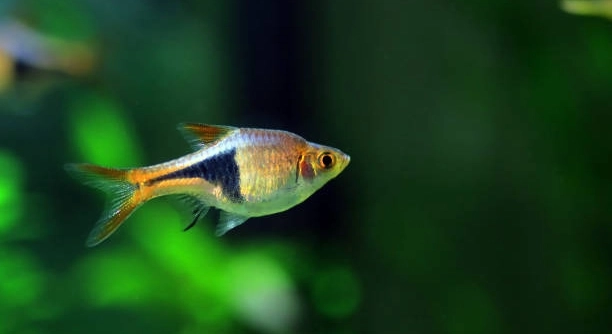
Rasboras are small, colorful fish that many hobbyists enjoy keeping in home aquariums. They are generally known for their calm nature, but not all behave peacefully in every tank environment. Observing their habits is key to maintaining harmony.
Peaceful behavior in rasboras is typically identified by their consistent schooling, gentle interactions with other fish, and avoidance of aggressive posturing. Monitoring movement patterns and feeding behavior provides reliable indicators of their temperament in a community tank.
Knowing how to identify these traits helps ensure a balanced and stress-free aquarium environment. This guide will highlight practical ways to recognize your rasboras’ peaceful nature.
Observing Schooling Patterns
Rasboras naturally swim in groups, often moving together in a coordinated way. Watching how they maintain formation can reveal a lot about their temperament. Peaceful rasboras stay close to their group, rarely isolating themselves, and respond calmly when other fish approach. When a rasbora repeatedly breaks away from the school or chases others, it can indicate stress or a more aggressive nature. Tank size and hiding spaces also affect schooling behavior. A crowded or barren tank may cause them to scatter or act out of character. Noticing these patterns early allows you to adjust the environment, ensuring the fish remain comfortable. Feeding times are especially telling, as peaceful rasboras will eat alongside their group without pushing or nipping. Over time, consistent observation builds a clear picture of which fish are naturally calm and which may require closer monitoring or separation to maintain a balanced aquarium environment.
Monitoring their schooling behavior daily can give you quick insight into their overall calmness and social comfort within the tank.
Keeping an eye on schooling is essential because it affects both individual fish and the group’s stability. Fish that swim together smoothly tend to stay healthier and experience less stress. Adjusting tank layout, adding plants, or changing decorations can improve their comfort, promoting consistent, peaceful schooling. By understanding these dynamics, you create an environment where rasboras feel secure, reducing aggressive tendencies and fostering harmony among all tank inhabitants.
Feeding Behavior
Peaceful rasboras tend to feed calmly alongside their schoolmates, showing no aggression or chasing.
Feeding behavior is a clear indicator of temperament. Rasboras that eat slowly, share space, and avoid nipping demonstrate peacefulness. Aggressive fish may dart quickly or push others aside. Observing how your rasboras interact at feeding time helps determine the group’s overall harmony. Ensuring proper portion sizes and consistent feeding schedules can further support calm behavior. Providing multiple feeding spots or floating food prevents competition and stress. This simple monitoring technique helps maintain balance, allowing all fish to thrive together without conflict.
Interaction with Other Fish
Peaceful rasboras coexist calmly with other non-aggressive species. They avoid chasing or harassing tankmates, and their presence does not create tension in the aquarium.
Observing interactions helps identify naturally calm individuals. Rasboras that swim past other fish without provoking or responding aggressively are likely peaceful. They may show curiosity but stop short of intimidation or confrontation. Occasionally, mild chasing can occur during feeding, but this is minimal compared to truly aggressive species. Tank composition also affects interactions; pairing rasboras with larger or fast-moving fish can sometimes trigger stress responses. Consistent calm interactions over several weeks indicate a stable temperament.
Stress signs can disrupt peaceful behavior, so monitoring health and water conditions is essential. Illness or poor water quality may cause normally calm rasboras to act erratically. Peaceful fish maintain regular swimming patterns, interact gently, and recover quickly from minor disturbances. Watching for subtle changes ensures early intervention, keeping the tank harmonious.
Response to Tank Changes
Rasboras generally adapt quickly to minor modifications in their environment, showing minimal stress. They continue normal swimming and feeding routines despite new plants, decorations, or tankmates.
Significant changes, like rearranging the entire tank, can temporarily unsettle them. Peaceful rasboras usually resume calm behavior within a day or two, avoiding hiding excessively or displaying aggression. Their ability to adjust without prolonged distress demonstrates temperament stability. Small disturbances, such as adjusting water flow or lighting, may cause brief hesitation, but they typically recover quickly. Monitoring their adaptation helps maintain consistent behavior and overall health.
Providing a consistent routine and gradual adjustments reduces stress and encourages peaceful interactions. Gradual acclimation to new decorations, plants, or tankmates allows rasboras to explore safely and retain calmness. They show curiosity without aggression, gently testing new spaces or following established schoolmates. Sudden or frequent changes can trigger erratic swimming, hiding, or minor nipping, indicating discomfort. By managing tank modifications thoughtfully, rasboras can thrive in a stable, low-stress environment that supports both individual and group well-being.
Color and Appearance
Healthy rasboras display bright, consistent colors and smooth scales. Dull or faded coloration can indicate stress or illness, which may temporarily affect peaceful behavior.
Uniform appearance across the school suggests comfort and well-being. When all fish show vibrant colors, it often reflects a calm and stable environment, promoting harmony within the tank.
Swimming Patterns
Peaceful rasboras maintain steady, coordinated swimming within their group. They rarely dart aggressively or chase other fish, moving in a smooth, predictable manner. Observing these patterns can reveal temperament, as sudden bursts of speed or erratic motion often indicate stress, discomfort, or emerging aggression.
Hiding Behavior
Rasboras that hide excessively or avoid the group may feel stressed or threatened. Consistent exposure to a safe environment reduces hiding and encourages calm social interaction.
FAQ
How can I tell if my rasboras are aggressive?
Aggressive rasboras often chase or nip at other fish repeatedly. They may isolate certain individuals or dominate feeding times. Watching for repeated displays of aggression, even minor, helps identify which fish may need monitoring or separation. Calm rasboras rarely show these behaviors and interact gently with all tankmates.
Do rasboras need a certain group size to remain peaceful?
Yes, rasboras feel most comfortable in groups of at least six. A larger school encourages natural schooling behavior and reduces stress. Small groups can lead to hiding, erratic swimming, or mild aggression due to insecurity. Maintaining an appropriate group size supports consistent, peaceful interactions.
Can tank size influence their temperament?
Tank size plays a major role in their behavior. Overcrowded tanks may trigger stress, causing normally peaceful rasboras to act out. Tanks that are too small limit swimming space, while spacious tanks with hiding spots allow them to move freely and interact calmly with others.
What role does water quality play in behavior?
Poor water quality can directly affect rasboras’ temperament. Elevated ammonia or nitrite levels, or fluctuating temperatures, may cause stress or aggression. Maintaining stable, clean water ensures peaceful behavior, regular feeding, and normal swimming patterns. Peaceful rasboras thrive in consistently monitored water conditions.
How do rasboras react to new tankmates?
Introducing new fish can temporarily unsettle rasboras. Peaceful individuals may investigate calmly, swim alongside the newcomers, and gradually include them in schooling behavior. Aggressive or stressed fish may chase or nip at new tankmates. Observing initial reactions helps adjust tank dynamics for harmony.
Can diet affect their behavior?
Yes, proper nutrition supports calm temperament. Uneven feeding or inadequate portions may lead to competition or mild aggression. Feeding small amounts several times daily and offering a balanced diet of flakes, micro pellets, or live food helps maintain peaceful, healthy behavior.
Do rasboras show different behavior at night?
At night, rasboras typically rest near plants or lower tank levels. They reduce movement and show less interaction but remain generally calm. Erratic nighttime swimming or hiding excessively can indicate stress or illness, requiring careful observation of water conditions and tank environment.
How do environmental changes impact their peace?
Sudden rearrangements of plants, decorations, or lighting can temporarily stress rasboras. Peaceful individuals resume normal behavior quickly, while stressed fish may hide or act aggressively. Gradual adjustments allow the group to explore safely, maintaining calmness and predictable schooling patterns.
Are some rasbora species naturally more peaceful than others?
Yes, certain species, like Harlequin or Chili Rasboras, are known for calm behavior, while others may show mild territorial tendencies. Knowing the species’ natural behavior helps set realistic expectations and design a compatible tank environment to support peaceful interactions.
How can I encourage peaceful behavior in the tank?
Providing enough space, hiding spots, and consistent feeding routines supports calmness. Maintaining clean water, stable temperatures, and an appropriate school size further reduces stress. Observing daily behavior and making minor adjustments ensures rasboras remain peaceful, healthy, and harmonious within their community.
What signs indicate a peaceful tank overall?
A peaceful tank shows smooth schooling, calm feeding, minimal chasing, and limited hiding. Fish display bright, consistent colors and interact gently. Sudden aggression or erratic swimming signals issues that require adjustments to maintain the harmonious environment. Regular observation is key to sustaining peace.
How long does it take to assess their temperament?
Monitoring over several weeks provides the clearest picture. Initial adjustment periods may include minor chasing or hiding. Long-term observation of consistent schooling, calm feeding, and gentle interactions confirms which individuals are naturally peaceful, ensuring stability in the aquarium.
Can peaceful behavior change over time?
Yes, stress, illness, or environmental changes can temporarily alter behavior. Rasboras that are usually calm may act aggressively or hide if conditions worsen. Addressing water quality, tank layout, and diet helps restore peaceful behavior and maintain a balanced tank environment.
Do rasboras recognize tankmates?
Rasboras exhibit familiarity with their schoolmates, often swimming alongside known individuals. Peaceful fish maintain close schooling and gentle interactions, while stress or aggression disrupts this recognition. Observing these interactions provides insight into the overall harmony of the group.
What are the easiest ways to check for peace daily?
Daily checks include observing schooling patterns, feeding behavior, interactions, and swimming consistency. Briefly noting colors, hiding frequency, and responses to minor tank changes helps catch stress early. Simple, consistent monitoring ensures your rasboras remain calm, healthy, and integrated within their community.
Final Thoughts
Peaceful rasboras are the result of careful observation, proper tank setup, and consistent care. Understanding their natural behavior helps create an environment where they can thrive alongside other fish. These small, colorful fish are generally calm, but their temperament can be influenced by factors like tank size, water quality, diet, and group dynamics. A school of rasboras that swims together smoothly, eats calmly, and interacts gently is usually a sign of a well-maintained and balanced aquarium. Monitoring their behavior regularly allows you to notice any changes early, which can prevent stress or conflict from developing. Peaceful rasboras contribute to a harmonious tank, and knowing how to identify and support their calm nature ensures that the entire aquatic environment remains stable and healthy.
Maintaining a peaceful group requires attention to several details. Adequate tank space is essential to allow free swimming and reduce stress. Hiding spots and plants provide security and reduce tension during feeding or environmental changes. A consistent feeding schedule with balanced nutrition supports calm behavior, as competition for food can sometimes trigger aggression. Observing interactions during feeding, schooling patterns, and responses to new decorations or tankmates gives clear insight into their temperament. Even minor signs of stress, such as hiding excessively or darting suddenly, should be addressed promptly. Regular water testing, proper filtration, and stable temperature control are critical for creating conditions that encourage natural, peaceful behavior. Attention to these factors makes it easier to maintain a calm, vibrant community of rasboras.
Patience and consistency are key when caring for rasboras. Their behavior is influenced by gradual changes rather than sudden ones, so introducing new tankmates, rearranging decorations, or altering water parameters should be done carefully. By observing how rasboras react over time, you can better understand their personalities and ensure that peaceful fish remain calm and integrated within the group. Healthy, well-cared-for rasboras display vibrant colors, smooth swimming patterns, and gentle interactions, creating a visually pleasing and low-stress environment. Taking the time to monitor, adjust, and maintain their habitat fosters a sense of security for the fish and enhances the overall stability of the aquarium. By focusing on these simple yet important practices, you can enjoy a balanced, peaceful tank where rasboras and other compatible species coexist happily, reducing stress and promoting long-term well-being for all aquatic inhabitants.

Hello,
If you enjoy the content that we create, please consider saying a "Thank You!" by leaving a tip.
Every little bit helps us continue crafting quality advice that supports the health, happiness, and well-being of pets around the world, for pets of all shapes, sizes, and species.
We really appreciate the kindness and support that you show us!