
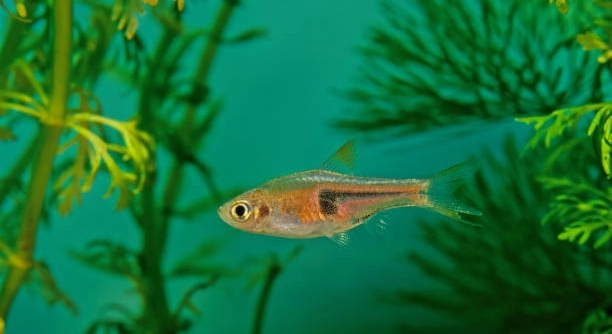
Rasboras are small, colorful fish that bring life to home aquariums. Their lively movements and social behavior make them enjoyable to watch for both new and experienced fishkeepers. They often interact with each other in fascinating ways.
Rasboras display a variety of social and feeding behaviors, including shoaling for safety, coordinated swimming, and selective foraging. Their interactions reveal communication patterns and environmental responses, providing insights into their natural instincts and overall wellbeing in captivity.
Observing these behaviors can improve how you care for them, ensuring a healthier and more engaging aquarium environment for your rasboras.
Shoaling Behavior in Rasboras
Rasboras are highly social fish that prefer to swim in groups, known as shoals. Being in a shoal helps them feel secure and reduces stress, which is essential for their health. When kept alone, they may become timid and hide more often, showing less of their natural behavior. Shoaling also allows them to coordinate movements and respond to potential threats efficiently. In aquariums, it is best to keep at least six rasboras together to mimic their natural grouping. Their synchronized swimming can be mesmerizing, creating a dynamic and lively tank environment. Observing how they interact within the group can reveal subtle hierarchies and personalities among individual fish. Shoaling is not just about safety; it also enhances feeding efficiency. Fish in a shoal can spot food more quickly and share feeding areas. This behavior reflects their instinctive drive to survive and thrive together, making them more active and visually appealing.
Shoaling helps rasboras reduce stress and improve overall activity, making the aquarium a more engaging and balanced environment.
Keeping a proper group size encourages natural interactions, reduces aggression, and promotes healthy growth. Watching their coordinated swimming provides insight into their social structure and instincts. For tank setups, incorporating hiding spots and open swimming areas ensures comfort while allowing observation of their behavior. Overcrowding can lead to stress, while too few fish can make them appear lethargic. Maintaining water quality and consistent conditions further supports shoaling behavior. These considerations help the fish display natural habits and improve their well-being.
Feeding and Foraging Patterns
Rasboras are active feeders that enjoy small, frequent meals throughout the day. Their diet typically consists of flakes, micro-pellets, and live or frozen foods.
They often forage together, picking through plants and substrate to find edible items, demonstrating selective feeding habits and preference for certain food types.
Observing their feeding behavior can reveal which foods they prefer and how they interact with tankmates during mealtime. Some individuals may be more assertive, while others hang back, highlighting social dynamics within the group. It is important to provide a variety of food to ensure proper nutrition and to stimulate natural foraging instincts. Overfeeding can lead to water quality issues, while underfeeding may cause stress and malnutrition. Spacing out meals and offering occasional live foods encourages movement and healthy activity levels. Rasboras often feed near the surface or mid-water, but they may explore lower areas for hidden food. Providing floating and sinking options caters to their different preferences and promotes natural behavior. Feeding times can also become a bonding routine, allowing observation of their interactions and personalities within the shoal.
Color Changes and Mood
Rasboras often change their color slightly based on mood, health, or environment. Stress, excitement, or illness can make their colors dull or more vibrant. Observing these shifts helps identify their well-being and overall comfort in the tank.
Color changes in rasboras are subtle but significant. When they are calm and healthy, their natural hues appear bright and consistent. Stressful conditions, such as poor water quality or aggressive tankmates, can cause fading or blotching. Mating behavior can also trigger temporary intensification of colors, especially in males. Lighting and diet influence pigmentation as well. Healthy nutrition rich in carotenoids and proteins supports vibrant coloration, while sudden changes in water parameters can lead to muted tones. Regularly monitoring their colors provides an early warning system for potential issues, making it easier to adjust care practices promptly.
Noticing color variations helps understand their interactions. When males display brighter colors, it often signals dominance or readiness to spawn. Females may show subtle changes when stressed or during feeding. These shifts communicate mood to other tankmates, influencing shoaling and social behavior. Maintaining stable water conditions and a balanced diet ensures these natural color patterns remain healthy. Changes can also indicate adaptation to new surroundings or recovery from illness, offering insight into the overall tank environment and social dynamics.
Breeding Behavior
Rasboras display unique breeding behaviors that can be observed with careful attention. Males often become more colorful and active during courtship, swimming near females persistently and performing subtle chasing movements.
During breeding, females release eggs among plants or fine substrate, while males fertilize them externally. This process requires clean, slightly acidic water to increase success rates. Eggs are small, sticky, and often hidden to prevent predation. Breeding pairs may separate from the shoal temporarily, and males show protective behavior around egg-laying sites. Providing ample vegetation or spawning mops encourages natural behavior. Observation of these interactions offers insight into social hierarchy, mate selection, and reproductive instincts. Understanding these patterns helps create optimal conditions for healthy reproduction and supports overall fish well-being.
The courtship rituals and egg-laying strategies of rasboras reveal their careful selection of safe spawning sites and timing. Spawning occurs in the early hours of the day, with males circling females and guiding them to suitable locations. Females may lay dozens of eggs, which adhere to leaves or fine substrate. After fertilization, adults typically leave the eggs, making it necessary for fishkeepers to protect the clutch. Careful monitoring ensures that eggs are not eaten or damaged, increasing hatchling survival rates. Observing these behaviors enhances knowledge of their natural instincts and supports responsible breeding practices in home aquariums.
Schooling Coordination
Rasboras coordinate their movements closely within the shoal, creating synchronized swimming patterns. This behavior helps them avoid predators and maintain group cohesion, even in a confined aquarium space.
The coordination relies on visual cues and subtle body movements. Fish adjust speed and direction quickly to match neighbors, forming fluid, continuous patterns. This instinctive behavior improves survival and enhances tank aesthetics.
Resting and Hiding Spots
Rasboras require quiet areas to rest and feel safe. They often seek dense plants or shaded corners during inactive periods.
Providing hiding spots reduces stress and promotes natural behavior. Fish will return to these areas when feeling threatened or during sleep cycles, improving overall health.
Aggression and Territory
While generally peaceful, rasboras may show mild aggression when establishing personal space. Small displays like nipping or chasing occur, particularly among males.
Maintaining adequate space and a balanced shoal size helps minimize conflicts. Observing these interactions ensures harmonious tank dynamics.
What is the ideal group size for rasboras?
Rasboras are highly social and feel most comfortable in groups. Keeping at least six together ensures they display natural shoaling behavior. Smaller groups may become timid and hide, while larger groups encourage active movement and coordination. Proper group size improves their health, reduces stress, and creates a visually engaging tank environment.
How often should I feed my rasboras?
They thrive on small, frequent meals throughout the day. Feeding twice a day with a mix of flakes, micro-pellets, and occasional live or frozen foods meets their nutritional needs. Overfeeding can reduce water quality, while underfeeding may lead to stress or malnutrition. Providing varied food options also encourages natural foraging behavior.
Why do rasboras change color?
Color changes reflect mood, health, and environment. Bright, consistent hues indicate calmness and good health, while fading or blotching signals stress, poor water quality, or illness. Lighting, diet, and social interactions also influence coloration. Monitoring these changes helps identify potential issues early.
How can I encourage breeding?
Males display brighter colors and increased activity during courtship. Providing fine-leaved plants or spawning mops encourages egg-laying. Clean, slightly acidic water improves success rates. After spawning, adults generally leave eggs, so separating the clutch or providing protection enhances survival. Observing breeding behavior reveals social hierarchy and mating instincts.
Do rasboras need hiding spots?
Yes, they require shaded or densely planted areas to rest and feel secure. Hiding spots reduce stress and allow fish to retreat when threatened or during sleep cycles. Proper tank decoration mimics their natural environment and promotes overall health.
Can rasboras coexist with other fish?
They are generally peaceful and compatible with other small, non-aggressive species. Avoid housing them with large, aggressive fish that may chase or eat them. Observing interactions ensures harmonious tank dynamics and prevents stress-related health issues.
Why do rasboras swim in synchronized patterns?
Synchronized swimming, or shoaling, is instinctive. It helps avoid predators and maintains group cohesion. Fish respond to visual cues and subtle movements of neighbors, creating fluid patterns. This coordination enhances survival and provides an engaging display in aquariums.
What causes mild aggression in rasboras?
Although peaceful, rasboras may show occasional aggression while establishing personal space or during mating periods. Nipping or chasing is usually minor. Providing adequate space, balanced group sizes, and hiding spots minimizes conflicts and maintains harmony.
How important is water quality for rasboras?
Water quality is essential for their health, color, and behavior. Stable temperature, pH, and low ammonia levels prevent stress and disease. Regular testing and partial water changes ensure optimal conditions for natural behavior and longevity.
What should I observe to know my rasboras are healthy?
Bright colors, active swimming, coordinated shoaling, and regular feeding are good indicators. Lack of activity, faded coloration, or hiding excessively signals stress or illness. Monitoring behavior helps maintain well-being and allows prompt intervention if needed.
Rasboras are small fish with surprisingly rich and engaging behaviors. From their coordinated shoaling to subtle color changes, they display instincts that reflect both survival strategies and social interactions. Observing them in an aquarium provides a window into their natural tendencies, revealing how they communicate, forage, and respond to their environment. Their behaviors are not only fascinating to watch but also provide important clues about their health and well-being. Understanding these patterns helps create an environment that supports their physical and mental needs, encouraging activity, reducing stress, and maintaining overall balance within the tank. When their natural behaviors are respected and accommodated, rasboras thrive, offering both aesthetic appeal and a dynamic addition to the aquarium.
Proper care of rasboras involves more than just feeding and maintaining water quality. Their social structure, resting habits, and even mild displays of aggression all contribute to the overall dynamics of the group. Ensuring a suitable shoal size, providing hiding spots, and maintaining clean water conditions are key to promoting natural behavior. Color changes, often linked to mood or health, are an additional factor to monitor, as they can indicate stress or discomfort. Breeding behavior is another area where observation can offer insight, showing how males court females, how eggs are laid, and how the fish interact during this process. Paying attention to these details allows for a more harmonious aquarium where the fish are comfortable, active, and healthy, reducing the risk of illness or stress-related problems.
Rasboras are more than decorative fish; they are small creatures with intricate behaviors that deserve careful attention. By observing their patterns, providing appropriate environmental conditions, and understanding their natural instincts, you create a space where they can flourish. Each element of their care, from diet and group size to resting areas and breeding opportunities, contributes to their overall quality of life. Watching them move as a coordinated shoal, forage actively, or display subtle changes in color is both rewarding and informative. Focusing on these aspects ensures that your aquarium is not only visually pleasing but also a supportive and engaging habitat for rasboras, allowing their full range of natural behaviors to be expressed.

Hello,
If you enjoy the content that we create, please consider saying a "Thank You!" by leaving a tip.
Every little bit helps us continue crafting quality advice that supports the health, happiness, and well-being of pets around the world, for pets of all shapes, sizes, and species.
We really appreciate the kindness and support that you show us!