
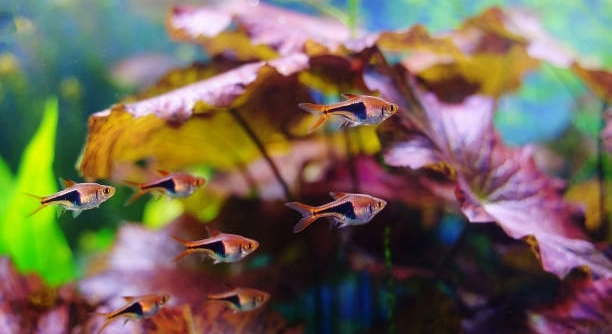
Keeping rasboras healthy is important for any aquarium enthusiast. These small, delicate fish are sensitive to changes in water and environment, and illness can appear quickly. Knowing how to help them recover can make a big difference.
Helping a rasbora recover from illness requires isolating the affected fish in a clean, properly heated tank, maintaining stable water conditions, providing high-quality food, and monitoring its behavior and health regularly to ensure a safe recovery process.
Taking the right steps early can prevent more serious health issues. With proper care, your rasbora has a better chance to regain strength and vitality.
Identifying Signs of Illness in Rasboras
Rasboras can show subtle signs when they are unwell, making careful observation crucial. Look for changes in swimming patterns, such as lethargy, floating near the surface, or hiding more than usual. Physical changes like faded colors, torn fins, or spots on the body often indicate stress or disease. Appetite loss is another common sign; a healthy rasbora should eat regularly. Frequent scratching against objects may suggest parasites, while rapid gill movement could indicate poor water quality or infection. Noticing these signs early allows for quicker intervention, which can greatly improve recovery chances. Water quality testing is important as ammonia, nitrite, or nitrate spikes often trigger illness. Monitoring temperature and pH levels ensures they remain within a safe range. Observing the tank daily helps catch these subtle cues before they develop into serious health problems. Proper lighting and avoiding sudden environmental changes also support overall fish wellbeing.
Acting on early signs often prevents severe health issues and gives your rasbora a better recovery chance.
Paying attention to small changes in behavior or appearance will help you act before illness becomes serious, keeping your fish safe and healthy.
Setting Up a Recovery Tank
A separate recovery tank helps prevent stress and contamination in the main aquarium.
Preparing a recovery tank involves cleaning it thoroughly and filling it with treated water matching the main tank’s temperature and pH. Avoid adding decorations that may injure the fish, but include a few hiding spots to reduce stress. Gentle filtration is necessary to maintain water clarity without creating strong currents. Introduce the sick rasbora carefully, monitoring its response to the new environment. Regularly test water parameters to ensure stability. Feeding should consist of high-quality, easily digestible food, and portions should be small to prevent water pollution. Observation is key—note any changes in swimming, color, or appetite daily. Gradually, as the fish shows improvement, you can slowly adjust conditions to match the main tank before reintroduction. Maintaining consistent conditions and minimizing disturbances will help the fish regain strength.
Keeping the recovery tank simple and controlled increases the rasbora’s chance of healing safely and steadily.
Feeding and Nutrition During Recovery
Provide small, frequent meals to reduce stress and improve digestion. Use high-quality, easily digestible foods suitable for sick rasboras.
Balanced nutrition is critical for recovery. Offer a mix of flake food, micro pellets, and occasional frozen or live foods like daphnia or brine shrimp. Avoid overfeeding, as uneaten food can quickly pollute the water. Each portion should be small enough for the fish to finish in a few minutes, supporting proper digestion without overwhelming its system. Supplements or vitamin-enriched foods can also help strengthen the immune system, giving the fish a better chance to fight off illness. Observing how the rasbora responds to each meal helps adjust feeding routines effectively.
Consistency is key. Feed the same type of food at the same times daily. Changing food abruptly or skipping meals can increase stress, delaying recovery. Tracking appetite and energy levels ensures the fish gets the nutrition it needs to regain strength gradually.
Maintaining Water Quality
Stable water conditions reduce stress and prevent further illness.
Regular water changes and filtration maintenance are essential. Test ammonia, nitrite, nitrate, and pH levels frequently, keeping them within safe ranges for rasboras. Avoid sudden temperature swings, as these can worsen health. Adjust heater and filter settings carefully, and remove uneaten food or debris promptly. Soft, gentle water flow is preferable to strong currents that can tire weak fish. Using a water conditioner ensures harmful chemicals are neutralized, protecting sensitive gill tissue. Maintaining clean water minimizes the risk of secondary infections, which can be fatal for sick fish.
Aeration and proper lighting also support recovery. Light should mimic a natural day-night cycle, encouraging normal activity without stressing the fish. Observing water clarity and behavior daily ensures the environment remains safe and supportive, allowing the rasbora to focus energy on healing rather than coping with poor water conditions. A stable, clean habitat is fundamental for full recovery and long-term health.
Monitoring Behavior Closely
Watch for changes in swimming, appetite, and interaction with other fish. Small shifts often indicate improvement or setbacks.
Keep a daily log of observations. Note energy levels, color, and response to food. Tracking patterns helps detect issues early and adjust care effectively.
Using Medication When Necessary
Only use medications specifically suited for rasboras. Follow dosage instructions carefully to avoid harm.
Treatments vary depending on the illness. Bacterial infections often require antibiotics, while fungal or parasitic issues need targeted remedies. Always isolate sick fish before medicating, as some treatments can affect other tank inhabitants. Monitor response closely, adjusting treatment if necessary. Avoid mixing medications without guidance, and continue treatment for the full recommended period, even if the fish shows rapid improvement. Removing untreated or leftover medicine prevents water contamination. Ensuring proper medication use supports full recovery while protecting the rest of the tank ecosystem.
Gradual Reintroduction to the Main Tank
Wait until the rasbora is strong and active before returning it.
FAQ
How long does it take for a rasbora to recover from illness?
Recovery time depends on the type and severity of the illness, as well as water quality and care. Mild illnesses can improve within a few days with proper care. More serious infections may take several weeks. Consistent feeding, clean water, and minimal stress help speed recovery. Patience is essential, as rushing the process can lead to setbacks.
Can I use regular aquarium water for the recovery tank?
Yes, but the water should be treated and matched in temperature, pH, and hardness to the main tank. Sudden changes in water conditions can stress the fish and worsen illness. Adding a water conditioner removes chlorine and harmful chemicals. Testing water daily ensures it stays stable and safe.
Is it necessary to isolate the sick fish?
Isolation is highly recommended. Sick rasboras are vulnerable and may transmit illness to other fish. A separate tank provides a stress-free environment, allowing easier monitoring, feeding, and treatment. It also prevents accidental exposure to contaminants or aggressive tank mates.
How often should I feed a sick rasbora?
Feed small amounts two to three times per day. Sick fish have smaller appetites, and small, frequent meals are easier to digest. Avoid overfeeding, as uneaten food pollutes the water. Offer high-quality, easily digestible foods like micro pellets, flake food, or frozen daphnia. Monitor appetite and adjust portion size accordingly.
Can temperature changes help in recovery?
Maintaining a stable, species-appropriate temperature supports immune function. Slightly increasing temperature within safe ranges can improve metabolism and recovery in some illnesses, but drastic changes can cause stress or shock. Always use a reliable heater and thermometer to prevent sudden fluctuations.
When should I consider using medication?
Only use medication if symptoms persist or worsen, or if diagnosis indicates bacterial, fungal, or parasitic infection. Always choose treatments formulated for rasboras and follow instructions precisely. Overuse or incorrect dosing can harm the fish or the tank ecosystem. Monitoring during treatment ensures effectiveness and safety.
Can stress affect recovery?
Yes, stress slows the immune system and prolongs illness. Avoid sudden movements, loud noises, or frequent handling. Provide hiding spots and calm surroundings. Consistent water parameters and minimal disturbances create a supportive environment for healing.
How do I know when my rasbora is ready to return to the main tank?
Return the fish only when it swims actively, eats normally, and shows no signs of illness. Gradually acclimate it by slowly mixing recovery tank water with main tank water over a period of 20–30 minutes. This reduces shock and ensures a smooth transition.
What can I do to prevent future illness?
Maintain stable water conditions, feed a balanced diet, and avoid overcrowding. Regular tank cleaning, testing water parameters, and quarantining new fish before introduction reduces disease risk. Stress reduction through hiding spots and gentle handling keeps rasboras healthier long-term.
Are some rasboras more prone to illness than others?
Yes, some species are more sensitive to water quality changes and stress. Research specific needs for your species, including temperature, pH, and social behavior. Meeting these requirements helps prevent common health issues.
Is it safe to keep multiple sick fish together?
Generally, no. Mixing sick fish can spread disease and increase stress. If multiple fish are ill from the same source, consider separate recovery tanks or ensure water treatment and careful monitoring to reduce cross-contamination.
How often should I change water in the recovery tank?
Frequent partial water changes, about 20–30% daily or every other day, help maintain clean water and remove toxins. Always use treated water with the same temperature and pH. Avoid complete water changes, as sudden shifts can stress the fish.
What signs indicate improvement during recovery?
Look for increased swimming activity, brighter colors, normal appetite, and reduced hiding. Improved gill movement and fewer visible spots or torn fins signal healing. Tracking these signs helps determine readiness for reintegration into the main tank.
Can I prevent illness with supplements or vitamins?
Supplementing with vitamin-enriched foods can support the immune system, but it cannot replace proper care. Balanced nutrition, stable water, and stress reduction are more important. Use supplements occasionally to strengthen health, especially during recovery or after stress events.
Is quarantine always necessary for new fish?
Yes, quarantining new fish for at least two weeks helps detect illness before introducing them to the main tank. It prevents outbreaks and protects existing fish. Observe behavior, appetite, and appearance during this period to catch any early signs of disease.
How do I handle a rasbora that refuses to eat?
Try offering a variety of easily digestible foods like live or frozen daphnia, brine shrimp, or softened flakes. Reduce stress and ensure water conditions are optimal. If the fish continues to refuse food, consult a specialist for potential underlying health issues.
Can poor water quality alone make a rasbora sick?
Yes, high ammonia, nitrite, or nitrate levels, incorrect pH, and temperature fluctuations can stress fish and trigger illness. Maintaining clean, stable water is one of the most important preventive measures to keep rasboras healthy.
What is the best way to monitor a sick rasbora without stressing it?
Observe quietly and avoid tapping the tank or sudden movements. Minimal handling reduces stress. Record behavior, appetite, and physical signs daily. Gentle monitoring provides critical information while keeping the fish calm.
Are there natural remedies that can help?
Some mild treatments, like aquarium salt in low concentrations, can support recovery for minor issues. However, natural remedies are not substitutes for proper care, clean water, and appropriate medication when necessary. Use them cautiously and follow guidance for dosages.
How do I know if my efforts are not enough?
If the rasbora’s condition worsens despite proper care, showing severe lethargy, rapid gill movement, or weight loss, professional advice or specialized treatment may be needed. Early consultation can prevent further decline and improve chances of recovery.
Caring for a sick rasbora requires patience and attention to detail. Each small step in the recovery process can make a big difference in the fish’s health. Providing a stable, clean environment is one of the most important factors. Sick rasboras are sensitive to changes, so keeping the water parameters consistent is essential. Temperature, pH, and hardness should match the main tank, and daily monitoring helps prevent any sudden shifts that could stress the fish further. Using a recovery tank also allows for easier observation and ensures that the sick fish is not competing for food or hiding space. Hiding spots and gentle water flow help reduce stress, which is important for the immune system to function effectively.
Feeding is another critical aspect of recovery. Sick rasboras often have a reduced appetite, so offering small, frequent meals of high-quality, easily digestible food helps them regain strength without overwhelming their digestive system. Frozen or live foods like daphnia or brine shrimp provide protein and nutrients, while vitamin-enriched flakes or pellets support immune function. Avoid overfeeding, as leftover food can quickly pollute the water and introduce bacteria or parasites. Paying close attention to how the fish responds to each meal helps adjust the feeding schedule and portion sizes effectively. Nutrition, combined with clean water and minimal stress, creates the ideal conditions for a rasbora to recover fully.
Observation is key throughout the recovery process. Keeping a daily log of behavior, appetite, color, and activity levels helps track progress and detect potential setbacks early. Changes in swimming patterns, gill movement, or coloration may indicate improvement or signal the need for further care. Using medication should be done carefully and only when necessary, following proper instructions for dosage and treatment length. Gradual reintroduction to the main tank should only occur when the fish is fully active, eating normally, and shows no signs of illness. With consistent care, patience, and attention to detail, rasboras can recover successfully and return to a healthy, active life in the main aquarium.

Hello,
If you enjoy the content that we create, please consider saying a "Thank You!" by leaving a tip.
Every little bit helps us continue crafting quality advice that supports the health, happiness, and well-being of pets around the world, for pets of all shapes, sizes, and species.
We really appreciate the kindness and support that you show us!