
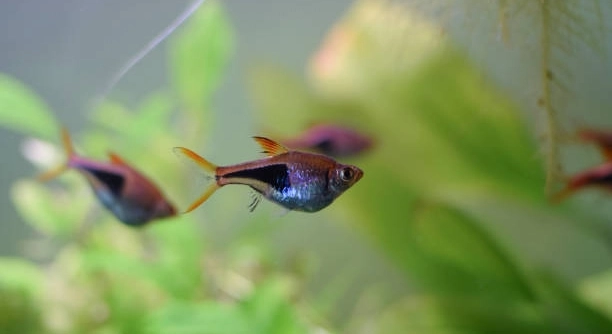
Have you ever noticed your rasboras acting a little different than usual in their tank? Observing small changes in behavior and appearance can help you identify when these fish are ready to breed.
Rasboras display readiness for breeding through physical changes, increased activity, and courtship behaviors. Recognizing these signs early ensures a healthier breeding process and allows aquarists to provide optimal conditions for egg laying and fry survival.
Knowing these cues will make caring for your rasboras easier and more rewarding, helping you support their natural reproductive cycle effectively.
Color Changes in Male Rasboras
Male rasboras often develop brighter and more vivid colors when they are ready to breed. Their fins may take on deeper hues, and the body can appear more shimmering under the aquarium light. This transformation is a natural part of their reproductive cycle and signals sexual maturity. Observing these changes helps in distinguishing males from females, especially in species where size differences are minimal. Increased coloration is also accompanied by more confident swimming and a tendency to patrol certain areas of the tank, establishing small territories. These visual cues are important for preparing the tank environment, as it encourages natural courtship behaviors and reduces stress among other tank mates. Lighting and water quality can influence how noticeable these color changes appear, so maintaining stable conditions is essential. Noticing these shifts early allows you to provide appropriate breeding conditions and anticipate pairing behavior between compatible rasboras.
Bright color changes indicate that males are sexually mature and preparing to display courtship behaviors for females.
Paying attention to color intensity helps in timing breeding setups. Male rasboras often show these changes first, which can guide selective pairing. Ensuring plants, hiding spots, and calm water encourages natural displays. Adjusting diet with protein-rich foods enhances vibrancy and readiness. By observing these cues, you can create a supportive environment that maximizes the chances of successful spawning while maintaining overall tank harmony.
Female Rasbora Rounds Up
Females ready to breed usually become fuller in the abdomen as eggs develop. The difference may be subtle at first but becomes more noticeable over time.
A rounded abdomen is a reliable indicator that the female is carrying eggs and preparing to spawn.
Monitoring the female’s body shape allows you to plan for breeding without causing stress. Providing areas with fine-leaved plants or spawning mops gives females safe spaces to lay eggs. Pairing them with attentive males who display vibrant colors increases the likelihood of successful fertilization. Water parameters like slightly acidic pH and stable temperature help mimic natural breeding conditions. Overfeeding or sudden changes in diet can affect egg development, so gradual adjustments are key. By keeping an eye on these physical cues, you can time the introduction of males and females effectively, ensuring a healthier environment for both adults and eventual fry. Careful observation and preparation reduce the risk of egg loss and stress-related behaviors.
Increased Activity and Swimming Patterns
Rasboras ready to breed become noticeably more active. Males may chase females gently, swim in quick bursts, or patrol the tank more frequently.
This heightened activity is part of natural courtship. Males swim near females, often nudging them toward plants or corners of the tank. Females respond with brief escapes or circling, indicating readiness to spawn. Observing these patterns helps identify compatible pairs and reduces stress, as aggression remains low. Adjusting tank decorations to provide more hiding spots can encourage healthy interactions and prevent accidental harm. Consistent water conditions support these behaviors and signal a safe environment for reproduction.
Watching their swimming patterns closely allows you to predict when spawning will occur. The pair often repeats these behaviors daily, giving you a clear window for preparing breeding sites. Providing gentle water flow and soft lighting enhances activity without causing stress. Over time, these movements become reliable indicators of readiness, helping you plan feeding schedules, introduce optimal plant coverage, and monitor interactions. By paying attention to these subtle signs, you can ensure a smoother breeding process, leading to healthier eggs and stronger fry in a supportive tank environment.
Nesting Behavior and Plant Interaction
Rasboras show a clear preference for plants and hiding areas when preparing to breed. They often hover near fine-leaved plants or spawning mops.
This behavior involves gently rubbing against leaves or gliding along plants to explore suitable egg-laying spots. Females tend to linger in these areas, and males follow, displaying colors to encourage spawning. Observing which plants attract attention helps determine where to place breeding mops or artificial alternatives. Providing dense vegetation or floating plants gives the fish security and encourages natural egg deposition. Reducing disturbances during this phase minimizes stress and increases the likelihood of successful fertilization.
Plant selection and arrangement directly affect breeding success. Fine-leaved species like Java moss or small-leafed aquarium plants are ideal for egg adhesion. Ensuring plants are healthy and free from algae prevents eggs from being smothered or damaged. Males often mark these areas with repeated passes, signaling preferred sites. Water movement should be gentle so eggs remain undisturbed. Regular observation of their plant interactions allows you to note favorite spots and maintain optimal conditions, improving survival rates for eggs and fry while keeping adult rasboras comfortable and stress-free.
Male Courtship Displays
Males show clear courtship behaviors, swimming in tight circles around females and flaring their fins. These displays are meant to attract attention and signal readiness for spawning.
They may also perform short, quick dashes near the female or hover close to potential egg-laying sites. This behavior helps guide females toward ideal spots in the tank.
Appetite Changes
Rasboras often increase their food intake before breeding. Males and females consume more protein-rich foods like brine shrimp or daphnia, which support energy and egg development. Regular feeding schedules and high-quality diets enhance their readiness and overall health, preparing them for the demands of reproduction.
Pair Bonding
Males and females begin spending more time close together. This bonding is subtle, often shown by synchronized swimming or gentle nudges, which indicates compatibility for breeding.
What is the ideal age for rasboras to start breeding?
Rasboras typically reach sexual maturity between six and nine months of age. Males often mature slightly earlier than females, displaying brighter colors first. Ensuring that both males and females have reached full maturity is important for healthy spawning and higher survival rates of eggs and fry.
How can I tell male and female rasboras apart?
Males are generally slimmer with more vivid coloration, especially during breeding periods. Females tend to have rounder, fuller abdomens when carrying eggs. Observing their swimming patterns and interactions can also help distinguish them, as males often perform courtship displays while females respond by following or hovering near plants.
What water conditions support breeding?
Stable water conditions are crucial. Slightly acidic water with a pH around 6.5 to 7.0 and temperatures between 24–28°C (75–82°F) encourages natural spawning behavior. Gentle filtration and minimal water movement help prevent eggs from being disturbed, while soft, clean water reduces stress for both adults and fry.
Do rasboras need live plants to breed?
While not strictly necessary, fine-leaved plants or spawning mops significantly improve breeding success. Plants provide surfaces for egg attachment and create a sense of security for females. They also reduce the risk of adults eating eggs and encourage natural behaviors that increase the likelihood of fertilization.
How often do rasboras breed?
Once they reach maturity and conditions are favorable, rasboras can breed multiple times in a month. However, repeated spawning without proper recovery time can stress the female. Providing a balanced diet, high-quality nutrition, and periods of rest helps maintain health and supports consistent, successful breeding.
What should I feed rasboras before and during breeding?
A diet rich in protein supports egg development and overall energy. Live or frozen foods like brine shrimp, daphnia, or bloodworms are ideal. Supplementing with high-quality flake or pellet food ensures balanced nutrition. Feeding small amounts multiple times a day keeps fish healthy and encourages natural reproductive behaviors.
How can I prevent adults from eating their eggs?
Providing dense plants, spawning mops, or breeding tanks with separate egg traps helps protect eggs. Removing adults after spawning is often recommended to maximize survival rates. Some aquarists gently transfer eggs to a separate rearing tank, where conditions can be controlled and predation is minimized.
How long does it take for rasbora eggs to hatch?
Eggs usually hatch within 24 to 48 hours, depending on water temperature. Warmer water can speed up development, while cooler temperatures may slow it down. Keeping the water clean and stable ensures higher survival rates and healthier fry once they emerge.
How should I care for newly hatched fry?
Fry require small, easily digestible food such as infusoria or powdered fry food initially. Gradually introducing baby brine shrimp or finely crushed flake food helps them grow. Frequent, small feedings and careful monitoring of water quality are essential, as fry are very sensitive to changes in their environment.
Can I breed rasboras in a community tank?
Breeding in a community tank is possible but not ideal. Other fish may eat eggs or stress the adults, reducing spawning success. Using a dedicated breeding tank with proper hiding spots and controlled water parameters gives the best results and ensures higher survival rates for eggs and fry.
What signs indicate successful fertilization?
Fertilized eggs appear slightly opaque or golden, while unfertilized eggs often turn white and become fuzzy due to fungus. Observing the adults’ behavior after spawning, such as guarding specific areas or repeatedly visiting planted spots, can also indicate successful fertilization.
How can I encourage repeat spawning?
Maintaining optimal water conditions, providing a nutritious diet, and ensuring adults have recovered after the first spawn are key. Gradually lowering water temperature slightly and then returning it to normal can simulate seasonal changes, often triggering repeat spawning behavior. Regular observation helps identify when they are ready again.
Are there common problems during breeding?
Egg fungus, predation by adults, and poor water quality are the most common issues. Preventing these involves separating eggs, providing plants or spawning mops, maintaining clean water, and minimizing stress. Addressing problems early increases the chances of healthy fry and a successful breeding cycle.
Can rasboras breed naturally without intervention?
Yes, rasboras can breed naturally if conditions are favorable. Stable water parameters, adequate space, high-quality food, and a comfortable environment often lead to spontaneous spawning. However, observing and supporting them with proper plants or spawning surfaces increases the success rate and helps ensure egg survival.
How long until fry resemble adult rasboras?
Fry grow quickly under proper conditions but take several weeks to develop adult coloration and body shape. During this time, frequent small feedings, clean water, and gentle tank conditions promote healthy growth. By around eight to ten weeks, juveniles begin to show species-specific patterns and colors.
Is it necessary to separate males and females outside breeding periods?
Not strictly necessary, but observing separate behaviors helps reduce stress during non-breeding periods. Providing adequate space, plants, and hiding spots allows fish to interact naturally while maintaining a calm environment, which supports overall health and future breeding readiness.
Can stress prevent breeding?
Yes, stress from poor water conditions, sudden changes, overcrowding, or aggressive tank mates can inhibit breeding. Ensuring stable water parameters, sufficient space, and minimal disturbances allows rasboras to display natural courtship behaviors and increases the likelihood of successful spawning.
How important is lighting for breeding rasboras?
Moderate, consistent lighting helps simulate natural day-night cycles. Bright lights can stress the fish, while very low light may reduce activity. A balanced schedule of around 10–12 hours of light per day encourages natural behaviors without causing unnecessary stress.
What role does water temperature play in breeding?
Temperature directly affects metabolism, egg development, and spawning behavior. Slightly warmer water within the ideal range encourages activity and accelerates egg maturation. Sudden fluctuations can stress fish, reduce fertility, or prevent spawning entirely, making stable temperature control essential for successful breeding.
Are there specific species of rasboras that breed more easily?
Some species, like the harlequin rasbora, are known for relatively easy breeding in home aquariums. Other species may require more precise conditions. Understanding the natural habitat and behavior of your specific species helps tailor tank setup, diet, and care practices for optimal breeding results.
How can I tell when eggs are ready to hatch?
Fertilized eggs often show visible eyes or slight movement within a day or two. Color changes and a transparent appearance indicate development. Monitoring these signs ensures proper timing for separating fry and preparing feeding routines immediately after hatching.
What are the key takeaways for successful rasbora breeding?
Stable water conditions, nutritious diet, proper tank setup with plants or spawning mops, careful observation of behavior, and minimal stress are all essential. Following these guidelines ensures healthy adults, successful spawning, and higher survival rates for eggs and fry.
How often should I check on the breeding tank?
Daily monitoring is recommended to observe behavior, water quality, and egg condition. Frequent checks allow quick intervention if issues arise, such as fungus on eggs or aggressive behavior, ensuring a higher chance of successful hatching and healthy fry growth.
Can I use synthetic spawning aids instead of plants?
Yes, spawning mops or artificial brushes can mimic natural plant surfaces for egg attachment. They are easy to clean and remove, reducing the risk of fungus and predation. Combining artificial aids with some natural plants often provides the best environment for breeding rasboras.
How do I maintain water quality during breeding?
Regular small water changes, gentle filtration, and avoiding overcrowding are key. Clean water prevents fungal growth on eggs and supports fry health. Monitoring pH, temperature, and hardness ensures stable conditions, reducing stress and improving overall reproductive success.
What is the survival rate of rasbora fry in home aquariums?
Survival rates vary depending on conditions and care. With proper separation, feeding, and clean water, many fry survive to juvenile stage. Neglecting egg protection, water quality, or nutrition can significantly reduce survival, making attentive management essential for successful breeding.
How long does it take for fry to become independent?
Fry gradually gain strength and coordination over several weeks. Initially, they rely on infusoria and fine foods. By three to four weeks, they can handle small brine shrimp or crushed flake, becoming more independent while still benefiting from careful observation and clean water conditions.
Can breeding stress adults?
Breeding does temporarily increase activity and interaction, which can be stressful if tank conditions are poor. Providing enough space, plants, and hiding areas reduces stress. Gradual changes in environment and careful monitoring ensure that adults remain healthy throughout the breeding period.
Do rasboras require a specific diet after spawning?
Yes, adults benefit from protein-rich foods to recover energy lost during spawning. Balanced flake or pellet supplements, along with live or frozen options, help restore health and prepare them for future breeding cycles, maintaining overall vitality in the aquarium.
Are there signs that eggs will not survive?
White, fuzzy eggs often indicate fungal infection or failed fertilization. Excessively disturbed or eaten eggs also fail to develop. Prompt removal of affected eggs and maintaining clean, stable water increases the chances of survival for healthy eggs.
How important is patience during the breeding process?
Patience is essential. Rasboras may take days or weeks to fully display readiness and complete spawning. Observing behavior, waiting for eggs to develop, and providing consistent care without rushing ensures successful breeding and healthier fry outcomes.
Can breeding rasboras be done year-round?
Yes, if water conditions, temperature, and diet are maintained consistently. Seasonal variations are less critical in controlled aquariums, allowing multiple breeding cycles per year, provided adults have adequate recovery and environmental stability.
What common mistakes should be avoided?
Overcrowding, sudden water changes, inadequate food, and lack of spawning surfaces are frequent mistakes. Monitoring behavior, maintaining clean water, and providing proper nutrition and hiding spaces help avoid these issues and ensure higher breeding success.
How can I maximize fry survival?
Separate eggs or fry, maintain clean water, provide frequent small feedings, and minimize disturbances. Observing development and adjusting conditions carefully promotes healthy growth, reducing mortality and increasing the likelihood of raising strong, vibrant juvenile rasboras.
Is it possible to breed multiple pairs together?
Yes, but it requires sufficient space and hiding spots to reduce competition and stress. Providing multiple spawning sites and monitoring interactions helps ensure all pairs can breed successfully without interfering with each other, maintaining harmony in the tank.
How long until fry resemble adult rasboras?
Fry gradually develop adult coloration and shape over several weeks. By eight to ten weeks, species-specific patterns emerge, and juveniles start swimming confidently. Continuous observation and care during this period are essential for healthy growth and proper development.
Are there any signs of stress that indicate breeding issues?
Hiding excessively, erratic swimming, refusal to eat, or aggression can signal stress. Adjusting water conditions, providing plants or hiding areas, and reducing disturbances helps restore normal behavior and supports successful breeding outcomes.
Can I reuse spawning mops for multiple cycles?
Yes, if cleaned carefully to remove algae, debris, and any fungal traces. Proper maintenance ensures the mops remain safe and effective for repeated spawning, providing consistent surfaces for egg attachment without introducing risks to new eggs.
What is the best way to introduce males and females for breeding?
Gradually acclimate both sexes to the breeding tank. Observing behavior during initial interactions helps prevent aggression and encourages natural courtship. Providing plants or spawning mops creates comfortable areas for the pair to engage in reproductive behaviors with minimal stress.
Are there any long-term care considerations for adult rasboras after breeding?
Maintaining a balanced diet, stable water conditions, and adequate space prevents stress and supports future breeding cycles. Regular observation ensures health issues are addressed promptly, keeping adults active, vibrant, and ready for subsequent spawning events.
How can I tell if fry are thriving?
Active swimming, steady growth, and healthy coloration indicate thriving fry. Consistent feeding and clean water contribute to strong development. Monitoring behavior and adjusting feeding or tank conditions ensures continued growth and reduces mortality risks during early life stages.
Is it necessary to separate male and female fry?
Not immediately. Fry can remain together until sexual maturity, but observing growth and behavior can help identify potential aggression or dominance issues. Once maturity is reached, separating or providing sufficient space prevents stress and prepares them for future breeding.
Can breeding rasboras improve their health?
Yes, with proper care, breeding encourages activity, natural behavior, and engagement with their environment. Adequate nutrition and optimal conditions during and after breeding support overall vitality, leading to healthier, more vibrant adults capable of successful future spawning.
How long should I wait between breeding cycles?
Allow at least a few weeks of recovery for females, depending on egg production and health. This rest period prevents exhaustion, ensures proper nutrition replenishment, and maintains adult vitality, improving chances for successful subsequent breeding cycles.
Do rasboras ever refuse to breed?
Yes, factors like stress, poor water conditions, incompatible pairs, or inadequate nutrition can prevent breeding. Adjusting the environment, ensuring optimal diet, and observing compatibility increases the likelihood of successful spawning while maintaining adult health.
Are there signs that fry are ready to eat solid food?
Once fry develop coordination and can swim steadily, they can handle small brine shrimp, crushed flakes, or other finely divided foods. Gradually transitioning them from infusoria or powdered diets ensures healthy growth and minimizes mortality during early development stages.
Can adult rasboras breed without a change in water parameters?
Some may, but adjusting water slightly to mimic seasonal changes encourages natural spawning behavior. Minor temperature or pH shifts can stimulate reproductive instincts, increasing the likelihood of successful egg laying and fertilization.
What is the role of observation in breeding rasboras?
Careful observation helps identify readiness, courtship behavior, egg-laying sites, and potential problems. Regular monitoring ensures timely interventions, reduces stress, and supports higher survival rates for both adults and fry, leading to more consistent breeding success.
Are there any tips for first-time breeders?
Start with a small, healthy pair in a well-planted tank, maintain stable water, provide protein-rich food, and monitor behavior closely. Patience, careful observation, and minimal disturbances are key to successful breeding and raising healthy fry.
How do I know when to remove adults from the breeding tank?
Once eggs are laid, removing adults prevents predation and stress. Observing egg development and adult behavior helps determine the best time to separate them, ensuring higher survival rates and safer conditions for fry.
Can rasboras breed without live food?
Yes, but live or frozen foods improve egg quality and adult vitality. High-quality pellets or flake food can supplement diet, but including live or frozen protein sources increases spawning success and supports natural reproductive behavior.
What is the best way to clean the breeding tank after a cycle?
Remove uneaten food, debris, and any fungus from plants or spawning surfaces. Conduct partial water changes and gently clean the tank without stressing remaining adults. This ensures a safe, healthy environment for future breeding cycles.
How do I manage multiple breeding pairs in the same tank?
Provide sufficient space, multiple spawning sites, and hiding areas. Observe interactions to prevent aggression or interference. Separating eggs or fry immediately after spawning ensures higher survival and reduces stress among adults.
Are there signs that breeding will be delayed?
Lack of color change in males, inactive swimming, refusal to eat, or absence of courtship displays can indicate delays. Adjusting water parameters, diet, and tank environment often helps stimulate natural behaviors and triggers spawning readiness.
Can environmental enrichment affect breeding success?
Yes, providing plants, hiding spots, and gentle water flow encourages natural behaviors, reduces stress, and improves courtship displays. A well-structured environment supports higher fertilization rates and healthier fry development.
Is monitoring pH and hardness necessary during breeding?
Yes, stable pH and water hardness create optimal conditions for egg fertilization and fry health. Sudden changes can cause stress or egg loss. Regular testing ensures water parameters remain within safe ranges for successful breeding.
How often should I feed fry after hatching?
Small, frequent feedings multiple times per day support growth and reduce competition. Initially, infusoria or powdered fry food works best, transitioning gradually to baby brine shrimp or finely crushed flake as fry develop.
Can temperature changes trigger spawning?
Slight increases or decreases within the ideal range can simulate seasonal cues, encouraging spawning behavior. Gradual adjustments prevent stress while signaling adults to prepare for reproduction, increasing the likelihood of successful egg laying.
Are there any long-term effects of repeated breeding cycles?
Repeated breeding without adequate recovery can stress females and reduce fertility over time. Providing rest periods, proper nutrition, and stable conditions ensures ongoing health and maintains reproductive capacity for future cycles.
Can I breed rasboras without a planted tank?
Yes, artificial spawning mops or fine brushes can replace plants. They provide surfaces for egg attachment and reduce the risk of egg predation. Combining artificial aids with minimal decoration can still support successful breeding.
How do I prevent fungal growth on eggs?
Maintaining clean water, separating eggs from adults, and providing gentle water flow reduces fungus. Removing affected eggs promptly and using healthy plants or spawning mops further protects developing embryos and increases fry survival.
What is the typical size of a rasbora clutch?
Clutch size varies by species and female health but usually ranges from 50 to 200 eggs. Proper nutrition, water conditions, and minimal stress directly influence the number of eggs a female can produce successfully.
Can stress from tank mates affect breeding?
Yes, aggressive or overly active tank mates can prevent courtship, cause hiding, or lead to egg predation. Keeping a dedicated breeding tank or providing ample hiding spaces minimizes stress and encourages natural reproductive behavior.
How long should I observe spawning behavior before intervening?
Watching courtship and egg-laying for several hours to a day allows you to determine if conditions are suitable. Minimal interference ensures natural behavior while allowing timely actions like separating eggs or adjusting the tank to prevent predation or stress.
Is lighting intensity important for fry development?
Moderate lighting supports visibility and natural behavior without causing stress. Excessively bright light can harm fry, while very low light may reduce activity and feeding. Balanced lighting encourages healthy growth during early stages.
How can I ensure both males and females remain healthy post-breeding?
Provide a balanced diet, maintain stable water conditions, reduce stress, and allow recovery time. Monitoring behavior and health ensures adults regain strength and remain capable of future successful breeding cycles.
Are there any seasonal considerations for breeding?
Simulating seasonal changes in temperature, light, and diet can encourage spawning. Even in indoor tanks, slight adjustments can mimic natural cues, helping trigger reproductive behavior in both males and females
Breeding rasboras can be a rewarding experience, but it requires careful attention to detail and patience. Observing the subtle changes in behavior and appearance of both males and females is essential. Males often display brighter colors, increased activity, and courtship behaviors, while females show a rounded abdomen and selective interaction with plants or spawning surfaces. Recognizing these signs allows you to prepare the tank and provide optimal conditions for egg laying. Stable water parameters, consistent feeding with protein-rich foods, and gentle lighting all play a role in encouraging natural breeding behavior. While it may take time for fish to reach full readiness, careful observation and steady care make the process smoother and more predictable.
Once the breeding process begins, creating a safe environment for eggs and fry is crucial. Fine-leaved plants, spawning mops, or artificial brushes give females places to lay eggs and protect them from being eaten. Removing adults after spawning or separating eggs helps increase survival rates and reduces stress for both parents and developing embryos. Maintaining clean water through gentle filtration and partial water changes prevents fungal growth and supports healthy development. Feeding fry with small, easily digestible foods and gradually introducing more substantial options ensures steady growth. Monitoring their behavior, growth, and environment helps address potential issues quickly, leading to healthier, stronger juvenile rasboras. Careful attention to these details ensures the efforts put into preparing the breeding tank are rewarded with higher success rates and more robust fry.
Understanding the needs and behaviors of your rasboras not only helps in successful breeding but also improves overall care. Watching them interact, respond to the environment, and adapt to changes provides insight into their health and comfort. By keeping conditions stable, providing nutritious food, and offering suitable hiding and spawning spaces, you create an environment that supports natural behavior and reproductive cycles. Patience is key, as breeding may not always happen immediately, and repeated attempts can be necessary. Over time, observing patterns and learning from each cycle builds confidence and knowledge. Supporting your rasboras in this way enhances their well-being and creates a more balanced, engaging aquarium where adults and fry thrive together.

Hello,
If you enjoy the content that we create, please consider saying a "Thank You!" by leaving a tip.
Every little bit helps us continue crafting quality advice that supports the health, happiness, and well-being of pets around the world, for pets of all shapes, sizes, and species.
We really appreciate the kindness and support that you show us!