
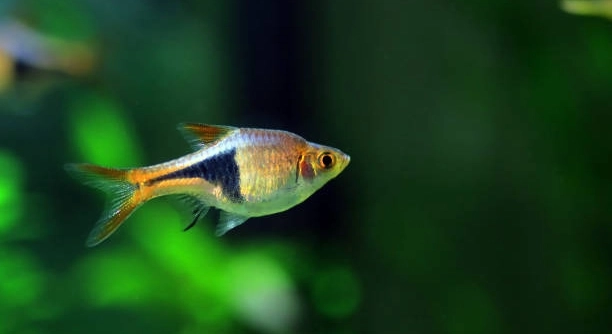
Rasboras are small, peaceful fish that thrive in well-maintained aquariums. Choosing the right substrate can influence their health, behavior, and the overall aesthetic of the tank. A proper base supports both plants and fish comfortably.
The best substrate for rasboras is fine-grained, smooth sand or small, rounded gravel. This type minimizes injury risks, allows natural foraging behavior, and supports live plants. Avoid sharp or large substrates that can harm delicate fins and hinder movement.
Selecting the correct substrate ensures a healthier, more natural environment for rasboras. This choice impacts their behavior, tank maintenance, and the overall harmony of the aquarium.
Choosing the Right Grain Size
Fine-grained sand or small, rounded gravel works best for rasboras. These fish are delicate, and sharp or large substrate can damage their fins while swimming. Smooth substrates also make it easier for them to forage naturally, keeping them active and healthy. Plant roots anchor more effectively in fine materials, helping live plants thrive. Over time, substrates can accumulate waste, so choosing a size that is easy to clean benefits both the fish and the aquarist. Darker substrates can enhance the colors of rasboras, creating a calm environment that reduces stress. While some people prefer decorative stones, practicality matters more. Proper substrate selection supports natural behaviors, encourages exploration, and maintains water quality. Even small details, like grain texture, impact how comfortable rasboras feel in the tank. By observing their activity and interaction with the substrate, you can ensure their habitat is safe and stimulating for daily life.
Smooth, fine sand or gravel allows safe swimming and proper plant growth while maintaining tank cleanliness.
Selecting a substrate affects water quality, plant health, and fish activity. Fine materials reduce injury risk and help rasboras forage naturally. Rounded gravel prevents sharp edges, while sand encourages digging and exploring behaviors. Choosing a darker substrate can highlight their colors and promote a calm, stress-free environment. Consistency in grain size makes cleaning easier and prevents trapped debris. Plants root better in smaller particles, supporting oxygen production and filtration. Over time, sediments may shift, so periodic maintenance is needed. Substrate selection is not just aesthetic—it directly influences fish comfort, movement, and long-term tank stability. Observing your rasboras’ interactions with the substrate helps ensure the environment is suitable, safe, and visually appealing.
Substrate and Water Quality
Substrate affects water chemistry and clarity. Fine sand can trap debris, requiring careful cleaning to prevent buildup.
Substrate choice impacts water parameters, waste accumulation, and plant growth. Fine or small substrates balance aesthetic appeal with functional benefits, supporting rasboras’ health. Sandy textures allow organic matter to settle safely, while gravel promotes filtration and circulation. Substrate color and type can influence stress levels and highlight fish colors. It also interacts with pH levels and hardness, especially in planted tanks. Regular vacuuming of sand or gravel prevents excess waste from decaying and affecting water quality. Choosing the proper substrate helps maintain consistent water conditions, which is crucial for sensitive species like rasboras. Proper selection supports biological filtration, plant stability, and fish well-being, creating a balanced aquarium environment. Careful observation ensures the substrate continues to meet the needs of both plants and fish, reducing maintenance challenges and encouraging natural behaviors.
Cleaning and Maintenance
Regular cleaning prevents harmful waste buildup in the substrate. Using a gentle siphon avoids disturbing sand or gravel while removing debris.
Vacuuming the substrate carefully keeps water clear and prevents harmful ammonia or nitrite spikes. Fine sand requires slower, cautious siphoning to avoid creating cloudy water. Gravel can be stirred lightly to release trapped particles, making filtration more effective. Substrate maintenance also benefits plant roots, as decaying matter can reduce nutrient availability. Observing fish behavior during cleaning ensures they remain comfortable and stress-free. Consistent upkeep extends substrate life, preserves aesthetics, and maintains a safe environment for rasboras, allowing them to forage naturally without exposure to accumulated waste.
Proper substrate care supports healthy fish, clear water, and thriving plants. Simple maintenance routines make a significant difference in tank balance and fish comfort.
Vacuuming frequency depends on tank size, fish load, and plant density. Over-cleaning can remove beneficial bacteria, while neglecting cleaning allows organic matter to decay. Sand layers may compact over time, so occasional gentle stirring helps oxygenate the bottom. Gravel requires attention to gaps where debris collects. Maintaining consistent cleaning habits ensures a stable habitat. Observing water clarity, plant health, and fish activity indicates if the substrate is being maintained effectively. The right balance keeps the aquarium clean without disrupting natural behaviors, supporting rasboras’ overall well-being and encouraging active exploration.
Substrate and Plant Growth
Plant roots anchor better in fine sand or small gravel. These substrates provide stability while allowing nutrients to reach the roots.
Substrate type directly influences plant growth in the aquarium. Sand allows delicate roots to spread without resistance, while gravel prevents compaction and supports larger plants. Nutrients can be absorbed efficiently, promoting healthy stems and leaves. Darker substrates enhance contrast, making plant colors appear more vibrant and complementing rasboras’ natural hues. Over time, decaying plant matter may enrich the substrate, contributing to a balanced ecosystem. Mixing nutrient-rich soil under sand or gravel further supports growth. Choosing the right substrate ensures plants thrive, remain stable, and contribute to a natural, healthy environment for rasboras to swim and explore freely.
Healthy substrate encourages dense, stable plant growth while maintaining fish comfort. Proper anchoring reduces uprooting and ensures long-term tank stability, supporting both flora and fauna.
Substrate Depth
A depth of one to two inches is generally sufficient for rasboras. Too deep a substrate can trap waste and make cleaning difficult.
Shallow layers make it easier for plants to root and for water circulation to reach the bottom. Excessively deep substrates may create anaerobic zones, affecting water quality.
Substrate Color
Darker substrates help rasboras display their natural colors more vividly. Light-colored sand can make stress or illness more noticeable.
Choosing a substrate color affects both aesthetics and fish behavior. Dark tones create a calm environment, reducing stress and making fish more comfortable. The right color also highlights plant textures, complementing the tank’s overall appearance.
Mixing Substrates
Combining sand with fine gravel can provide both stability and ease of cleaning. A layered approach supports plants and fish movement naturally.
Substrate for Fry
Finer sand is ideal for raising rasbora fry. It prevents injury and allows easy foraging.
FAQ
What substrate is safest for rasboras?
Fine sand or small, rounded gravel is safest for rasboras. Sharp or large substrates can damage their delicate fins while swimming. Smooth textures allow natural foraging and digging, supporting their health and daily activity. Choosing safe substrate prevents injuries and promotes natural behaviors.
Can I use large gravel for rasboras?
Large gravel is not recommended. It can create gaps where debris collects, increasing the risk of bacterial growth and ammonia spikes. Rasboras may injure their fins on sharp edges, and plants struggle to root properly in oversized stones. Small, smooth gravel is better for their safety and tank balance.
How deep should the substrate be?
A substrate depth of one to two inches is sufficient. Shallow layers allow proper water circulation and easy cleaning. Too deep a substrate may trap waste and create anaerobic zones, which can negatively affect water quality and fish health over time.
Do rasboras prefer sand or gravel?
Rasboras are comfortable with both fine sand and small, rounded gravel. Sand allows gentle digging and prevents injuries, while gravel provides stability for plants and aids in filtration. Both substrates support natural behaviors, but sand may be slightly better for fry and delicate species.
Does substrate color affect fish behavior?
Yes. Dark substrates help rasboras display natural colors vividly and create a calm environment, reducing stress. Light-colored substrates may make them appear stressed or reveal dirt and debris more easily. The right color also complements plants and enhances the overall tank appearance.
How do I maintain substrate cleanliness?
Regular gentle vacuuming is essential. Sand requires slower siphoning to avoid cloudiness, while gravel can be stirred lightly to release trapped debris. Cleaning prevents harmful waste buildup, supports plant roots, and maintains water clarity. Observing fish during cleaning ensures they remain comfortable.
Can substrate impact plant growth?
Absolutely. Fine sand or small gravel provides proper anchoring for roots, allowing plants to access nutrients efficiently. Nutrient-rich soil under sand or gravel further supports healthy growth. Stable plants create a natural environment for rasboras and improve water quality through oxygenation.
Is mixed substrate effective?
Yes. Combining sand and fine gravel can provide stability for plants while allowing easy cleaning and natural foraging for rasboras. A layered approach balances aesthetics, fish comfort, and plant support, creating a healthier, functional aquarium environment.
What substrate works best for rasbora fry?
Finer sand is ideal for raising fry. It prevents injury to tiny fins and bodies while allowing easy foraging. Fry can explore safely without risk of getting stuck or harmed by sharp particles. Fine sand also simplifies cleaning and supports young fish development.
How often should substrate be cleaned?
Cleaning frequency depends on tank size, fish population, and plant density. Over-cleaning can remove beneficial bacteria, while neglecting cleaning allows debris to decay. Observing water clarity and fish behavior helps determine the right schedule. Regular maintenance keeps the environment safe and balanced for rasboras.
Does substrate affect water quality?
Yes. Substrate can influence pH levels, hardness, and clarity. Fine sand may trap organic matter, requiring careful cleaning, while gravel supports better filtration and circulation. Proper substrate selection helps maintain stable water parameters, essential for the health of sensitive rasboras.
Can I change substrate after setting up the tank?
Changing substrate is possible but should be done carefully to avoid stressing fish or uprooting plants. Gradual replacement and cleaning prevent water quality issues. Layering new substrate over the old can reduce disruption while improving aesthetics and functionality.
Are decorative stones safe for rasboras?
Decorative stones are safe only if smooth and free of sharp edges. Large or rough stones can injure fins and trap debris. Prioritize function over aesthetics, ensuring stones support natural behaviors and do not compromise water quality.
How do I prevent substrate from compacting?
Occasional gentle stirring of sand or gravel prevents compaction. Compacted substrate can create anaerobic zones, affecting water quality and root growth. Maintaining loose, oxygenated substrate ensures plant stability and a healthier environment for rasboras.
Can substrate enhance tank aesthetics?
Yes. Dark, fine substrates enhance fish and plant colors. Mixing textures or layering sand and gravel can create visual depth. Substrate choice influences both functionality and appearance, helping create a natural, balanced tank that showcases rasboras beautifully.
What should I avoid in substrate choice?
Avoid sharp, large, or chemically reactive substrates. These can injure fish, trap excessive debris, or alter water chemistry. Prioritize smooth textures, appropriate grain size, and stability to support plants, fish, and long-term tank health.
Choosing the right substrate for rasboras is a key part of creating a healthy and balanced aquarium. A suitable base not only protects their delicate fins but also allows them to display natural behaviors like foraging and exploring. Fine sand or small, rounded gravel is ideal because it reduces the risk of injury and provides a stable environment for plants to grow. Substrate choice also affects water circulation and cleanliness, as trapped debris can lead to poor water quality if not managed properly. Selecting the correct grain size and texture ensures that rasboras remain comfortable and active while keeping the tank easier to maintain over time. Observing how fish interact with the substrate can help identify whether adjustments are needed. A substrate that supports plant roots and allows gentle digging creates a natural habitat that promotes both fish health and overall tank stability. Consistency in substrate depth and type also helps maintain a clean, balanced environment, which is essential for these sensitive fish.
Maintaining the substrate is just as important as choosing the right type. Regular vacuuming of sand or gravel prevents waste from accumulating and helps maintain water clarity. Sand requires careful siphoning to avoid clouding the water, while gravel can be stirred lightly to release trapped particles. Cleaning supports plant growth by preventing nutrient imbalances caused by decaying matter. Proper maintenance ensures that beneficial bacteria continue to thrive, contributing to the tank’s natural filtration and keeping water parameters stable. Substrate selection and upkeep work together to create a healthy environment for rasboras. Even small details, like substrate color or layering, can influence fish behavior and reduce stress. Darker substrates tend to highlight the fish’s natural colors and promote a calm atmosphere. Ensuring that substrate is regularly checked and cleaned helps prevent problems and makes the aquarium easier to manage over the long term.
The impact of substrate extends beyond fish comfort to plant growth and tank aesthetics. Fine sand or small gravel provides a foundation for roots to anchor and absorb nutrients efficiently, supporting healthy stems and leaves. Layering nutrient-rich soil beneath the substrate further encourages robust plant development. Well-rooted plants improve water quality, produce oxygen, and create hiding spots, making the tank safer and more enjoyable for rasboras. Substrate color and texture enhance the overall look of the aquarium, providing contrast for plants and fish while contributing to a natural, balanced environment. Choosing and maintaining the right substrate is not just about appearance; it directly affects fish behavior, health, and longevity. A carefully selected substrate fosters a thriving, visually appealing tank that supports both plants and rasboras, ensuring a harmonious and sustainable aquatic environment for years to come.

Hello,
If you enjoy the content that we create, please consider saying a "Thank You!" by leaving a tip.
Every little bit helps us continue crafting quality advice that supports the health, happiness, and well-being of pets around the world, for pets of all shapes, sizes, and species.
We really appreciate the kindness and support that you show us!