
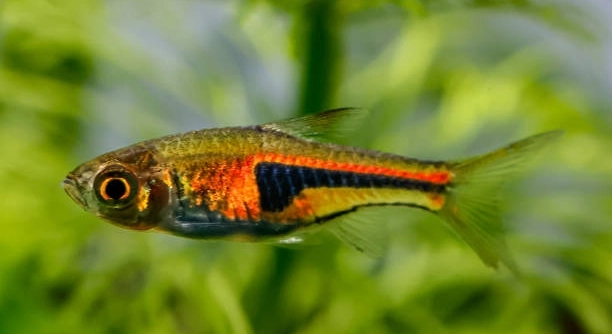
Do your rasboras seem less active or vibrant in their tank? Many hobbyists notice their small fish benefit greatly from simple changes in their aquarium setup. Upgrading your tank can improve both health and behavior.
Several tank upgrades can enhance the overall well-being of rasboras. Adding proper filtration, suitable plants, controlled lighting, optimized water flow, hiding spaces, balanced temperature, and enriching decorations contributes to stress reduction, stimulation, and a healthier aquatic environment.
Implementing these improvements ensures your rasboras thrive and display natural behaviors, making your aquarium a more lively and visually appealing environment for both fish and observer.
Filtration That Keeps Water Clear
A high-quality filter is essential for a healthy rasbora tank. Clean water reduces stress and prevents disease, keeping your fish active and colorful. Filters remove debris, leftover food, and harmful chemicals, creating a stable environment. Mechanical filtration traps particles, while biological filtration supports beneficial bacteria that break down toxins. Choosing the right size filter is critical; too small will be ineffective, and too strong can disturb delicate rasboras. Regular maintenance, like cleaning filter media and monitoring flow, ensures consistent performance. Additionally, some filters provide gentle water movement, mimicking natural habitats. This encourages natural swimming patterns and keeps the fish engaged. Investing in filtration reduces frequent water changes, saving time while improving overall tank health. Combined with proper feeding and water testing, a reliable filtration system forms the backbone of a thriving rasbora aquarium.
Filters are not just functional; they maintain clarity and stability, which directly impacts rasboras’ health and happiness.
Consistent filtration prevents harmful ammonia and nitrite spikes, which can stress fish. It also reduces algae growth by keeping water clear. Gentle flow supports their swimming behavior, while biological filtration ensures beneficial bacteria thrive. With regular monitoring and filter upkeep, your tank stays balanced, providing a safe and stable habitat that promotes longevity and vibrant coloration in rasboras.
Adding Live Plants
Live plants offer more than decoration; they improve water quality by absorbing nitrates and producing oxygen. They provide hiding spots and reduce stress, creating a more natural environment for rasboras.
Integrating a variety of plant species helps mimic natural habitats. Fast-growing plants absorb excess nutrients, controlling algae naturally, while rooted species provide shelter for fry and shy fish. Floating plants create shaded areas, which reduce stress and simulate the conditions of slow-moving streams and ponds where rasboras are often found. Planting a mix of foreground, midground, and background plants adds depth and visual interest to the tank. Plants also encourage natural foraging behavior, keeping the fish active. Selecting hardy species suited for your tank’s lighting and water conditions ensures longevity and reduces maintenance. Regular pruning prevents overcrowding and promotes healthy growth, allowing the tank to remain balanced. Properly maintained plants contribute to overall water stability, supporting both the fish and the aquarium ecosystem effectively.
Gentle Water Flow
Rasboras prefer slow to moderate water currents. Strong currents can stress them and limit natural swimming patterns.
Maintaining gentle flow allows rasboras to swim comfortably and reduces stress-related health issues. It also ensures even distribution of oxygen and nutrients throughout the tank. Positioning the filter output carefully or using flow deflectors can control water movement without creating turbulence. This approach simulates the calm streams and shallow rivers these fish naturally inhabit, encouraging normal behavior and feeding activity. Proper water flow also prevents dead spots in the tank where debris can accumulate, maintaining cleaner water overall. Adjusting the flow gradually helps fish adapt and reduces sudden stress.
A balanced flow supports plants and decorations as well, preventing them from being dislodged while maintaining aesthetic appeal. It also helps fry and timid fish feel safer, allowing them to explore more freely. Ensuring consistent water movement complements other tank upgrades and creates a stable environment conducive to healthy, active rasboras.
Temperature Control
Keeping water at stable, appropriate temperatures is essential for rasboras. Sudden changes can weaken immune systems and cause disease.
Most rasboras thrive between 74°F and 79°F. Using a reliable heater with a thermostat ensures the tank remains within this range. Monitoring with a thermometer prevents temperature swings that can stress fish. Temperature affects metabolism, feeding habits, and overall activity levels. Adjusting gradually when necessary reduces shock, while consistent heating promotes natural behaviors and breeding readiness. Tank placement away from drafts, direct sunlight, or air conditioning vents prevents fluctuations and contributes to long-term stability. Maintaining proper temperature also supports plant growth, as many aquatic plants require stable warmth to thrive. Proper heating helps beneficial bacteria flourish, ensuring efficient biological filtration and improved water quality.
A stable temperature not only protects rasboras from stress but also enhances coloration and vitality. By combining heating control with other environmental upgrades, the tank becomes a balanced, safe, and lively habitat for your fish.
Hiding Spaces
Rasboras feel more secure with ample hiding spots. Plants, rocks, and decorations create safe areas for resting and reducing stress.
Providing caves or dense foliage helps shy or newly introduced fish acclimate quickly. It also encourages natural behaviors like schooling and exploring while minimizing aggressive interactions.
Balanced Lighting
Proper lighting supports both fish health and plant growth. Avoid overly bright lights, which can stress rasboras and promote algae overgrowth. Gentle, consistent lighting encourages normal activity and enhances natural coloration, making the tank visually appealing while supporting a stable aquatic environment.
Enriching Decorations
Adding varied decorations stimulates rasboras mentally and physically. Driftwood, stones, and leaf litter mimic natural habitats and create interactive spaces.
These elements provide surfaces for microorganisms, encourage foraging, and break line-of-sight, reducing stress. Well-chosen decorations enhance tank aesthetics while promoting natural behaviors, supporting both fish well-being and a dynamic, engaging aquarium environment.
FAQ
How often should I change the water in a rasbora tank?
Regular water changes are essential for maintaining a healthy environment. Typically, changing 20-30% of the water weekly helps remove waste and toxins. Partial water changes prevent sudden shifts in water chemistry while keeping nitrate levels low, supporting both fish and plant health. Always use dechlorinated water at a similar temperature to avoid stress. Monitoring water parameters ensures consistency, and adjusting the frequency depending on stocking density or filtration efficiency can further improve conditions. Frequent testing of ammonia, nitrite, and nitrate levels helps identify when extra changes are necessary to maintain stability.
Can rasboras live with other fish species?
Rasboras are peaceful schooling fish and do well with other non-aggressive species. Small tetras, guppies, and dwarf gouramis often make suitable tankmates. Avoid large or aggressive fish that may stress or harm them. Ensuring enough space and hiding spots reduces potential conflicts. Observing interactions and maintaining proper water conditions ensures all species thrive. Mixing compatible species can create a dynamic, visually appealing tank while supporting natural behaviors. Additionally, keeping schools of at least six rasboras encourages schooling behavior, which provides safety and reduces stress.
What is the ideal tank size for rasboras?
A minimum of 10 gallons is recommended for a small school of rasboras. Larger tanks are better for active schooling and allow for proper filtration, plants, and decorations. Providing enough swimming space reduces territorial stress and supports healthy growth. Depth and length matter more than width, as rasboras prefer horizontal swimming space. Overcrowding can lead to disease outbreaks and aggressive behavior. Maintaining a low fish-to-gallon ratio ensures stable water chemistry, reduces ammonia spikes, and allows for enriching tank upgrades. Proper tank sizing is critical for longevity, coloration, and overall well-being of rasboras.
How do I encourage breeding in my rasboras?
Rasboras breed best in calm, well-planted tanks with stable temperature around 77°F. Providing fine-leaved plants or spawning mops gives females places to deposit eggs. Slightly lowering the water level and performing small water changes can mimic natural conditions. Feeding a high-quality diet with live or frozen foods boosts readiness. After spawning, remove adults to prevent egg predation. Maintaining clean water and consistent temperature supports egg development and fry survival. Observing mating behavior helps identify readiness, and creating a separate breeding area can improve success rates without affecting the main tank.
What do rasboras eat, and how often should they be fed?
Rasboras are omnivores and thrive on a varied diet of high-quality flakes, micro pellets, and live or frozen foods like daphnia and brine shrimp. Feeding small amounts twice daily ensures they consume all food without polluting water. Avoid overfeeding, as leftover food decomposes and harms water quality. Rotating food types provides essential nutrients and supports vibrant coloration and energy. Observing feeding behavior helps adjust portions and prevents stress. Providing occasional plant-based foods or spirulina supplements benefits digestion and overall health, contributing to a balanced, thriving aquarium environment.
Why are my rasboras losing color?
Color fading often indicates stress, poor nutrition, or suboptimal water conditions. Check for stable temperature, proper filtration, and balanced diet. Ensure schooling behavior and hiding spaces are present. Illness or overcrowding can also cause dull coloration. Correcting water quality and providing high-quality foods usually restores vibrancy. Stress reduction, consistent maintenance, and compatible tankmates enhance overall appearance. Sometimes, slight color changes occur naturally during breeding or growth stages. Regular observation and prompt response to environmental changes help maintain healthy, vivid coloration in rasboras.
How do I prevent algae overgrowth in my tank?
Algae can be controlled by balancing light exposure, avoiding overfeeding, and maintaining proper filtration. Introducing live plants competes with algae for nutrients, reducing its growth. Regular partial water changes and occasional glass cleaning help. Adding algae-eating species like snails or shrimps can assist. Monitoring nutrient levels and adjusting fertilization prevents excess buildup. Ensuring consistent lighting duration, typically 8-10 hours per day, limits algae while supporting plant growth. Combining multiple methods ensures algae remains manageable without disrupting tank stability, keeping both rasboras and plants healthy.
What are common signs of illness in rasboras?
Signs include lethargy, loss of appetite, faded color, clamped fins, or unusual swimming patterns. White spots, frayed fins, or swollen bodies may indicate disease. Early detection allows for prompt treatment and reduces risk to other tank inhabitants. Maintaining clean water, balanced diet, and low stress prevents illness. Observing interactions and behavior daily helps spot subtle changes. Quarantining new fish before introduction minimizes disease spread. Providing a stable, enriched environment supports immune systems and long-term health, reducing the likelihood of recurring illnesses and maintaining active, vibrant fish.
Can I use tap water for my rasbora tank?
Tap water can be used if properly treated. Dechlorinating with water conditioners removes harmful chemicals. Testing pH, hardness, and temperature ensures suitability. Sudden changes in water chemistry can stress rasboras, so gradual adjustments are advised. Using conditioned tap water maintains a stable, healthy environment. Monitoring water quality regularly ensures safety for both fish and plants. If tap water has high nitrates or metals, consider using filtered or RO water mixed with tap water. Proper treatment ensures the tank remains safe, supporting growth, coloration, and long-term well-being of rasboras.
How many rasboras should I keep together?
Rasboras are schooling fish and thrive in groups of six or more. Smaller groups can become stressed and exhibit abnormal behavior. Keeping a proper school encourages natural swimming patterns and social interaction. Larger groups create a dynamic, visually appealing display. Schools provide safety, reduce anxiety, and improve overall vitality. Observing behavior helps determine if the group is balanced. Adequate space, hiding spots, and decorations complement schooling needs, ensuring harmony. Maintaining proper group size supports health, coloration, and activity levels, creating a lively and stable aquarium environment for all tank inhabitants.
Rasboras are small, active fish that benefit greatly from thoughtful tank upgrades. Simple changes can make a significant difference in their health, behavior, and overall well-being. Ensuring proper filtration, stable water temperature, and gentle water flow creates a foundation for a balanced environment. Clean water reduces stress and prevents disease, while controlled currents allow rasboras to swim naturally without being overwhelmed. Stable temperatures help maintain metabolism and immune function, supporting healthy growth and vibrant coloration. These fundamental upgrades are essential for maintaining a safe and thriving habitat.
Adding live plants and hiding spaces enhances the tank further. Plants improve water quality by absorbing excess nutrients and producing oxygen, while dense foliage and decorations provide shelter and security. Rasboras feel more comfortable and display natural behaviors when they have safe areas to retreat to. Enriching decorations, such as driftwood or leaf litter, not only stimulate physical activity but also mimic their natural habitats, encouraging exploration and foraging. Proper lighting ensures both fish and plants thrive without causing stress or promoting excessive algae growth. Combined, these improvements create an aesthetically pleasing and functional environment that meets the needs of rasboras while simplifying tank maintenance.
Balanced upgrades support both the short-term health and long-term vitality of your fish. Consistent water quality, adequate hiding spots, gentle flow, and proper nutrition reduce stress, improve coloration, and promote schooling behavior. Attention to detail, such as monitoring temperature, maintaining filtration, and providing a varied diet, ensures rasboras remain active and vibrant. A well-maintained and thoughtfully arranged tank benefits both the fish and the overall aquarium ecosystem. By making these upgrades, you create a stable, enriched habitat that allows rasboras to flourish, demonstrating that small, careful improvements can have a lasting positive impact on the life of your aquarium.

Hello,
If you enjoy the content that we create, please consider saying a "Thank You!" by leaving a tip.
Every little bit helps us continue crafting quality advice that supports the health, happiness, and well-being of pets around the world, for pets of all shapes, sizes, and species.
We really appreciate the kindness and support that you show us!