
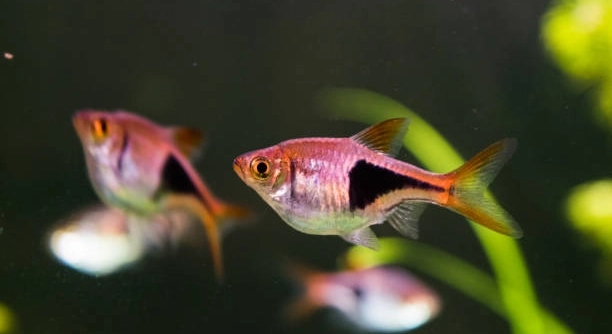
Do your rasboras seem restless or hide more than usual in their tank? Stress can affect their health and behavior, making it important to address it promptly. A calm environment helps keep them healthy and active.
Lowering stress in rasboras involves optimizing tank conditions, providing adequate hiding spaces, maintaining stable water parameters, and offering a balanced diet. Regular monitoring, gentle handling, and minimizing sudden changes significantly reduce stress, promoting their overall well-being and natural behaviors.
Implementing these strategies will help your rasboras thrive while creating a more peaceful and engaging aquarium environment. The following tips provide clear guidance for their care.
Maintain Stable Water Conditions
Rasboras are very sensitive to sudden changes in their environment. Temperature fluctuations, pH swings, and inconsistent filtration can all cause stress. I make sure my tank stays steady by checking water parameters daily. Using a reliable heater and filter helps maintain a stable temperature and keeps the water clean. Frequent partial water changes prevent the buildup of harmful substances like ammonia and nitrites. I also avoid overfeeding, which can lead to water quality issues. Keeping the water chemistry consistent mimics their natural habitat and reduces anxiety. Even small adjustments, like adding dechlorinator or adjusting pH slowly, can make a noticeable difference in their behavior. Rasboras feel safer when their surroundings are predictable, allowing them to swim confidently and interact normally with other fish. Proper monitoring tools, such as test kits, are essential to ensure parameters remain within safe ranges.
Stable water conditions are the foundation for rasboras’ health and reduce unnecessary stress effectively.
Providing a calm, stable tank environment supports natural behaviors, reduces disease risk, and ensures your rasboras remain active and lively. Regular maintenance fosters long-term health, letting you enjoy their natural beauty without constant worry.
Offer Plenty of Hiding Spaces
Rasboras feel more secure when they have spots to hide. Adding plants, rocks, and decorations creates comfortable shelters.
Dense foliage and small caves allow them to retreat when stressed or resting. Floating plants provide shade, reducing bright light stress. I notice my rasboras spend more time exploring when hiding spots are available. Varied decor also gives each fish its own territory, preventing aggression. Use natural-looking materials, like smooth stones and driftwood, to mimic their habitat. Avoid overcrowding the tank, as it can reduce hiding space and increase tension. Grouping plants in clusters and leaving open swimming areas helps balance security with freedom. Even small additions, like moss balls or leaf litter, give fish extra comfort. Regularly rearranging decorations slightly can keep the environment stimulating without overwhelming them. Hiding spaces reduce stress, encourage natural behavior, and support overall well-being.
Ensuring enough shelters keeps rasboras confident and reduces anxiety-related behaviors. Fish will feel safer and swim more freely throughout the tank.
Strategically placed hiding spots allow your rasboras to feel secure while maintaining social interactions. This balance prevents overexposure to stress, encouraging calmer and more active fish. It also helps during feeding and acclimation periods. By providing multiple retreat options, you create a habitat where each rasbora can manage its own stress, leading to a healthier, more peaceful aquarium. Observing how they use these spaces can guide adjustments to tank layout, ensuring every fish has access to both shelter and open areas for swimming.
Maintain Proper Tank Temperature
Rasboras are sensitive to temperature changes. Keeping the water within a consistent range of 24–28°C prevents stress and supports normal activity.
Using a reliable heater and thermometer ensures the tank stays within the ideal range. Sudden drops or spikes in temperature can weaken their immune system, making them more prone to disease. I check my tank daily and adjust the heater gradually if needed. Avoid placing the tank near windows or vents where temperature can fluctuate. Consistency helps rasboras remain calm, swim actively, and feed normally. Even minor changes can trigger hiding or erratic swimming, so steady conditions are essential.
A stable temperature combined with proper filtration and aeration creates an environment where rasboras thrive. Maintaining warmth also encourages natural behaviors and reduces energy spent coping with stress.
Feed a Balanced Diet
Rasboras need a diet rich in nutrients for health and stress reduction. Quality flakes, micro-pellets, and occasional live or frozen foods provide variety.
Overfeeding can harm water quality and lead to stress, so I feed small amounts twice daily. Rotating food types ensures they receive vitamins, minerals, and protein without excess waste. Including live foods like daphnia or brine shrimp improves color, supports digestion, and stimulates natural hunting behavior. I also lightly soak dry foods to prevent bloating. Feeding at consistent times creates routine, which further reduces anxiety. Monitoring their intake ensures all fish get enough without leaving uneaten food to decay. A balanced diet strengthens immunity and enhances activity levels.
Diet management directly affects water quality and fish behavior. Healthy nutrition reduces stress, supports growth, and keeps rasboras vibrant. Observing feeding habits can help identify issues early, like food refusal or picky eating. Incorporating occasional treats improves variety, but consistency is key. Nutrient-rich foods promote proper coloration, energy, and reproductive health. By combining dry, frozen, and live foods, I ensure my rasboras receive a complete diet that minimizes stress and maximizes well-being, allowing them to interact confidently and maintain normal social behaviors.
Avoid Overcrowding
Overcrowded tanks increase stress and aggression among rasboras. Keeping the fish population appropriate for tank size ensures everyone has space to swim.
Providing enough room reduces competition for food and hiding spots. I maintain a ratio that allows at least two gallons per fish to prevent tension.
Reduce Bright Lighting
Harsh lighting can make rasboras anxious and cause hiding or erratic swimming. Using dimmed or natural light settings helps them feel secure. Plants and floating decorations diffuse light, creating shaded areas that replicate their natural habitat.
Minimize Sudden Movements
Rasboras are sensitive to sudden movements outside the tank. Rapid gestures or loud noises can startle them, leading to stress. I move slowly around the aquarium and avoid tapping on the glass.
Keep Water Clean
Regular water changes and filtration are essential for rasbora health. Clean water removes toxins and reduces stress, keeping fish active and healthy.
FAQ
How can I tell if my rasboras are stressed?
Stressed rasboras often hide more than usual, swim erratically, or show faded colors. Some may lose appetite or cling to decorations. I noticed mine become restless when water parameters were off. Observing daily behavior helps catch stress early, allowing quick adjustments to improve their environment.
What is the ideal water temperature for rasboras?
Rasboras thrive in temperatures between 24–28°C. Consistent warmth supports normal activity, feeding, and immune function. I use a reliable heater and thermometer to maintain this range. Even small fluctuations can lead to hiding, sluggish swimming, or weakened health. Gradual adjustments are safer than sudden changes.
How often should I clean the tank?
Partial water changes of 20–30% once a week keep the tank clean without shocking the fish. I avoid complete water replacements, which can stress them. Proper filtration and siphoning help remove debris. Clean water supports health, reduces stress, and prevents disease buildup over time.
What foods are best for reducing stress in rasboras?
A balanced diet is essential. I feed high-quality flakes, micro-pellets, and occasional live or frozen foods like daphnia or brine shrimp. Rotating foods provides nutrients, supports color, and stimulates natural behaviors. Avoid overfeeding to maintain water quality and prevent bloating.
Do hiding spots really help rasboras feel secure?
Yes, dense plants, rocks, and decorations give them safe areas to retreat. I place clusters of plants and small caves throughout the tank. Floating plants also reduce bright light stress. Hiding spots allow fish to regulate their own comfort, reducing anxiety and aggression.
Can lighting affect rasbora stress levels?
Bright or harsh lighting can make them anxious. I use diffused light or floating plants to create shaded areas. Dimming lights gradually in the evening helps them settle. Natural day-night cycles support healthy behavior and reduce erratic swimming caused by stress.
How important is tank size for stress reduction?
Adequate space is crucial. Overcrowded tanks increase competition and tension. I maintain a ratio of at least two gallons per fish to ensure free swimming and access to hiding spots. Larger tanks reduce stress, encourage natural behavior, and allow proper social interactions.
Do sudden movements around the tank stress rasboras?
Yes, abrupt gestures or loud noises can startle them. I move slowly when near the aquarium and avoid tapping on the glass. Minimizing disturbances helps maintain calm behavior and prevents prolonged hiding or erratic swimming.
How can I balance water parameters effectively?
Stable pH, temperature, and filtration are essential. I test water regularly and make gradual adjustments when needed. Consistency mimics natural conditions, reducing stress and supporting healthy swimming, feeding, and immune function. Sudden changes should always be avoided.
Are there signs of long-term stress I should watch for?
Chronic stress may show as faded colors, frequent hiding, sluggishness, or loss of appetite. I monitor behavior daily and check water parameters when changes appear. Early intervention with stable conditions, proper diet, and hiding spaces helps prevent disease and ensures long-term well-being.
Rasboras are delicate fish that respond quickly to changes in their environment. Stress can affect their behavior, health, and overall lifespan, so maintaining stable conditions is essential. Proper water parameters, including temperature, pH, and cleanliness, are the foundation of a calm aquarium. I have found that even small fluctuations in temperature or water chemistry can cause restlessness or hiding, so careful monitoring is necessary. Regular partial water changes and effective filtration remove toxins, keep the water clear, and reduce the likelihood of disease. Consistency in these areas allows rasboras to swim freely, feed regularly, and display natural behaviors, which are important indicators of their well-being.
Providing a balanced diet is another key factor in reducing stress. Rasboras thrive on a variety of foods, including high-quality flakes, micro-pellets, and occasional live or frozen options. Rotating their diet ensures they receive all necessary nutrients while keeping them interested in their food. Overfeeding, however, can lead to water quality problems and digestive issues, which in turn increase stress. I make it a point to feed small amounts twice a day and remove uneaten food promptly. Balanced nutrition supports their immune system, helps maintain vibrant colors, and encourages active swimming. Watching how they respond to different foods also gives insight into their health and comfort levels. A consistent feeding routine combined with variety provides both physical and behavioral benefits for the fish.
Hiding spaces and proper tank layout play a significant role in managing stress. Rasboras feel safer when they have access to plants, rocks, and decorations where they can retreat if needed. Floating plants or dense foliage help diffuse bright light, creating shaded areas that mimic their natural habitat. Overcrowding or a lack of hiding spots can lead to tension and aggression, while strategically placed shelters allow each fish to manage its own comfort. I have noticed that when my tank provides multiple retreat areas and open swimming spaces, the fish appear more confident and active. Even small adjustments to decoration placement or lighting can have a noticeable impact on their behavior. Overall, maintaining water quality, providing nutritious food, and offering safe spaces work together to reduce stress, enhance health, and support a thriving aquarium environment. Rasboras are more vibrant and lively when these factors are carefully managed, making their care both rewarding and fulfilling.

Hello,
If you enjoy the content that we create, please consider saying a "Thank You!" by leaving a tip.
Every little bit helps us continue crafting quality advice that supports the health, happiness, and well-being of pets around the world, for pets of all shapes, sizes, and species.
We really appreciate the kindness and support that you show us!