
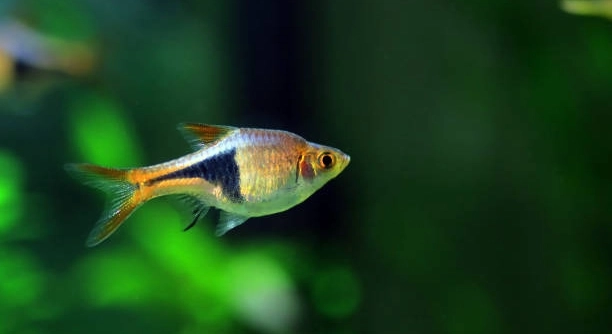
Rasboras are small, colorful freshwater fish often kept in home aquariums. Their shimmering scales can catch the light unexpectedly, creating brief flashes that many hobbyists notice with fascination and wonder. Observing these flashes can be quite mesmerizing.
Rasboras flash their scales primarily as a form of communication and signaling. This behavior can indicate territorial displays, mating readiness, or stress responses. The reflective scales help convey information to other fish in their environment effectively.
Understanding why these flashes occur can improve aquarium care and fish interactions. Recognizing these signals can lead to a healthier, more balanced environment for your rasboras.
Why Rasboras Flash Their Scales
Rasboras use their flashing scales to communicate with each other and respond to their surroundings. These flashes are often seen when a fish feels threatened, is establishing territory, or is signaling readiness to mate. Light reflects off their scales, making the signals more noticeable in the water. In a home aquarium, you may notice sudden bursts of shining as they swim together or react to movement nearby. Flashing can also occur when a fish is startled by a sudden change in light, noise, or other tank activity. Observing these patterns helps understand their behavior and social interactions. Healthy rasboras will flash more regularly, whereas stressed or sick fish may flash irregularly or less often. Paying attention to these signals allows for adjustments in tank setup, lighting, and water conditions, which can make a significant difference in their comfort. Recognizing flashing as communication rather than random activity helps provide better care.
Flashing helps rasboras stay safe, coordinate, and interact. It is a clear signal to other fish.
Regular observation of flashing can indicate group dynamics and overall health, offering insights into proper care and interactions.
Environmental Triggers of Scale Flashing
Rasboras often flash their scales due to changes in light, water movement, or the presence of other fish.
Light levels, water quality, and tank decorations can all influence how often rasboras flash. Bright lights or reflective surfaces tend to increase flashing, while dim or cluttered tanks may reduce visible signaling. Temperature fluctuations and sudden disturbances in the water can trigger brief flashes, often as a stress response. Even introducing new fish into a tank can increase flashing as the group establishes social order. Observing these environmental triggers can help maintain a calmer aquarium, reducing stress and promoting natural behavior. By adjusting lighting, decorations, and tank conditions, you can create a more stable environment that encourages healthy communication and activity among your rasboras. Understanding the triggers also helps differentiate between normal signaling and potential stress, guiding adjustments that improve fish wellbeing and harmony in the tank.
Environmental factors directly influence flashing behavior, shaping how and when rasboras communicate visually.
How Stress Affects Flashing
Stress can make rasboras flash more frequently or erratically. Sudden changes in water conditions, aggressive tankmates, or overcrowding often trigger these flashes.
When rasboras experience stress, their flashing behavior becomes a clear signal of discomfort. Frequent bursts of scale flashes can indicate agitation or fear, especially if accompanied by rapid swimming or hiding. Overcrowded tanks or incompatible fish species increase tension, leading to excessive flashing. Poor water quality, including high nitrate or ammonia levels, can also make them more reactive. Even small changes, like moving decorations or adjusting lighting, can temporarily increase flashing as they adapt. Understanding these signs helps identify stressors and make adjustments that improve overall tank conditions and fish wellbeing.
Stress-induced flashing may be subtle at first, but patterns emerge over time. Monitoring these behaviors allows careful management of tank dynamics. Observing tankmates’ reactions and adjusting the environment helps minimize stress-related flashing, ensuring healthier interactions.
Flashing During Mating
Flashing plays a major role in mating displays and attracting partners. Bright reflections signal readiness and vitality.
During breeding, male rasboras often show more pronounced flashes to attract females. These signals indicate fitness and health, helping females select suitable mates. Females may respond with subtle flashes or movements of their own. Flashing can also serve as a territorial display, letting other males know an area is claimed. Lighting conditions can enhance these displays, making colors more vibrant and reflective. Observing increased flashing during breeding periods helps distinguish normal reproductive behavior from stress responses. Proper tank conditions, including adequate space and hiding spots, support natural mating behaviors and reduce conflicts. Maintaining a consistent environment ensures that flashing serves its intended communication function.
Mating flashes are typically more frequent and vivid, creating noticeable patterns in the aquarium. Tracking these behaviors helps support reproduction while maintaining harmony among all fish.
Social Interactions and Flashing
Rasboras use flashing to communicate within their groups. It helps maintain social order and signals intentions.
Flashes often coordinate movement in schools, alerting others to changes in direction or potential threats. This communication keeps the group cohesive and safe, reinforcing social bonds among the fish.
Flashing as a Warning Signal
Rasboras flash to warn other fish of danger or disturbances. This brief display helps prevent conflicts and alerts the group.
Observing Patterns in Your Tank
Noticing when and how often your rasboras flash reveals important behavioral trends. Observing these patterns helps identify stress, mating behavior, or environmental triggers. Understanding these patterns allows you to make informed adjustments to tank conditions, enhancing fish wellbeing and encouraging natural communication among them.
Enhancing Visibility of Flashes
Lighting and placement in the tank affect how clearly flashes appear. Adjusting these factors can make signaling more noticeable and easier to observe.
FAQ
Why do rasboras flash more at certain times of the day?
Rasboras are more active during specific periods, often when light levels change. Morning and evening light can make their scales reflect more, which naturally increases flashing. Activity levels, feeding times, and environmental changes throughout the day also contribute to variations in flashing frequency.
Can flashing indicate illness in rasboras?
Yes, unusual or excessive flashing can sometimes signal health issues. If flashing is accompanied by lethargy, loss of appetite, clamped fins, or changes in swimming patterns, it may indicate stress, parasites, or poor water quality. Monitoring water parameters and overall fish behavior is essential for early detection.
Do male and female rasboras flash differently?
Males often flash more brightly and frequently, especially during mating displays. Females may flash less intensely, responding subtly to males or communicating with other females. Observing these differences can help identify gender and understand breeding behavior in your tank.
Does tank size affect flashing behavior?
Yes, smaller or overcrowded tanks can increase stress-related flashing. Limited space may make rasboras more reactive to each other or to changes in the environment. Providing adequate swimming room, hiding spots, and a calm environment reduces unnecessary flashing caused by stress.
Can lighting changes trigger flashing?
Lighting has a major impact on scale reflections. Sudden changes, bright lights, or reflective surfaces can trigger flashes. Consistent lighting that mimics natural conditions helps regulate behavior and prevents stress-related flashing. Experimenting with softer or diffused lighting can make displays more natural and less stressful.
Is flashing a sign of aggression?
Flashing can indicate territorial behavior or mild aggression, particularly among males. It’s usually a warning to other fish rather than a direct attack. Watching the context and accompanying body language, like chasing or fin flaring, can help distinguish between normal communication and true aggression.
How can I encourage natural flashing without stressing my fish?
Maintain stable water conditions, provide hiding spots, and avoid sudden changes in lighting or decorations. Ensuring the tank has plants, open swimming areas, and compatible tankmates allows rasboras to display natural flashes safely. Regular observation helps identify what triggers positive signaling versus stress.
Does diet influence flashing intensity?
A healthy diet can enhance coloration and scale reflectivity, making flashes more noticeable. Feeding high-quality flakes, frozen foods, or live foods rich in nutrients supports overall health, vitality, and natural communication behaviors. Poor nutrition may dull colors and reduce visible flashing.
Can flashing help in breeding rasboras?
Yes, flashes are a key part of mating rituals. Males use bright flashes to attract females and establish dominance, while females respond to signals indicating readiness. Observing and understanding these behaviors helps support natural breeding in a well-maintained tank.
Are there differences in flashing among rasbora species?
Different species may flash differently depending on size, coloration, and natural habitat. Some have more reflective scales or distinct patterns, while others use subtler flashes. Learning your species’ typical behavior allows better recognition of communication, stress, or mating displays.
How often should I monitor flashing behavior?
Daily observation is helpful. Watching patterns over time reveals changes in health, social interaction, and environmental comfort. Keeping a simple log of flashing frequency, context, and tank conditions provides insight into your rasboras’ wellbeing and helps prevent issues.
Can tank decorations impact flashing?
Yes, reflective surfaces or shiny decorations can increase flashing by reflecting light. Plants, rocks, and background colors also affect visibility. Balancing aesthetics with natural behavior ensures flashes are observable without causing stress or confusion among the fish.
What should I do if flashing becomes excessive?
Excessive or frantic flashing often signals stress. Check water quality, tankmates, space, and lighting. Making incremental adjustments, such as improving water parameters or adding hiding spots, can reduce unnecessary flashing and support calmer, healthier behavior.
Is it normal for new rasboras to flash more frequently?
Yes, new fish often flash more as they explore and establish their place in the tank. This behavior helps them communicate with established fish and adapt to the new environment. Providing a stable and calm setup encourages a smoother adjustment period.
Can flashing be used to train or interact with rasboras?
Flashes are mostly instinctive signals rather than learned behavior. While you can encourage natural flashing through feeding routines and consistent tank conditions, it is not a behavior that can be trained like tricks. Observation and environment management remain the most effective tools.
Does water clarity affect visibility of flashes?
Absolutely. Clear water allows light to reflect off scales more effectively, making flashes easier to see. Cloudy or dirty water reduces visibility and may cause fish to flash more often out of caution or stress. Maintaining clean water supports natural communication and health.
Are there seasonal changes in flashing behavior?
Some rasboras may flash differently with seasonal light variations or temperature changes. Increased daylight or warmer temperatures can boost activity and flashing, while cooler or dimmer periods may reduce visible signaling. Maintaining stable conditions helps minimize unnecessary stress-related flashes.
Can flashing indicate social hierarchy?
Yes, flashes often communicate dominance or submission within a group. Dominant fish may flash to assert control, while subordinate fish respond by adjusting their behavior. Observing these interactions helps understand group dynamics and maintain harmony in the tank.
How do I know if flashing is normal or a problem?
Normal flashing is consistent with activity, mating, or social interactions. Problematic flashing is erratic, frequent, or combined with stress signs like hiding, rapid swimming, or poor appetite. Careful observation and understanding context allow you to distinguish healthy behavior from warning signs.
Does tank lighting color affect flashing?
Lighting color can enhance or dull scale reflections. White or natural-colored light makes flashes more visible, while colored lighting may alter appearance. Experimenting with subtle changes can improve visibility without creating stress or unnatural conditions for the fish.
Can water current influence flashing?
Yes, strong currents or sudden changes in water flow can trigger flashes as fish respond to movement. Gentle, consistent currents support natural signaling without causing excessive stress-related flashing. Observing how fish react to currents helps optimize tank setup.
Does group size impact flashing behavior?
Group size affects social communication. Larger schools may show more coordinated flashes for cohesion and warning signals, while smaller groups may flash less or more sporadically. Maintaining an appropriate number of tankmates ensures natural signaling and reduces stress from overcrowding.
How can I use flashing to monitor fish health?
Flashing patterns reveal social, environmental, and health information. Changes in frequency, intensity, or context may indicate illness, stress, or discomfort. Regular observation combined with water testing and environmental adjustments helps maintain healthy, communicative rasboras.
Can different foods trigger flashing?
Some foods can temporarily increase activity and flashing due to excitement or increased energy levels. Live or frozen foods often trigger bursts of activity, while consistent nutrition ensures overall color vibrancy and regular signaling. Feeding routines can subtly influence visible flashes in healthy fish.
Do young rasboras flash differently than adults?
Juvenile rasboras often flash less intensely, using subtle signaling while learning social behaviors. Adults display more pronounced flashes for communication, mating, and territorial purposes. Observing differences by age helps track development and identify normal behavioral patterns in your tank.
How long does a typical flash last?
Flashes are brief, usually lasting a few seconds. They are rapid signals meant for immediate communication, often repeated in patterns for coordination, mating, or warning purposes. Timing and frequency depend on context, environment, and social interactions.
Are there any signs that flashing is beneficial to tank harmony?
Yes, balanced, patterned flashing with minimal stress signals indicates good communication and group cohesion. Regular flashes during swimming, schooling, or mating display healthy interactions. Recognizing these positive patterns allows adjustments that support social balance, reduce conflicts, and enhance overall aquarium wellbeing.
Final Thoughts
Rasboras are small fish with big personalities, and their flashing scales are an important part of how they interact with each other. This behavior is a natural form of communication that signals various things, including social hierarchy, stress, and mating readiness. Observing these flashes in your tank gives insight into how the fish feel and interact with their environment. Over time, you can start to notice patterns in their flashing, which helps distinguish between normal behavior and signs of stress. Understanding why rasboras flash is key to creating a healthy and balanced aquarium where the fish feel comfortable and secure.
The environment plays a large role in how often and how brightly rasboras flash. Lighting, water quality, tank size, and the presence of other fish all influence their behavior. Sudden changes in light or water conditions can cause unexpected flashes, which may indicate stress rather than natural signaling. Similarly, overcrowding or incompatible tankmates can lead to excessive flashing as fish try to establish territory or communicate discomfort. By carefully monitoring tank conditions and making gradual adjustments, you can encourage natural flashing without causing unnecessary stress. Observing your rasboras regularly allows you to respond to their needs and maintain a peaceful, thriving environment.
Flashing is also closely tied to social and reproductive behaviors. Males use bright flashes to attract females and establish dominance, while females respond with subtle displays that indicate readiness or interest. This behavior is not only fascinating to watch but also essential for natural interactions within the group. Providing proper tank conditions, including plants, hiding spots, and open swimming areas, supports these natural behaviors. Diet, group size, and even decorations can affect the visibility and frequency of flashes. Paying attention to these details allows you to foster a healthy, communicative, and stress-free environment for your rasboras. Ultimately, understanding the reasons behind scale flashing gives you the tools to better care for these fish and create a tank where they can thrive naturally.

Hello,
If you enjoy the content that we create, please consider saying a "Thank You!" by leaving a tip.
Every little bit helps us continue crafting quality advice that supports the health, happiness, and well-being of pets around the world, for pets of all shapes, sizes, and species.
We really appreciate the kindness and support that you show us!