
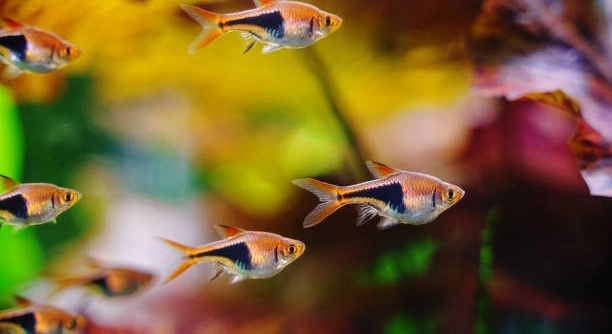
Harlequin rasboras are small, colorful fish that brighten any aquarium. Many new fishkeepers are drawn to their calm nature and vibrant appearance, but there are several myths surrounding their care and behavior that can cause confusion.
Harlequin rasbora myths often include misunderstandings about their diet, tank size requirements, social behavior, and breeding habits. Clarifying these misconceptions helps ensure proper care, prevents unnecessary stress, and promotes the long-term health of these freshwater fish.
Knowing the truth behind these myths allows hobbyists to create a healthier environment. By understanding their actual needs, aquarists can enjoy these fish without relying on misleading information.
Myth 1: Harlequin Rasboras Only Eat Flakes
Many people think harlequin rasboras can survive on flakes alone. While flakes are convenient and widely available, they do not provide the full nutritional spectrum these fish need. In the wild, harlequin rasboras feed on small insects, larvae, and plant matter, giving them a varied diet. Relying solely on flakes can lead to vitamin deficiencies, dull coloration, and weakened immune systems. Including frozen or live foods, like brine shrimp, daphnia, or bloodworms, ensures they receive protein and essential nutrients. Even occasional vegetable matter, like blanched spinach or zucchini, helps with digestion and overall health. Rotating food types also keeps the fish interested during feeding time. Observing their behavior while eating can indicate whether they are getting enough nutrition. Overfeeding, however, should be avoided, as leftover food can pollute the tank and harm water quality. Proper diet management ensures healthy growth, vibrant colors, and active, social fish that thrive in a community aquarium environment.
Balanced feeding supports their health and keeps them active, preventing stress-related illnesses and enhancing their natural coloration.
Maintaining variety in their diet is simple and rewarding. Offering a mix of high-quality flakes, frozen, and live foods ensures harlequin rasboras get adequate protein, vitamins, and minerals. Feeding smaller portions multiple times a day mimics their natural eating habits and reduces waste. Watching their response to different foods helps tailor their meals to what they prefer and digest well. Over time, this approach promotes longevity, strong immune systems, and more vivid coloration, making them a striking addition to any tank. Including occasional vegetable matter supports digestion and prevents dietary imbalance. A varied diet also encourages natural foraging behavior, keeping the fish engaged and active. By paying attention to their nutritional needs, you create a thriving aquarium environment where harlequin rasboras display their characteristic energy and charm, avoiding common health issues linked to improper feeding.
Myth 2: Harlequin Rasboras Can Live Alone
Some keepers assume these fish are fine living alone or in very small groups. Harlequin rasboras are schooling fish, and their social structure plays a critical role in their well-being.
Keeping them in groups of at least six reduces stress and prevents shy behavior. In small numbers, they may hide frequently, appear lethargic, or fail to exhibit natural swimming patterns. Proper schooling provides comfort, security, and natural interactions, which are essential for mental and physical health. Fishkeepers often overlook this, thinking a single fish is easier to manage, but isolation can shorten their lifespan. Observing a school’s coordinated swimming and social cues is a good indicator of happiness and stability. When housed properly in a group, harlequin rasboras are more confident, active, and display brighter colors, adding vibrancy to the tank. Community dynamics also reduce aggression from tank mates, as a confident school tends to balance interactions and maintain harmony. Prioritizing group care enhances both the individual and collective quality of life in the aquarium.
Myth 3: Harlequin Rasboras Are Aggressive
Harlequin rasboras are peaceful by nature and rarely show aggression. Misbehavior usually results from improper tank mates or overcrowding rather than their temperament.
Aggression in a tank often occurs when harlequin rasboras are paired with overly dominant or territorial fish. Stress can also increase if the tank is too small or lacks hiding spots. Providing plenty of swimming space, plants, and gentle companions reduces tension. Their natural schooling behavior means they feel safer in groups, which further lowers the chance of conflicts. Observing interactions and adjusting tank conditions ensures they remain calm, healthy, and sociable, allowing their peaceful nature to shine.
Even minor signs of stress, like hiding or rapid swimming, often indicate environmental issues rather than inherent aggression. By monitoring water quality, tank setup, and companions, keepers can prevent problems and maintain harmony. Proper conditions let harlequin rasboras thrive without unnecessary tension, displaying natural behaviors and vibrant colors.
Myth 4: Harlequin Rasboras Can Handle Any Water Conditions
Harlequin rasboras are more adaptable than some fish, but they still need stable, clean water. Ignoring water quality can harm their health and lifespan.
Sudden changes in temperature, pH, or hardness can stress harlequin rasboras. Ideal conditions include slightly acidic to neutral pH, moderate hardness, and consistent temperatures between 72-79°F. Regular water changes and careful monitoring prevent toxins from building up. Fluctuations in water parameters often cause lethargy, loss of appetite, or disease. Providing stable conditions ensures their immune system functions properly, and coloration remains vivid. Even subtle environmental stresses affect behavior and schooling patterns, so attention to detail is crucial.
Consistency in water conditions supports overall health and natural behavior. Avoiding rapid changes, testing regularly, and using gentle filtration keeps the environment stable. A well-maintained tank enhances activity, encourages proper feeding, and reduces stress-related illnesses. Harlequin rasboras respond quickly to stable water, becoming more active, social, and visually striking. Careful attention to water chemistry, combined with proper diet and tank mates, creates an environment where these fish thrive and maintain long-term health.
Myth 5: Harlequin Rasboras Don’t Need Plants
Plants are essential for a healthy harlequin rasbora tank. They provide hiding spots, reduce stress, and improve water quality.
Dense planting encourages natural behavior and creates a more comfortable environment. Without plants, rasboras may feel exposed, leading to hiding or sluggish activity.
Myth 6: Harlequin Rasboras Can Live in Tiny Tanks
Even though they are small, harlequin rasboras need space to swim freely. Crowded tanks increase stress and disease risk. Proper tank size allows schooling, natural behavior, and stable water conditions, which are crucial for their health and well-being.
Myth 7: All Harlequin Rasboras Are the Same
Harlequin rasboras come in different varieties, including the standard and tricolor types. Each has unique color patterns and subtle care differences.
FAQ
How many harlequin rasboras should I keep together?
Harlequin rasboras are schooling fish and feel safest in groups of six or more. Smaller groups may become shy or stressed, hiding frequently and failing to display natural behaviors. A group of at least six ensures they swim confidently and maintain their social structure. Larger groups of eight to twelve are even better, creating a lively, dynamic display in the aquarium while reducing aggression or stress from other tank mates.
What water parameters are ideal for harlequin rasboras?
They prefer slightly acidic to neutral pH between 6.0 and 7.5, moderate hardness, and temperatures ranging from 72 to 79°F. Stable water is essential. Rapid changes in temperature, pH, or hardness can stress them, weaken their immune system, and affect color. Consistent water changes and gentle filtration help maintain ideal conditions.
Can harlequin rasboras live with other fish?
Yes, they are peaceful and do well with other non-aggressive species like tetras, dwarf corydoras, or rasbora varieties. Avoid large or aggressive fish that may harass or eat them. Proper schooling and hiding spots reduce stress, and compatible tank mates help maintain harmony and natural behavior.
What should I feed harlequin rasboras?
Their diet should be varied. While flakes are convenient, they benefit from frozen or live foods like brine shrimp, daphnia, and bloodworms. Occasionally including blanched vegetables, like zucchini or spinach, aids digestion. Feeding smaller portions multiple times daily mimics natural habits and reduces waste, keeping water quality high.
How long do harlequin rasboras live?
With proper care, they typically live 5 to 8 years. Diet, tank size, water quality, and stress levels all influence lifespan. Keeping a stable, clean environment with regular feeding and schooling groups maximizes longevity. Monitoring for illness or stress ensures they stay healthy.
Do harlequin rasboras need plants in their tank?
Yes, plants create hiding spaces and mimic their natural habitat. Live plants also help maintain water quality by absorbing nitrates. A well-planted tank reduces stress, encourages natural swimming and schooling behavior, and adds visual appeal. Even hardy artificial plants can provide some shelter if live plants aren’t possible.
Can harlequin rasboras breed in home aquariums?
Breeding is possible but requires careful conditions. A separate breeding tank with soft, slightly acidic water and fine-leaved plants works best. The female lays eggs on plant leaves, and the male fertilizes them. Fry require small live foods once hatched, and careful monitoring ensures their survival.
Why do harlequin rasboras lose color?
Fading color often indicates stress, poor diet, or unsuitable water conditions. Insufficient schooling, overcrowding, or aggressive tank mates can also cause dullness. Maintaining proper water parameters, a varied diet, and a secure group environment helps keep their natural vibrant colors.
How can I prevent disease in harlequin rasboras?
Regular water changes, avoiding overfeeding, and quarantining new fish prevent illness. Clean tanks with proper filtration reduce pathogens. Observing fish daily for unusual behavior, spots, or sluggishness allows early treatment. Maintaining consistent conditions supports a strong immune system.
Are there different types of harlequin rasboras?
Yes, the standard harlequin and the tricolor variety are common. The tricolor has an additional orange band near the tail. Each type has subtle care differences but shares the same basic needs, including schooling, clean water, and a varied diet.
What tank size is recommended for harlequin rasboras?
A minimum 20-gallon tank is ideal for a small group, providing enough space for schooling and swimming. Larger tanks are better for bigger groups, helping maintain water stability and giving them room to exhibit natural behavior. Crowded or tiny tanks increase stress and disease risk.
Can harlequin rasboras tolerate hard or alkaline water?
They are moderately adaptable but thrive best in slightly soft to moderately hard water. Alkaline or very hard water can affect health and reproduction over time. Gradual acclimation is possible, but stable conditions close to their natural habitat produce the best results.
How often should I feed them?
Feed small portions two to three times a day. Overfeeding can pollute water and stress fish. Observing how quickly they consume food helps gauge proper portion sizes, keeping them healthy and water quality stable.
Do harlequin rasboras interact with humans?
They don’t form strong bonds but may recognize feeding routines. Their behavior is more about comfort and curiosity rather than affection. Maintaining consistent care routines allows them to remain active and responsive during feeding times.
Can they live in community tanks with bottom dwellers?
Yes, they are compatible with peaceful bottom dwellers like corydoras or small loaches. Their activity in the mid to upper levels complements bottom-dwelling species, creating a balanced and visually appealing aquarium without conflict.
Final Thoughts
Harlequin rasboras are small, peaceful fish that can bring life and color to any freshwater aquarium. Their calm nature and schooling behavior make them enjoyable to watch, but it is important to understand their needs to keep them healthy. Many myths about their care can cause confusion for new keepers. Believing that they can survive on flakes alone, live in tiny tanks, or thrive without plants can lead to stress, illness, and even shortened lifespans. By clarifying these misconceptions, fishkeepers can provide an environment that supports natural behavior and overall well-being. Ensuring stable water conditions, appropriate tank size, and proper diet are key factors that directly impact their health.
A varied diet is essential for maintaining their vibrant colors and strong immune system. While flakes can be a convenient food source, harlequin rasboras also benefit from frozen or live foods, such as brine shrimp, daphnia, or bloodworms. Occasional vegetables, like zucchini or spinach, support digestion and prevent deficiencies. Feeding smaller portions multiple times a day mimics their natural habits, reduces waste, and helps maintain water quality. Social interaction is equally important. These fish are true schoolers, and keeping them in groups of at least six allows them to feel secure, reduces stress, and encourages active swimming. Overcrowding or isolating them can lead to shy or unhealthy behavior, while compatible tank mates enhance harmony and a lively aquarium environment.
Proper tank setup, including plants and hiding spots, further contributes to their well-being. Plants provide shelter and reduce stress while improving water quality, creating a more natural habitat. Stable water parameters, such as slightly acidic to neutral pH, moderate hardness, and consistent temperatures, are crucial. Rapid changes in the environment can weaken the immune system, dull coloration, and trigger health problems. Observing their behavior and making adjustments when necessary helps prevent illness and ensures long-term health. Understanding and addressing these factors allows harlequin rasboras to thrive, showing their natural colors and active, social behavior. With careful attention to diet, social needs, and tank conditions, these small fish can live a full, healthy life while bringing vibrancy and calmness to any aquarium setting.

Hello,
If you enjoy the content that we create, please consider saying a "Thank You!" by leaving a tip.
Every little bit helps us continue crafting quality advice that supports the health, happiness, and well-being of pets around the world, for pets of all shapes, sizes, and species.
We really appreciate the kindness and support that you show us!