
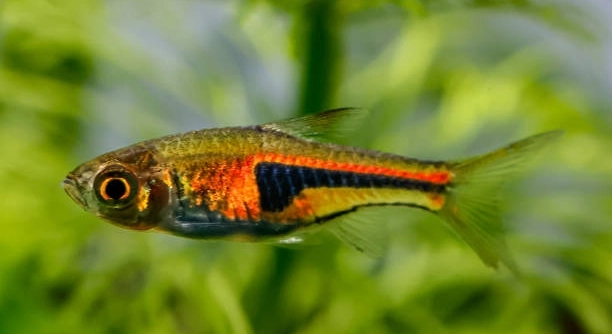
Rasboras are small, peaceful fish that thrive in groups, creating a lively and harmonious aquarium environment. Observing them swim together can be soothing, but knowing the right school size is important for their well-being.
A healthy rasbora school typically consists of at least six to twelve individuals. Maintaining this group size ensures natural social behavior, reduces stress, and promotes active swimming patterns, contributing to overall fish health and a balanced aquarium ecosystem.
Proper group size affects both the fish’s behavior and the visual appeal of your tank, making this a key factor in successful aquascaping.
Why Rasboras Prefer Groups
Rasboras are naturally schooling fish, meaning they feel safest and most confident in groups. Being in a school allows them to exhibit natural behaviors like synchronized swimming and coordinated movement. Without enough companions, rasboras can become stressed, shy, and may hide more often, reducing their overall activity in the tank. Stress can also weaken their immune system, making them more susceptible to illnesses. In a well-sized school, they interact constantly, creating dynamic patterns that are both engaging to watch and beneficial for their mental health. Tank size and environment also influence how comfortably a school can thrive. Smaller tanks may require fewer fish, while larger tanks can accommodate larger schools. Proper decoration, plants, and hiding spots complement their schooling behavior, giving them areas to explore and retreat. Observing a full school move in harmony provides a sense of balance and liveliness that a solitary fish cannot replicate.
Maintaining a proper group size also encourages feeding consistency, as all fish are more likely to eat evenly.
A balanced school reduces aggression and ensures each rasbora has a chance to swim freely. When stress is minimized, their colors become more vibrant, and overall activity increases. This creates a healthier, more attractive aquarium environment for both the fish and the observer. By understanding their social needs, you can prevent common issues like lethargy or hiding, making the tank a more stable ecosystem. Planning a school thoughtfully, while considering tank size, water conditions, and companion species, supports both the fish’s well-being and the visual harmony of your aquarium.
Determining the Right Number
Most aquariums benefit from at least six rasboras to maintain natural behavior and social interaction.
School size depends on tank dimensions, species, and desired swimming space. For small tanks, six to eight fish is sufficient, allowing room to move without overcrowding. Larger tanks can support twelve or more, creating a fuller, more dynamic display. Different rasbora species may have slightly different social preferences, so matching sizes and temperaments is important. Overcrowding can stress fish and affect water quality, while too few may lead to shy or erratic behavior. A proper school size ensures each fish participates in social interactions and maintains consistent activity. Adding new members gradually can help establish group cohesion without causing disruption. Adjusting school size thoughtfully helps achieve a balanced tank environment that promotes both health and visual appeal. Monitoring fish behavior over time allows for minor adjustments to the group size, ensuring a thriving, active school in any aquarium setup.
Ideal Tank Conditions
Rasboras need clean, well-oxygenated water with stable temperatures. Maintaining proper pH and minimal fluctuations ensures a healthy, active school that displays natural behaviors.
Consistent water parameters are key to their well-being. A temperature range of 72–79°F is optimal, with a pH between 6.5 and 7.5. Filtration should provide gentle water flow, as strong currents can stress them. Regular water changes prevent toxin buildup and keep the school lively. Plants and hiding spots create security and reduce aggression. Lighting should mimic a natural day-night cycle, supporting both behavior and coloration. Observing the fish can help detect early signs of stress or illness, allowing timely intervention. Tank maintenance and monitoring are essential to ensure a thriving environment where rasboras feel safe, active, and social.
Rasboras are sensitive to sudden changes, so any adjustments to water conditions should be gradual. Maintaining a consistent schedule for feeding, cleaning, and water testing supports a stable environment that encourages schooling and natural interaction, reducing stress and promoting longevity.
Feeding and Nutrition
Balanced nutrition is crucial for vibrant, healthy rasboras. A varied diet of high-quality flakes, micro-pellets, and occasional live foods supports growth, color, and activity.
Feeding should be done in small portions, two to three times daily, preventing overfeeding and water pollution. Rasboras enjoy live or frozen foods like daphnia or brine shrimp, which supplement essential nutrients and encourage natural hunting behavior. Flake or pellet foods should be high in protein and micronutrients. Observing how quickly the school consumes food ensures all fish are eating, as weaker individuals may require special attention. Proper feeding promotes coloration, immune system strength, and overall vitality.
Overfeeding can lead to poor water quality and health issues. Feeding in moderation ensures the school remains active, and nutritional variety prevents deficiencies. Tracking feeding habits and adjusting portions based on fish size and tank conditions maintains a balanced ecosystem where all members of the school thrive.
Tank Decoration and Space
Rasboras need open swimming areas along with plants and hiding spots. Proper decoration balances freedom of movement with security, encouraging natural schooling behavior.
Avoid overcrowding the tank with decorations. Floating plants, driftwood, and low-light areas provide shelter while leaving enough open space for the school to swim freely and interact naturally.
Monitoring Behavior
Observing your rasbora school helps identify stress, illness, or social issues early. Changes in swimming patterns or hiding habits can indicate problems that need attention. Regular monitoring ensures a healthy and active group that thrives in its environment.
Compatibility with Other Fish
Rasboras are peaceful and do well with other non-aggressive species. Avoid keeping them with large, territorial, or aggressive fish that may stress the school. Choosing compatible tank mates supports harmony and reduces stress within the group.
FAQ
How many rasboras should I keep in a small tank?
For tanks under 20 gallons, keeping six to eight rasboras is ideal. This provides enough social interaction for natural schooling behavior without overcrowding the space. Smaller numbers may lead to stress, while too many can strain water quality and reduce swimming freedom.
Can rasboras live alone?
Rasboras are social fish and do not thrive when kept alone. A solitary rasbora often becomes shy, stressed, and less active. Their natural behavior depends on group interaction, so maintaining at least six individuals ensures proper mental and physical well-being.
What water parameters do rasboras need?
They prefer temperatures between 72–79°F and a pH range of 6.5–7.5. Consistent water quality is essential, with regular monitoring of ammonia, nitrites, and nitrates. Gentle filtration and regular water changes maintain a healthy environment for an active school.
What should I feed my rasboras?
A balanced diet includes high-quality flakes or micro-pellets, complemented by live or frozen foods like daphnia, brine shrimp, or bloodworms. Feeding two to three small portions per day prevents overfeeding, supports vibrant coloration, and promotes overall health.
How do I know if my rasboras are stressed?
Signs of stress include hiding frequently, erratic swimming, faded colors, or reduced appetite. Stress often results from small school sizes, aggressive tank mates, poor water quality, or sudden changes in environment. Monitoring behavior regularly helps prevent long-term health issues.
Can rasboras live with other fish?
Yes, but only with peaceful, non-aggressive species. Avoid large or territorial fish that may bully them. Ideal tank mates include small tetras, gouramis, and other peaceful community fish. Compatibility ensures a calm environment and reduces stress within the school.
How often should I clean the tank?
Perform partial water changes of 20–30% weekly to maintain water quality. Clean decorations, gravel, and filter media regularly without removing beneficial bacteria. Consistent maintenance ensures the school remains healthy and active, minimizing disease risks.
Do rasboras need plants in the tank?
While not mandatory, live or artificial plants improve security and encourage natural behaviors. Plants provide hiding spots and reduce stress, while also enhancing the visual appeal of the aquarium. A mix of open swimming space and plant coverage works best.
Is it okay to add new rasboras to an established school?
Yes, but add them gradually to prevent aggression or stress. Quarantine new fish for a few days and acclimate them slowly. Introducing one or two at a time allows the existing school to adjust without causing disruption.
How long do rasboras live?
With proper care, rasboras typically live three to five years. Stable water conditions, a balanced diet, and a well-sized school contribute to longevity. Monitoring their health and environment consistently helps them reach their full lifespan.
Can rasboras breed in a home aquarium?
Yes, rasboras can breed, but they require calm water, plants, and slightly acidic conditions. Females scatter eggs, and males fertilize them externally. Eggs should be separated to prevent being eaten. Proper care increases the chances of successfully raising fry in a home tank.
What tank size is suitable for a school of twelve rasboras?
A minimum 20-gallon tank is recommended. This provides enough swimming space, maintains water quality, and allows for proper decoration. Larger tanks offer more flexibility and reduce stress, allowing the school to display natural behaviors fully.
How can I improve schooling behavior in my rasboras?
Maintain at least six individuals, ensure water quality is stable, and provide open swimming areas. Adding gentle currents or plants to break lines of sight can encourage coordinated movement. Observing their interactions helps identify any adjustments needed to support natural schooling.
Are there specific rasbora species better for beginners?
Harlequin rasboras and chili rasboras are excellent choices. They are hardy, peaceful, and adapt well to typical community tank conditions. These species display vibrant colors and strong schooling behavior, making them easier to care for and enjoyable to watch.
Can poor water quality affect schooling?
Yes, high ammonia, nitrite, or nitrate levels can cause stress and disrupt natural group behavior. Maintaining consistent water parameters, using a reliable filtration system, and performing regular water changes are essential for healthy, coordinated schooling.
Do rasboras require specific lighting?
Moderate lighting that mimics a natural day-night cycle is ideal. Too bright lighting can stress them, while too dim can reduce activity. Plants and decorations help create shaded areas, supporting comfort and natural behavior within the school.
How do I introduce rasboras to a new tank?
Acclimate them slowly by floating the sealed bag in the tank for 15–20 minutes, gradually mixing tank water. This prevents shock from sudden changes in temperature or water chemistry and helps them adjust smoothly to their new environment.
What is the best way to observe if all fish are eating?
Feed small portions and watch the group closely. Ensure no individual is being pushed away or left out. Adjust feeding strategies if needed, using feeding tools or separating shy fish temporarily to ensure balanced nutrition.
Can stress affect color in rasboras?
Yes, stressed rasboras often lose vibrancy and display duller colors. Stable water, proper nutrition, and a well-sized school help maintain bright, healthy coloration. Observing changes in color can serve as an early indicator of health or environmental issues.
Do rasboras need aeration?
Aeration helps maintain oxygen levels, especially in densely stocked tanks. While moderate filtration often provides sufficient oxygen, adding an air stone or gentle bubbler can improve water circulation and overall tank health, supporting active schooling behavior.
This FAQ section covers the essential questions about keeping rasboras happy, healthy, and active, providing practical tips for maintaining a thriving school.
Rasboras are small but lively fish that bring movement and color to any aquarium. Their social nature makes them happiest in groups, so maintaining a proper school size is essential for their well-being. A group of at least six is usually recommended, but depending on the species and tank size, twelve or more may be ideal. When kept in appropriate numbers, rasboras display natural schooling behavior, swimming in harmony and interacting actively. This not only promotes their mental and physical health but also adds visual interest and energy to the tank. Observing a well-sized school can be satisfying, as their coordinated movements and playful activity create a dynamic and peaceful environment. Their small size and peaceful temperament also make them compatible with many other community fish, provided that the tank is not overcrowded and all species have similar needs.
Maintaining stable water conditions is just as important as providing a proper school. Rasboras thrive in clean, well-oxygenated water with temperatures between 72–79°F and a slightly acidic to neutral pH range. Consistency is crucial because sudden changes in temperature, pH, or water chemistry can stress the fish and disrupt their natural behavior. Regular water changes, careful monitoring of ammonia, nitrite, and nitrate levels, and proper filtration all contribute to a healthy tank. Decorations, plants, and open swimming areas should be balanced to provide both security and freedom of movement. Live or artificial plants, driftwood, and gentle hiding spots help reduce stress and allow the fish to feel safe. By paying attention to these details, you can create an environment that encourages active schooling, natural interaction, and vibrant coloration.
Feeding and overall care also play an important role in keeping a rasbora school healthy. A varied diet of high-quality flakes, micro-pellets, and occasional live or frozen foods provides the nutrients they need to grow strong and maintain bright colors. Feeding in small portions multiple times a day prevents overfeeding and ensures all members of the school get enough food. Monitoring behavior is essential; stressed or sick fish may hide, eat less, or display dull colors. Observing your school regularly allows you to notice small changes early and take action before problems escalate. When the right group size, stable water conditions, and proper nutrition are maintained together, rasboras thrive, forming a lively and cohesive school. With these factors in place, your aquarium will become a balanced, vibrant, and enjoyable habitat that supports the health and happiness of every fish.

Hello,
If you enjoy the content that we create, please consider saying a "Thank You!" by leaving a tip.
Every little bit helps us continue crafting quality advice that supports the health, happiness, and well-being of pets around the world, for pets of all shapes, sizes, and species.
We really appreciate the kindness and support that you show us!