
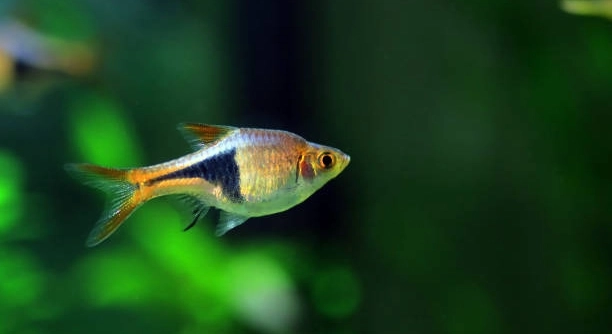
Harlequin rasboras are small, vibrant fish that can bring life to any aquarium. Breeding them at home is simple with the right approach and attention to water conditions, diet, and tank setup. Many enthusiasts enjoy raising them successfully.
Successful breeding of harlequin rasboras requires maintaining stable water parameters, providing high-quality live or frozen food, setting up a separate spawning tank with fine-leaved plants, and ensuring consistent temperature and pH levels. Monitoring and care increase fry survival rates.
Following these basic steps can help you create a thriving environment for your rasboras and achieve rewarding breeding results.
Preparing the Spawning Tank
Setting up a proper spawning tank is the first step in successfully breeding harlequin rasboras. A small tank of 10 to 15 gallons is sufficient. Fill it with soft, slightly acidic water, as rasboras prefer a pH between 6.0 and 6.5. Use fine-leaved plants like java moss or spawning mops, which provide surfaces for eggs to attach. Keep the water temperature stable between 77°F and 82°F, which encourages breeding behavior. Avoid adding gravel; a bare bottom makes it easier to clean and retrieve eggs. Provide gentle filtration, such as a sponge filter, to maintain water quality without creating strong currents that could harm eggs or fry. Gradually reduce lighting to mimic natural conditions and reduce stress. Feeding the adult fish a varied diet of high-quality live or frozen foods like daphnia, brine shrimp, and bloodworms will increase their readiness to spawn. Frequent small feedings keep them in prime condition.
Maintaining these conditions consistently increases the chances of egg laying and healthy fry development.
A carefully prepared spawning tank not only creates a safe environment for eggs but also reduces the risk of adult fish eating the eggs. The plants or spawning mops give eggs a place to attach and hide, while soft water and stable temperature simulate natural conditions, triggering breeding behavior. Proper filtration ensures clean water without disturbing delicate eggs, and a bare bottom simplifies maintenance. Feeding adults nutritious live or frozen foods improves their health and readiness to spawn, ensuring the next generation has a strong start. Consistent care during this stage lays the foundation for successful breeding and healthy offspring.
Selecting Healthy Breeding Pairs
Choose active, well-fed fish that show vibrant colors and strong swimming behavior.
Healthy adult harlequin rasboras are more likely to produce viable eggs. Look for fish that are at least six months old and free from signs of disease. Pair fish with compatible sizes to reduce stress and aggression. Observe interactions to ensure they are comfortable together. Separating a compatible pair in a breeding tank increases the likelihood of successful spawning. Keeping males and females in similar conditions beforehand helps acclimate them, promoting natural behavior. A proper diet with live or frozen foods improves egg quality and overall health. Avoid overcrowding, as stress can inhibit spawning. Selecting the right pair is a crucial step that directly impacts the success of the breeding process.
Once you have chosen a compatible pair, place them in the prepared spawning tank. Maintain soft, slightly acidic water and a stable temperature around 79°F to 81°F. Introduce fine-leaved plants or spawning mops for egg deposition. Feed the pair small portions of live or frozen food twice daily to boost energy and fertility. Monitor interactions closely; the male will typically court the female by swimming around her and displaying his colors. Spawning usually occurs in the morning, with the female depositing eggs among the plants and the male fertilizing them. Remove the adult fish after spawning to prevent them from eating the eggs. Continue to maintain water quality and gentle filtration, ensuring eggs remain safe. Hatching occurs in about 24 to 36 hours, after which the fry require tiny food such as infusoria or newly hatched brine shrimp. Careful observation and consistent tank conditions are essential for a strong start for the fry.
Feeding the Fry
Start feeding fry with infusoria or liquid fry food immediately after hatching. Gradually introduce newly hatched brine shrimp after a few days. Feed small amounts several times a day to prevent overfeeding and maintain water quality.
Fry are very delicate during their first week. Infusoria provides tiny particles they can easily consume. As they grow, switch to slightly larger foods like microworms or finely crushed flakes. Feeding in small amounts ensures that uneaten food does not pollute the water, which could harm the fry. Keep a close eye on their growth and behavior, adjusting portions as needed. Proper feeding helps them develop quickly and stay healthy.
Once fry are strong enough, add a mix of finely crushed flakes and baby brine shrimp. Maintain frequent feedings, but avoid overfeeding. Keep water clean through partial water changes to support growth. Ensure tank temperature and pH remain stable, as sudden changes can stress the fry. Observe for any signs of illness or slowed growth and address them immediately. A consistent routine with proper food and clean water establishes a solid foundation for healthy juvenile rasboras ready for later transfer.
Water Quality Maintenance
Frequent small water changes are essential for keeping ammonia and nitrite levels low. Use dechlorinated water at the same temperature as the tank to avoid shocking the fry.
Clean water prevents disease and supports steady growth. Test water regularly for pH, ammonia, nitrite, and nitrate levels. Gentle filtration, like sponge filters, keeps debris removed without creating strong currents. Avoid overfeeding, as leftover food decomposes quickly. Maintain soft, slightly acidic water for best results. Consistent monitoring and care prevent common water-related problems that can affect both fry and adult fish.
During the first few weeks, perform partial water changes of 10 to 15 percent daily or every other day. Make sure replacement water matches temperature and pH closely to avoid stressing fry. Remove any uneaten food before it begins to decay. Continue using gentle filtration to maintain clarity and oxygen levels. As fry grow, gradually increase tank maintenance intervals while monitoring water parameters. Clean water combined with a balanced feeding routine supports healthy growth, reduces disease risk, and promotes vibrant coloration in juvenile harlequin rasboras, preparing them for later integration into a community tank.
Separating Adults from Eggs
Remove adult harlequin rasboras from the spawning tank immediately after eggs are laid. This prevents adults from eating the eggs. Handle fish carefully to avoid stress or injury.
Check the tank daily to ensure all eggs remain safe. Any unfertilized or fungus-infected eggs should be removed promptly to protect healthy eggs.
Monitoring Fry Growth
Observe fry closely as they develop. Look for healthy swimming patterns and steady growth. Adjust feeding amounts and types based on size and activity. Consistent observation helps detect early signs of illness or stunted growth.
Regular monitoring allows for timely interventions. Keep a record of growth rates and behavior to track development. Ensure water parameters remain stable, and maintain a consistent feeding schedule. Healthy fry are active, responsive, and show early signs of coloration within a few weeks. Adjust care as needed to support their continued growth.
Providing Hiding Spots
Add fine-leaved plants or small decorations to give fry places to hide. This reduces stress and encourages natural behavior.
Gradually Transitioning to Larger Foods
As fry grow, slowly introduce finely crushed flakes or small frozen foods. Monitor their adaptation to new diets carefully to ensure proper nutrition and healthy development.
FAQ
How long does it take for harlequin rasbora eggs to hatch?
Harlequin rasbora eggs typically hatch within 24 to 36 hours after being laid. Temperature and water quality can slightly influence the timing. Keeping water stable and within the preferred range of 77°F to 82°F ensures a faster, more consistent hatch. After hatching, fry remain attached to surfaces briefly before swimming freely.
What is the best water temperature for breeding?
The ideal water temperature for breeding harlequin rasboras is between 77°F and 82°F. Stable temperature encourages spawning behavior and increases egg viability. Sudden fluctuations can stress adults or fry and may reduce survival rates. Using an aquarium heater with a reliable thermostat helps maintain consistency.
How do I know if my eggs are fertilized?
Fertilized eggs are usually clear or slightly yellow and will develop small eyes as they grow. Unfertilized eggs often appear cloudy or white and may become fuzzy with fungus. Removing unfertilized eggs promptly prevents contamination of healthy eggs.
How often should I feed the fry?
Feed fry small amounts multiple times per day. Start with infusoria or liquid fry food immediately after hatching, then transition to baby brine shrimp or finely crushed flakes. Frequent feedings ensure proper growth without overloading the tank and harming water quality.
When should I move fry to a larger tank?
Move fry to a larger tank once they are strong swimmers and can handle larger foods, typically around 3 to 4 weeks old. Ensure the new tank has similar water conditions, soft filtration, and plenty of hiding spots to reduce stress during the transition.
Can adult fish stay in the same tank as the fry?
Adult harlequin rasboras should be removed from the spawning tank immediately after eggs are laid. Adults may eat eggs or fry, so keeping them separate ensures higher survival rates for the young fish. Return adults to the main tank once the fry are fully independent.
What kind of food improves egg quality?
A varied diet of live or frozen foods like daphnia, bloodworms, and brine shrimp helps improve egg quality. High-quality nutrition increases fertility and the likelihood of healthy fry. Feed adults small amounts multiple times daily for best results.
How do I prevent fungal infections on eggs?
Maintain clean water and remove any unfertilized or damaged eggs promptly. Adding a few drops of methylene blue or a similar safe antifungal treatment can help prevent fungus. Avoid overcrowding and ensure gentle water flow around eggs.
How long does it take for fry to show color?
Fry start showing hints of coloration after about 3 to 4 weeks. Initial colors are usually muted and gradually intensify as they grow. Proper feeding, clean water, and low stress promote healthy color development.
What are common mistakes when breeding harlequin rasboras?
Common mistakes include poor water quality, overfeeding, leaving adults with eggs, and failing to provide appropriate hiding spots. Inconsistent temperatures or pH fluctuations also reduce egg viability. Monitoring water, feeding carefully, and maintaining stable conditions increase breeding success.
How many eggs can a pair lay at a time?
A healthy pair of harlequin rasboras can lay between 100 and 200 eggs in a single spawning session. Fertility depends on diet, water quality, and the age and health of the fish. Multiple spawnings are possible with proper care.
Is it necessary to have live plants in the spawning tank?
While not strictly required, fine-leaved live plants or spawning mops give eggs a safe surface to attach to. Plants also provide hiding spots for fry once they begin swimming. Artificial mops can be used if live plants are unavailable.
How do I prevent fry from getting stressed?
Provide plenty of hiding spots, maintain stable water conditions, and avoid overcrowding. Keep tank lighting moderate and handle fry minimally. Stress reduces growth, weakens immunity, and can increase mortality. Consistent care ensures healthy, active fry.
Can I breed harlequin rasboras in a community tank?
Breeding in a community tank is not recommended. Other fish may eat eggs or fry, and monitoring water quality and feeding is more difficult. Using a separate spawning tank improves success rates and ensures the safety of young fish.
How do I know when fry are ready for adult food?
Fry are ready for adult food when they can consume finely crushed flakes, baby brine shrimp, or similar items without difficulty. At this stage, they should be active swimmers and exhibit steady growth. Gradually transition their diet to prevent digestive issues.
What is the best lighting for breeding tanks?
Moderate, consistent lighting is best. Too bright lighting may stress adults or fry, while very dim lighting can reduce spawning behavior. Maintain a regular light cycle to mimic natural day and night periods, supporting normal activity.
How often should I check water parameters?
During breeding and early fry stages, test water daily for pH, ammonia, nitrites, and nitrates. Early detection of imbalances prevents stress, illness, and mortality. Once fry grow stronger, testing can be reduced but should remain regular to maintain optimal conditions.
Can I reuse water from the main tank for the spawning tank?
Yes, but ensure it is free of chlorine or chloramines. Conditioned water should match temperature and pH of the spawning tank. This reduces stress on fish and provides a familiar environment conducive to spawning.
How can I increase spawning frequency?
Maintain stable water conditions, feed adults a varied diet, and ensure a proper spawning environment with plants or mops. Removing eggs promptly after spawning encourages repeated spawning cycles. Regular care and observation support frequent, successful breeding sessions.
What signs indicate the fry are healthy?
Healthy fry are active swimmers, responsive to food, and show steady growth. They maintain bright eyes and begin developing coloration over a few weeks. Proper water quality, consistent feeding, and low stress are essential for maintaining health.
How do I handle sick fry?
Separate sick fry into a quarantine tank if possible. Check water quality, reduce stress, and provide appropriate treatment. Early intervention increases survival chances and prevents disease spread to healthy fry.
Breeding harlequin rasboras can be a rewarding and manageable experience if approached with care and consistency. These fish are relatively small and hardy, but their success in breeding depends heavily on the environment they are kept in. Ensuring a stable tank with soft, slightly acidic water and the right temperature range is key. Fine-leaved plants or spawning mops provide a safe place for eggs to attach, which increases survival rates. Removing adults from the spawning tank after eggs are laid prevents accidental predation, giving the fry a better chance to grow. Feeding adult fish high-quality live or frozen foods not only improves their health but also enhances egg viability, setting the stage for strong, healthy fry. Regular monitoring of water parameters and careful maintenance is essential, as sudden changes in pH, temperature, or water quality can stress both adults and fry, reducing the likelihood of successful breeding.
Once the eggs hatch, fry require specialized care to ensure steady growth. Starting with infusoria or liquid fry food provides small enough particles for them to eat comfortably, while gradually introducing baby brine shrimp and finely crushed flakes supports continued development. Frequent but small feedings prevent overfeeding and help maintain clean water. Fry are extremely sensitive to water quality, so partial water changes and gentle filtration are important for their survival. Providing hiding spots in the tank reduces stress and encourages natural behavior, allowing fry to swim and grow confidently. Over time, as fry develop and strengthen, they can handle larger foods and more open spaces, preparing them for transition into a larger tank or community environment. Patience and consistent care during these early stages are critical, as the first few weeks of life are the most vulnerable for these tiny fish.
Maintaining a consistent routine and observing the fish closely contributes to long-term success. Healthy fry show active swimming, steady growth, and early signs of coloration within weeks. Monitoring their behavior and appearance allows you to identify issues early, whether related to diet, water quality, or health. Breeding harlequin rasboras is a process that benefits from careful attention to detail and a hands-on approach, but it is not overly complicated when broken into simple steps. By preparing a proper spawning environment, feeding both adults and fry appropriately, and maintaining water quality, you can create a thriving setup that encourages repeated spawning and healthy offspring. Following these guidelines provides not only a successful breeding experience but also an enjoyable and satisfying way to observe these vibrant fish develop from eggs to mature adults.

Hello,
If you enjoy the content that we create, please consider saying a "Thank You!" by leaving a tip.
Every little bit helps us continue crafting quality advice that supports the health, happiness, and well-being of pets around the world, for pets of all shapes, sizes, and species.
We really appreciate the kindness and support that you show us!