
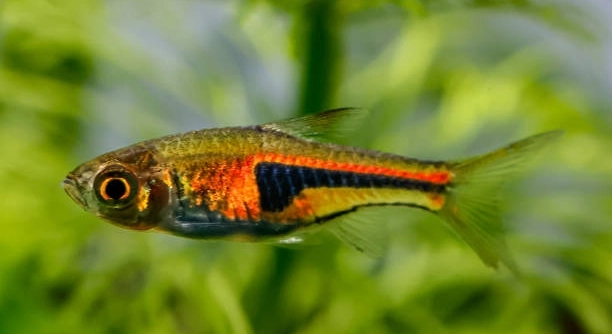
Rasboras are small, active fish often admired for their shimmering colors and peaceful nature. Many aquarists notice them swimming near the top of the tank, especially during feeding times, which can make surface feeding an appealing choice.
Rasboras generally do enjoy surface feeding, particularly when offered floating flakes or small pellets. This behavior allows them to access food easily while promoting natural swimming patterns. Providing appropriate surface feed can support their overall health and social activity.
Observing their feeding habits can help you choose the right diet and maintain a harmonious tank environment for these lively fish.
Benefits of Surface Feeding for Rasboras
Surface feeding offers several advantages for rasboras, helping them stay healthy and active. When food floats on the surface, these fish can access it easily without struggling with sinking pellets. This feeding style mirrors some of their natural behaviors, as they often consume small insects or plant material near the water surface. By feeding at the top, rasboras can exercise their swimming skills, maintain social interaction, and reduce stress, which often occurs when fish compete for food at the bottom. Additionally, surface feeding allows aquarists to monitor how much their fish eat, preventing overfeeding and maintaining water quality. Choosing light, floating flakes or micro-pellets is ideal.
Surface feeding encourages natural behaviors and keeps rasboras engaged while supporting tank hygiene and fish health.
Regularly offering surface feed can improve the overall activity of your rasboras. They tend to swim more energetically and interact with each other while feeding. Providing this type of food in moderate amounts ensures balanced nutrition. Observing their feeding patterns can reveal individual preferences and highlight any health issues early. Feeding small amounts multiple times a day is often better than one large portion, preventing leftover food from polluting the tank. It is also beneficial to vary the diet with occasional frozen or live food at the surface, mimicking natural foraging and enhancing nutrient intake. Over time, rasboras adapt to this feeding method and display more consistent energy levels, vibrant colors, and social cohesion, making tank management easier and more enjoyable.
Tips for Effective Surface Feeding
Offering small, floating portions prevents food from sinking too quickly, ensuring all fish have access.
To maximize the benefits of surface feeding, start by choosing high-quality floating flakes or pellets suited for small tropical fish. Introduce food gradually, observing how quickly the rasboras consume it. Avoid overfeeding, as uneaten food can decay and harm water quality. Placing food in one area allows fish to gather naturally, reducing competition and stress. Rotating different types of floating foods, including occasional live or frozen options, supports a balanced diet and encourages natural foraging behaviors. Maintaining clean water is essential; leftover particles should be removed promptly. Feeding at consistent times each day helps establish routine and predictability, which lowers stress and improves overall health. Watching how your rasboras respond allows you to adjust feeding amounts and schedules, ensuring each fish receives proper nutrition. Over time, this method enhances swimming activity, social interaction, and visual appeal in the tank, making surface feeding an effective, practical approach for daily care.
Common Mistakes in Surface Feeding
Overfeeding is a frequent issue with surface feeding, leading to water contamination and unhealthy fish. Sinking uneaten food can rot quickly, causing ammonia spikes and algae growth.
It’s important to offer small, controlled portions at a time. Observing how quickly rasboras consume their food helps determine the right amount. Feeding once or twice a day in moderate quantities is sufficient. Avoid tossing large amounts, as rasboras can eat only what they can reach immediately. Uneaten food should be removed promptly to maintain clean water and prevent stress or disease.
Ignoring individual fish needs can also be a problem. Some rasboras may be timid and struggle to reach the surface if dominant fish gather first. Distributing food across multiple spots allows all fish to feed without competition. Using a variety of floating foods ensures balanced nutrition and keeps shy fish engaged. Maintaining a consistent feeding routine further reduces stress and supports healthy growth. Observing feeding patterns regularly helps catch any early signs of illness or dietary imbalance.
Choosing the Right Surface Food
Floating flakes are ideal for most rasboras because they stay on top long enough for the fish to eat.
High-quality floating pellets provide more precise nutrition and less mess than flakes. Small rasboras benefit from micro-pellets designed for their size, as larger pellets can be difficult to consume. Variety is important: supplementing flakes with occasional live or frozen options like daphnia or brine shrimp improves health and color vibrancy. Avoid foods that disintegrate too quickly, as this can dirty the water and increase maintenance. Feeding multiple times a day in smaller portions encourages activity and reduces stress among tankmates.
When selecting surface food, check the ingredients to ensure it contains essential proteins, vitamins, and minerals. Avoid fillers that add bulk but little nutritional value. Some floating foods are fortified with color enhancers, supporting brighter hues in rasboras over time. It’s also helpful to rotate brands or types to prevent picky eating habits. Feeding techniques matter too: drop food slowly in one area to reduce waste and allow timid fish a chance to eat. Observing how your rasboras respond guides adjustments, ensuring proper intake and maintaining healthy water conditions. Regularly monitoring both fish behavior and tank cleanliness ensures surface feeding remains effective and safe for long-term care.
Timing Your Surface Feeding
Feeding at consistent times helps rasboras develop a routine and reduces stress. Regular schedules make it easier to monitor food intake.
Morning and late afternoon are often ideal times for surface feeding. Fish are naturally more active during these periods, which encourages better eating habits.
Monitoring Fish Behavior
Observing how rasboras respond during feeding can reveal health or social issues. Timid fish may struggle if dominant fish gather first. Adjusting feeding spots and portion sizes ensures all fish have access, reducing stress and promoting healthy interactions within the group.
Maintaining Tank Cleanliness
Removing uneaten surface food promptly prevents water contamination. Consistent cleaning keeps the tank environment safe and healthy for rasboras.
FAQ
Do all rasboras enjoy surface feeding?
Not all rasboras feed exclusively at the surface, but most species will accept floating food. Some shy or timid fish may prefer the middle or bottom of the tank at first. Providing multiple feeding spots can help ensure all fish get access without stress or competition.
How often should I feed rasboras at the surface?
Feeding once or twice a day in small portions is generally sufficient. Overfeeding can lead to water quality issues and obesity. Observing their behavior during feeding helps adjust the frequency. Smaller, more frequent meals are often better than a single large portion.
Can surface feeding affect tank water quality?
Yes, uneaten floating food can decay and increase ammonia or nitrite levels. Promptly removing leftover flakes or pellets is important to prevent water contamination. Using high-quality, slow-sinking food reduces mess and helps maintain clean water.
What types of food are best for surface feeding?
Floating flakes or micro-pellets designed for small tropical fish work best. Occasional live or frozen food like daphnia or brine shrimp can improve nutrition and encourage natural foraging behavior. Avoid foods that break apart too quickly, as they can dirty the tank.
Do rasboras need a variety of foods?
Yes, variety ensures balanced nutrition and supports health. Rotating between flakes, pellets, and occasional live or frozen foods helps provide proteins, vitamins, and minerals. A varied diet also keeps fish engaged and reduces the risk of picky eating habits.
Will shy rasboras get enough food with dominant fish present?
Not always. Timid fish may be pushed aside by more aggressive feeders. Dropping food in multiple locations and spreading small portions allows shy fish to access food without competition. Observing behavior and adjusting feeding spots is key.
Can surface feeding help with coloration?
Yes, quality floating foods often contain nutrients and color enhancers that support bright and healthy coloration. Including occasional live or frozen foods can also improve vibrancy. A balanced diet combined with good lighting and tank conditions helps maintain consistent color.
Is it okay to feed surface food at night?
Feeding at night is not ideal, as rasboras are naturally more active during daylight. Morning and late afternoon feedings are preferred. Night feeding can disrupt sleep patterns and increase leftover food in the tank, which may harm water quality.
How do I know if I am overfeeding?
Signs of overfeeding include leftover food floating or sinking, cloudy water, algae growth, and fish showing signs of bloating. Adjust portions to match what they can consume in a few minutes and remove any uneaten food promptly.
Can surface feeding improve social behavior?
Yes, feeding at the surface encourages active swimming and interaction. Fish gather and move together while eating, promoting social cohesion and natural schooling behavior. Proper portioning and multiple feeding spots help maintain harmony within the group.
Are there any risks with surface feeding?
The main risks involve overfeeding and poor water quality. Uneaten food can decompose, increasing ammonia and nitrite levels. Timid fish may also miss out if dominant fish monopolize the feeding area. Careful portion control, multiple feeding spots, and prompt removal of leftovers reduce these risks.
Should I combine surface feeding with bottom feeding?
Yes, combining both methods ensures all fish access proper nutrition. Some rasboras may prefer picking food from the middle or bottom of the tank. Alternating or providing a mix of floating and sinking food helps maintain balanced feeding habits and reduces stress.
How long does it take for rasboras to adapt to surface feeding?
Most rasboras adapt quickly, often within a few days to a week. Timid individuals may take longer. Gradually introducing floating food and providing multiple feeding spots helps ensure all fish adjust comfortably without stress.
Does water temperature affect surface feeding?
Yes, rasboras are more active at their optimal tropical temperature range (around 24–28°C). Cooler water may slow their metabolism, reducing appetite, while warmer water increases activity but requires careful monitoring of food amounts to prevent overfeeding.
Can I hand-feed rasboras at the surface?
Yes, some rasboras can learn to take food directly from fingers or a feeding tool. This can strengthen observation skills, monitor health, and provide interaction, but it should be done carefully to avoid startling the fish.
What should I do if floating food sinks too quickly?
Switch to a slower-sinking or true floating food. Dropping small portions gently and in multiple spots can also help prevent food from sinking too fast. Maintaining proper water flow in the tank ensures food stays accessible at the surface longer.
Is surface feeding suitable for all tank setups?
It works best in calm tanks with gentle water flow. Strong currents can push floating food away from fish, making it difficult to eat. Adjusting flow or feeding in calmer areas ensures rasboras can feed comfortably.
How can I tell if my rasboras are enjoying surface feeding?
Active swimming near the top, quick food consumption, and bright coloration are good indicators. Healthy social interaction and minimal leftover food also show they are thriving on surface feeding.
Can surface feeding reduce tank maintenance?
When done properly, yes. Prompt removal of uneaten food and controlled portions reduce debris and prevent excessive algae growth. Choosing high-quality floating foods and monitoring feeding behavior also helps maintain a cleaner, healthier tank.
What is the best routine for surface feeding?
Feed once or twice daily in small portions, observe consumption, remove leftovers, and vary food types occasionally. Consistency and monitoring behavior are key to ensuring all rasboras are fed properly while maintaining water quality and overall tank health.
Surface feeding can be a practical and enjoyable method for caring for rasboras. It allows them to access food easily while promoting natural swimming and social behaviors. Floating flakes or micro-pellets work best, as they remain on the surface long enough for all fish to feed. Offering food in controlled portions prevents overfeeding and reduces leftover waste, which helps maintain clean water. Observing the fish during feeding gives insight into their health and activity levels. Fish that actively swim to the top and consume food quickly are usually healthy and well-adjusted, while hesitation or avoidance may indicate stress or illness. By maintaining a consistent feeding routine, rasboras can develop predictable patterns that reduce stress and encourage social interaction among the group.
Surface feeding also supports overall tank management. Uneaten food can decompose quickly and impact water quality if not monitored, so removing leftovers promptly is essential. Providing multiple feeding spots in the tank ensures shy or timid fish can eat without competition from more dominant tankmates. Varying food types, including occasional live or frozen options, offers a more balanced diet and prevents picky eating habits. These practices help maintain a healthy environment while allowing all fish to thrive. Additionally, observing how rasboras react to different types of floating food can inform future feeding strategies, ensuring each fish receives adequate nutrition. A regular approach to feeding, combined with careful monitoring, supports their natural behaviors, social cohesion, and overall well-being.
Implementing surface feeding requires attention to detail, but the benefits are clear. It encourages active swimming, reduces stress, and allows for easier monitoring of fish health. High-quality floating foods, offered in small, measured amounts, can improve coloration and support proper nutrition. Maintaining clean water and providing multiple feeding points help shy or smaller fish participate fully. Over time, rasboras adapt well to surface feeding, displaying consistent energy levels and vibrant colors. The method is not just convenient for feeding but also a way to observe their natural behaviors and strengthen care routines. Careful planning and observation ensure that surface feeding enhances both the health of the fish and the overall harmony of the aquarium.

Hello,
If you enjoy the content that we create, please consider saying a "Thank You!" by leaving a tip.
Every little bit helps us continue crafting quality advice that supports the health, happiness, and well-being of pets around the world, for pets of all shapes, sizes, and species.
We really appreciate the kindness and support that you show us!