
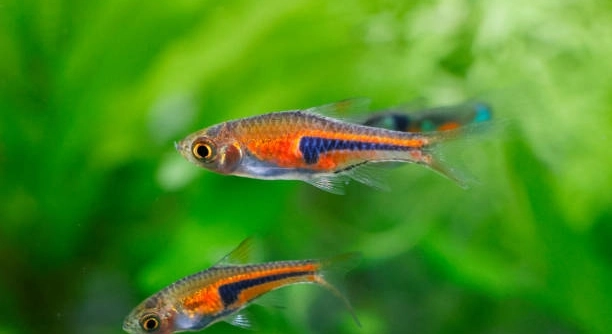
Keeping a small group of fish can be satisfying, especially with vibrant species like rasboras. These tiny, colorful fish add life to any aquarium, making even a small tank feel lively and engaging for a hobbyist.
Keeping just three rasboras is not recommended for their well-being. Rasboras are naturally schooling fish that thrive in groups of six or more. A small group can lead to stress, reduced activity, and health issues over time.
Learning the ideal number for a small tank can help your fish thrive and maintain a balanced, lively aquarium environment.
Why Rasboras Need a School
Rasboras are naturally social fish that feel safest in numbers. When kept in a small group, they can become shy and hide more often, limiting their movement and activity. Observing their usual schooling behavior helps them feel secure and reduces stress. A proper group encourages natural interactions, such as synchronized swimming, chasing, and exploring. Stress from isolation can weaken their immune system, making them more vulnerable to disease. In a small tank with just three fish, it’s common to see uneven growth or aggression as they compete for attention and space. Providing at least six rasboras allows them to establish a hierarchy naturally without any single fish being overwhelmed. It also makes feeding time smoother, as they are less likely to fight over food or miss meals. Ensuring enough numbers supports their overall health, behavior, and longevity in a tank, keeping them active and visible throughout the day.
A small group often leads to stress and hidden behavior, so keeping at least six ensures healthier, more active fish.
By maintaining the right number of rasboras, you create a balanced environment where each fish can swim freely. Proper schooling reduces stress, encourages natural behavior, and promotes stronger immunity. Over time, it improves color, activity levels, and overall tank harmony. Observing a healthy group is rewarding, as their synchronized swimming adds a dynamic, lively aspect to your aquarium. Small groups often hide or act lethargic, which makes it harder to enjoy their full presence. Providing more fish allows them to interact safely, reduces aggression, and ensures all individuals receive enough attention and food. The tank feels alive, and care becomes easier because the fish exhibit predictable, natural behavior.
Adjusting Tank Conditions for Small Groups
Even with a small number of rasboras, tank conditions matter. Proper temperature, pH levels, and hiding spots are essential for their comfort and health.
Temperature, water quality, and plant coverage play a significant role in minimizing stress when the group is smaller than ideal. A stable environment can partially compensate for fewer companions, but it won’t fully replace the benefits of a proper school. Maintaining 24–28°C and a neutral pH ensures their metabolism and immune system remain strong. Regular water changes reduce harmful toxins that could affect weaker fish. Plants and decorations provide hiding spots, allowing fish to retreat if they feel threatened. Proper filtration and gentle water flow prevent unnecessary stress. Observing their behavior regularly helps detect early signs of stress or illness. While tank adjustments improve comfort, these steps are supplementary. A full school is still the best approach, but careful management of conditions ensures even small groups remain healthy and visible, giving them the best chance to thrive.
Feeding and Nutrition
Rasboras need a balanced diet to stay healthy and active. High-quality flakes, small pellets, and occasional live or frozen foods provide essential nutrients for growth, color, and energy. Overfeeding should be avoided to prevent water quality issues and health problems.
A proper feeding routine helps rasboras maintain strong immunity and vibrant colors. Small amounts given once or twice a day are sufficient, allowing them to consume food quickly without leftovers. Live foods like daphnia or brine shrimp encourage natural hunting behavior, while high-quality flakes supply vitamins and minerals. It’s important to observe their eating habits, as timid fish in small groups may miss meals, so hand-feeding or spreading food evenly can help ensure all fish get their share.
Overfeeding can lead to bloating, disease, and poor water quality. Rotating food types keeps their diet varied and nutritious. Consistent feeding helps maintain their activity and prevents aggressive behavior over food, even in small groups.
Tank Size and Setup
Even small groups require adequate space to swim freely and display natural behavior. A properly sized tank reduces stress and supports overall health. Plants, hiding spots, and gentle water flow create a comfortable environment for rasboras to thrive.
A tank of at least 20 gallons is recommended for six or more rasboras, giving them room to school and explore. Hiding places such as plants and decorations allow them to feel secure, reducing stress in smaller groups. Gentle filtration prevents strong currents that can tire the fish while maintaining water quality. Lighting should mimic natural conditions to promote activity and natural coloration. Regular water changes help remove toxins, ensuring stable pH and temperature. Proper arrangement of plants and decorations allows swimming paths and breaks monotony. Monitoring fish behavior ensures all individuals remain active and healthy.
Arranging the tank carefully improves visibility, reduces stress, and supports natural schooling behavior. Space, cover, and clean water work together to maintain a lively, balanced aquarium.
Common Health Concerns
Stress from being in a small group can weaken rasboras’ immune systems. Illnesses like fin rot or fungal infections are more likely to appear when fish feel insecure or confined. Regular observation helps catch issues early.
Maintaining clean water and stable conditions reduces the risk of disease. Quarantining new additions prevents introducing pathogens. Even minor changes in behavior, color, or appetite can indicate a health problem. Acting quickly by adjusting water parameters or consulting a vet can save fish from serious complications. Consistent care supports long-term health and keeps your rasboras active.
Breeding Considerations
Breeding rasboras in small numbers is challenging. A proper school improves natural behavior and increases the chances of successful spawning.
Behavior in Small Groups
Rasboras kept in groups smaller than six may hide, swim less, and show signs of stress. They rely on numbers for confidence.
FAQ
Can you keep just three rasboras?
Keeping only three rasboras is not ideal. These fish are schooling species, and small numbers can lead to stress, hiding, and reduced activity. A group of six or more ensures they display natural behavior, remain active, and maintain good health. Small groups may struggle with social interaction and show signs of anxiety.
What size tank is suitable for a small group?
Even a small group of three should have enough space to swim comfortably. A tank of at least 10–15 gallons is recommended for three fish, but larger tanks are always better. Adequate swimming space reduces stress, prevents aggression, and allows each fish to explore. Plants and decorations provide hiding spots, which are essential for feeling secure. Proper filtration and gentle water flow maintain healthy conditions for all fish.
How should I feed a small group?
Feed small amounts once or twice daily. Overfeeding can harm water quality and cause health issues. High-quality flakes, small pellets, and occasional live or frozen foods give essential nutrients. Spread food evenly so all fish get a share, especially if some are timid. Rotating food types supports health and encourages natural foraging behavior.
Will three rasboras breed successfully?
Breeding is unlikely in such a small group. Rasboras rely on larger schools for proper social cues and confidence. With too few fish, spawning behavior is reduced, and stress may prevent breeding entirely. A larger group creates a more natural environment, improving the chances of successful reproduction.
How do I reduce stress in a small group?
Stress can be minimized with stable water parameters, clean water, and hiding spots. Consistent temperature, pH balance, and gentle filtration help fish feel secure. Live plants, rocks, and decorations provide places to retreat, which is especially important for small groups. Regular observation allows you to detect stress early and make adjustments.
Are small groups more prone to disease?
Yes, isolation or small group size can weaken immunity. Rasboras in small numbers may hide or swim less, making them more vulnerable. Maintaining clean water, proper feeding, and quarantine for new fish reduces disease risk. Promptly addressing any changes in behavior or appearance ensures fish remain healthy.
Can tank mates help three rasboras feel secure?
Some peaceful tank mates may reduce boredom but won’t replace the benefits of a proper school. Rasboras rely on their own species for schooling behavior. While compatible companions can enrich the environment, they cannot fully compensate for a lack of numbers.
Is it okay to start with three and add more later?
Yes, adding more rasboras gradually is better than keeping them alone long-term. Introduce new fish carefully and monitor water quality. A larger group improves schooling behavior and reduces stress. Be mindful of tank capacity to avoid overcrowding.
How do I monitor behavior in a small group?
Observe swimming patterns, activity levels, and interactions. Timid, hidden, or lethargic fish may indicate stress or illness. Ensure all fish get food and appear healthy. Early detection of problems allows for quick adjustments to water conditions or tank setup, supporting overall well-being.
Can I keep three rasboras in a planted tank?
Yes, a planted tank provides hiding spots, reduces stress, and encourages natural behavior. Plants improve water quality and make the environment more dynamic. Proper layout allows swimming space while giving small groups the security they need. Combine plants with gentle filtration for best results.
Do water changes matter for small groups?
Absolutely. Even small groups produce waste that can accumulate quickly. Regular water changes maintain stable parameters, reduce toxins, and prevent stress-related health problems. Clean water supports immunity, activity, and vibrant coloration in rasboras.
What is the minimum number I should keep for a healthy school?
Six rasboras is generally considered the minimum for a healthy, active school. Fewer than six increases stress, hiding, and behavioral issues. Larger groups allow fish to interact naturally, swim confidently, and maintain physical and mental health.
Can three rasboras be happy long-term?
They may survive but are unlikely to thrive. Small numbers limit social behavior and can reduce lifespan. Providing a well-maintained environment, hiding spots, and careful observation helps, but a proper school is essential for long-term happiness and health.
How do I introduce more rasboras to a small group?
Acclimate new fish slowly to prevent shock. Float the bag in the tank, gradually mix tank water, and monitor interactions. Adding fish in stages helps maintain water quality and prevents sudden stress. A larger group will improve schooling behavior and overall activity.
Are there specific tank setups better for small groups?
Heavily planted tanks with gentle water flow work best. Hiding spots reduce stress, and open swimming areas allow activity. Proper filtration, stable temperature, and clean water are critical. Decorations should balance shelter with swimming space, ensuring all fish feel secure.
Do rasboras show signs of happiness or stress clearly?
Yes, active swimming, vibrant color, and schooling indicate comfort. Hiding, lethargy, or faded color signals stress or health problems. Monitoring behavior regularly helps you adjust the environment, feeding, or social group as needed.
Can tank size compensate for small numbers?
A larger tank helps reduce stress but cannot replace the benefits of a proper school. Space allows swimming and exploration, but social interaction with enough companions is essential for natural behavior. Both tank size and group size must be considered together.
Is a quarantine tank necessary for small groups?
Yes, quarantining new fish prevents disease introduction. Even small groups are vulnerable to stress-related illness. A quarantine period of 2–3 weeks ensures newcomers are healthy before joining the main tank, protecting all fish.
How often should I check water parameters?
Weekly checks are recommended for ammonia, nitrite, nitrate, pH, and temperature. Consistent monitoring ensures stability, reduces stress, and prevents health issues, especially in small groups. Immediate adjustments prevent long-term problems.
Are three rasboras easier to care for than larger groups?
Not necessarily. While fewer fish produce less waste, their stress and behavioral issues require careful observation. A larger group may be easier to maintain social balance and ensures healthier, more active fish.
What is the best long-term solution for three rasboras?
Adding at least three more fish to reach a group of six or more is the ideal solution. This promotes natural schooling, reduces stress, and supports overall health, behavior, and longevity. Proper tank setup and monitoring complement the benefits of a full school.
How can I make a small group more engaging?
Provide plants, decorations, and varied feeding. Even with a small group, these additions encourage exploration and activity. Still, nothing replaces the social interaction of a proper school, which is critical for mental and physical well-being.
Do rasboras interact differently in small vs. large groups?
Yes, smaller groups show more hiding, less synchronized swimming, and increased stress. Larger groups display active schooling, playful chasing, and confident movement, creating a balanced, natural environment that small numbers cannot replicate.
How important is lighting for small groups?
Moderate lighting mimics natural conditions and encourages activity. Too bright can stress shy fish, while too dim may reduce visibility and color. Balanced lighting supports natural behavior and overall well-being.
Can I mix different rasbora species in a small group?
Mixing is possible but may affect schooling cohesion. Similar-sized, peaceful species work best. Avoid mixing with aggressive or much larger species, as this can increase stress and disrupt natural behavior, especially in small numbers.
What is the ideal water temperature for a small group?
24–28°C is recommended. Stable temperature reduces stress, supports metabolism, and encourages normal activity. Sudden changes can weaken immunity and increase the risk of disease, particularly in small groups.
How do I prevent hiding behavior?
Provide proper tank size, plants, and decorations. Consistent feeding, stable water conditions, and gradually adding more companions encourage confident swimming. Observing fish helps ensure they are active and healthy rather than isolated.
Are small groups suitable for beginners?
Small groups require careful observation and environmental management. While fewer fish may seem easier, stress and health issues are more likely. Beginners should aim for at least six fish to support natural behavior and simplify care.
How long do rasboras live in small groups?
Lifespan may be shorter due to stress and health complications. With proper care, clean water, and a stable environment, they can live several years, but a proper school greatly improves longevity and quality of life.
Does diet affect behavior in small groups?
Yes, nutritious and varied food supports activity, color, and immune function. Poor diet can increase hiding, lethargy, and stress. Consistent feeding routines maintain confidence and energy levels, even in smaller numbers.
Can I keep three rasboras alone with other species?
They may survive but still rely on conspecifics for schooling behavior. Peaceful tank mates can provide some enrichment but won’t replace the social structure and confidence gained from a full school.
Are there visual signs of stress in small groups?
Fading color, clamped fins, hiding, or erratic swimming indicate stress. Observing these signs allows timely intervention through water adjustments, tank enrichment, or increasing group size.
Do small groups affect coloration?
Yes, stress and lack of social interaction can dull colors. A full school encourages confident swimming, reduces stress, and helps maintain vibrant, natural coloration.
Can plants fully compensate for small numbers?
Plants provide hiding spots and reduce stress but cannot replace social schooling. They improve comfort, water quality, and exploration opportunities, but fish still need companions for natural behavior.
How quickly should new fish be added to reach a proper school?
Gradually, over days to weeks, to avoid stress and water quality issues. Slowly acclimating fish allows safe integration and encourages natural schooling behavior.
Is observation more critical for small groups?
Yes, limited numbers make stress, illness, or hiding more noticeable. Regular observation ensures all fish receive food, remain active, and allows early intervention to maintain health.
Do small groups impact social hierarchy?
Yes, fewer fish can result in weaker or skewed social structure. Larger schools allow natural hierarchy formation, reducing aggression and supporting balanced interactions.
Are three rasboras enough for a display tank?
They add color but may appear shy or inactive. A larger group creates dynamic movement, better showcasing their natural schooling patterns and vibrancy.
Should water flow be reduced for small groups?
Yes, gentle flow prevents tiring fish and reduces stress. Strong currents can overwhelm small numbers, especially if hiding spaces are limited. Proper flow supports healthy swimming behavior.
Can stress in small groups be reversed?
Partially, by improving tank conditions, adding companions, and monitoring water quality. While some behavioral issues may improve, a proper school is essential for full recovery.
Do small groups affect feeding competition?
Yes, timid fish may miss meals or be outcompeted. Spreading food, feeding slowly, or hand-feeding ensures all fish receive adequate nutrition.
Is a heater necessary for small groups?
Yes, maintaining 24–28°C is important. Stable warmth supports metabolism, immune function, and overall activity, especially in smaller, more vulnerable groups.
Can small groups adapt over time?
They may adjust partially to a limited social environment, but natural schooling behavior and confidence will remain compromised. Adding more fish greatly improves adaptation.
Do small groups require more attention than larger groups?
Yes, each fish’s behavior and health are more noticeable. Careful monitoring, feeding, and environmental management are essential to prevent stress and ensure long-term well-being.
How do I know when the group is too small?
Signs include hiding, reduced swimming, clamped fins, dull colors, and lethargy. If these behaviors persist, adding more companions or adjusting the environment is necessary.
Are smaller rasboras more delicate in small groups?
Yes, limited numbers increase stress susceptibility. Proper care, stable conditions, and adequate companionship help maintain health and reduce vulnerability.
Is schooling behavior visible in groups of three?
It may be limited or weak. True synchronized schooling requires at least six fish to display full natural behavior and confidence.
Do small groups affect energy levels?
Yes, less social interaction often reduces activity and exploration. A full school encourages active swimming, feeding, and engagement with the environment.
Are small groups suitable for planted aquariums?
Yes, plants reduce stress and provide hiding spots, but social interaction remains limited. Combining plants with a larger school maximizes both comfort and natural behavior.
How do I measure stress in small groups?
Look for hiding, clamped fins, reduced appetite, or erratic swimming. Behavioral changes are the best indicators, and prompt adjustments maintain health.
Is water quality more critical for three fish?
Yes, smaller groups produce less waste but are more sensitive to changes. Consistent water checks and maintenance prevent stress-related illness.
Do small groups affect lifespan?
Yes, stress, limited social interaction, and weaker immune response can shorten lifespan. Adding more companions improves longevity and overall well-being.
Can small groups be integrated into community tanks?
Yes, with peaceful, similarly sized species. Social comfort improves when proper companions are present, but schooling behavior is still limited without enough rasboras.
Are three rasboras suitable for observation tanks?
They provide some activity but may remain shy. A larger group ensures more visible, confident, and natural behavior, enhancing display appeal.
Do they require more enrichment in small groups?
Yes, plants, decorations, and varied feeding help maintain activity. Enrichment partially compensates for limited social interaction but does not replace a full school.
Can water temperature fluctuations affect small groups more?
Yes, small groups are more sensitive to sudden changes. Maintaining stable temperature prevents stress, disease, and lethargy.
Is quarantine more important for small groups?
Yes, even minor illnesses can affect few fish quickly. Quarantining new arrivals protects the group’s health and ensures safe integration.
Do small groups show aggression?
Yes, stress or lack of companions may trigger minor aggression. Proper schooling reduces tension and promotes balanced interactions.
Can hiding behavior be reduced in small groups?
Yes, with plants, gentle flow, and gradual addition of companions. Comfortable spaces encourage confident swimming and natural exploration.
Are small groups more sensitive to illness?
Yes, fewer fish mean stress has a greater impact on immunity. Vigilant care is needed to maintain health.
Do small groups need special lighting?
Moderate lighting supports natural behavior, reduces stress, and highlights coloration. Too bright or dim light can affect activity and comfort.
Are three rasboras sufficient for natural behavior?
No, proper schooling requires at least six. Small numbers limit activity, confidence, and social interactions.
Can small groups adapt to a community tank?
They may integrate but remain less confident. A full school of rasboras ensures natural behavior while living with other peaceful species.
How often should I observe small groups?
Daily observation helps detect hiding, lethargy, or illness early. Prompt action ensures health and reduces stress in limited numbers.
Does adding more rasboras improve confidence?
Yes, increasing the group size allows natural schooling, reduces stress, and encourages active, visible swimming.
Are three rasboras suitable for beginners?
Only if carefully monitored. Stress, hiding, and limited social interaction require attentive care. A larger group simplifies management and promotes natural behavior.
Can three rasboras ever thrive alone?
They may survive with careful care, but true schooling behavior, activity, and confidence are unlikely without more companions.
Do plants fully replace a school?
No, they help reduce stress and provide hiding spaces but cannot substitute for social interaction with their own species.
How to gradually increase group size?
Acclimate new fish slowly over days, monitoring water quality and behavior. Gradual introduction prevents stress and encourages natural schooling.
Are small groups more prone to hiding?
Yes, limited numbers reduce confidence. Hiding is common in small groups, especially when stress or illness occurs.
Do feeding patterns change in small groups?
Yes, timid fish may miss meals. Spread food evenly or hand-feed to ensure all fish get adequate nutrition.
Can three rasboras survive long-term?
They can survive with proper care but will not thrive. Adding more companions is essential for full health, behavior, and well-being.
Is behavior noticeably different in small groups?
Yes, less swimming, more hiding, and reduced interaction occur. Larger groups exhibit confident, active schooling behavior that small groups cannot replicate.
Do small groups require special tank arrangements?
Yes, plants, decorations, and hiding spots are crucial to reduce stress and encourage activity. Proper layout supports limited social interaction.
Are small groups more sensitive to diet changes?
Yes, inadequate nutrition can quickly affect health and behavior. A varied diet supports activity, color, and immunity.
Does water chemistry affect small groups more?
Yes, minor changes in pH, ammonia, or nitrite can stress fewer fish quickly. Stable conditions are critical.
How to keep small groups active?
Provide hiding spots, balanced diet, and gentle water flow. Gradually increasing group size encourages natural schooling and energy.
Do small groups need frequent monitoring?
Yes, limited numbers make stress, illness, or hiding more apparent. Regular observation ensures all fish remain healthy and active.
Are three rasboras enough for a planted tank?
They benefit from plants but lack full schooling behavior. Proper group size maximizes natural activity, confidence, and display impact.
Can small groups be entertaining?
Yes, but activity may be limited. Larger schools create dynamic movement and synchronized swimming, making observation more rewarding.
Is adding tank mates helpful?
Peaceful species can provide enrichment but do not replace conspecific social interaction, which is essential for rasboras.
Are small groups easier to manage?
Not always. Stress, hiding, and limited social behavior require careful observation. A proper school simplifies care and improves well-being.
Do small groups require stable lighting?
Yes, moderate lighting encourages activity, reduces stress, and highlights coloration. Too bright or dim conditions can affect behavior.
Can three rasboras thrive in a community tank?
They may survive with peaceful tank mates, but full schooling behavior and confidence require more companions.
How to detect stress early?
Look for hiding, clamped fins, faded color, or reduced appetite. Early action prevents health problems and maintains well-being.
Do small groups impact immunity?
Yes, stress from limited social interaction can weaken immunity. Stable environment and proper care help reduce risks.
Can water changes help small groups?
Regular changes maintain stable parameters, reduce toxins, and support overall health. Clean water is crucial, especially for smaller numbers.
Are three rasboras suitable for active displays?
Keeping rasboras can be a rewarding experience, but it’s important to understand their social needs. These fish are naturally schooling species, and their behavior and well-being depend on being part of a group. While it is possible to keep just three, this number is below the recommended minimum for their health and activity. Small groups often show signs of stress, such as hiding, reduced swimming, or fading colors. Over time, these behaviors can affect their immunity and overall lifespan. Observing their natural schooling patterns can help you see the difference in energy and confidence when they are kept in adequate numbers. Providing enough companions ensures that each fish can interact, explore, and feed without fear, promoting a lively and balanced aquarium environment. A larger school encourages natural movement and behaviors that are essential for both the fish’s mental and physical health.
Tank setup plays a crucial role in supporting smaller groups, but it cannot fully replace the benefits of a proper school. Adequate space, plants, hiding spots, and stable water conditions help reduce stress and create a more comfortable environment. Maintaining a consistent temperature and pH, along with proper filtration and regular water changes, supports their immune system and keeps them active. Feeding should be carefully managed to ensure all fish receive enough nutrition, as timid individuals in a small group may miss meals. Supplementing their diet with occasional live or frozen foods can encourage natural foraging behavior and provide essential nutrients. Even with perfect care, three rasboras will have limited social interaction, which can affect their behavior and overall happiness. Gradually adding more companions over time is the best way to ensure that they thrive, allowing them to exhibit full schooling behavior and enjoy a more dynamic, active life.
Ultimately, keeping rasboras successfully requires balancing group size, tank conditions, and proper care. A proper school of at least six fish provides the best environment for natural behavior, reduced stress, and vibrant coloration. Smaller groups can survive with careful management, but their activity and confidence are likely to be limited. Observing their behavior regularly allows for early detection of stress or illness and helps maintain a healthy, active aquarium. Thoughtful planning of tank setup, feeding, and companionship will create a balanced environment that benefits all the fish. By understanding their needs and providing the proper group size and care, rasboras can live longer, healthier lives, and you can enjoy a lively, colorful aquarium that reflects their natural behavior. Taking these steps ensures that the fish are not just surviving, but truly thriving, while giving you the satisfaction of seeing them display their full, vibrant personalities.

Hello,
If you enjoy the content that we create, please consider saying a "Thank You!" by leaving a tip.
Every little bit helps us continue crafting quality advice that supports the health, happiness, and well-being of pets around the world, for pets of all shapes, sizes, and species.
We really appreciate the kindness and support that you show us!