
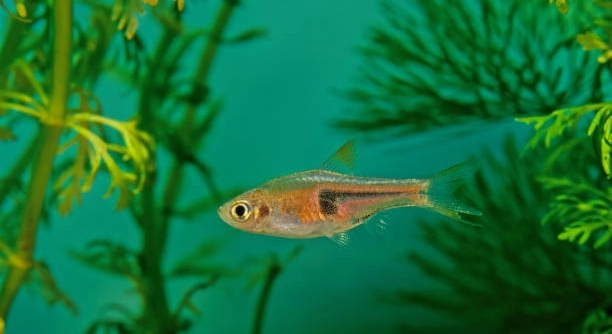
Rasboras are small, peaceful fish often admired for their graceful swimming in groups. Watching them move together can be relaxing, but sometimes they do not school as expected, leaving many aquarium owners puzzled and concerned.
Rasboras may refuse to school due to stress, poor water conditions, illness, or lack of proper tank mates. Inadequate lighting, insufficient hiding spaces, or sudden changes in their environment can also disrupt their natural schooling behavior.
Understanding the reasons behind this behavior can help you create a comfortable and healthy environment, ensuring your rasboras feel safe and more likely to exhibit their natural group swimming patterns.
Water Quality Issues
Rasboras are sensitive to their water environment, and poor water quality can make them stop schooling. High levels of ammonia, nitrites, or nitrates can stress them, affecting their swimming patterns. Sudden changes in temperature or pH levels may also disturb their natural rhythm. I once noticed my rasboras scattering when a new decoration altered the water flow, showing how subtle changes can impact their behavior. Consistent maintenance, such as weekly water changes and careful monitoring of water parameters, helps keep them comfortable. Filtration is important, but it should not create strong currents that tire out the fish. Overfeeding can also contribute to water issues, leading to cloudy water and increased stress. Maintaining a calm, stable environment allows rasboras to feel safe, encouraging them to school naturally. Watching them regain their coordinated swimming after water improvements is satisfying, showing just how much their environment influences behavior.
Ensuring proper water quality is essential for healthy rasboras. Consistent monitoring, regular water changes, and stable parameters support schooling behavior and overall well-being.
Rasboras thrive in clean, stable water, but even small shifts in conditions can cause noticeable changes. Paying attention to their environment is key to keeping them active and social.
Lack of Suitable Tank Mates
Rasboras feel more secure when surrounded by compatible tank mates. Aggressive or overly large fish can intimidate them, causing hesitation in swimming together. Small peaceful species that share similar swimming habits encourage natural schooling, while solitary or boisterous companions disrupt their rhythm. I observed my group start schooling again after introducing calm tetras that moved at a similar pace. Tank size also matters—overcrowding or an empty tank can affect how rasboras interact. Providing plenty of hiding spots and open swimming areas helps them feel safe and confident. Their social behavior is a natural defense mechanism, so creating a balanced community is essential. Ensuring each fish has space to swim and hide minimizes stress and supports schooling. Even subtle adjustments, like rearranging decorations or introducing compatible companions gradually, can restore their group dynamics.
Tank mates significantly influence rasboras’ comfort and schooling patterns. Choosing compatible species helps maintain balance and promotes healthy behavior.
Selecting the right companions is not just about size or species—it’s about creating a peaceful, predictable environment. Introducing new fish should be done gradually, monitoring interactions carefully. A well-planned tank allows rasboras to express natural schooling behavior while reducing stress. Over time, a balanced community improves their overall health, color, and activity levels. By observing their interactions and making thoughtful adjustments, you can support a cohesive group that swims together consistently. Even minor changes, like moving a plant or adding a small hiding spot, can make a noticeable difference in their comfort. Consistency is key; once rasboras feel secure, their schooling behavior becomes more predictable, and they appear happier and more confident in the tank. Maintaining this balance ensures they continue to thrive and display the coordinated swimming patterns that make them so enjoyable to watch.
Stress from Sudden Changes
Rasboras are easily stressed by sudden changes in their environment. New decorations, rapid temperature shifts, or unexpected water changes can make them scatter and stop schooling. Stress affects their confidence and willingness to swim together.
Even minor adjustments in the tank can create noticeable stress for rasboras. I once added a small ornament, and my group immediately separated for hours. They slowly regrouped as they became familiar with the change. Sudden movements outside the tank or tapping on the glass can also trigger fear responses. Maintaining a calm, stable environment helps rasboras feel secure. Gradual changes in water temperature, lighting, or tank layout allow them to adapt without disruption. Ensuring consistency in daily care routines supports their natural behavior.
Stress impacts not only schooling but overall health. Fish under prolonged stress may show faded colors, reduced appetite, or slower swimming. Providing hiding spots and minimizing disturbances lets them regain confidence. Observing their slow return to coordinated movement shows how sensitive they are to their surroundings. Small, careful adjustments in the tank often restore normal behavior, highlighting the importance of patience and attention to detail when keeping rasboras.
Illness or Parasites
Sick or parasite-infested rasboras often isolate themselves and refuse to school. Lethargy, clamped fins, or erratic swimming are common signs that something is wrong. Immediate attention is necessary to prevent further decline.
Illness can spread quickly in a tank, so identifying symptoms early is critical. I noticed one of my rasboras becoming unusually inactive, and after checking water parameters and observing for spots, I treated the group. Maintaining good hygiene, quarantine procedures, and monitoring behavior helps reduce outbreaks. Parasites or bacterial infections affect not only movement but appetite and coloration. Providing a varied diet, clean water, and minimal stress strengthens their immune system. Early intervention often restores schooling and overall health.
Preventing illness requires vigilance and consistent care. Quarantining new fish, avoiding overfeeding, and regularly checking water conditions are practical steps. Even healthy-looking rasboras may harbor parasites, so routine observation is important. Treatments should be appropriate for the species, avoiding harsh chemicals that could worsen stress. Noticing subtle behavioral changes, like hesitation or separation from the group, can indicate early illness. Supporting their health through stable conditions, proper nutrition, and careful monitoring ensures they continue to display natural schooling patterns, keeping the tank balanced and lively.
Overcrowding
Overcrowding in the tank can make rasboras stop schooling. Too many fish create stress, reduce swimming space, and increase competition for resources, causing them to scatter and avoid group behavior.
A crowded environment also leads to poor water quality, which further discourages schooling. I noticed my rasboras became restless when the tank was too full, and their natural coordination disappeared until I reduced the number of fish.
Insufficient Hiding Spots
Rasboras need places to hide to feel safe. A lack of plants, rocks, or decorations makes them vulnerable, so they may avoid swimming together and stay near the bottom or edges of the tank. Providing adequate cover encourages confidence and schooling behavior.
Improper Lighting
Lighting affects rasboras’ comfort and behavior. Too bright or constantly fluctuating light can stress them, causing them to scatter or remain hidden. I adjusted my tank’s lighting schedule gradually, and they returned to their coordinated swimming after feeling more secure and relaxed.
Tank Size
A small tank limits swimming space, which can prevent rasboras from schooling naturally. They need room to move freely in groups, and cramped conditions reduce their activity, making them appear lethargic or separated.
FAQ
Why are my rasboras not schooling even though the water looks fine?
Even if water parameters appear normal, subtle factors like small temperature fluctuations, lack of tank mates, or insufficient hiding spots can stress rasboras. I noticed my fish scattered after adding a new decoration, even though the water was perfect. Consistency in temperature, lighting, and environment is essential for schooling behavior.
Can adding more rasboras help them school?
Yes, rasboras are social fish that feel safer in groups. However, adding too many at once can increase stress. I introduced two at a time into my tank and allowed gradual acclimation. This approach helped the group regain their coordinated swimming without creating tension or overcrowding.
How long does it take for rasboras to start schooling again after stress?
It depends on the cause of stress. Minor changes like rearranging decorations may only take a few hours, while illness or poor water quality could take days. I observed my group slowly reform over two days after correcting water issues and providing hiding spaces. Patience is key.
Do tank decorations really affect schooling?
Yes, decorations influence both swimming space and perceived safety. I once noticed my rasboras avoiding the middle of the tank after adding a large ornament. Adding plants or rocks in a way that allows open swimming areas encourages natural schooling and reduces fear.
Can feeding habits impact schooling?
Absolutely. Overfeeding can dirty the water and cause stress, while underfeeding may leave them weak and less active. I adjusted feeding times and amounts, giving small portions twice a day, which improved both their energy levels and willingness to swim together.
Do rasboras school better at certain times of the day?
Rasboras are more active during daylight hours, especially when light conditions are stable. I noticed mine were sluggish in overly bright or flickering light. Using a consistent day-night cycle helps them feel safe and promotes natural group swimming.
Is it normal for one rasbora to isolate from the group?
Yes, occasional separation can occur, especially if a fish is weak, stressed, or ill. I once had one fish hiding for a day after a minor water change. Monitoring its behavior is important to catch potential health issues early.
Will changing water too often stress my rasboras?
Frequent, large water changes can cause more stress than they prevent. I found smaller weekly changes were enough to maintain quality without disturbing their schooling. Sudden shifts in temperature or chemistry can make them scatter or hide for hours.
Can tank size alone prevent schooling?
Tank size is a major factor. Even healthy rasboras in a very small tank may not form proper schools. I noticed my group became more active and cohesive when moved to a slightly larger tank, giving them space to swim freely as a group.
Do all rasbora species school the same way?
Different species have varying schooling tendencies. Some are naturally tighter swimmers, while others are more relaxed in groups. Observing your species’ behavior is important. My harlequin rasboras school tightly, but my chili rasboras preferred smaller, looser formations. Adjusting tank conditions to match the species helps.
Can stress from outside the tank affect schooling?
Yes, vibrations, loud noises, or frequent tapping on the glass can make rasboras scatter. I kept my tank in a quieter area and noticed my fish remained more cohesive, showing that external disturbances directly influence their behavior.
What is the best way to encourage shy rasboras to school?
Introduce them slowly to a stable, calm environment with enough tank mates and hiding spots. Gradual acclimation, proper lighting, and small, frequent feedings can boost confidence. I observed my shy fish begin swimming with the group after consistent care over a few days.
Can illness permanently stop schooling?
Prolonged illness can reduce energy and disrupt natural behavior. Early treatment is crucial. I treated minor infections promptly, and my rasboras returned to normal schooling within days. Delays in addressing health issues may lead to longer recovery times or weaker group cohesion.
Does water flow in the tank matter for schooling?
Yes, moderate water flow supports schooling, while strong currents can scatter fish. I adjusted my filter output to create gentle movement, which encouraged natural group swimming without tiring them out. Proper circulation keeps water quality high while maintaining comfort for the fish.
Are there any signs that indicate rasboras are ready to school again?
Watch for increased activity, exploration of the tank, and interaction with other fish. I noticed my group began circling together again after hiding less and responding positively to feeding, showing they felt safe and confident enough to resume schooling.
Rasboras are delicate, social fish that thrive in stable, comfortable environments. Their schooling behavior is not just for appearance—it helps them feel secure and reduces stress. Observing them swim together is rewarding, but it also reflects the overall health of the tank. If they stop schooling, it usually points to an issue in their environment, health, or social structure. Many factors can influence their behavior, from water quality and tank size to lighting and tank mates. Each of these elements plays an important role in how confident and active rasboras feel. When one aspect is off, even slightly, it can cause the group to scatter or isolate. Understanding this makes it easier to address the problem quickly and effectively. Regular observation and care are essential for noticing subtle changes before they become serious problems.
Maintaining proper water conditions is one of the most important steps in supporting healthy schooling. Rasboras are sensitive to ammonia, nitrites, nitrates, and temperature fluctuations, so keeping the water clean and stable should be a priority. Weekly water changes, careful monitoring of water parameters, and proper filtration help create a safe environment. Equally important is the tank layout and the number of fish present. Overcrowding or insufficient hiding spots can create stress, while a well-planned tank encourages natural movement and group coordination. Even small changes, like adjusting the placement of plants or decorations, can make a noticeable difference in their comfort level. Ensuring compatible tank mates also reduces stress and promotes social behavior. Each measure contributes to their overall well-being and increases the likelihood of them schooling naturally and confidently.
Health and routine care are equally critical in maintaining proper behavior. Illness or parasites can prevent rasboras from joining the group, so regular observation for unusual behavior, lethargy, or color changes is important. Early treatment and quarantine of new fish can prevent outbreaks and protect the entire group. Feeding practices also matter—overfeeding can degrade water quality, while underfeeding can reduce energy levels, both of which discourage schooling. Providing a balanced diet, consistent feeding schedule, and minimal environmental disturbances helps rasboras regain confidence and return to their natural group swimming patterns. By focusing on stable water conditions, appropriate tank setup, and attentive care, rasboras are more likely to feel secure, active, and willing to school. These steps not only support their behavior but also enhance their overall health, making the tank a more harmonious and enjoyable environment for both the fish and their keeper.

Hello,
If you enjoy the content that we create, please consider saying a "Thank You!" by leaving a tip.
Every little bit helps us continue crafting quality advice that supports the health, happiness, and well-being of pets around the world, for pets of all shapes, sizes, and species.
We really appreciate the kindness and support that you show us!