
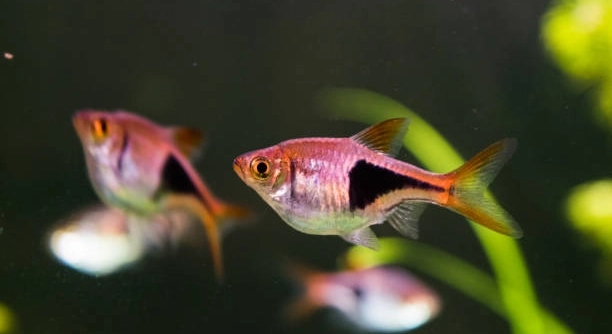
Rasboras are small, lively fish often kept in home aquariums. Many fish owners enjoy their bright colors and peaceful nature, making them a popular choice for community tanks. Proper care is essential for their wellbeing.
Rasboras are sensitive to sudden water changes. Abrupt shifts in temperature, pH, or chemical composition can stress these fish, leading to illness or behavioral changes. Gradual adjustments and regular monitoring help maintain a stable and healthy environment.
Maintaining the right water conditions is more important than it may seem. Even small mistakes can affect their health and behavior over time.
Why Rasboras React Strongly to Water Changes
Rasboras are delicate fish, and their bodies are highly sensitive to shifts in water chemistry. Sudden changes in temperature, pH, or hardness can shock their systems, making them stressed or even sick. When I first started keeping rasboras, I noticed that even minor water adjustments caused them to hide or swim erratically. They prefer a stable environment where changes occur slowly, allowing their bodies to adapt. Using a thermometer and testing kit became routine for me, helping maintain a steady tank environment. Gentle water changes, about 10-20 percent weekly, are usually enough to keep the tank clean without upsetting them. Over time, I realized that monitoring ammonia, nitrite, and nitrate levels was just as important as checking temperature. Small, consistent adjustments keep rasboras healthy and active. Patience is key because they do not tolerate abrupt shifts well, and their health directly reflects the stability of their tank conditions.
Stress from sudden changes can weaken their immune system quickly. Proper monitoring reduces health risks and keeps them active.
I learned that acclimating new water gradually makes a noticeable difference. When adding fresh water, letting it reach the same temperature and slowly mixing it into the tank helps rasboras adjust without shock. Over several minutes, the new water can replace the old, keeping chemical levels balanced. This method reduces erratic behavior, improves appetite, and lowers the chance of disease. Observing their behavior after changes also gives clues about their comfort levels. If they dart around or hide, it’s a sign that something in the water may be off. Maintaining consistency in temperature, pH, and other key factors creates a calm, healthy environment for rasboras. Small, routine care steps prevent bigger problems later, making it easier to keep the tank in good condition. Over time, these measures became second nature, and I noticed my fish were much livelier and more vibrant.
Signs Your Rasboras Are Stressed by Water Changes
Hiding, clamped fins, and reduced activity are common signs of stress in rasboras. They react quickly to any sudden environmental change.
Observing their behavior closely is essential. If they stop swimming normally or refuse food after a water change, it indicates discomfort. Gradual adjustments help them return to normal behavior. I noticed that even slight pH shifts caused visible stress, but consistent care minimized these reactions. Keeping their tank stable, feeding regularly, and monitoring water quality ensures they stay healthy. Small steps like partial water changes and careful testing made a big difference over time. Rasboras thrive in predictable conditions, and learning their signals helps prevent serious health problems before they develop. Consistent care creates a balanced environment where they swim actively, show natural colors, and interact peacefully with other tank mates. Paying attention to minor changes early allows me to make corrections quickly, keeping stress levels low. Observing patterns and documenting results helped me understand the optimal conditions for my fish. This knowledge makes tank maintenance simpler and more effective. Over time, they became much less reactive, and their overall health improved noticeably.
Best Practices for Water Changes
Using small, consistent water changes reduces stress for rasboras. I usually replace about 10-20 percent weekly, keeping water temperature and chemistry stable.
I learned that rushing water changes can upset my fish quickly. Gradually adding new water while mixing it gently with tank water helps prevent shock. Testing for pH, ammonia, nitrites, and nitrates before and after changes ensures the water is safe. I also make sure the new water is dechlorinated and matches the tank temperature closely. Over time, these small, careful adjustments created a calm environment. Rasboras began swimming more confidently and showing brighter colors, which made daily maintenance feel rewarding.
Monitoring the tank regularly is just as important as changing water. I check filters, remove debris, and observe fish behavior after each change. This routine helps spot issues early, like sudden pH swings or cloudy water. Even small fluctuations can affect sensitive rasboras, so staying consistent prevents problems before they start. I also track water parameters in a notebook to notice trends over time. This habit helped me understand the precise timing and amount for water changes that work best for my fish. The results were obvious: less stress, more activity, and healthier growth.
Tools and Techniques That Help
Using proper equipment ensures water changes are smooth and stress-free. A siphon, thermometer, and testing kit became essential tools for my tank.
Consistency is key. I measure water parameters carefully and use a siphon to remove debris without disturbing the substrate. Mixing new water in a bucket and adjusting temperature before adding it to the tank prevents shock. Testing pH, ammonia, nitrites, and nitrates helps me catch issues early. I also maintain the filter and clean it gently to avoid harmful chemical spikes. Over time, these techniques became part of my routine, and I noticed my rasboras remained calmer and more active after each water change. Small, careful steps make a big difference in keeping delicate fish healthy and stress-free.
Timing and Frequency of Water Changes
I found that changing water at the same time each week helps rasboras stay calm. They seem to adjust better when the routine is predictable.
Smaller, more frequent water changes work best. Large, sudden changes always stressed my fish, causing them to hide or swim erratically.
Adjusting Water Temperature Gradually
Matching new water temperature to the tank before adding it is essential. I always use a thermometer to ensure there is no sudden spike or drop. Gradually pouring water in over several minutes allows rasboras to acclimate safely, reducing stress. This simple step made a noticeable difference in their behavior. I also observed that extreme fluctuations caused lethargy and loss of appetite. By controlling the temperature carefully, I created a more stable environment that promoted activity and natural color. Consistent practice of this technique helped my fish thrive over time, avoiding unnecessary stress or illness.
Observing Behavior After Changes
Watching rasboras closely after water adjustments gives clear feedback. I look for swimming patterns, appetite, and social behavior.
FAQ
How often should I change water for rasboras?
I stick to small water changes every week, usually 10-20 percent of the tank volume. This keeps water clean without shocking the fish. Large or sudden changes always made my rasboras hide or act stressed, so keeping it gradual works best.
Can rasboras tolerate tap water?
Not directly. Tap water often contains chlorine or other chemicals harmful to fish. I always treat it with a dechlorinator before adding it to the tank. Testing pH and temperature before adding new water also helps prevent stress. Over time, my rasboras adjusted better with these steps.
What signs show rasboras are stressed by water changes?
Clamped fins, hiding, darting, or refusing food are clear indicators. I noticed that even slight shifts in temperature or pH caused these behaviors. Observing them closely after each change helped me correct issues before they got worse.
Is it necessary to match the temperature exactly?
Yes, closely matching water temperature is important. Even a few degrees difference can stress sensitive rasboras. I always use a thermometer to test new water and let it sit or adjust before adding it to the tank. Gradual mixing also helps.
Can too frequent water changes harm them?
Yes. Changing too much water too often can remove beneficial bacteria and upset chemical balance. I learned that moderate, consistent changes are better. Rasboras stay calmer and maintain a healthier immune system with small, predictable adjustments.
What is the best way to acclimate new water?
I pour new water slowly into a bucket with tank water first, letting the fish gradually adjust. This prevents shock from sudden chemical or temperature differences. Over the years, this method kept my rasboras active and healthy after every change.
Do rasboras react differently in planted tanks?
Planted tanks are more forgiving because plants help stabilize water chemistry. I noticed my fish seemed less stressed there. Still, I follow the same gradual water change routine to prevent sudden shifts that could disturb them.
Are young rasboras more sensitive than adults?
Yes, juveniles are usually more delicate. I give them extra care by making smaller water changes and monitoring parameters closely. Adult rasboras are more tolerant, but I still maintain consistency for long-term health.
Should I test water parameters every time?
Regular testing is helpful. I track ammonia, nitrites, nitrates, and pH weekly. Any unusual spike signals the need for intervention. Keeping records over time also helped me predict how my fish respond to changes, reducing stress overall.
Can water changes prevent disease?
Proper water changes reduce toxins and stress, which indirectly lowers disease risk. I noticed fewer illnesses after adopting a steady, gradual water change routine. Clean, stable water made my rasboras more active, improved color, and increased their overall resilience.
What tools make water changes easier?
A siphon, bucket, thermometer, and testing kit are essential. I use the siphon to remove debris without disturbing the tank. Testing kits help monitor chemical levels, and a thermometer ensures temperature consistency. Small, careful steps make the process much smoother and safer for the fish.
Is it okay to add water too quickly?
No, rapid addition can shock rasboras. I pour slowly and mix new water gradually. Even minor shocks caused my fish to hide or swim erratically in the past, so taking time prevents stress and health problems.
Do rasboras need special water conditions?
They prefer slightly acidic to neutral pH and soft to moderately hard water. I monitor these conditions carefully. Keeping them consistent helped my fish thrive, swim actively, and display brighter colors over time.
Can I use old water from previous changes?
Yes, partially reusing water is fine if it’s clean. I sometimes mix old water with new treated water to maintain stability. This approach helps prevent sudden chemical changes, which can stress sensitive rasboras.
How can I make water changes less stressful?
Gradual changes, monitoring temperature, testing water, and observing fish behavior all help. I follow this routine consistently, and my rasboras remain calm, active, and healthy. Small, careful steps made a noticeable difference in their wellbeing.
Do seasonal changes affect water sensitivity?
Yes, fluctuations in room temperature or heating can impact tank water. I adjust the water slowly during seasonal changes to avoid sudden shifts. Rasboras seemed calmer and more active when temperature changes were managed carefully.
How long does it take for rasboras to adjust?
Adjustment time varies, usually 10-20 minutes for gradual changes. I watch behavior closely during this period. If they swim normally and eat, it’s a sign they have adapted successfully.
Are stress signs immediate?
Often yes. I noticed hiding, darting, or clamped fins immediately after sudden changes. Quick observation allows me to take corrective steps before problems escalate. Consistency and patience reduce these reactions over time.
Can filter cleaning affect water sensitivity?
Yes, cleaning filters too aggressively can remove beneficial bacteria and disturb water chemistry. I rinse filters gently and replace media gradually. This helped maintain stable conditions and reduced stress for my rasboras.
Do rasboras need more attention during breeding?
Absolutely. I make extra effort to keep water stable, as stress can affect breeding behavior. Gradual water changes, careful temperature control, and observation were key to keeping my breeding pairs healthy.
How important is routine in water care?
Routine is vital. I perform changes at the same time each week, monitor parameters consistently, and follow careful techniques. Predictability helps rasboras stay calm, healthy, and active, reducing stress and improving overall wellbeing.
Rasboras are delicate fish that require a stable and consistent environment to thrive. Over time, I realized that even small changes in water temperature, pH, or chemical composition could affect their health and behavior. Sudden water changes often caused them to hide, swim erratically, or lose appetite. By adjusting the water slowly and carefully, I noticed that they became more active and displayed their natural colors more vividly. Maintaining a predictable routine, such as weekly small water changes and monitoring water parameters, proved to be essential. These small actions made a big difference in keeping them calm and healthy, showing that attention to detail in water care directly affects their wellbeing.
Consistency is key when it comes to caring for rasboras. I began tracking water conditions, observing behavior, and adjusting changes gradually. Using tools like a thermometer, testing kit, and siphon helped me maintain proper water conditions without causing stress. Over time, I learned that even minor oversights, like adding water that was slightly too cold or not dechlorinated, could create problems. By paying attention to these details and performing gradual, controlled water changes, I managed to create an environment where the fish felt safe. They responded positively, swimming confidently and interacting normally with other tank mates. This reinforced the importance of predictable, careful care in preventing stress and promoting long-term health.
Observing rasboras closely after water changes is equally important. Signs like hiding, clamped fins, or reduced activity indicate discomfort or stress. Over time, I developed a routine of watching them during and after changes, adjusting practices if any negative behaviors appeared. Gradual acclimation of new water, attention to temperature and chemistry, and routine monitoring created a stable environment that supported their natural behaviors. Maintaining consistency, patience, and careful attention to water quality ensures that rasboras remain healthy and active. Following these practices consistently turned daily maintenance into a manageable routine, resulting in happier, healthier fish that thrive in a stable tank environment.

Hello,
If you enjoy the content that we create, please consider saying a "Thank You!" by leaving a tip.
Every little bit helps us continue crafting quality advice that supports the health, happiness, and well-being of pets around the world, for pets of all shapes, sizes, and species.
We really appreciate the kindness and support that you show us!