
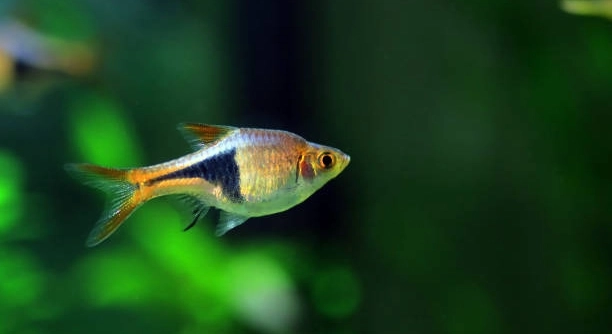
Keeping a small school of rasboras in a tank can be rewarding, but it takes attention to their behavior to ensure they are comfortable and secure in their environment. Observing their habits helps maintain a healthy aquarium.
A rasbora displays security through steady swimming patterns, close group interactions, and calm responses to environmental changes. Consistent feeding behavior, exploring familiar spaces, and showing minimal stress indicators also signal that the fish feels safe and well-adapted.
Recognizing these signs early allows you to create a supportive tank environment and foster a happier, healthier aquatic community.
Steady and Calm Swimming
When your rasbora feels secure, it swims with a steady rhythm and rarely darts around nervously. They glide through the water in a calm manner, moving with other members of their school in a synchronized pattern. Sudden bursts of speed or frantic movements usually indicate stress or discomfort. In a safe and comfortable tank, you will notice them exploring mid-level waters without hesitation. They often weave through plants or decorations confidently, showing they are familiar with their surroundings. A secure rasbora doesn’t cling to the bottom or hide constantly. They balance curiosity and caution well, maintaining a visible presence in the tank. Observing this behavior over time allows you to gauge their comfort level. Environmental stability, proper tank size, and consistent water parameters all contribute to this relaxed swimming style. It is also important to note that a secure fish will interact with light and moderate activity near the tank surface without signs of panic.
Steady swimming patterns indicate that your rasbora is comfortable in its environment and feels safe among its tank mates.
Calm swimming is a visible measure of security in rasboras. It reflects their adaptation to the tank’s conditions, social comfort with other fish, and general well-being. Watching this behavior helps you monitor their mental and physical state effectively.
Group Interaction and Social Behavior
Rasboras are schooling fish that rely on each other for comfort, and secure fish maintain close interactions with their peers.
Fish that feel safe form tight groups, swim in unison, and respond calmly when one moves or explores. Social behavior includes following one another, gently nudging while feeding, and maintaining group cohesion even when the tank experiences mild disturbances. A confident rasbora participates actively without isolating itself or hiding, showing that it trusts its environment and companions. These interactions also reduce stress and encourage natural behaviors such as grazing and exploring. Over time, the cohesion within the group strengthens, and you can observe individual personalities while still maintaining harmony. Insecure fish often separate, hide, or show sudden aggression, which is less common among secure rasboras. Regular monitoring of social patterns can reveal changes in comfort levels, helping to adjust tank conditions if needed. Creating a tank with adequate hiding spots, gentle lighting, and stable water parameters further promotes healthy social behavior and reduces anxiety in the fish. Secure fish demonstrate the balance between independence and group reliance.
Consistent Feeding Behavior
A secure rasbora eats regularly and shows interest during feeding times. They swim confidently toward food and return to normal activity after eating, without hesitation or signs of stress.
Regular feeding behavior indicates a healthy appetite and a sense of safety in the tank. Fish that feel secure rarely hide during feeding or compete aggressively, allowing for a balanced and calm environment. They recognize feeding routines and respond promptly, which helps maintain overall health. Observing their behavior over several meals can show long-term comfort and adaptation. Insecure fish may refuse food or dart away, signaling stress or environmental issues. By noting consistent feeding patterns, you can confirm that your rasbora is settled and thriving in its habitat.
Monitoring feeding behavior is an effective way to track your fish’s comfort and overall health. Calm, consistent eating reflects security, while irregular patterns can signal stress or discomfort.
Exploration of the Tank
Secure rasboras move confidently through plants, decorations, and open spaces. They investigate corners and swim at various levels without signs of fear or hesitation.
Exploration demonstrates comfort and trust in their surroundings. A rasbora that feels secure will navigate both open water and sheltered areas freely. They may linger near decorations or investigate new additions without panic, showing adaptability. This behavior is a strong indicator that the tank environment meets their needs for space, hiding spots, and water conditions. Fish that avoid areas or cling to hiding spots often feel unsafe. Encouraging natural exploration through proper tank setup, gentle lighting, and minimal sudden disturbances supports healthy behavior. Observing where and how your rasbora moves provides insight into their mental and physical well-being, revealing whether they feel confident and secure.
Minimal Stress Indicators
Secure rasboras show very few signs of stress. They swim smoothly, maintain bright colors, and avoid frantic movements or hiding excessively.
Signs like clamped fins, rapid gill movement, or erratic swimming are rare in a secure fish. Calm behavior reflects comfort and trust in their environment.
Comfort Around Tank Changes
A rasbora that feels secure adapts quickly to minor changes in lighting, decorations, or tank activity. They remain calm and continue normal routines without signs of anxiety. Familiarity with their surroundings allows them to respond confidently to adjustments, showing that the environment meets their needs for safety and stability.
Regular Interaction With Owners
Fish that feel safe often respond to your presence at the tank. They may swim closer or acknowledge movement, showing recognition without fear.
FAQ
How can I tell if my rasbora is happy in the tank?
A happy rasbora swims steadily, explores the tank confidently, and interacts with its schoolmates. It maintains normal feeding habits, shows bright coloration, and responds calmly to minor environmental changes. Observing these behaviors over time gives a clear indication of its comfort and security.
Why does my rasbora hide a lot?
Hiding often is a sign of stress or discomfort. It could be caused by poor water quality, overcrowding, sudden changes, or aggressive tankmates. Ensuring proper tank conditions, adequate hiding spots, and stable water parameters helps reduce hiding behavior and encourages confident swimming.
What does schooling behavior indicate?
Schooling is a natural behavior for rasboras. When they stay close together, move in unison, and interact calmly, it indicates security and social comfort. Insecure or stressed fish may isolate themselves or show erratic movements, which is a signal to check the environment.
How important is water quality for my rasbora’s security?
Water quality is critical. Stable temperature, pH, and clean water reduce stress and encourage natural behavior. Regular testing and maintenance prevent sudden changes that could make fish feel unsafe. Secure rasboras remain active and healthy when water conditions are consistent and suitable for their species.
Can feeding patterns show if my rasbora is secure?
Yes, feeding behavior is a strong indicator. Fish that feel safe approach food confidently, eat consistently, and return to normal activity afterward. Skipping meals or hesitating may signal stress, environmental issues, or illness. Monitoring feeding patterns helps you identify changes in comfort or health.
Do rasboras react to my presence in the room?
Secure rasboras often notice movement outside the tank and may swim closer or follow motion. They do this calmly, without panic. Fish that hide or dart away when approached might be feeling insecure. Gentle and consistent interaction can help them become more comfortable over time.
How do decorations and plants affect their sense of security?
Providing hiding spots, plants, and safe zones encourages exploration and reduces stress. A well-decorated tank allows rasboras to navigate confidently, giving them both shelter and open spaces. Insecure fish often cling to one spot, while secure fish explore different areas freely.
Is it normal for rasboras to change behavior occasionally?
Yes, temporary changes can happen due to feeding schedules, minor water fluctuations, or new tankmates. However, prolonged erratic behavior, hiding, or color fading may indicate stress or illness. Regular observation ensures that temporary changes are not signs of ongoing insecurity.
Can tank size impact their security?
Tank size matters significantly. Overcrowded or small tanks limit movement and increase stress. Providing enough space for schooling, exploring, and swimming freely helps rasboras feel safe and reduces aggression or anxiety. Adequate space supports both physical and mental well-being.
How do I encourage my rasboras to feel secure?
Maintain stable water parameters, provide hiding spots, feed consistently, and allow room for schooling. Avoid sudden changes or aggressive tankmates. Regular observation, gentle interactions, and a well-structured tank environment help rasboras adapt and feel secure in their home.
What are the first signs that my rasbora feels unsafe?
Rapid swimming, hiding excessively, clamped fins, or loss of appetite are early signs. Color fading and isolation from the group also indicate discomfort. Identifying these behaviors early allows you to correct environmental issues before they affect long-term health and security.
How long does it take for a rasbora to feel secure in a new tank?
It varies by individual and tank conditions. Generally, rasboras take a few days to a couple of weeks to adjust, depending on water stability, tank mates, and hiding options. Observing their swimming, feeding, and social interactions helps determine when they are fully comfortable.
Can stress affect their appearance?
Yes, stressed fish may lose color, develop clamped fins, or show uneven scales. Secure rasboras display vibrant colors, smooth fin movement, and alert behavior. Maintaining proper care, feeding, and environment supports their natural appearance and overall well-being.
Are all rasboras equally social?
Individual temperament varies, but most rasboras are social and thrive in groups. Some may be slightly shy, but secure conditions encourage participation in schooling and exploration. Observing group dynamics helps identify which fish are comfortable and which may need additional support.
Do sudden noises or movement affect them?
Loud noises, tapping on the tank, or sudden movement can startle rasboras. Secure fish recover quickly and resume normal activity, while stressed fish may hide or dart. Minimizing disturbances helps maintain their comfort and encourages calm behavior.
How often should I check on their behavior?
Daily observation is ideal. Watching swimming patterns, feeding habits, color, and group interactions helps detect early signs of stress or insecurity. Consistent monitoring ensures that your rasboras remain healthy, comfortable, and secure in their environment.
Can tank lighting affect their security?
Yes, harsh or sudden lighting can stress rasboras. Soft, consistent lighting promotes natural behavior, exploration, and group cohesion. Secure fish navigate confidently under stable lighting conditions, while insecure fish may hide or avoid certain areas. Gradual light changes reduce stress and support comfort.
What role do tankmates play in their security?
Compatible tankmates support schooling behavior and reduce stress. Aggressive or overly active fish can cause insecurity. Choosing peaceful companions and observing group dynamics ensures rasboras feel safe and maintain natural social behavior.
How does temperature stability influence them?
Stable water temperature prevents stress and supports normal activity. Sudden shifts may cause hiding, erratic swimming, or loss of appetite. Secure rasboras remain active and confident when their tank maintains appropriate and consistent temperature levels.
Can illness affect their sense of security?
Yes, sick fish may isolate, hide, or eat less. Health issues directly impact confidence and behavior. Prompt diagnosis, proper care, and maintaining clean, stable tank conditions help secure fish recover and regain normal social and exploratory behavior.
Are there signs that indicate long-term comfort?
Long-term comfort shows through steady swimming, regular feeding, schooling, exploration, bright colors, and calm responses to environmental changes. Secure rasboras demonstrate consistency in behavior, interact with their group, and show minimal stress indicators over time. Regular observation confirms ongoing well-being and confidence in their habitat.
This FAQ covers essential behaviors, environmental factors, and care strategies that ensure your rasboras remain secure, healthy, and active in their tank.
Final Thoughts
Observing your rasboras carefully is the best way to understand their comfort and security. Each fish has its own personality, and subtle behaviors can reveal a lot about how they feel in their tank. Secure rasboras swim calmly, explore their environment, and interact with their group without hesitation. They respond to feeding routines consistently, move through open spaces and plants confidently, and react to minor changes without panic. These behaviors show that the fish trusts its surroundings and feels safe in its home. Maintaining this sense of security requires attention to their needs and a stable environment.
Creating a supportive tank setup is essential for helping rasboras feel secure. Adequate space, proper water conditions, and a well-balanced environment all contribute to their comfort. Hiding spots and plants offer safety, while open areas allow exploration and swimming in groups. Consistent feeding schedules, gentle lighting, and compatible tankmates also help reduce stress. Small adjustments, such as adding plants or rearranging decorations, can improve their sense of security. Monitoring their behavior daily allows you to notice changes quickly, whether it’s hiding, erratic swimming, or loss of appetite. Early intervention ensures that your fish remain healthy and confident.
The long-term well-being of your rasboras depends on both their environment and your care routine. By paying attention to swimming patterns, feeding habits, group interactions, and responses to changes, you can ensure they are thriving. Secure fish tend to display natural, relaxed behaviors consistently, while stressed or insecure fish show signs that need attention. Understanding these cues makes it easier to create a peaceful tank that meets their needs. Observing them closely and making gradual improvements builds trust and encourages natural behaviors. Over time, your rasboras will settle into a routine where they feel safe, explore confidently, and maintain overall health and happiness. A secure tank not only benefits the fish but also makes watching them a rewarding and calming experience for you.

Hello,
If you enjoy the content that we create, please consider saying a "Thank You!" by leaving a tip.
Every little bit helps us continue crafting quality advice that supports the health, happiness, and well-being of pets around the world, for pets of all shapes, sizes, and species.
We really appreciate the kindness and support that you show us!