
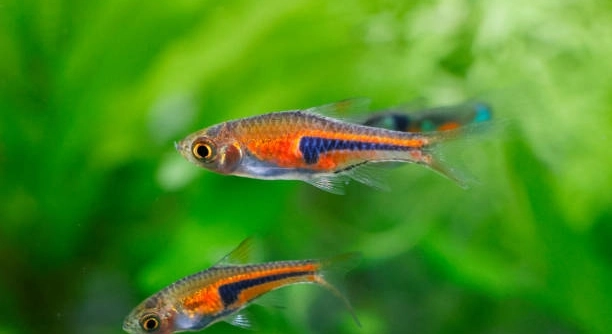
Is your rasbora suddenly flicking its body more than usual? This behavior can be surprising for fish owners, especially when your tank seems calm and everything else appears normal. Observing these movements carefully is important.
Rasbora body flicking is often caused by irritation or stress, which can result from poor water quality, sudden temperature changes, parasites, or incompatible tank mates. Identifying the underlying cause is essential to prevent further health complications.
Learning what triggers this flicking will help you take proper action. Small adjustments in the tank environment can make a noticeable difference in your rasbora’s behavior.
Common Causes of Rasbora Flicking
Rasboras flick their bodies for several reasons, and water quality is often the first thing to check. High ammonia or nitrate levels irritate their skin and gills, causing sudden movements. Temperature changes can also trigger flicking, as rasboras prefer stable, slightly warm water. Even small drops or spikes can make them restless. Parasites and external infections are another frequent reason. Ich, flukes, and other tiny organisms attach to the fish, making them scratch against surfaces and flick their bodies. Tank setup and decorations can influence behavior too. Sharp objects, rough surfaces, or overcrowding increase stress and lead to erratic swimming. Additionally, rasboras are social fish that feel unsafe if kept alone or with aggressive tank mates. Ensuring they have companions of similar temperament can reduce stress-related flicking. Monitoring their environment daily helps catch issues before they worsen, keeping your fish calm and healthy in a well-maintained tank.
Stress and irritation from poor tank conditions are usually behind flicking.
Paying close attention to water quality, tank mates, and parasite control can prevent most flicking behaviors. Regular testing and careful observation are key.
How to Address the Problem
Start by testing your water for ammonia, nitrite, nitrate, and pH levels. Balanced parameters are essential for rasboras to feel secure. If levels are off, perform partial water changes and adjust filtration as needed. Observing your fish closely will help spot signs of parasites or infections early. Medications for common parasites can be effective, but follow instructions carefully to avoid harming other tank inhabitants. Temperature stability is equally important. Keep a reliable heater and thermometer to prevent sudden drops or spikes. Rearrange sharp decorations and provide hiding spots like plants or caves. Ensuring peaceful companions reduces social stress. Feed a balanced diet and avoid overfeeding, which can pollute water and stress fish. By systematically addressing each factor, you can reduce flicking, improve overall health, and create a calm environment where rasboras swim naturally.
Regular water checks and minor adjustments often resolve flicking.
Consistent maintenance and attentive observation help keep rasboras comfortable and prevent recurring problems. Small, steady improvements make a big difference in their daily behavior.
Monitoring Behavior and Tank Conditions
Watching your rasbora daily helps catch changes early. Note how often it flicks and under what circumstances. Observing interactions with other fish can reveal stress triggers or bullying behavior.
Recording water parameters, feeding times, and tank activity helps identify patterns. Frequent flicking may indicate recurring water issues or parasites. Track temperature fluctuations and chemical levels carefully. Even small changes in lighting or new decorations can influence behavior. Keeping a simple log allows you to act quickly before problems escalate. This proactive approach ensures rasboras remain healthy and reduces sudden stress responses. Consistent observation builds a clearer understanding of your fish’s needs over time.
Adjusting the tank based on these observations can prevent unnecessary stress. Rearranging decorations, adding hiding spots, or switching companions often improves calm behavior. Observing their response after each change confirms what works best.
Feeding Habits and Flicking
Overfeeding or poor-quality food can affect rasbora behavior. Excess waste pollutes water, irritating their skin and gills, leading to flicking. Feeding smaller, frequent meals helps maintain water quality.
High-quality flakes or pellets, supplemented with occasional live or frozen foods, ensure proper nutrition. Avoid sudden changes in diet, as rasboras are sensitive to new food types. Monitor how they eat—fussy or aggressive feeding can indicate stress or competition in the tank. Adjusting the feeding schedule and portion sizes directly reduces flicking caused by digestive discomfort or water contamination. Providing variety keeps them healthy and engaged, promoting calmer swimming patterns.
Maintaining a clean tank and stable feeding routine supports rasbora well-being. Proper nutrition combined with water care helps prevent flicking, keeping your fish active and stress-free.
Tank Mates and Social Stress
Choosing the right tank mates is important. Aggressive or much larger fish can stress rasboras, causing frequent flicking. Peaceful, similarly sized companions help maintain calm behavior.
Even a single rasbora may feel uneasy without a small school. Keeping at least six together reduces stress and supports natural swimming patterns, lowering flicking incidents.
Water Temperature and Stability
Rasboras prefer a stable temperature, typically between 74°F and 79°F. Sudden fluctuations can shock them, leading to flicking and restless swimming. A reliable heater and thermometer are essential. Consistency helps the fish stay comfortable, reducing stress-related movements. Adjust gradually when necessary to avoid sudden changes that irritate them.
Parasite Prevention
Regular observation can prevent parasites from taking hold. Quarantine new fish and plants to reduce risks. Cleaning the tank and monitoring for early signs of infection keeps rasboras healthier and less prone to flicking.
FAQ
Why is my rasbora flicking its body constantly?
Constant flicking is usually a sign of stress or irritation. Poor water quality, temperature fluctuations, parasites, or aggressive tank mates can all trigger this behavior. Monitoring water parameters and fish interactions helps identify the cause quickly. Adjustments to diet, environment, or companions often reduce constant flicking.
Can flicking indicate illness?
Yes, sudden or frequent flicking can signal illness. External parasites like ich or flukes attach to the skin, causing discomfort. Fungal or bacterial infections may also lead to unusual swimming patterns. Early detection through careful observation allows for timely treatment and prevents serious health issues.
How can I improve water quality to stop flicking?
Perform regular partial water changes and test ammonia, nitrite, nitrate, and pH levels. Clean the filter regularly, avoid overfeeding, and remove uneaten food. Stable, clean water reduces irritation and stress, helping rasboras swim calmly and minimizing flicking behaviors.
Do tank mates affect flicking behavior?
Yes, aggressive or much larger fish can intimidate rasboras, causing frequent flicking. Peaceful, similarly sized companions are ideal. Rasboras are social fish and feel safer in small groups of at least six, which reduces stress-related flicking and supports natural swimming patterns.
How does temperature impact flicking?
Rasboras are sensitive to sudden changes in temperature. Even small fluctuations can cause stress and erratic movements. Maintaining a stable temperature between 74°F and 79°F with a reliable heater and thermometer keeps them comfortable and reduces flicking. Gradual adjustments are essential if changes are needed.
Can diet influence flicking?
Yes, overfeeding or poor-quality food can affect behavior. Uneaten food pollutes water, irritating the skin and gills. Feed small, frequent meals with high-quality flakes, pellets, or occasional live and frozen foods. Balanced nutrition supports health and reduces flicking caused by digestive discomfort or water contamination.
Are decorations and tank setup important?
Absolutely. Sharp objects or rough surfaces can injure rasboras, leading to flicking. Providing plants, caves, or smooth hiding spots gives them security. Rearranging decorations to minimize stress zones improves comfort. Observing how rasboras interact with the tank environment helps create a calm space.
How do I detect parasites early?
Look for white spots, scratching against surfaces, clamped fins, or unusual swimming patterns. Quarantining new fish and plants reduces infection risks. Regular observation, along with clean water and proper tank care, keeps rasboras healthier and less prone to flicking.
Can flicking be normal behavior?
Occasional flicking is normal, especially when exploring or interacting with tank mates. Persistent or intense flicking, however, indicates stress, irritation, or illness. Monitoring behavior patterns helps distinguish normal movements from concerning signs that require intervention.
How often should I observe my rasboras?
Daily observation is best. Watching interactions, swimming patterns, and feeding behavior allows early detection of stress or illness. Keeping a simple log of water parameters and behavior patterns helps identify triggers for flicking and ensures a stable, healthy environment.
Is quarantine necessary for new fish?
Yes, quarantining new additions for at least two weeks prevents introducing parasites or diseases to your main tank. It gives you time to monitor behavior and treat any infections before they affect established rasboras, reducing flicking caused by illness or stress.
Can flicking be caused by overcrowding?
Overcrowding increases stress and competition for food and space. Rasboras swim more erratically in crowded tanks, often flicking as a response. Maintaining appropriate stocking levels and providing hiding spots reduces stress and encourages natural, calm swimming behavior.
What role does lighting play in flicking?
Sudden changes or overly bright lighting can startle rasboras, causing flicking. Gradual light adjustments and areas of shade or plants help fish feel secure. Consistent lighting schedules support a stable environment and reduce stress-related movements.
How long does it take for flicking to stop after adjustments?
It depends on the cause. Water improvements or stress reduction may show results in a few days, while parasite treatment could take a week or longer. Observing behavior daily confirms whether adjustments are effective and ensures rasboras return to normal swimming patterns.
Can flicking damage my rasbora?
Repeated flicking itself is unlikely to cause harm, but the underlying stress, parasites, or poor water quality can lead to serious health problems. Addressing the root causes promptly protects their health and reduces the need for repeated corrective measures.
Is flicking more common in certain rasbora species?
Some species may be slightly more sensitive to environmental changes, but flicking is generally a stress response seen across most rasboras. Providing stable water, proper tank mates, and a secure environment reduces flicking regardless of species.
How do I know if flicking is due to stress or illness?
Stress-related flicking often occurs after changes in tank conditions or interactions with tank mates. Illness-related flicking usually comes with visible signs such as spots, clamped fins, or sluggish behavior. Careful observation of patterns helps distinguish between the two and guides proper action.
Can flicking be prevented entirely?
While occasional flicking is natural, most frequent flicking can be prevented. Stable water conditions, proper diet, peaceful tank mates, adequate space, and attentive observation minimize stress and irritation. Proactive care ensures rasboras remain comfortable, healthy, and display natural, calm swimming behaviors.
Rasboras are small, delicate fish that respond quickly to changes in their environment. Flicking behavior is often their way of signaling discomfort, stress, or irritation. Paying attention to these movements is important because it can indicate underlying issues that need attention. Water quality is one of the most significant factors affecting their behavior. High ammonia or nitrate levels, sudden pH changes, or inconsistent temperature can irritate their skin and gills, leading to repeated flicking. Regular water testing and partial water changes help keep the tank stable. Observing the tank daily allows you to notice subtle shifts in behavior, giving you the chance to correct problems before they escalate. Even small adjustments, like adding a heater or checking the filter, can make a noticeable difference in your rasboras’ comfort and health.
Tank setup and companions also play a big role in preventing flicking. Rasboras are social fish that feel safest in small groups. Keeping at least six together reduces stress and encourages natural swimming behavior. Aggressive or much larger fish can intimidate them, triggering erratic movements. Decorations and hiding spots are equally important. Smooth surfaces, plants, and caves provide places for rasboras to retreat and feel secure. Sharp or rough objects should be avoided because they can cause injury, which leads to more flicking. Even subtle changes in lighting, overcrowding, or feeding routines can create stress. Providing consistent conditions, a balanced diet, and peaceful companions helps rasboras remain calm and reduces unnecessary flicking, allowing them to display normal, healthy behavior.
Parasites and illness are also common triggers for flicking. External parasites such as ich attach to their skin, causing discomfort that leads to scratching and flicking. Bacterial or fungal infections may also result in similar movements. Early detection is essential, so careful observation is key. Signs like white spots, clamped fins, or sluggish swimming indicate that treatment may be needed. Quarantining new fish or plants before adding them to the main tank can prevent infections. Maintaining a clean, stable environment and addressing any signs of illness promptly ensures rasboras stay healthy. By focusing on water quality, tank conditions, companions, and health monitoring, flicking behavior can be minimized. Consistent care, attention, and small improvements over time make a big difference in keeping rasboras comfortable, reducing stress, and supporting their long-term well-being in the aquarium.

Hello,
If you enjoy the content that we create, please consider saying a "Thank You!" by leaving a tip.
Every little bit helps us continue crafting quality advice that supports the health, happiness, and well-being of pets around the world, for pets of all shapes, sizes, and species.
We really appreciate the kindness and support that you show us!