
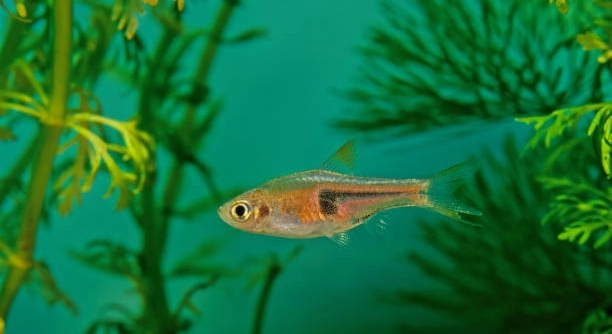
Rasboras are small, colorful fish that bring life to any freshwater tank. They are gentle, social, and thrive when their environment is stable and comfortable, making proper care essential for their health and happiness.
The ideal temperature for most rasbora species ranges between 72°F and 79°F (22°C to 26°C). Maintaining a consistent temperature within this range supports their metabolism, encourages healthy activity, and reduces stress that can lead to disease or premature death.
Keeping your tank stable and well-monitored will help rasboras flourish naturally and enjoy a long, healthy life in your aquarium.
Understanding Rasbora Temperature Needs
Rasboras are sensitive to changes in water temperature, and even small fluctuations can stress them. They are tropical fish, so their bodies function best within a narrow range. Keeping the tank too cold slows their metabolism, making them less active and more prone to illness. Too warm, and they become restless, their immune system weakens, and their lifespan can shorten. I learned this the hard way when my first tank experienced sudden drops in temperature, and I noticed the fish hiding more often and eating less. Consistent monitoring is key. Using a reliable heater and thermometer ensures the water stays stable. Grouping rasboras together also helps, as they feel safer in schools and their activity levels stay balanced. Maintaining proper temperature along with clean water, a balanced diet, and occasional plant cover creates an environment where they thrive, swim actively, and show their best colors naturally.
Maintaining temperature stability is not difficult, but small daily checks make a big difference in keeping rasboras healthy.
Even slight variations in water temperature can influence breeding, feeding, and social behavior. When rasboras feel comfortable, they interact more, explore the tank, and are more visible. Sudden spikes or drops can trigger hiding, lethargy, or aggression among tank mates. Observing behavior alongside temperature helps identify potential problems early.
Tools and Techniques for Temperature Control
A reliable heater and thermometer are essential for a stable tank environment.
Choosing the right equipment helps maintain a consistent temperature, which is vital for rasboras. Tank heaters with adjustable settings allow precise control, while digital thermometers provide accurate readings. Placing the heater near water flow ensures even distribution of heat. For larger tanks, multiple smaller heaters work better than one big heater to prevent hot spots. It’s important to avoid placing heaters too close to decorations or plants where water flow is minimal. Automatic temperature controllers can add extra security, shutting off the heater if the water becomes too warm. Seasonal changes can still affect water temperature, so occasional monitoring is necessary. Regularly checking the thermometer, cleaning the heater, and replacing faulty equipment prevent sudden temperature drops or spikes. Maintaining stable temperature along with proper filtration and water changes creates an ideal environment for rasboras to grow, reproduce, and display natural behaviors, enhancing both their health and the aesthetic appeal of the tank.
Common Temperature Mistakes
Rasboras are delicate, and sudden temperature changes are a frequent mistake. Skipping gradual adjustments when adding new water or replacing tanks can stress them. Ignoring thermometer readings also leads to unnoticed fluctuations that affect their health and behavior.
Many fish owners unintentionally stress rasboras by changing water too quickly. Even a few degrees difference can cause hiding, reduced appetite, or lethargy. Rapid heater placement or adding cold water directly into the tank can shock their system. I noticed my rasboras became unusually shy after a sudden winter drop in water temperature. Using a bucket to slowly mix new water with tank water before adding it helps prevent stress. Maintaining consistent readings and observing fish behavior are both important. Gradual adjustments, regular checks, and careful planning reduce risk, allowing rasboras to remain active and healthy.
Another common issue is neglecting seasonal variations. Rooms may heat up in summer or cool down in winter, subtly shifting water temperature. Even if the heater is on, exposed tanks near windows or drafts can fluctuate several degrees. Monitoring and adjusting accordingly ensures a stable environment. Small daily checks of temperature and fish behavior prevent long-term health problems, encourage consistent feeding, and support natural activity patterns. A steady temperature promotes proper coloration, breeding behavior, and overall vitality, making the tank a safe and comfortable home for rasboras year-round.
Signs Your Rasboras Are Uncomfortable
Sudden hiding, reduced appetite, or unusual swimming patterns often indicate temperature stress. Monitoring these behaviors helps identify problems early.
Rasboras may dart around nervously, cling near the heater, or gather at the tank bottom when water is too cold. Conversely, overheating can make them sluggish, swimming near the surface for oxygen. Observing how they interact in schools also provides clues; stressed fish often separate or stop coordinated swimming. I learned that even subtle changes in their color or fins can indicate discomfort. Keeping a journal of daily behavior and temperature readings helps detect trends. Acting quickly to correct conditions ensures they remain healthy.
Other factors, like water chemistry, also play a role, but temperature is the most immediate. Stable, appropriate warmth encourages feeding, reproduction, and natural behavior. I once adjusted the heater gradually over a week and noticed immediate improvement in activity and coloration. Consistent temperature control paired with regular maintenance ensures rasboras thrive, reducing stress-related illness and allowing them to display their full range of vibrant colors. Careful observation and adjustments support a balanced, healthy tank ecosystem where rasboras can flourish.
Adjusting Tank Temperature Safely
Gradual changes are crucial when adjusting water temperature for rasboras. Sudden shifts can stress them, affecting appetite and activity. Always increase or decrease the temperature slowly, monitoring the fish closely for any signs of distress during the process.
Using a thermometer consistently helps maintain safe adjustments. Mixing new water gradually with tank water before adding it prevents shocking the fish. Small increments, checked daily, ensure stability. I learned that even a one-degree change per day can make a big difference in their comfort. Patience during adjustments keeps rasboras active, healthy, and reduces risk of illness, especially during seasonal changes or equipment updates.
Seasonal Temperature Variations
Rasboras are affected by room temperature changes throughout the year. Winter drafts or summer heat can subtly shift tank conditions.
Monitoring the tank closely during these periods prevents stress. Using heaters with thermostats and shading tanks from direct sunlight helps maintain a stable environment.
Ideal Temperature for Breeding
Maintaining slightly warmer water within the ideal range encourages spawning behavior.
Temperature consistency is essential for breeding. Rasboras are more likely to lay eggs when water is stable and warm. Sudden drops or spikes can halt reproduction and stress adults, reducing fertility and affecting fry survival. Observing water parameters along with temperature supports successful breeding and healthy fry development.
Water Circulation Considerations
Proper water circulation ensures even temperature distribution throughout the tank.
What is the best temperature range for rasboras?
The ideal temperature for most rasbora species is between 72°F and 79°F (22°C to 26°C). Keeping the tank within this range helps maintain normal metabolism, encourages active swimming, and reduces stress. I noticed that even small deviations outside this range make them less active and can affect appetite. Consistent monitoring using a reliable thermometer is essential to maintain a comfortable environment.
Can rasboras survive outside this temperature range?
Rasboras can survive slightly outside their preferred range for short periods, but prolonged exposure can lead to health issues. Cold water slows their metabolism, making them lethargic and more susceptible to disease. Warm water increases stress, can reduce oxygen availability, and may shorten lifespan. I once accidentally left the tank unheated during a cold night, and my rasboras hid for most of the day. Maintaining stability is far more important than aiming for exact numbers.
How do I gradually adjust tank temperature?
Sudden temperature changes are risky for rasboras. Gradual adjustment is necessary, whether heating or cooling the water. Increasing or decreasing temperature by about 1°F (0.5°C) per day prevents stress. I mix new water slowly with tank water before adding it to avoid shocking the fish. Using a heater with a thermostat or a temperature controller can automate this process, making it easier to maintain steady conditions. Regular observation ensures the fish are comfortable during changes.
What equipment is needed to maintain proper temperature?
A reliable heater with adjustable settings and a thermometer is essential. Digital thermometers provide accurate readings, while heaters with thermostats maintain stability. For larger tanks, multiple small heaters distribute heat evenly. Automatic temperature controllers add security by shutting off the heater if water gets too warm. I always place heaters where water flow is strong to avoid hot or cold spots. Monitoring both the equipment and fish behavior ensures proper temperature maintenance.
How do seasonal changes affect rasboras?
Room temperature fluctuations during winter or summer can affect tank water. Cold drafts, air conditioning, or sunlight can shift temperatures quickly. I noticed small changes in their activity when the room temperature dropped a few degrees. Using heaters with thermostats and shading tanks from direct sunlight helps maintain stability. Monitoring daily and adjusting equipment prevents stress and supports their overall health.
What are the signs of temperature stress in rasboras?
Temperature stress shows in behavior and appearance. Fish may hide more, eat less, become sluggish, or dart nervously. Overheating can cause them to stay near the surface, while cold water slows movement. Color fading and clamped fins are additional indicators. I once saw my rasboras separate from the group when the temperature dropped suddenly. Watching behavior along with thermometer readings helps catch problems early and prevent long-term health issues.
Does temperature affect breeding in rasboras?
Yes, stable and slightly warmer water encourages spawning. Sudden changes can stop breeding or stress adults. I observed that maintaining 76°F to 78°F consistently increased spawning activity and fry survival. Ensuring even water distribution, proper filtration, and stable conditions supports healthy eggs and young fish. Consistency is key for successful breeding.
How often should I check the tank temperature?
Daily monitoring is best. Even minor fluctuations can affect behavior, feeding, and reproduction. I check the thermometer every morning and after water changes. Keeping a small log of readings helps identify patterns or issues early. Consistent checks prevent stress, ensure proper activity, and maintain overall tank health.
Can multiple rasbora species live in the same tank if temperatures differ slightly?
Yes, as long as their preferred ranges overlap, usually 72°F to 79°F. I keep harlequin and chili rasboras together without issues because their ideal temperatures align closely. Ensuring the water remains stable and consistent is more important than exact species-specific numbers. Observation ensures all fish remain active and healthy.
What mistakes should I avoid with temperature control?
Avoid sudden water changes, placing tanks near drafts or sunlight, and neglecting thermometer readings. I learned that even a small misstep, like adding tap water too quickly, caused hiding and reduced feeding. Gradual adjustments, reliable equipment, and daily monitoring prevent stress and keep rasboras active, colorful, and healthy. Consistency is the most effective practice.
This FAQ provides a practical guide to understanding and maintaining the proper temperature for rasboras, ensuring they stay healthy, active, and vibrant in your tank.
Maintaining the right temperature for rasboras is one of the most important aspects of keeping them healthy. These small, colorful fish are sensitive to sudden changes, and even a few degrees can affect their behavior and appetite. Keeping the water consistently between 72°F and 79°F (22°C to 26°C) ensures that they remain active, eat properly, and display their natural colors. I learned from experience that inconsistent temperatures lead to stress, which shows up in hiding, clamped fins, or lethargy. A reliable heater, thermometer, and careful observation make a big difference in creating a stable environment. Consistency matters more than perfection, and even small daily checks help prevent problems before they become serious.
Proper equipment is only part of the equation. The way water changes are conducted also affects temperature stability. Adding new water too quickly or not mixing it with existing tank water can shock rasboras, even if the overall temperature seems correct. Gradual adjustments, small increments, and monitoring fish behavior help prevent stress. Seasonal changes in room temperature can also affect the tank, and it’s important to account for these differences. During winter or summer, heaters and shading may be needed to maintain a stable environment. I noticed that even subtle shifts in room temperature impacted my fish’s behavior, making them hide more or swim less actively. Being attentive and proactive ensures that rasboras stay comfortable all year round.
Temperature also plays a key role in breeding and general activity. Rasboras are more likely to spawn when the water is warm but stable. Sudden drops or spikes can halt breeding and stress adult fish, reducing egg survival. Maintaining even circulation and proper filtration supports their overall health while promoting natural behavior. I found that observing the fish alongside thermometer readings was the best way to catch issues early. In addition to preventing stress and disease, keeping a steady temperature helps rasboras interact with one another, swim in schools, and show their best colors. Overall, paying attention to temperature, using the right equipment, and monitoring daily habits creates an environment where rasboras can thrive, stay active, and live long, healthy lives in the tank.

Hello,
If you enjoy the content that we create, please consider saying a "Thank You!" by leaving a tip.
Every little bit helps us continue crafting quality advice that supports the health, happiness, and well-being of pets around the world, for pets of all shapes, sizes, and species.
We really appreciate the kindness and support that you show us!