
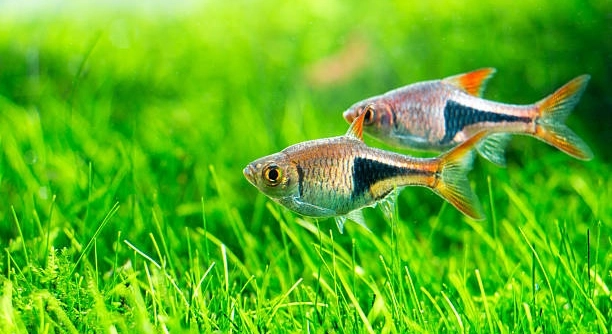
Rasboras are small, colorful fish that brighten up any aquarium. Observing their behavior and physical traits can help you understand them better and make your fishkeeping experience more enjoyable and rewarding.
Male and female rasboras can be distinguished by body shape, coloration, and fin size. Males are typically slimmer with brighter colors, while females are fuller-bodied, often displaying a slightly rounded belly and subtler hues. These traits are reliable indicators for sex identification.
Knowing how to tell males from females will help you manage your aquarium effectively and support healthy breeding habits.
Physical Differences Between Male and Female Rasboras
Male rasboras are usually slimmer and display brighter colors compared to females. Their fins tend to be more elongated and pointed, particularly the dorsal and anal fins. Females have a rounder belly, especially when carrying eggs, and their colors appear softer. Observing these traits side by side can make identification easier. Behavior can also give clues, as males are often more active and may chase other fish during feeding or display periods. Lighting and tank conditions can slightly affect coloration, so consider multiple observations over time. Paying attention to size, shape, and fin differences together helps create a clearer picture.
Noticeable differences in belly shape are one of the simplest ways to identify females, especially in adult fish.
For more precise identification, combine multiple indicators rather than relying on a single trait. Look at body proportions, fin shape, and color intensity together. Adult females often appear slightly larger in the midsection, while males maintain a sleeker, more streamlined form. Males may display brighter iridescence during social interactions, making them easier to spot in a well-lit tank. Observing your rasboras over several days can confirm patterns, ensuring you are confident in distinguishing their sexes accurately. Consistent monitoring allows you to understand growth patterns and breeding readiness, supporting healthy tank management and overall fish well-being.
Behavior Patterns That Indicate Sex
Males are usually more active and can display chasing behavior during feeding or social interaction.
Female rasboras tend to be calmer and may stay closer to plants or the bottom of the tank, especially when carrying eggs. Recognizing these behavior patterns can support proper breeding management. Paying attention to both activity level and interaction helps ensure that tank dynamics remain balanced.
Observing behavior alongside physical traits provides the most reliable identification. Males often exhibit territorial or display behaviors, such as flaring fins and showing off their colors to other fish. Females typically respond to these displays but remain less assertive, often avoiding confrontation. This behavioral distinction becomes more apparent in larger groups, where social hierarchy influences movement and interactions. Tracking these patterns over time also allows you to detect when females are ready to spawn, as they may show increased hiding or subtle changes in swimming. Combining behavioral observation with physical markers ensures accurate sex identification and promotes a healthier environment, making it easier to maintain a well-balanced aquarium.
Coloration and Fin Differences
Male rasboras often have brighter, more vivid colors than females. Their fins are longer and more pointed, making them appear sharper in contrast. Females usually have softer hues and shorter, rounded fins. These visual differences become clearer as the fish mature.
Color intensity is a strong indicator of sex in adult rasboras. Males display iridescent scales that reflect light, particularly along the body and fins. Females’ colors are subtler, often blending with the tank’s background. Observing multiple fish together highlights these contrasts, as the differences are more noticeable in comparison. Lighting can also enhance the males’ colors, so consistent observation under good lighting is important.
Fins provide another reliable clue. Male dorsal and anal fins are usually elongated, while females have smaller, rounded fins. Tail fins may also differ slightly, with males appearing more streamlined. These traits, combined with coloration and body shape, make identifying males and females easier, even for newer aquarists. Tracking these details over time ensures more accurate identification and helps in planning breeding or tank arrangements.
Size and Body Shape
Females tend to have a fuller body, particularly around the belly, while males remain slimmer and more streamlined.
Body size differences become more apparent as the fish mature. Females grow slightly larger in overall body mass due to egg development. Males usually have a more elongated, slender profile, which can make them look faster and more agile when swimming. Paying attention to midsection thickness provides a simple, consistent method to differentiate sexes.
Observing multiple fish in the same tank allows side-by-side comparison, making size differences clearer. Adult females not only have fuller bellies but also a slightly rounder body shape from head to tail, whereas males appear more uniform in width. These differences, combined with fin shape and coloration, offer a reliable set of characteristics for distinguishing male and female rasboras. Regular monitoring ensures accurate identification and supports a healthy, well-balanced tank environment, especially during breeding periods when knowing the sexes is essential.
Breeding Indicators
Female rasboras often show a slightly swollen belly when ready to lay eggs. Males may become more colorful and active during this period. Observing these changes helps identify which fish are ready for breeding without disturbing them.
Males may display increased chasing behavior, often following females around the tank. Females respond by hiding among plants or slowing down their movements. These behavioral cues, along with physical signs like body shape and color changes, provide clear indicators of breeding readiness in both sexes.
Tank Behavior Differences
Males are generally more active and may assert dominance over other males.
Females are calmer, staying closer to plants or slower-moving areas. Watching their interactions helps maintain balance and ensures peaceful tank dynamics.
Identifying Juvenile Rasboras
Juvenile rasboras are harder to sex because physical differences are less pronounced. Careful observation of growth patterns and gradual development of body shape, fins, and coloration over time allows for more accurate identification as they mature.
FAQ
How can I tell a rasbora is male or female without close inspection?
You can observe their general body shape and behavior from a distance. Males are usually slimmer and swim more actively, often chasing other fish or showing off their colors. Females have a rounder belly and move more calmly, often staying near plants or slower-moving areas. These differences become more noticeable as the fish mature, so consistent observation over time is helpful.
Do all rasbora species show the same sexual differences?
Most common species, like harlequin and galaxy rasboras, show similar patterns in body shape, coloration, and fin length. However, subtle differences may occur depending on species and environment. Observing multiple individuals within the same tank can make identifying patterns easier and more accurate. Environmental factors, such as lighting and tank decor, may slightly influence color intensity.
At what age can I reliably identify male and female rasboras?
Rasboras are easier to sex once they reach sexual maturity, typically around 4–6 months. Juveniles often look very similar, and differences in belly shape, color, and fin length are minimal. Patience and regular observation are key, as subtle traits develop gradually over time.
Can diet affect how male and female rasboras look?
Yes, diet can influence coloration and body fullness. Females may appear slightly rounder when well-fed, while males can display brighter colors with a proper diet rich in protein and nutrients. Feeding consistently and providing high-quality food helps maintain natural traits, making sex identification easier.
Do males always display brighter colors than females?
Males generally show more vivid colors, especially during social interaction or breeding periods. Females have softer, subtler hues. Lighting, stress, and overall health can impact color intensity, so it’s important to observe fish under normal, calm conditions for accurate comparison.
Is it possible to confuse pregnant females with males?
Yes, a plump female may appear larger, but she usually has a rounder belly and shorter, softer fins compared to a male. Combining body shape, coloration, and fin characteristics ensures more reliable identification than relying on size alone.
How does behavior help in distinguishing sexes?
Males often display chasing, flaring fins, or following females during feeding and social interaction. Females remain calmer, often seeking cover or moving less aggressively. These behavior patterns, paired with physical traits, are consistent indicators for differentiating sexes.
Can lighting or tank environment affect identification?
Lighting can enhance or dull colors, affecting visibility of differences. Tank plants or decorations may obscure fins or body shape. Observing fish in clear, well-lit areas and comparing multiple individuals increases accuracy in identifying males and females.
Are there any signs of stress that can confuse sex identification?
Stress can dull coloration and alter behavior. Both males and females may hide or reduce activity. Ensure proper water conditions, temperature, and minimal overcrowding to get accurate observations of natural traits.
Is it important to know the sex of rasboras in a community tank?
Yes, knowing their sex helps manage breeding, prevent excessive aggression, and maintain a balanced community. Correct identification allows you to plan tank arrangements, monitor interactions, and support the health of all fish effectively.
Rasboras are small, lively fish that bring color and activity to an aquarium. Understanding how to tell males from females helps ensure their well-being and supports proper tank management. Observing body shape, coloration, and fin size provides reliable clues for identification. Males are generally slimmer and display brighter colors, while females have rounder bellies and softer hues. These physical traits become more pronounced as the fish mature, so paying attention over time is important. Careful observation allows you to distinguish sexes without causing stress to the fish. Knowing which fish are male and female also helps prevent unintended breeding and allows for a more harmonious tank environment.
Behavioral patterns are another useful indicator of sex. Males tend to be more active and may chase other fish or display their fins during feeding and social interaction. Females are calmer, often staying closer to plants or less active areas. Watching these interactions provides additional confirmation of their sex and helps maintain balance within the aquarium. Combining behavioral observations with physical characteristics gives the most accurate results. Even lighting, tank setup, and diet can slightly influence their appearance, so considering all these factors together ensures a clearer understanding. Over time, observing these patterns can help you anticipate breeding readiness and monitor the health of both males and females in your tank.
Regular monitoring and attention to detail make sex identification in rasboras much easier. By noting subtle differences in size, shape, fin length, and coloration, you can confidently determine which fish are male or female. This knowledge supports breeding efforts when desired and helps prevent stress or aggression among tank mates. Maintaining consistent feeding, clean water, and appropriate tank conditions also ensures that physical and behavioral traits are expressed naturally, making identification more straightforward. Understanding the differences between males and females is not only practical but also enhances the enjoyment of keeping these colorful fish, allowing you to create a balanced and healthy aquarium that benefits all its inhabitants.

Hello,
If you enjoy the content that we create, please consider saying a "Thank You!" by leaving a tip.
Every little bit helps us continue crafting quality advice that supports the health, happiness, and well-being of pets around the world, for pets of all shapes, sizes, and species.
We really appreciate the kindness and support that you show us!