
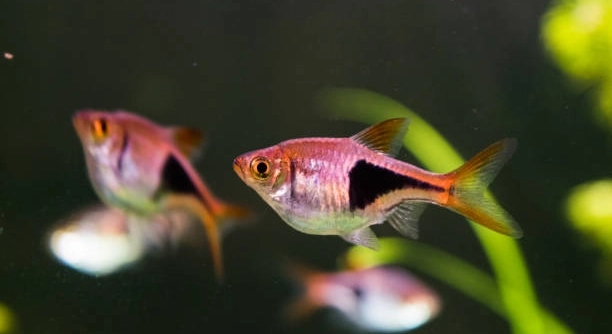
Many aquarium keepers enjoy calm rasbora tanks, yet subtle changes can signal deeper problems. Water quality, fish behavior, and tank balance often shift, making it easy to overlook warnings that routines fail to meet needs.
The primary indication that a rasbora tank requires change involves declining environmental stability. Poor water parameters, waste accumulation, and inadequate filtration disrupt biological balance, stressing fish and plants. Assessment and adjustments are essential to restore stability and support aquatic health.
Recognizing these signs early helps create a healthier environment and prepares you for practical steps that improve your rasboras comfort.
Water Quality and Visual Changes
I notice water issues first because rasboras respond quickly to unstable conditions. Cloudy water, lingering debris, or strong odors suggest waste is building faster than the system can handle. Overfeeding, limited water changes, and undersized filtration all contribute to this imbalance. When parameters drift, beneficial bacteria struggle, which allows ammonia and nitrite to rise. Fish may appear dull, hide more often, or lose their usual schooling patterns. Plants can also suffer, showing slowed growth or decaying leaves. These visible changes indicate that the tank is no longer processing waste efficiently. Adjusting maintenance routines, reviewing stocking levels, and testing water regularly helps restore balance. Clear water alone is not proof of safety, but consistent clarity paired with stable readings supports long term tank health. Ignoring these signals often leads to stressed fish, algae growth, and costly corrections that could have been prevented with earlier attention and steadier care habits over time.
Testing results that fluctuate week to week show the tank lacks consistency. Stable aquariums change slowly. Frequent swings signal the need for improved schedules, better filtration, or reduced feeding to maintain safer conditions. These adjustments help prevent stress before visible damage appears and support predictable daily care routines for fish.
I have learned that clear routines matter more than occasional fixes. Weekly water changes, measured feeding, and reliable testing keep rasboras steady. When maintenance slips, problems rarely fix themselves. Small corrections made early protect fish health and reduce long term effort. Watching behavior closely offers guidance, since rasboras show stress through erratic swimming and fading color. Responding quickly keeps the tank predictable and calm. Consistency builds a system that supports fish, plants, and bacteria together, instead of forcing constant corrections later. This approach saves time and creates a more stable home for sensitive schooling fish like rasboras over time consistently.
Behavior and Tank Setup Signals
Behavior changes often appear before water tests show problems. Rasboras that stop schooling, nip fins, or hide near corners may feel pressured. Crowding, poor flow, or limited cover increases tension and signals the tank setup needs adjustment to restore comfort and reduce ongoing stress within the shared space over time.
I pay close attention to how rasboras use the tank space throughout the day. Active swimming across open areas paired with calm grouping shows balance. When fish cling to the surface, hover near filters, or scatter suddenly, the environment may feel unstable. Strong currents can exhaust small fish, while weak circulation allows waste to settle. Decorations also matter. Sparse layouts leave rasboras exposed, while overcrowded tanks restrict movement. A balanced layout includes open swimming lanes, gentle flow, and planted areas for retreat. Lighting plays a role as well. Harsh lighting without shaded zones increases stress and reduces natural behavior. Adjusting flow direction, rearranging decor, and softening light often restores normal patterns. These changes do not require a full reset, but thoughtful tweaks. Over time, behavior becomes the clearest indicator that the tank supports daily needs. I prefer making small changes one at a time and watching results for several days. This avoids unnecessary disruption and helps identify what truly improves comfort. Stable behavior, consistent feeding, and relaxed movement confirm the environment meets rasboras expectations without constant intervention and supports long term stability within the tank system through patient observation and steady care habits over weeks rather than rushed fixes alone.
Poor Feeding Response and Appetite Changes
Rasboras usually eat quickly and with interest, so changes stand out. Food drifting uneaten, slower reactions, or sudden aggression during feeding suggest stress. This often links to water issues, competition, or unsuitable flow that disrupts feeding routines and weakens fish over time when habits shift without obvious external changes presently.
I have learned that appetite loss rarely appears alone. It often follows rising waste, unstable temperature, or overcrowding that limits access to food. Smaller or timid rasboras may stop eating first, while bolder fish dominate meals. Over time, this creates uneven growth and increased stress. Reviewing feeding amounts, spacing meals, and observing hierarchy helps identify the root issue. Reducing stock levels or improving filtration often restores calm feeding behavior. Consistent appetite across the group signals the environment supports energy needs and daily biological demands without constant correction for long term stability and healthier fish condition across the entire tank system.
Persistent feeding issues also point toward setup limitations. Strong current can scatter food too quickly, while poor circulation allows waste to collect near feeding zones. Lighting intensity affects confidence during meals, especially in open tanks. I adjust flow, add plants, or target feed when needed. These changes reveal whether appetite problems come from environment rather than health. When feeding becomes predictable again, it confirms the tank is better aligned with rasboras natural behaviors and long term care requirements. This improves resilience, reduces stress responses, and supports balanced growth over time for all fish within the system consistently and reliably maintained.
Maintenance Fatigue and Algae Growth
Excess algae and faster mess buildup signal maintenance imbalance. Glass films returning quickly, gravel clogging, and filter sponges darkening sooner than usual show waste outpacing removal. I notice this when weekly tasks feel heavier and results shorter lived. These signs suggest the tank requires adjusted schedules, reduced feeding, or equipment upgrades to regain manageable upkeep and cleaner conditions before problems escalate and affect fish stability across the entire aquarium environment over extended periods of neglect.
I have found that when algae becomes routine, something in balance has shifted. Light duration may exceed plant needs, nutrients may build unchecked, or water changes may be too small. Scrubbing more often treats symptoms, not causes. Reducing photoperiods, spacing feedings, and increasing water change volume usually brings relief. Filter maintenance also matters. Clogged media lowers efficiency and traps waste. I prefer steady, predictable maintenance that prevents spikes rather than reacting late. When surfaces stay cleaner longer and water clarity holds, effort drops. This indicates the system supports itself better, reducing stress on both fish and keeper while extending equipment lifespan and overall tank stability. These changes create consistency and reduce long term correction cycles that exhaust time and resources within home aquariums overall systems.
Fading Color and Appearance Shifts
Fading color often appears when rasboras remain under stress. Reds dull, silvers gray, and patterns blur. I notice this after skipped water changes or parameter swings. Color loss reflects reduced vitality and signals the environment no longer supports normal pigmentation or daily biological functions properly over time for them consistently.
Color changes can also follow lighting or diet issues. Weak spectrum lighting limits reflection, while poor nutrition restricts pigment development. I correct this by reviewing food variety and adjusting light duration. When colors slowly return, it confirms the tank conditions better match rasboras long term needs and overall health stability.
Breathing and Gill Movement Changes
Breathing changes are easy to miss at first but important. Rasboras gasping near the surface, resting near filter outlets, or showing rapid gill movement often respond to low oxygen or rising toxins. I usually check temperature, flow, and filter output immediately. Warm water holds less oxygen, while clogged media slows circulation. Increasing surface agitation and performing partial water changes often brings relief. These signs should never be ignored, as prolonged breathing stress weakens immune response and increases disease risk. Consistent oxygenation supports energy levels, feeding response, and stable schooling behavior throughout the tank during long term care routines consistently applied.
Tank Size and Space Limitations
Outgrowing the tank happens quietly. As rasboras mature or numbers increase, swimming space shrinks. I notice tighter schooling and frequent collisions. Limited space raises stress and waste levels. Upgrading tank size or reducing stock restores movement, improves water stability, and supports calmer behavior patterns long term for daily life balance.
FAQ
How often should I change water in my rasbora tank?
I usually perform partial water changes weekly, around 20–30 percent. This keeps waste levels low and maintains stable parameters. Over time, I’ve noticed that sticking to a schedule prevents sudden shifts in ammonia, nitrite, and nitrate, which keeps rasboras calmer and healthier.
What signs show my rasboras are stressed from water quality?
Cloudy water, unusual hiding, dull colors, and erratic swimming are all indicators. Rapid gill movement or gasping near the surface also points to stress. I check water parameters immediately when I notice these signs to prevent long-term health issues.
How do I manage algae growth effectively?
Regular water changes, controlling light duration, and avoiding overfeeding work best. Adding fast-growing plants can compete with algae for nutrients. I’ve found that cleaning surfaces lightly each week prevents buildup without disturbing fish too much.
What is the best way to feed rasboras?
Small portions multiple times a day prevent leftover food from decaying. I target-feed timid fish first to ensure they get enough, then offer the rest to the group. Balanced diet including flakes, micro pellets, and occasional live food improves color and vitality.
Can tank size affect rasbora health?
Yes, overcrowding increases stress and waste. Rasboras need open swimming space for schooling and activity. I usually upgrade tanks or reduce numbers when movement becomes restricted. Proper space improves behavior, reduces aggression, and helps maintain cleaner water.
How can I tell if filtration is sufficient?
Slow filter flow, cloudy water, or lingering debris indicates underperformance. I monitor daily, clean media as needed, and ensure the filter matches tank volume. A stable, gentle flow supports fish comfort without causing exhaustion.
What changes in behavior should alert me to a problem?
Schooling changes, hiding, erratic swimming, or fin nipping signal stress. Appetite loss and reduced activity also show imbalance. I pay attention to subtle shifts daily, because early intervention keeps the tank stable and prevents serious health issues.
Are plants necessary for rasbora tanks?
Not strictly, but they help balance water chemistry, provide hiding spots, and reduce stress. I add a mix of floating and rooted plants to give both cover and open swimming areas. Healthy plants also compete with algae and improve aesthetics naturally.
How do I maintain consistent water temperature?
A reliable heater and thermometer help prevent sudden swings. I check the temperature daily and adjust slightly if needed. Rasboras prefer stable, moderate warmth. Sudden changes can trigger stress responses, reduce appetite, and weaken immunity.
What is the best approach to cleaning the tank without stressing fish?
Partial water changes, gentle gravel vacuuming, and light algae scraping minimize disturbance. I remove decorations briefly only when necessary. Frequent, small maintenance sessions work better than infrequent deep cleans, keeping fish calm and the system stable over time.
How can I prevent overfeeding and waste buildup?
Measure food precisely and remove uneaten portions after a few minutes. I feed small amounts multiple times rather than one large portion. This limits decaying food, reduces nitrate spikes, and supports healthy growth without overloading the filtration system.
When should I consider upgrading my tank setup?
Visible stress, overcrowding, frequent water swings, or rapid algae growth indicate the tank no longer meets needs. I evaluate filtration, space, and decoration layout regularly. Upgrading prevents long-term health issues and restores balance for rasboras naturally over time.
How can I monitor long-term health of my rasboras?
Observe color, behavior, appetite, and swimming patterns consistently. I keep a simple log of water parameters and changes, noting any deviations. Early detection of irregularities allows small adjustments, keeping the tank environment stable and supporting overall fish vitality without drastic interventions.
Rasboras are delicate fish that thrive in stable, balanced tanks. Maintaining water quality, proper feeding routines, and appropriate tank setups is essential for their health. Small changes in behavior, appearance, or water clarity often signal underlying problems that need attention. Overlooking these signs can lead to stress, reduced vitality, and a higher risk of disease. Consistent care, including regular water testing, partial water changes, and proper filtration, keeps the environment predictable and safe for the fish. I have learned that early adjustments are far more effective than trying to fix issues after they become severe. Monitoring water parameters such as ammonia, nitrite, nitrate, and pH ensures that the tank remains supportive of the fish’s needs. Even slight fluctuations in temperature or oxygen levels can impact rasboras, so paying attention to these details makes a noticeable difference in their overall well-being.
Proper feeding routines play a crucial role in maintaining tank stability. Rasboras respond well to small, measured portions given multiple times a day. Overfeeding leads to uneaten food settling in the substrate, which can deteriorate water quality quickly. I have found that observing feeding behavior helps identify timid or weaker fish that may not compete for food, allowing me to provide targeted feeding when needed. A varied diet that includes high-quality flakes, micro pellets, and occasional live foods improves color, energy, and immune response. Alongside feeding, decorations, plants, and adequate swimming space contribute to a stress-free environment. Overcrowding or poor layout can increase competition and aggression, which indirectly affects feeding and water quality. Adjustments to tank setup, flow, and lighting often restore normal behavior and appetite. These measures create an environment where rasboras can exhibit natural schooling patterns, active swimming, and consistent color over time.
Maintenance routines form the backbone of a healthy rasbora tank. Regular cleaning, including partial water changes and filter upkeep, prevents waste accumulation and supports a stable biological balance. I have noticed that consistent, small maintenance efforts are more effective than occasional deep cleaning, which can stress fish and disrupt tank stability. Monitoring algae growth and plant health also provides insight into the tank’s overall condition. Healthy plants help absorb excess nutrients, reducing the chance of algae overgrowth and improving oxygen levels. Maintaining a steady light cycle and gentle water flow supports both fish comfort and plant growth. Paying attention to these details allows rasboras to remain active, colorful, and stress-free. In the long term, predictable care routines, early observation of behavior changes, and small corrective actions create a balanced environment that reduces health risks and ensures the tank remains a safe, thriving space for the fish.

Hello,
If you enjoy the content that we create, please consider saying a "Thank You!" by leaving a tip.
Every little bit helps us continue crafting quality advice that supports the health, happiness, and well-being of pets around the world, for pets of all shapes, sizes, and species.
We really appreciate the kindness and support that you show us!