
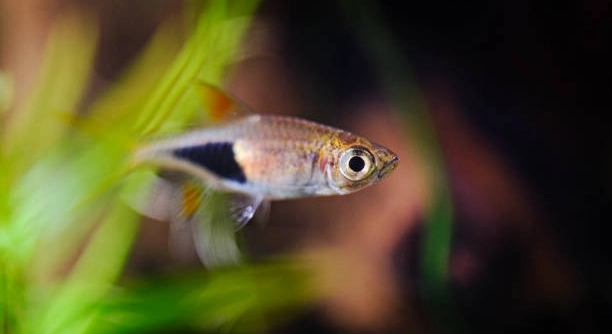
Harlequin rasboras are small, colorful fish that brighten up any home aquarium. They are gentle and peaceful, making them popular among beginner and experienced fish keepers alike. Many enjoy watching their playful swimming patterns daily.
Harlequin rasboras typically live between five and seven years in captivity. Their lifespan depends on proper care, including a balanced diet, clean water, and stable tank conditions that mimic their natural habitat.
Knowing their average lifespan helps you plan proper care and create a healthy environment. This information ensures your rasboras remain active, vibrant, and happy throughout their lives.
Ideal Tank Conditions for Harlequin Rasboras
Harlequin rasboras thrive in a well-maintained aquarium with stable conditions. They prefer slightly acidic to neutral water, with a pH between 6.0 and 7.5, and a temperature range of 72 to 79°F. Proper filtration is important to maintain water quality, while gentle water flow helps mimic their natural habitat. Adding live plants and hiding spots creates comfort and reduces stress, encouraging natural behavior and activity. Regular water changes of 20 to 25 percent weekly prevent toxins from building up and maintain oxygen levels. Soft lighting can make them feel secure and encourage natural coloration. These fish prefer to swim in groups, so a minimum of six individuals is recommended to keep them social and calm. Monitoring water parameters regularly ensures early detection of potential issues, which helps extend their lifespan and maintain overall health.
Maintaining the right tank conditions directly impacts rasboras’ longevity and activity levels. Stress from poor water quality can shorten their life significantly.
A clean, balanced tank creates an environment where harlequin rasboras can display vibrant colors and energetic swimming patterns. By arranging plants, rocks, and open swimming areas strategically, you allow them to explore safely while resting in shaded areas. Consistent temperature and proper diet further strengthen their immune system. When conditions are stable, they exhibit less disease and adapt more easily to changes. Observing their interactions and behaviors becomes more enjoyable, as healthy fish are more active and playful. Regular monitoring and minor adjustments can prevent sudden stress, promoting a longer, happier life for your rasboras.
Feeding Habits and Lifespan
Harlequin rasboras need a varied diet of flakes, micro-pellets, and occasional live or frozen foods. Proper nutrition supports growth and immune health.
Providing a balanced diet is essential to prevent malnutrition and ensure they live a full lifespan. Overfeeding should be avoided, as it can harm water quality.
Including high-quality flake food as a staple and supplementing with bloodworms, brine shrimp, or daphnia keeps them healthy and energetic. Feeding small amounts two to three times daily prevents overeating and reduces waste buildup in the tank. Rotating food types ensures they receive essential vitamins and minerals for vibrant color and strong bodies. Observing their eating habits helps identify issues early, such as refusal to eat or aggression during feeding. Young fish may require more frequent feedings, while adults benefit from portion control. Consistent feeding routines improve digestion and overall health, directly influencing their lifespan. By combining proper diet with clean water and stable tank conditions, harlequin rasboras can enjoy active, stress-free lives, often reaching their maximum age of seven years or more.
Common Health Issues
Harlequin rasboras are sensitive to poor water quality and sudden changes. Fin rot, ich, and bacterial infections are the most frequent problems. Early detection and treatment improve recovery and help maintain their overall lifespan in captivity.
Regular monitoring of water parameters prevents most health issues. Maintaining clean tanks and stable temperatures minimizes stress and susceptibility to disease. If any signs of illness appear, isolating the affected fish and treating promptly with appropriate medication ensures better outcomes. Quarantining new additions before introducing them to the main tank reduces the risk of spreading infections.
Observing daily behavior helps catch problems early. Healthy rasboras swim actively, eat readily, and display vivid colors. Lethargy, clamped fins, or white spots signal potential illness. Addressing these issues quickly, along with maintaining proper water conditions and a balanced diet, supports their long-term health. Consistent care and vigilance are key to helping them thrive in captivity, reducing the chances of premature death.
Breeding and Lifespan
Harlequin rasboras reach sexual maturity around eight to twelve months. Providing optimal conditions improves breeding success and supports healthy offspring.
A separate breeding tank with slightly acidic water and dense plants encourages spawning. Female rasboras lay eggs among plant leaves, and removing adults after spawning prevents predation. Fertilized eggs hatch in 24 to 36 hours, with fry feeding on infusoria or finely crushed flake food. Gradually increasing food size helps them grow steadily. Maintaining water quality and consistent temperature ensures fry survival and reduces stress, promoting healthy development. Breeding pairs should be monitored for compatibility to avoid aggression. Proper nutrition for both adults and fry influences their vitality and lifespan. Following these practices allows breeders to successfully raise strong, healthy rasboras while supporting their natural behaviors in a controlled environment.
Tank Mates
Harlequin rasboras do well with other peaceful fish. Small tetras, danios, and corydoras make suitable companions. Aggressive or large fish should be avoided to prevent stress and injuries.
Keeping them in groups of six or more ensures they feel secure. Schooling behavior reduces anxiety and encourages natural swimming patterns.
Water Maintenance
Regular water changes are essential for healthy rasboras. Changing 20 to 25 percent of the tank water weekly prevents toxin buildup. Monitoring pH, ammonia, nitrite, and nitrate levels helps maintain a stable environment. Using a reliable filtration system supports oxygen levels and overall water quality, ensuring long-term fish health.
Stress Factors
Stress can shorten their lifespan significantly. Overcrowding, sudden temperature changes, or poor water quality are common causes.
Observation Tips
Watching their behavior daily helps detect early signs of illness or discomfort. Changes in activity, appetite, or coloration indicate potential problems.
FAQ
How long do harlequin rasboras live in a home aquarium?
Harlequin rasboras usually live between five and seven years with proper care. Lifespan depends on stable water conditions, a balanced diet, and minimal stress. Maintaining clean water and avoiding sudden changes in temperature or pH can help them reach their maximum age.
What size tank is best for harlequin rasboras?
A minimum 20-gallon tank is recommended for a small school of six to eight fish. They need open swimming areas and plenty of hiding spots. Adding live plants and gentle filtration creates a comfortable, natural environment that supports their health.
What water parameters do harlequin rasboras need?
They thrive in slightly acidic to neutral water with a pH of 6.0–7.5. Temperature should be kept between 72–79°F. Regular monitoring of ammonia, nitrites, and nitrates is essential, along with weekly partial water changes to maintain stability.
What should I feed harlequin rasboras?
A varied diet works best. High-quality flake food, micro-pellets, and occasional live or frozen foods like bloodworms, brine shrimp, and daphnia support growth, coloration, and overall health. Feed small amounts two to three times daily, avoiding overfeeding.
Can harlequin rasboras live with other fish?
Yes, they are peaceful and do well with other non-aggressive species. Suitable tank mates include small tetras, danios, and corydoras. Avoid large or aggressive fish that may nip fins or cause stress. Keeping them in groups helps maintain calm behavior.
How do I know if my harlequin rasboras are stressed?
Signs of stress include clamped fins, pale coloration, hiding constantly, or reduced appetite. Stress often results from poor water quality, overcrowding, or sudden changes in the tank. Observing behavior daily helps catch problems early.
How do I breed harlequin rasboras?
Breeding requires a separate tank with slightly acidic water and dense plants. Females lay eggs on plant leaves, and removing adults prevents them from eating the eggs. Fry hatch in 24–36 hours and feed on infusoria or finely crushed flake food, gradually increasing in size as they grow.
What common health issues affect harlequin rasboras?
Fin rot, ich, and bacterial infections are common. Poor water quality and sudden changes increase vulnerability. Early detection, proper medication, and clean tank conditions improve recovery and prevent the spread of disease.
How often should I clean the tank?
Partial water changes of 20–25 percent weekly are ideal. Regular cleaning of the substrate, plants, and filter helps maintain oxygen levels and prevents toxin buildup, which directly affects health and lifespan.
Do harlequin rasboras need special lighting?
Soft, consistent lighting helps mimic their natural habitat. It encourages normal behavior and enhances coloration. Avoid bright, harsh lights that may stress them, especially if the tank has minimal plant cover.
Can they survive alone?
No, harlequin rasboras are schooling fish and do best in groups of six or more. Being alone increases stress, reduces activity, and can shorten their lifespan. Grouping them ensures they feel secure and display natural behaviors.
What is the best way to introduce new fish?
Quarantine new fish for at least two weeks before adding them to the main tank. Gradually acclimate them to the water temperature and parameters. This reduces stress and prevents introducing disease into the established aquarium.
How do I maintain water stability?
Regularly test water parameters and perform partial water changes. Use a reliable filtration system and avoid sudden temperature fluctuations. Maintaining consistency in pH, hardness, and temperature is crucial for health and longevity.
How can I improve their color and vitality?
A balanced diet rich in protein, vitamins, and minerals enhances coloration. Clean water, proper tank mates, and minimal stress also help. Healthy fish are active, display brighter colors, and show natural schooling behavior.
How do I handle sick harlequin rasboras?
Isolate affected fish in a separate hospital tank. Treat with appropriate medication for the specific illness, and monitor water parameters closely. Early intervention increases recovery chances and prevents disease from spreading to healthy fish.
Are there seasonal changes that affect them?
In a well-maintained aquarium, seasonal changes have minimal impact. Consistent temperature, lighting, and feeding routines prevent stress that could occur if environmental conditions fluctuate.
How much space do fry need to grow?
Fry need a separate tank with plenty of small hiding spots and gentle water flow. Feeding small, frequent meals ensures proper growth. Gradually increasing tank size as they grow helps maintain healthy development and reduces competition.
Can I use tap water for their tank?
Tap water is fine if properly treated. Chlorine and chloramine must be removed with water conditioners. Testing pH and hardness ensures parameters are safe for rasboras. Regular monitoring maintains stable conditions for their health and longevity.
What is the best way to reduce stress in the tank?
Keep stable water conditions, avoid overcrowding, and provide hiding spots. Maintain a consistent feeding routine and keep compatible tank mates. Minimizing sudden changes in environment or water quality ensures a calm and healthy group of rasboras.
Do they respond to human interaction?
While they do not recognize humans personally, they may learn feeding routines and swim near the glass. Gentle movements and regular feeding can make them more active and less shy, enhancing the viewing experience.
Final Thoughts
Harlequin rasboras are small, peaceful fish that bring color and movement to any aquarium. Their calm nature makes them suitable for both beginners and experienced fish keepers. They thrive best in groups, so keeping at least six together helps them feel secure and display natural schooling behavior. Watching them swim together is relaxing and can be a simple daily pleasure. Choosing compatible tank mates, such as small tetras, danios, or corydoras, ensures a peaceful environment. Avoiding aggressive or large fish prevents stress and injuries, which directly impacts their lifespan. By providing a stable, well-maintained tank, you can enjoy their vibrant colors and playful swimming for many years.
Maintaining water quality is one of the most important factors in keeping harlequin rasboras healthy. Regular partial water changes, proper filtration, and careful monitoring of parameters like pH, ammonia, nitrite, and nitrate are essential. These fish prefer slightly acidic to neutral water with a temperature between 72 and 79°F. Sudden changes in water quality or temperature can stress them, reduce their appetite, and make them more susceptible to disease. Stress is one of the main factors that shorten their lifespan, so consistency is key. Adding live plants and decorations not only improves water quality but also creates hiding spaces, reducing stress and encouraging natural behavior.
A balanced diet is equally important for maintaining health and longevity. Harlequin rasboras do best with a combination of high-quality flake food, micro-pellets, and occasional live or frozen foods such as bloodworms, brine shrimp, or daphnia. Feeding small amounts two to three times daily prevents overfeeding and reduces waste in the tank, which can affect water quality. Watching their behavior and appetite provides clues about their overall health. Healthy fish are active, display bright colors, and swim together in a coordinated manner. Consistent care, including proper diet, water maintenance, and observation for early signs of illness, ensures they live a long, vibrant life. By following these basic steps, harlequin rasboras can remain happy, active, and healthy, providing enjoyment for years without complicated care routines.

Hello,
If you enjoy the content that we create, please consider saying a "Thank You!" by leaving a tip.
Every little bit helps us continue crafting quality advice that supports the health, happiness, and well-being of pets around the world, for pets of all shapes, sizes, and species.
We really appreciate the kindness and support that you show us!