
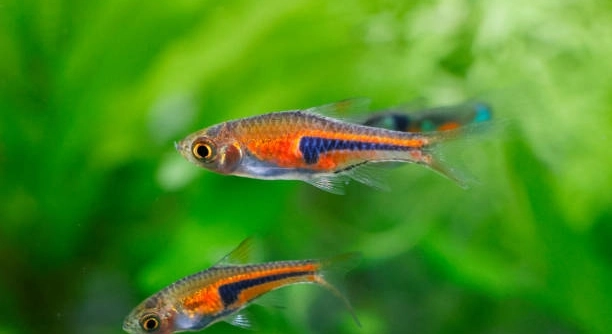
Harlequin rasboras are small, peaceful fish that brighten any aquarium with their vibrant colors. Watching them lose their bright hues can be worrying for any fish owner who cares about a healthy, attractive tank.
The most common reason your harlequin rasbora is losing color is due to stress, poor water quality, or an inadequate diet. These factors affect pigmentation and overall health, leading to faded colors and reduced vibrancy in the fish.
Maintaining proper care routines and understanding the signs of stress can help your rasboras regain their natural brilliance over time.
Common Causes of Color Fading
Harlequin rasboras can lose color for several reasons. Water quality is a major factor, as high ammonia or nitrate levels can stress fish and dull their pigmentation. Inconsistent water temperature or sudden changes can also cause stress. Poor diet affects color too; lack of variety or insufficient nutrients reduces vibrancy. Stress from tankmates, overcrowding, or frequent handling may make the fish appear pale. Even lighting can influence how bright their colors look, with dim or harsh lights making them seem washed out. Observing your fish daily helps identify problems early, allowing you to adjust water parameters, improve feeding, and reduce stress. Healthy fish with proper care usually show brighter colors within a few weeks. Regular maintenance, including water changes and checking for diseases, plays a key role in keeping harlequin rasboras looking their best. Paying attention to small details can prevent long-term fading.
Proper water maintenance and a balanced diet are essential for restoring your rasbora’s color quickly.
Consistent feeding with high-quality flakes, frozen foods, or live treats can improve pigmentation. Ensuring stable water parameters, regular changes, and a calm environment helps reduce stress. Providing hiding spots or plants gives security and encourages natural behavior. Bright, healthy colors often return when these factors are addressed carefully.
Stress and Tank Conditions
Stress is often linked to tank conditions and can directly affect color. Overcrowding or aggressive tankmates can make rasboras lose vibrancy.
Maintaining the right tank setup involves checking water temperature, pH, and cleanliness regularly. Overcrowded tanks increase competition for food and hiding spaces, leading to stress. Aggressive species may chase or nip at rasboras, making them anxious and dull in color. Even small changes, like rearranging decorations, can unsettle them. Plants, caves, and gentle filtration create a stable, calm environment that encourages natural coloration. Observing behavior alongside physical appearance helps identify stress early. Gradually adjusting tank conditions while keeping water clean allows fish to recover their brightness. Consistency and patience are key, as sudden changes can worsen fading. Paying attention to these environmental details ensures harlequin rasboras remain colorful and healthy for a long time.
Improving Diet and Nutrition
A varied diet is essential for vibrant colors. Harlequin rasboras need high-quality flakes, frozen foods, and occasional live treats to maintain health and pigmentation.
Providing foods rich in carotenoids, like brine shrimp or daphnia, enhances their natural red and orange tones. Avoid overfeeding, as excess food can pollute the tank and stress the fish. Incorporating plant-based options supports overall health, while rotating protein sources prevents deficiencies. Feeding small portions multiple times a day mimics natural behavior and ensures all fish get enough nutrition. Healthy feeding habits combined with clean water create the conditions for colors to return. Over time, consistent care reflects directly in brighter, more vivid rasboras.
Supplementing diet with color-enhancing foods can make a noticeable difference. High-quality frozen or live foods provide essential nutrients that improve vibrancy and strengthen the immune system.
Monitoring Water Quality
Regular water testing keeps parameters stable and prevents stress-induced color loss. Temperature, pH, and ammonia levels should be checked consistently.
Cleaning the tank and performing partial water changes removes harmful substances that can dull coloration. Filtration should be efficient but gentle to avoid disturbing fish. Observing water clarity, plant health, and fish behavior provides clues to overall water quality. Even small imbalances can affect pigmentation over time. Maintaining consistent conditions supports long-term health and helps rasboras regain their bright hues. A clean, stable environment allows them to thrive and reduces the risk of disease or prolonged stress, which can lead to permanent fading if ignored.
Reducing Stress
Providing hiding spots and plants helps harlequin rasboras feel secure. A calm environment reduces stress and supports natural coloration.
Avoid sudden changes in water temperature or tank layout, as these can make fish anxious. Stable conditions encourage brighter, healthier colors.
Choosing Compatible Tankmates
Harlequin rasboras thrive with peaceful species. Aggressive or territorial fish can stress them, causing color loss.
Selecting compatible tankmates ensures everyone has space and reduces competition for food and shelter. Peaceful companions create a calmer, more balanced environment, helping rasboras maintain their vibrant hues.
Proper Lighting
Moderate lighting enhances natural coloration. Too dim or too strong light can make colors appear dull.
Consistent, natural lighting cycles support healthy pigmentation and overall fish health. Using timers helps maintain a stable day-night rhythm in the aquarium.
Observing Behavior
Watching your rasboras daily reveals stress or illness signs. Changes in activity often precede color fading.
Monitoring behavior allows early intervention, whether adjusting water conditions, diet, or tankmates, preventing long-term color loss and keeping fish healthy.
FAQ
Why is my harlequin rasbora losing color suddenly?
Sudden color loss is often caused by stress or poor water quality. Changes in temperature, pH, or ammonia spikes can quickly affect pigmentation. Overcrowding or aggressive tankmates may also contribute, as constant stress makes fish appear pale. Monitoring water and environment closely helps prevent sudden fading.
Can diet really improve my rasbora’s colors?
Yes, diet has a direct impact on pigmentation. Foods rich in carotenoids, such as brine shrimp, daphnia, and certain high-quality flakes, enhance red and orange tones. A varied diet with both protein and plant-based nutrients supports overall health, which naturally restores vibrant colors over time.
How often should I change the water?
Regular water changes are critical. A weekly change of 20-30% helps remove toxins and maintain stable parameters. Over time, consistent maintenance reduces stress, prevents disease, and allows harlequin rasboras to regain and maintain bright colors. Partial changes are safer than full water swaps, which can shock fish.
Do tankmates affect my rasbora’s color?
Absolutely. Aggressive or territorial fish can stress harlequin rasboras, causing faded colors. Peaceful, similarly sized fish create a calmer environment, reducing stress and encouraging natural pigmentation. Avoid species known for nipping or chasing to maintain a harmonious tank. Plants and hiding spots further protect your fish.
Does lighting affect their coloration?
Yes, proper lighting helps show their natural colors. Too dim or harsh lights can make colors look dull. Moderate, consistent lighting, ideally on a timer, supports normal behavior and pigmentation. Day-night cycles mimic natural conditions, which helps rasboras display their best hues.
Can illness cause fading?
Yes, diseases and parasites can lead to paleness. Look for other signs like clamped fins, lethargy, or unusual swimming patterns. Early detection and treatment, combined with clean water, can restore health and color. Quarantining new fish reduces the risk of introducing pathogens.
How long does it take for colors to return?
Restoring color can take weeks to months, depending on the cause. Improving water quality, reducing stress, and providing a nutritious diet accelerates recovery. Patience is key, as sudden changes in conditions can reverse progress. Observing gradual improvements helps track effectiveness.
Are plants beneficial for color recovery?
Yes, live plants provide hiding spots, reduce stress, and improve water quality. A planted tank simulates natural habitat, encouraging natural behavior and enhancing coloration. Dense planting allows timid fish to feel safe, which often results in brighter, healthier appearances over time.
Can stress alone cause permanent color loss?
Stress alone usually causes temporary fading. Long-term stress, combined with poor diet or illness, can have lasting effects. Maintaining stable water, a peaceful tank environment, and proper nutrition helps prevent permanent color loss and keeps harlequin rasboras healthy.
Is water temperature important for color?
Yes, stable temperature is crucial. Sudden drops or spikes stress fish and can dull colors. Harlequin rasboras thrive in temperatures around 72-80°F (22-27°C). Using a reliable heater and thermometer ensures consistent conditions, supporting both health and vibrant pigmentation.
How do I know if water parameters are safe?
Regular testing for ammonia, nitrite, nitrate, and pH levels is essential. Ammonia and nitrite should be zero, nitrates below 20 ppm, and pH stable around 6.5-7.5. Consistent monitoring prevents stress and helps maintain the bright, natural colors of your fish.
Are there supplements for enhancing color?
Some foods and supplements contain carotenoids and spirulina that enhance red and orange tones. They should complement a balanced diet, not replace it. Using supplements wisely, along with proper care, can gradually improve your harlequin rasbora’s coloration over time.
Can overcrowding cause fading?
Yes, overcrowding increases stress and competition for food, which dulls colors. Each harlequin rasbora needs enough space to swim comfortably. Providing at least 10 gallons for a small group and avoiding overstocking promotes natural behavior and healthy, vibrant colors.
Do they need hiding spots to maintain color?
Hiding spots reduce stress and allow fish to feel secure. Plants, rocks, and caves create refuge areas, encouraging normal behavior. A calm, well-structured environment reduces anxiety, which directly supports brighter, more vivid coloration in harlequin rasboras.
How do I prevent color loss in the future?
Maintaining clean water, a nutritious diet, and a calm tank environment is key. Avoid aggressive tankmates, monitor health regularly, and provide adequate space and hiding spots. Consistency in care prevents stress and ensures harlequin rasboras retain their natural, vibrant colors for the long term.
This FAQ covers the most common concerns and solutions for color fading in harlequin rasboras, helping you maintain a healthy and visually striking aquarium.
Harlequin rasboras are beautiful, peaceful fish that can brighten any aquarium with their bright red-orange and black colors. Maintaining their natural coloration requires consistent care and attention. Fading colors are usually a sign that something in their environment or diet needs adjustment. Water quality is one of the most important factors to consider. Ammonia, nitrite, or nitrate levels that are too high can stress fish and cause their colors to dull. Regular water changes, proper filtration, and monitoring water parameters help create a stable environment where rasboras can thrive. Even small changes, like slightly altering the temperature or pH, can affect pigmentation, so it is important to keep conditions consistent. Observing your fish daily allows you to notice subtle changes early and make adjustments before fading becomes more severe.
Diet plays a critical role in maintaining vibrant colors. Harlequin rasboras need a variety of foods, including high-quality flakes, frozen options, and occasional live treats. Foods rich in carotenoids, like brine shrimp or daphnia, can enhance red and orange hues, while a balanced diet supports overall health. Overfeeding or feeding low-quality food can harm both their coloration and health. Feeding small amounts multiple times a day ensures that all fish get enough nutrition without polluting the water. Rotating different types of protein and plant-based foods helps prevent nutrient deficiencies and encourages natural coloration to return. Along with proper feeding, providing hiding spots and plants in the aquarium helps reduce stress, which also contributes to better pigmentation.
Stress is one of the most common reasons harlequin rasboras lose color, but it is often preventable. Overcrowding, aggressive tankmates, and sudden changes in the tank can all contribute to anxiety and fading. Peaceful companions, adequate swimming space, and stable conditions help fish feel secure. Lighting also affects how vibrant they appear; moderate lighting with a consistent day-night cycle supports healthy behavior and shows their colors naturally. Illness or parasites can cause fading as well, so monitoring behavior, activity, and signs of disease is important. By keeping water clean, feeding a proper diet, and reducing stress through careful tank management, your harlequin rasboras can regain and maintain their bright, natural colors over time. Consistent care and attention allow these fish to stay healthy and visually striking, making them a joy to watch in any aquarium.

Hello,
If you enjoy the content that we create, please consider saying a "Thank You!" by leaving a tip.
Every little bit helps us continue crafting quality advice that supports the health, happiness, and well-being of pets around the world, for pets of all shapes, sizes, and species.
We really appreciate the kindness and support that you show us!