
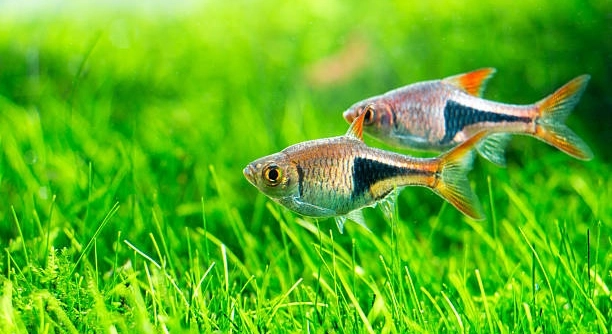
Are your rasbora refusing food even though the tank seems calm and clean? Appetite loss in small fish can feel worrying, especially when routines have not changed and meals go untouched for days on end.
Reduced feeding in rasboras is most commonly caused by environmental stress, inappropriate water parameters, or unsuitable diet composition. These factors disrupt metabolic function and behavior. Correcting water quality, stabilizing temperature, and offering species appropriate foods typically restores normal feeding responses.
By understanding each cause and solution, you can help your rasbora regain strength, confidence, and steady eating habits again quickly.
Water Quality and Feeding Behavior
Poor water quality is one of the most common reasons a rasbora stops eating. Even small changes in ammonia, nitrite, or nitrate levels can affect appetite. Rasboras are sensitive fish that rely on stable, clean water to feel safe. When waste builds up, their bodies focus on survival rather than feeding. Cloudy water, strong odors, or visible debris often signal a problem. Inconsistent water changes can also create sudden shifts that stress the fish. Temperature swings and improper pH levels further increase discomfort. Over time, this stress weakens digestion and reduces interest in food. A rasbora may hover, hide, or spit out food when water conditions are poor. Addressing water quality quickly helps restore normal behavior and encourages feeding again. Regular testing, gentle filtration, and consistent maintenance create an environment where rasboras remain calm, healthy, and willing to accept meals without hesitation during daily feeding routines over long periods consistently.
Testing water weekly and performing small water changes prevents sudden shifts. Always match temperature and treat tap water properly. Clean uneaten food promptly. These steps reduce stress and help your rasbora feel secure enough to eat. Stable conditions support digestion and improve long term feeding behavior in small schooling fish.
Improving water quality should be gradual rather than rushed. Large, sudden changes can cause more harm than good. I learned that slow adjustments keep rasboras calm and predictable. Use test kits to guide decisions instead of guessing. Maintain a steady schedule so the fish adjust easily. Watch feeding responses closely after each change. When conditions improve, appetite often returns within days. Consistency matters more than perfection. Clear water, stable warmth, and gentle flow create comfort. Once the tank feels balanced, rasboras usually resume eating with confidence and regularity over time with patience and attentive care from their keeper daily habits.
Stress From the Tank Environment
Stress from tank conditions often leads rasboras to ignore food. Loud surroundings, aggressive tank mates, or constant movement can overwhelm them. Even bright lighting or lack of hiding spots may disrupt feeding behavior. This stress reduces their sense of safety during feeding times and weakens normal routines inside community aquariums.
Rasboras thrive in calm, predictable environments where they feel protected. When a tank feels chaotic, eating becomes a low priority. I have noticed that simple changes often make the biggest difference. Reducing foot traffic near the aquarium helps fish relax. Choosing peaceful tank mates prevents constant chasing. Adding plants, driftwood, or caves provides shelter and visual breaks. Lighting should be moderate and consistent, avoiding sudden on and off changes. Feeding at the same time daily builds trust and routine. Scatter food gently instead of dropping it in one spot. This allows shy fish to eat without competition. Stress fades when the environment feels stable. As comfort increases, rasboras begin to explore again. Appetite usually improves as their confidence grows. A quiet, structured tank supports steady feeding and long term health for the entire group. Small adjustments should be introduced slowly to avoid new stress. Observe behavior closely after changes. Healthy rasboras swim openly, school calmly, and respond to food cues. These signs indicate comfort returning. Maintaining this balance helps prevent future feeding problems and supports consistent growth and coloration over time in shared tanks with other peaceful species present under attentive daily care routines that remain stable long term overall.
Diet Issues and Food Preferences
Rasboras may stop eating when the food does not match their natural diet or size needs. Flakes too large, stale foods, or sudden diet changes reduce interest. Feeding the same item daily can also cause refusal over time, especially in sensitive schooling fish that prefer variety and gentle feeding routines.
Offering inappropriate food types often leads to short term fasting. Rasboras prefer small, slow sinking foods that mimic insects or micro pellets. Floating food may be ignored. I noticed better feeding when I crushed flakes finely. Live or frozen foods can stimulate appetite. Overfeeding causes leftovers that spoil water quality and reduce hunger later. Feeding once or twice daily in small portions works best. Rotate foods weekly to avoid boredom. Always remove uneaten food after a few minutes. Consistent portions help regulate digestion and interest over time and support stable feeding responses in home aquariums for rasboras of all sizes.
Sudden changes in feeding schedules can confuse rasboras and suppress appetite. Skipping days, changing feeding spots, or crowding food increases stress. I stick to a routine and feed at the same time daily. Use feeding rings to control spread. Observe which fish eat and which hesitate. Target feeding helps shy individuals. Avoid tapping glass before meals. Calm behavior encourages feeding confidence. Consistency builds trust and reduces waste. When routines stabilize, rasboras usually resume eating steadily within several days. This approach improved results in my tanks without forcing food or causing unnecessary stress during feeding times for sensitive species like rasboras.
Health Issues and Hidden Discomfort
Internal health problems often reduce appetite before other signs appear. Parasites, bacterial infections, or digestive blockages make eating uncomfortable. Weight loss, pale color, or stringy waste may appear. I learned to watch subtle changes closely. Isolating affected fish prevents spread. Early treatment improves outcomes. Skipping food for several days should never be ignored in otherwise stable tanks especially when water quality and diet remain consistent during routine aquarium care and observation periods by the keeper.
When illness is suspected, observation becomes essential. I prefer using a quarantine tank with gentle filtration and stable warmth. Medications should match symptoms, not guesses. Research dosing carefully to avoid added stress. Feeding medicated food may help internal issues. Keep lighting low and disturbances minimal. Monitor waste, breathing, and swimming posture daily. Appetite often returns gradually during recovery. Avoid reintroducing fish too early. Maintain treatment for the full recommended duration. Clean equipment thoroughly afterward. Supporting recovery requires patience and consistency. Healthy fish regain color, energy, and feeding response. This careful approach has helped me prevent losses and maintain balance in my tanks over time by focusing on early action and steady care habits that reduce stress and support healing without rushing the process or shortcuts.
Sudden Changes in the Tank
I noticed rasboras often stop eating after sudden tank changes. Moving decor, deep cleaning, or replacing filters removes familiar cues. This causes short term feeding refusal. Even healthy fish may hide and ignore food until they feel secure again. Stability helps rebuild confidence and feeding patterns quickly.
I avoid making multiple changes at once because it overwhelms small fish. Space adjustments over days. Rinse filters in tank water only. Keep decor familiar. Once routines return, rasboras usually resume eating without intervention or forced feeding attempts. Patience during these periods prevents unnecessary stress and setbacks for sensitive species.
Competition During Feeding
Tank mates can strongly affect feeding behavior. Fast or aggressive fish outcompete rasboras at mealtime. Fin nipping increases fear. I learned to observe feeding order closely. Use sinking foods and spread meals across the tank. Add plants to break sight lines. Reduce stocking levels if needed. Separate dominant fish during feeding. Calm companions support confidence. When competition decreases, rasboras feed longer and more openly. Consistent grouping and space allow schooling fish to relax. This change alone often restores appetite without changing food or water conditions. I noticed fewer missed meals and healthier body shape over time with proper balance maintained.
Lighting and External Disturbances
Lighting and noise also influence feeding. Sudden brightness or vibrations cause hesitation. I keep lighting consistent and avoid tapping glass. Feeding with room lights on helps. A calm setting allows rasboras to approach food naturally without retreating or freezing. This simple habit improved feeding response in my tanks over time.
Why isn’t my rasbora eating at all?
A rasbora that refuses food often shows signs of stress, illness, or environmental issues. I’ve seen this happen when water quality changes suddenly or when a new tank mate creates tension. Even subtle shifts in temperature or pH can trigger fasting. Ensuring clean water, stable temperature, and calm surroundings usually restores appetite within a few days. Observing behavior closely helps identify the exact cause. Hiding, slow swimming, or spitting out food are key signals. If water and environment are stable, check for illness. Parasites and digestive problems often reduce appetite before other symptoms appear. Quarantining and treating affected fish early prevents spreading. Patience, careful observation, and small, gradual changes are essential for getting rasboras to eat again without creating extra stress.
Can stress from tank mates affect feeding?
Yes, rasboras are schooling fish and feel threatened by aggressive or fast-moving companions. I noticed my rasboras refused food when kept with overly active species. Competition for food creates fear, making shy individuals hide or avoid meals. Adding plants, caves, or floating decorations reduces visibility of aggressive tank mates, giving rasboras a safer space to feed. Sinking pellets or spreading food across the tank prevents dominant fish from taking all the meals. In severe cases, temporary separation during feeding helps restore appetite. Calm companions and proper tank layout significantly improve feeding confidence and prevent long-term refusal issues.
Does water temperature influence appetite?
Water temperature directly impacts metabolism. I observed rasboras eat less when water drops below their preferred 24–28°C range. Colder water slows digestion, making fish uninterested in food. Too high temperatures also increase stress, leading to skipped meals. Maintaining a stable temperature with a reliable heater and thermometer is critical. Avoid sudden changes during water changes or cleaning. Consistency encourages normal feeding behavior and keeps digestion regular. A slight adjustment can make a noticeable difference in daily eating patterns and overall health.
Could the type of food be the problem?
Yes, feeding unsuitable food often causes refusal. Flakes too large, dry, or old lose appeal. I found that finely crushed flakes, micro pellets, or live/frozen foods like daphnia or brine shrimp trigger more interest. Offering variety keeps rasboras engaged and reduces picky eating. Avoid overfeeding because leftover food spoils water and reduces hunger later. Small, frequent meals work better than one large serving. Changing food gradually allows rasboras to adapt without stress. Properly sized and varied diets improve appetite and growth while supporting long-term health in small schooling fish.
How long can a rasbora go without eating safely?
Rasboras can usually survive several days without food if water quality is excellent and stress is minimal. I’ve observed that up to three days rarely causes harm, but longer periods can weaken immunity and lead to disease. Monitor fish daily and remove uneaten food to maintain water quality. Addressing the root cause quickly—whether diet, stress, or water parameters—prevents prolonged fasting. Light observation, gentle handling, and small environmental adjustments help restore normal feeding faster. Avoid forcing food, as this adds stress and may worsen refusal.
When should I seek medical treatment or quarantine?
If fasting lasts more than three days with visible signs like weight loss, pale color, stringy waste, or unusual swimming, quarantine and treatment may be necessary. I isolate affected fish in a small, calm tank with gentle filtration and stable temperature. Use medications only after identifying symptoms to prevent unnecessary stress. Observe appetite and behavior daily during treatment. Early action improves recovery and prevents spread to other tank mates. Clean equipment thoroughly afterward. Proper quarantine and treatment routines ensure the main tank stays healthy while the rasbora recovers.
Can sudden changes in the tank trigger feeding refusal?
Yes, rearranging decor, cleaning gravel too deeply, or replacing equipment can stress rasboras. I’ve seen even minor adjustments make them hide or ignore food. Introduce changes gradually and keep familiar structures in place. This allows rasboras to feel secure and resume feeding naturally. Observing fish after each change helps identify triggers. Stability in environment encourages confident feeding without adding stress. Simple habits like partial water changes and gentle decor shifts prevent long-term appetite issues and maintain normal behavior.
Caring for rasboras requires attention to both their environment and their natural behaviors. Appetite loss is often a sign that something in their tank or routine is off. I’ve learned that even small changes in water quality, temperature, or tank setup can affect feeding. Consistency is important, as rasboras thrive when conditions are stable and predictable. Keeping water clean and within the right temperature range reduces stress and supports healthy digestion. Simple steps like testing water regularly, performing gentle partial water changes, and monitoring pH and ammonia levels help maintain a safe space for your fish. When these basics are in place, rasboras are much more likely to eat consistently and maintain energy and coloration.
Another factor I’ve noticed is the effect of tank mates and stress on feeding habits. Rasboras are schooling fish, and they rely on the security of a calm environment to feel comfortable eating. Aggressive or overly active tank mates, sudden movements near the aquarium, or bright lights can make them hide or ignore food. Adding plants, driftwood, and other hiding spots gives them areas to retreat and feel safe. Even small adjustments, like spreading food across the tank or using sinking pellets, can reduce competition and make it easier for them to eat. Over time, these adjustments encourage confidence and natural feeding behavior. Feeding at the same times each day also helps build routine, making rasboras more likely to approach food willingly.
Health and diet are equally important for maintaining a healthy appetite. Offering food that matches their size and natural preferences is essential. Small flakes, micro pellets, or live and frozen foods like daphnia or brine shrimp are generally well received. Overfeeding or introducing food too quickly can create uneaten leftovers that reduce water quality and further discourage eating. I’ve found that watching subtle signs of illness, like pale color or stringy waste, allows for early treatment before it severely affects appetite. Isolating and treating affected fish in a quarantine tank can prevent the spread of disease and help restore feeding habits. By focusing on water quality, a calm environment, and proper diet, it’s possible to address most feeding issues. With patience and observation, rasboras typically return to regular eating patterns, allowing them to thrive and display their natural energy, color, and social behavior.

Hello,
If you enjoy the content that we create, please consider saying a "Thank You!" by leaving a tip.
Every little bit helps us continue crafting quality advice that supports the health, happiness, and well-being of pets around the world, for pets of all shapes, sizes, and species.
We really appreciate the kindness and support that you show us!