
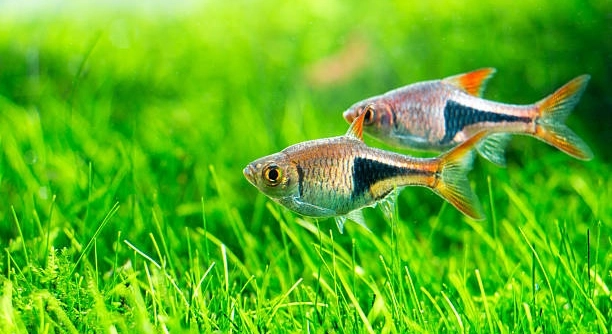
Rasboras are small, social fish that thrive on calm companionship in shared tanks. Keeping them alone may seem harmless, yet it can quietly affect their behavior, health, and overall comfort in ways many aquarists overlook.
Rasboras should not be kept alone because they are shoaling fish that rely on group dynamics for stability. Isolation often leads to chronic stress, reduced activity, weakened immune response, and shortened lifespan under standard aquarium conditions in captive home environments.
Social needs shape every aspect of rasbora care, influencing tank setup, group size, feeding habits, and long term well being.
Rasboras Depend on Group Security
Rasboras evolved to live in groups where constant movement and shared awareness reduce tension. When kept alone, their environment feels empty and unpredictable. I have noticed solitary rasboras hide more, eat less consistently, and lose their natural sparkle. Group presence provides reassurance through synchronized swimming and subtle signals. These behaviors help regulate stress hormones and support steady feeding patterns. Without companions, rasboras often remain alert for long periods, which drains energy. Over time, this strain can affect growth and immune strength. Even in clean tanks with stable water parameters, isolation creates pressure that filtration and lighting cannot solve. A small group restores balance by creating routine, safety, and calm. This security allows rasboras to display normal activity levels, explore open space, and respond better to daily care practices provided by attentive keepers. Such conditions mirror natural habitats and support predictable behavior throughout daily cycles without unnecessary environmental strain or disruption.
Keeping rasboras in groups is not optional enrichment but a basic requirement. A solitary fish may survive, yet survival does not equal comfort. Group living supports natural rhythm, visible confidence, and consistent feeding behavior over time. This difference becomes clear during long term observation by careful aquarists in home tanks.
Rasboras communicate constantly through body position, speed, and spacing. These signals disappear when only one fish is present. I find that lone rasboras often freeze or dart suddenly, showing uncertainty. In groups, movement becomes smooth and purposeful. This coordination helps them feel secure enough to forage, rest, and explore. Group behavior also spreads attention, reducing fear responses triggered by shadows or tank activity. When kept together, rasboras maintain healthier posture and coloration. These visible signs reflect internal stability that supports long term health in captive environments. It is a pattern I consistently notice across different tank sizes and setups available.
Isolation Alters Feeding and Growth
Food response changes quickly when rasboras are isolated. A single fish hesitates longer, misses meals, and eats smaller portions. Even high quality food cannot compensate for reduced confidence. Consistent group feeding encourages healthy appetite and steady growth patterns. This effect becomes obvious within weeks of separation under normal care conditions.
Rasboras evolved to compete gently for food within schools, which keeps them alert without causing panic. When alone, this balance disappears. I have seen isolated rasboras ignore food floating nearby, then rush toward it too late. This inconsistent feeding limits nutrient intake and slows growth. Over time, poor feeding rhythm can lead to weight loss and reduced resilience. Group feeding creates predictable routines where fish learn timing and location. Seeing others eat signals safety, allowing each fish to focus on feeding rather than scanning for danger. This shared behavior improves digestion and reduces waste. Growth becomes more even, and energy levels remain stable. In community tanks, rasboras kept together also respond better to varied diets, including flakes, micro pellets, and frozen foods. These benefits compound over months, shaping healthier adults that display calm movement, balanced bodies, and reliable feeding responses during daily maintenance. This stability reduces stress related disorders and supports immune efficiency. I prefer observing group meals because behavior appears relaxed and organized. Over years, this approach results in fewer losses and more consistent tank harmony for long term care across different setups with standard filtration, lighting, and maintenance routines used by attentive keepers at home over time consistently.
Stress Builds Without Companionship
Rasboras kept alone remain tense for most of the day. Without nearby fish, they react strongly to light changes, movement outside the tank, and routine maintenance. This constant alert state raises stress levels and prevents proper rest, even in otherwise stable aquariums over long periods of isolation within home setups.
Chronic stress affects rasboras in subtle but serious ways. I have noticed faded coloration, clamped fins, and reduced curiosity in isolated fish. Stress suppresses immune function, making them more vulnerable to common infections. Even with clean water, their bodies struggle to recover. Group living lowers stress by distributing attention and creating predictable movement patterns. This allows fish to relax between feeding and activity periods. When stress remains low, rasboras maintain brighter colors, smoother swimming, and better overall condition. These changes are gradual but consistent, becoming more noticeable the longer isolation continues in a home aquarium setting over time steadily overall.
Behavior also shifts when rasboras lack companions. Solitary fish often hide behind plants or corners, limiting natural exploration. I find this especially noticeable during daylight hours when they should be active. Reduced movement leads to lower muscle tone and weaker swimming ability. In groups, rasboras patrol the tank calmly and evenly. This steady motion supports physical health and mental balance. Isolation interrupts these patterns and replaces them with hesitation and sudden bursts of motion. Over months, this imbalance can affect posture, stamina, and long term vitality in captive conditions within closed home aquariums over extended care periods commonly observed there.
Natural Behavior Requires a Shoal
Rasboras are programmed for social alignment. Their spacing, turning speed, and resting habits depend on nearby fish. When alone, these instincts have no outlet. I notice more pacing and abrupt stops. Without a shoal, behavior becomes fragmented. This disrupts daily cycles of activity and rest. Group presence restores structure, allowing rasboras to follow shared rhythms that feel stable and familiar within the tank during regular lighting schedules and feeding routines over time consistently observed here.
Schooling behavior is not decorative but functional. It helps rasboras regulate stress, locate food, and assess safety. I have seen isolated fish fail to respond normally to changes that grouped fish handle smoothly. Shoals act as a shared awareness system, where one fish’s movement informs the rest. This reduces the need for constant vigilance. Alone, a rasbora must process every stimulus by itself. That demand is exhausting. Over time, the fish becomes withdrawn or erratic. Keeping rasboras together supports mental clarity and physical confidence. These traits influence longevity and resilience. A shoal encourages natural movement, balanced energy use, and reliable interaction with the environment. This creates a healthier, calmer aquarium experience overall for long term care stability in home tanks consistently observed by me over.
Isolation Dulls Color and Appearance
Lonely rasboras often lose their natural coloring over time. Stress and inactivity dull their appearance, making reds and silvers appear washed out. I have seen this happen even in clean tanks, where isolation slowly removes the vibrant shine they normally display in groups during extended periods of solitary aquarium housing.
Color loss is more than cosmetic and often signals declining health. Without social cues, rasboras fail to regulate stress properly. This affects pigment cells and scale condition. Group living supports consistent coloration by maintaining calm behavior and steady metabolism throughout daily tank activity in stable home aquariums over long periods.
Limited Movement Affects Physical Strength
Rasboras kept alone show reduced activity and uneven swimming patterns. Instead of smooth movement, they dart or remain still for long stretches. I notice weaker stamina during feeding and less interest in exploring open space. Limited movement affects muscle tone and fin strength. Over time, inactivity can lead to weight imbalance and poor posture. In groups, rasboras swim continuously at a relaxed pace. This steady motion supports circulation and digestion. Social swimming also builds coordination, allowing fish to respond calmly to changes. Isolation removes this natural exercise, slowly weakening the fish despite adequate tank size and water quality standards overall.
Abnormal Behavior Becomes More Common
Solitary rasboras often display repetitive or withdrawn behavior. I have observed pacing, glass surfing, and sudden freezing. These actions reflect mental strain rather than personality. Shoals reduce these behaviors by offering constant feedback, shared focus, and a sense of safety within the aquarium environment during normal daily care routines consistently.
How many rasboras should be kept together?
Rasboras should be kept in groups of at least six, though larger groups are more stable. From my experience, eight to ten creates noticeably calmer behavior. Smaller groups may still show stress signs. A proper shoal allows natural spacing, smoother swimming, and better feeding response. Group size directly affects comfort.
Can a single rasbora live alone if the tank is large enough?
Tank size does not replace social needs. I have seen lone rasboras struggle even in spacious tanks with perfect water quality. Space cannot mimic social cues. Without other rasboras, the fish remains alert and unsettled. Size helps water stability but does not solve isolation stress.
Do rasboras bond with other fish species instead?
Rasboras may swim near other peaceful fish, but this does not meet their social requirements. They rely on shared movement with their own species. I notice mixed tanks still leave lone rasboras hesitant. Only same species groups provide the correct signals that guide behavior.
Are there any rasbora species that prefer being alone?
No rasbora species prefers solitude. All known rasboras are shoaling fish. Even larger varieties show reduced confidence when isolated. I have not observed any exception in long term care. Solitary behavior is a stress response, not a preference.
What happens if one rasbora dies and only one remains?
The remaining fish often declines quickly. I have seen appetite drop within days. Stress increases as social structure disappears. Rehoming or adding companions promptly helps prevent further issues. Delays often result in health problems that become difficult to reverse.
Does isolation affect rasbora lifespan?
Yes, isolation often shortens lifespan. Chronic stress weakens immune response and recovery ability. I have noticed grouped rasboras live longer and maintain better condition with age. Solitary fish may survive but often age poorly and develop problems sooner.
Can juvenile rasboras be kept alone temporarily?
Temporary isolation should be avoided when possible. Young rasboras rely heavily on group behavior to learn feeding and movement patterns. I have noticed juveniles kept alone develop erratic habits. Even short periods can influence confidence and growth consistency.
How does isolation affect feeding behavior?
Feeding becomes inconsistent. Lone rasboras hesitate, miss food, or overreact suddenly. I often see food sink untouched. In groups, feeding is calm and reliable. Social cues tell rasboras it is safe to eat, improving nutrition and digestion.
Will adding more rasboras later fix the problem?
Adding companions usually helps, but timing matters. I have seen improvement when groups are restored early. Long term isolation can cause lingering behavior issues. The sooner social balance returns, the better the recovery outcome tends to be.
Do rasboras become aggressive when kept alone?
Aggression is rare, but anxiety driven reactions increase. Sudden darting or nipping may occur. I have noticed these behaviors fade once companions are added. Group living channels energy into coordinated movement instead of tension.
Is stress from isolation always visible?
Not always. Some rasboras appear calm but show subtle signs like dull color or reduced activity. I have learned that quiet behavior does not mean comfort. Long term observation reveals patterns that indicate ongoing stress.
Can plants and decorations replace companionship?
Plants provide cover but not interaction. I use heavy planting, yet isolated rasboras still show stress. Decorations help security but cannot simulate shared movement or signaling. Social structure remains essential regardless of aquascape design.
Do rasboras need constant interaction all day?
They do not interact constantly, but presence matters. Even resting periods are influenced by nearby fish. I notice lone rasboras remain alert instead of resting properly. Group presence allows natural downtime without fear.
Is it better to rehome a single rasbora than keep it alone?
Yes, rehoming is often the kinder option. I believe comfort outweighs convenience. A shoal environment supports both mental and physical health. Keeping a social fish alone usually leads to decline despite good intentions.
How quickly do rasboras show stress after isolation?
Changes can appear within days. I often notice hiding and reduced feeding first. Color and behavior changes follow over weeks. Early signs should not be ignored, as prolonged stress compounds quickly in closed aquarium systems.
Final Thoughts
Keeping rasboras is often seen as simple because of their size and calm nature, yet their social needs are sometimes underestimated. These fish are shaped by constant group interaction, and their well being depends on it. When kept together, rasboras display steady movement, consistent feeding, and relaxed behavior that reflects internal balance. This balance is difficult to achieve when a fish is kept alone, no matter how clean or well maintained the tank may be. Water quality, diet, and equipment all matter, but they cannot replace social structure. Over time, isolation quietly affects health, behavior, and appearance. These changes may not seem urgent at first, which makes them easy to miss. Still, they accumulate and shape the long term outcome for the fish. Providing a proper group is not an advanced technique but a basic part of responsible care. It supports natural behavior and reduces unnecessary strain that can shorten lifespan and reduce quality of life.
Rasboras respond strongly to stability, and stability for them includes the presence of their own kind. A small shoal creates predictable routines that help fish feel secure throughout the day. This security influences how they eat, rest, and react to their surroundings. I have found that tanks with grouped rasboras require less corrective care because the fish regulate themselves more effectively. Stress related issues appear less often, and behavior remains consistent even during maintenance or changes in lighting. These outcomes are not accidental but tied directly to social comfort. When fish feel safe, their bodies function more efficiently. Growth remains even, coloration stays bright, and immune response remains steady. These benefits are gradual, but they are reliable. Choosing to keep rasboras in groups leads to fewer losses, fewer unexplained problems, and a more stable aquarium overall. It also makes daily observation more enjoyable, as the fish move calmly and confidently instead of hiding or reacting unpredictably.
Understanding why rasboras should not be kept alone helps set realistic expectations for their care. These fish are not decorative objects but living animals with defined needs shaped by their natural behavior. Meeting those needs improves outcomes for both the fish and the keeper. A shoal does not complicate care but simplifies it by reducing stress driven issues that often require intervention. When rasboras are kept as they are meant to be kept, their behavior becomes clear and consistent. This clarity allows for better observation and quicker response if something goes wrong. It also supports ethical fishkeeping by prioritizing comfort rather than survival alone. Choosing companionship for rasboras reflects an approach focused on long term health rather than short term convenience. With proper grouping, rasboras thrive quietly and steadily, creating a balanced environment that remains stable over time.

Hello,
If you enjoy the content that we create, please consider saying a "Thank You!" by leaving a tip.
Every little bit helps us continue crafting quality advice that supports the health, happiness, and well-being of pets around the world, for pets of all shapes, sizes, and species.
We really appreciate the kindness and support that you show us!