
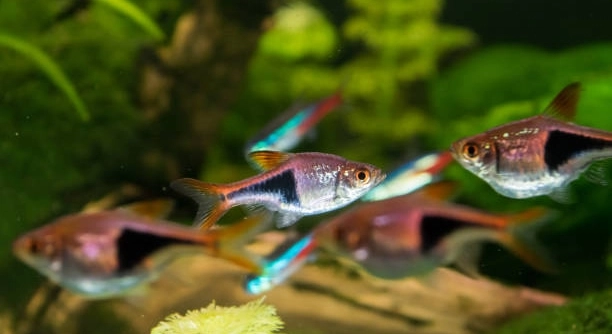
Harlequin rasboras are small, vibrant fish often kept in home aquariums. Their bright colors and peaceful nature make them a favorite among hobbyists, yet knowing when they are fully grown can be tricky for many aquarium enthusiasts.
A harlequin rasbora is typically considered fully grown at around 1.5 to 2 inches in length, which usually occurs between six and eight months of age. Growth depends on diet, water quality, and overall tank conditions.
Proper care and understanding of their growth stages will help maintain their health and vivid coloration, ensuring your aquarium remains lively and balanced for years.
Understanding Harlequin Rasbora Growth Stages
Harlequin rasboras grow in distinct stages, starting from tiny fry to small juveniles, and eventually reaching full size. In the first few weeks, they are delicate and require stable water conditions and frequent small feedings. As they grow, their fins become more defined, and the black triangular patch on their bodies becomes prominent. By three months, they develop noticeable coloration, though they are still smaller than adults. Their growth rate depends heavily on water temperature, diet quality, and tank size. A balanced diet including high-quality flake food, micro-pellets, and occasional live or frozen foods helps them reach their potential. Monitoring water parameters such as pH, ammonia, and nitrate levels ensures that young fish do not face stress or stunted growth. Patience is key, as growth can vary slightly among individuals even under identical conditions. Observing them daily allows you to notice these subtle changes and adjust care as needed.
Proper feeding and water care ensure steady growth without stunting or health issues.
Keeping the tank clean and providing a variety of foods promotes healthy development. Consistency in maintenance makes a visible difference in their size, coloration, and overall vitality. Overfeeding can lead to poor water quality, while underfeeding slows growth. Even minor fluctuations in temperature or pH can stress young fish, affecting their size. Regular observation allows early intervention when growth appears uneven or delayed. Introducing hiding spots and gentle tank mates reduces stress, which is important during juvenile stages. Gradual transitions when adding new food types support digestion and nutrient absorption.
Signs a Harlequin Rasbora Is Fully Grown
Color intensity and body proportions are clear indicators of maturity.
A fully grown harlequin rasbora displays a deep orange-red body with a sharp black triangular patch and well-developed fins. Their body length reaches about 1.5 to 2 inches, and males may appear slightly larger or more elongated. By this stage, their behavior also stabilizes—they swim confidently in mid-water, interact peacefully with other tank mates, and show little growth over successive months. Environmental factors like proper lighting, a balanced diet, and stable water conditions help maintain their vivid colors. Over time, their scales and fins develop a healthy sheen, reflecting consistent care. Observing these physical and behavioral cues can guide you in identifying when your fish has reached maturity.
Understanding these signs helps ensure proper care, feeding, and tank adjustments. Regular observation allows you to maintain a healthy, balanced environment for your adult harlequin rasboras, keeping them active and visually striking.
Factors Affecting Growth
Diet quality directly impacts growth. Feeding a mix of high-quality flakes, micro-pellets, and occasional live or frozen foods helps fish reach full size. Water temperature, pH, and cleanliness also influence development, while overcrowded tanks can slow growth and stress the fish.
Providing a balanced diet ensures proper nutrition. Juvenile harlequin rasboras need multiple small feedings daily to support rapid growth. Live foods like daphnia or brine shrimp encourage natural hunting behavior and improve coloration. Maintaining water temperature around 75–82°F and stable pH levels prevents stress that can stunt growth. Overcrowding limits swimming space, reducing exercise and slowing development. Clean water reduces disease risk, allowing consistent growth without interruptions. Monitoring these factors daily supports healthy development and helps fish achieve full adult size efficiently.
Stress from aggressive tank mates or sudden changes can affect growth. Consistent routines in feeding, tank maintenance, and water conditions minimize stress. Observing behavior, swimming patterns, and coloration helps detect issues early. Adding plants or hiding spots gives a secure environment, reducing tension and promoting confidence. Gradual adjustments in tank setup or diet prevent sudden stress responses. Healthy, unstressed harlequin rasboras grow steadily and maintain vivid colors. Proper care ensures balanced development, avoiding deformities or stunted size.
Tips for Supporting Growth
Regular water testing helps maintain a stable environment.
Consistency in feeding and cleaning schedules is essential for growth. Avoid overfeeding, which can pollute the tank, and underfeeding, which limits nutrition. Rotating foods ensures a complete diet, and proper filtration maintains water clarity. Observing fish daily allows early detection of illness or stress. Healthy, balanced conditions support full adult development.
Providing enrichment like plants and swimming space encourages activity. Proper tank size, combined with clean water and a varied diet, promotes natural behavior and reduces stress. Avoid sudden temperature changes or overcrowding, as these factors can slow growth or cause health problems. Gradual introduction of new foods or tank mates ensures stability. Observing growth milestones and coloration patterns lets you track development and intervene if needed. Consistency, attention, and a calm environment allow harlequin rasboras to reach full size and maintain vitality over time.
Common Growth Issues
Slow growth often results from inconsistent feeding or poor water conditions. Juveniles need regular, nutritious meals, and sudden changes in temperature or pH can stress them, affecting development.
Overcrowding is another common issue. Limited space reduces swimming and exercise, which can stunt growth and affect overall health.
Monitoring Development
Tracking size and coloration regularly helps identify potential problems. Measuring fish and observing behavior ensures growth remains on track. Any sudden changes in activity or fading colors may indicate stress, illness, or dietary deficiencies, allowing for early intervention. Maintaining consistent water quality, proper diet, and minimal stress ensures steady development and adult maturity.
Creating the Ideal Environment
Clean, stable tanks with proper filtration, plants, and hiding spots support healthy growth. A calm environment encourages natural behavior and reduces stress for harlequin rasboras.
FAQ
How long does it take for a harlequin rasbora to reach full size?
Harlequin rasboras generally reach their full size of 1.5 to 2 inches within six to eight months. Growth can vary depending on water conditions, diet, and tank environment. Providing stable temperatures, a clean tank, and a balanced diet supports consistent development and helps avoid stunting.
What is the ideal diet for growing harlequin rasboras?
A balanced diet is crucial for proper growth. High-quality flake food, micro-pellets, and occasional live or frozen foods like daphnia or brine shrimp provide necessary nutrients. Feeding small portions multiple times a day ensures juveniles receive adequate nutrition without polluting the tank. Variety in diet also supports coloration and overall health.
Can tank size affect growth?
Yes, overcrowding can significantly slow growth. Limited swimming space reduces exercise and can increase stress levels, which may stunt development. A properly sized tank with enough room for swimming and exploration promotes natural behavior and steady growth. Providing hiding spots and plants also reduces stress.
How does water quality impact growth?
Stable water conditions are essential. Fluctuations in temperature, pH, or ammonia levels can stress fish, slow growth, and increase susceptibility to illness. Regular water testing, partial water changes, and proper filtration maintain a healthy environment that allows harlequin rasboras to develop fully and maintain vivid colors.
Do males and females grow at different rates?
Males and females grow at similar rates, but males may appear slightly larger or more elongated as they mature. Color intensity is usually comparable, though males might display slightly brighter tones during full maturity. Both sexes benefit equally from consistent care, proper feeding, and a stable environment.
How can I tell if my harlequin rasbora is fully grown?
Full-grown harlequin rasboras reach 1.5 to 2 inches in length. They display deep orange-red coloration, a sharp black triangular patch, and well-developed fins. Behavior stabilizes as they mature—they swim confidently in mid-water and interact peacefully with tank mates. Observing these physical and behavioral cues indicates adulthood.
Can stress affect growth?
Yes, stress can significantly slow growth. Causes include overcrowding, aggressive tank mates, sudden changes in temperature, or poor water quality. Reducing stress through stable conditions, hiding spots, gentle tank mates, and consistent routines ensures proper development and helps maintain healthy coloration.
Is it necessary to supplement vitamins or minerals?
A varied diet usually provides sufficient nutrients. Occasional supplementation with high-quality foods enriched with vitamins can support growth, especially for juveniles or fish recovering from stress or illness. Over-supplementing is not recommended, as it can lead to water contamination and health issues.
How often should I check their growth?
Monitoring growth weekly or biweekly is sufficient. Note size, coloration, and behavior changes. Early detection of slower growth or fading colors allows timely adjustments in diet, water quality, or tank conditions, preventing long-term issues and supporting healthy adult development.
Do harlequin rasboras stop growing after a certain age?
Yes, once they reach 1.5 to 2 inches and full coloration, growth slows significantly. At this point, they are considered fully mature. Maintaining proper care ensures they remain healthy and active throughout adulthood, with stable size and vibrant colors.
Can genetics influence growth?
Genetic factors play a role in maximum size and body shape. Some fish may naturally be slightly smaller or larger than average, even with optimal care. Genetics also affects coloration intensity, fin shape, and overall proportions. Observing a group of fish helps determine what is normal for each individual.
What are common mistakes that stunt growth?
Common mistakes include overfeeding, underfeeding, poor water quality, overcrowding, and frequent temperature fluctuations. Neglecting regular tank maintenance or using low-quality food can lead to stunted growth and health issues. Consistent care, proper nutrition, and a stable environment prevent these problems.
How can I encourage natural growth behaviors?
Providing space for swimming, hiding spots, and gentle tank mates encourages natural movement and reduces stress. Occasional live food stimulates hunting instincts and physical activity. Maintaining a calm, clean environment supports steady, healthy growth and fully developed adult features.
Should I separate juveniles from adults?
Separating juveniles is not always necessary if the tank is spacious and adults are peaceful. Overcrowding or aggressive adults may stress younger fish, slowing growth. A well-planned tank with sufficient space, hiding spots, and compatible fish ensures all age groups can grow properly.
What signs indicate poor growth?
Slow size increase, faded coloration, fin damage, or lethargy are signs of poor growth. Checking water parameters, adjusting diet, and minimizing stress can address these issues. Early intervention helps prevent permanent stunting and supports full adult development.
Can water temperature speed up growth?
Moderate, stable temperatures (75–82°F) support healthy growth. Slightly higher temperatures may accelerate metabolism, but rapid changes or extremes can stress fish and stunt development. Maintaining consistency is more important than trying to force faster growth.
How long should juveniles be observed before considering them fully grown?
Observation for six to eight months typically suffices. During this time, monitoring size, coloration, and behavior helps determine when they reach maturity. Consistent care during these months ensures healthy, fully grown adult harlequin rasboras.
What is the most effective way to support coloration during growth?
A varied, high-quality diet rich in natural pigments, combined with clean water and proper lighting, enhances coloration. Reducing stress and providing a calm environment also allows colors to develop fully as fish mature.
Final Thoughts
Harlequin rasboras are small, peaceful fish that bring color and movement to any aquarium. Observing their growth from tiny fry to fully mature adults can be rewarding, yet it requires careful attention to their needs. Proper feeding, stable water conditions, and a clean environment are essential for healthy development. Consistency in daily care ensures that they grow steadily without stress or illness. Their full size, typically around 1.5 to 2 inches, is reached between six and eight months, but variations can occur depending on individual genetics and tank conditions. Watching their fins develop, their coloration deepen, and their behavior stabilize gives a clear sense of their maturity. Maintaining a balanced diet with high-quality flakes, micro-pellets, and occasional live or frozen foods supports both growth and vibrant coloration. Proper water temperature, pH stability, and regular testing also play key roles in promoting overall health.
Creating a suitable environment is just as important as feeding. Juvenile rasboras are sensitive to stress, which can slow growth or affect coloration. Providing adequate space, plants, and hiding spots reduces tension and encourages natural swimming behavior. Overcrowding should be avoided, as it limits exercise and may lead to stunted growth. Observing their activity and interactions with tank mates can indicate how comfortable they feel in their surroundings. Stress-free fish grow consistently and maintain brighter colors over time. Gradual adjustments in tank setup, such as adding new plants or changing decorations, help them adapt without causing disruption. By paying attention to these environmental factors, caretakers can support optimal growth and development while ensuring the fish remain healthy and active throughout their lives.
Tracking growth and maturity helps in providing appropriate care at every stage. Regular observation of size, coloration, and behavior allows early detection of any issues. Slow growth, faded colors, or lethargy may indicate water problems, dietary deficiencies, or stress, all of which can be addressed promptly with consistent care. Understanding their developmental milestones makes it easier to determine when a harlequin rasbora is fully grown and ready for adult life. Consistent feeding schedules, stable water quality, and attention to their environment create a supportive setting for healthy growth. By combining patience, observation, and proper care, harlequin rasboras can thrive, displaying their full coloration and natural behavior, enhancing the aquarium with both beauty and vitality.

Hello,
If you enjoy the content that we create, please consider saying a "Thank You!" by leaving a tip.
Every little bit helps us continue crafting quality advice that supports the health, happiness, and well-being of pets around the world, for pets of all shapes, sizes, and species.
We really appreciate the kindness and support that you show us!