
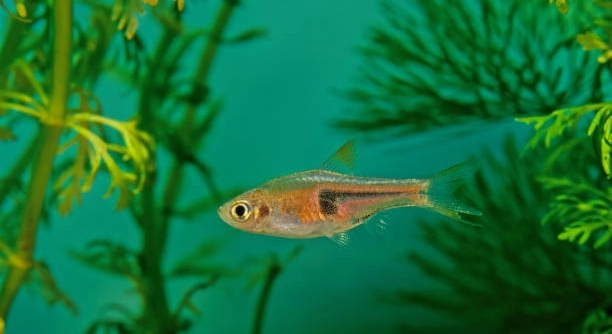
Harlequin Rasboras are popular freshwater fish known for their vibrant colors and peaceful nature. Many aquarists enjoy keeping them in community tanks and often notice their growth over time, wondering about their adult size and care needs.
Harlequin Rasboras typically reach a maximum size of about 1.5 to 2 inches in length. Their growth depends on factors such as tank size, water quality, diet, and general care. Proper nutrition and a stable environment promote healthy development.
Knowing how to support their growth can make a significant difference in their health and appearance. We will cover practical tips and insights for raising thriving Harlequin Rasboras.
Understanding Harlequin Rasbora Growth
Harlequin Rasboras grow slowly and steadily when given proper care. Their size is influenced by water conditions, diet, and tank space. In a well-maintained aquarium, they can reach their full potential, usually around 1.5 to 2 inches. Overcrowding can stunt their growth, as limited space and competition for food may prevent them from developing properly. Temperature and water parameters also play a role; they thrive in slightly acidic to neutral water with consistent warmth. Feeding them high-quality flake, frozen, or live foods supports healthy growth. Juveniles may appear smaller for several months, but with stable conditions, they gradually grow into full-sized adults. Regular water changes and monitoring their environment help maintain their health. Observing their behavior is important, as lethargy or loss of color can indicate stress or inadequate care. Providing hiding spots and plants can reduce stress, promoting steady growth and vibrant coloration.
Growth is gradual, and patience is essential for their healthy development.
Tracking their growth helps identify problems early and ensures they stay healthy and active in the aquarium.
Tank Conditions for Optimal Growth
Proper tank conditions are crucial for Harlequin Rasboras to thrive.
Tank size, water quality, and temperature directly impact their development. A minimum 10-gallon tank for a small group is recommended to provide enough swimming space. Stable water conditions, free of sudden changes, prevent stress that can hinder growth. Filtration and regular water changes maintain clarity and remove toxins that may accumulate. The temperature should stay between 72–80°F, with a pH around 6.0–7.5.
Maintaining the right environment ensures their health and encourages natural behavior.
A well-planted tank with open swimming areas offers the best conditions. Soft, leafy plants provide hiding spaces, reducing stress and aggression within the group. A balanced diet complements proper tank conditions, supporting growth and bright coloration. Avoid overcrowding to prevent competition for food and reduce water quality issues. Monitoring ammonia, nitrite, and nitrate levels ensures the water stays safe. Gentle filtration and aeration keep oxygen levels consistent, which is important for their energy and metabolism. Observing daily behavior helps identify early signs of stress or illness, allowing timely adjustments. Consistency in tank maintenance and feeding routines contributes to steady, healthy growth over time.
Feeding for Healthy Growth
Balanced nutrition is essential for Harlequin Rasboras. High-quality flake, frozen, and occasional live foods support their growth and vibrant coloration.
A varied diet ensures they receive all necessary nutrients. Flakes provide basic daily nutrition, while frozen or live foods, such as daphnia or brine shrimp, give protein that supports muscle and overall development. Overfeeding should be avoided to prevent water quality issues. Feeding small amounts two to three times a day allows them to consume food fully without leftover waste accumulating in the tank. Rotating food types helps maintain interest and encourages natural foraging behaviors. Supplementing with vegetable matter can improve digestion and keep them healthy.
Consistency in feeding is key. Observing how they respond to different foods helps determine their preferences and ensures each fish receives enough nutrition. Adjusting portions based on growth stages allows optimal development and maintains energy levels.
Common Growth Challenges
Water quality and tank size directly affect Harlequin Rasbora growth. Poor conditions can stunt development and cause stress.
Juveniles are particularly sensitive to sudden changes in water parameters. High ammonia, nitrite, or nitrate levels can weaken their immune system and slow growth. Overcrowding leads to competition for food, which prevents some fish from reaching their potential size. Stress from aggressive tank mates or inadequate hiding spaces also hinders growth. Even slight fluctuations in temperature can affect metabolism and overall health. Regular testing and monitoring of water conditions prevent these issues and support steady growth. Proper tank maintenance ensures their environment remains stable and safe, reducing health problems and promoting vitality.
Feeding, tank setup, and consistent care work together to minimize growth challenges. By observing behavior and adjusting conditions accordingly, their development can stay on track. Maintaining a routine and providing high-quality nutrition ensures they grow healthily while retaining bright colors. Incorporating plants and hiding spots reduces stress, supporting both physical growth and natural behavior. Addressing water and space concerns promptly prevents long-term growth issues. A proactive approach helps maintain a balanced and thriving aquarium environment, keeping Harlequin Rasboras active and healthy.
Ideal Tank Mates
Harlequin Rasboras are peaceful and do best with similarly calm fish. Avoid aggressive or large species that may stress them or compete for food.
Small tetras, rasboras, and Corydoras catfish are suitable companions. Keeping a group of at least six helps reduce stress and encourages natural schooling behavior.
Monitoring Growth
Regular observation is important to ensure each fish develops properly. Track size and activity to identify potential issues early.
Noticing differences in growth among individuals can indicate dietary gaps, stress, or illness. Addressing these factors promptly prevents long-term problems and maintains a balanced aquarium environment. Regular measurements and comparison over time provide insights into overall health.
Breeding Considerations
Breeding Harlequin Rasboras may slightly affect their size and growth patterns. Proper care and nutrition are essential during this period.
Keeping separate breeding tanks helps protect adults and fry, ensuring steady growth and survival rates.
FAQ
How fast do Harlequin Rasboras grow?
Harlequin Rasboras grow gradually over several months. Juveniles start small, often under one inch, and reach full size, about 1.5 to 2 inches, with proper care. Growth depends on consistent water conditions, a balanced diet, and enough space. Regular monitoring helps ensure healthy development.
Can Harlequin Rasboras grow larger than 2 inches?
Generally, Harlequin Rasboras do not exceed 2 inches. Exceptional growth is rare and usually results from unusually large tanks, optimal water quality, and a highly nutritious diet. Even then, their growth tends to remain within the standard range for the species.
What diet promotes the best growth?
A varied diet supports healthy growth. High-quality flake food provides basic nutrition, while frozen or live foods like brine shrimp and daphnia offer essential proteins. Occasional vegetable-based supplements help digestion and overall vitality. Feeding small portions multiple times a day prevents overfeeding and water quality issues.
How important is tank size for growth?
Tank size directly affects growth and health. A minimum 10-gallon tank for a small group allows sufficient swimming space. Larger tanks reduce stress, promote activity, and improve water quality, all of which encourage proper development. Overcrowding slows growth and increases vulnerability to illness.
Do water conditions impact growth?
Yes, water quality is crucial. Stable temperature, pH, and low ammonia, nitrite, and nitrate levels are necessary for proper growth. Sudden changes can stress fish, reduce appetite, and slow development. Regular testing and consistent maintenance maintain an environment that supports healthy growth.
How can I tell if my Rasboras are growing properly?
Observe size, color, and activity. Healthy juveniles steadily increase in length, show vibrant coloration, and swim actively. Lack of growth, dull colors, or lethargy can indicate poor nutrition, stress, or water problems. Timely adjustments help restore proper growth patterns.
Does stress affect growth?
Stress negatively impacts growth. Aggressive tank mates, overcrowding, sudden changes in water conditions, or lack of hiding spaces can stress Rasboras. Stress lowers immunity and slows metabolism, preventing normal growth. Providing a calm environment, consistent care, and proper tank setup minimizes stress.
Are there differences in growth between males and females?
Yes, females often appear slightly fuller-bodied, especially when carrying eggs, while males are slimmer and more streamlined. Both genders reach similar lengths, but the body shape and subtle color differences help distinguish them once fully grown.
How often should I feed them for optimal growth?
Feed small portions two to three times daily. Overfeeding can harm water quality, while underfeeding slows growth. Observe consumption to adjust amounts. Rotating food types ensures balanced nutrition and encourages natural foraging behaviors, supporting steady development and vibrant colors.
Can breeding affect their growth?
Breeding can influence size temporarily. Spawning adults may expend energy, slightly affecting growth. Fry require specialized care and frequent feeding to develop properly. Maintaining optimal water conditions and high-quality food ensures both adults and fry grow healthily.
Do plants and hiding spaces influence growth?
Yes, plants and hiding spots reduce stress and promote natural behavior. Less stress improves appetite and metabolism, indirectly supporting growth. Dense planting and open swimming areas balance protection and activity, creating an environment where Rasboras can thrive physically and behaviorally.
How long does it take for Harlequin Rasboras to reach full size?
With proper care, they usually reach full size within six to nine months. Growth rate slows as they approach maximum length, so consistent water quality, nutrition, and a calm environment are key to reaching their full potential.
Harlequin Rasboras are small, peaceful fish that bring life and color to a freshwater aquarium. Understanding their growth patterns helps ensure they develop healthily and remain vibrant. These fish generally reach about 1.5 to 2 inches in length, but their size depends heavily on proper care, water quality, and nutrition. Observing their behavior and physical changes over time allows you to notice any potential issues early. Consistent monitoring of water conditions, including temperature, pH, and chemical levels, plays a key role in promoting their growth. Providing a stable environment reduces stress, which is critical for healthy development. Overcrowding and aggressive tank mates can slow growth, so it is important to maintain a balanced community tank.
Diet is another important factor that directly impacts the size and health of Harlequin Rasboras. A mix of high-quality flake food, frozen or live foods like daphnia and brine shrimp, and occasional vegetable supplements ensures they receive the nutrients they need. Feeding small portions multiple times a day prevents overfeeding and supports digestion. Rotating food types keeps them interested and encourages natural foraging behavior. Juvenile fish may grow slowly at first, but with consistent feeding and proper tank maintenance, they will steadily reach full size. Observing their appetite and adjusting portions as they grow helps maintain energy levels and supports proper development. A balanced diet also contributes to their vibrant coloration, making the aquarium more visually appealing while keeping the fish healthy.
Tank setup and care routines are equally significant for supporting growth and long-term health. Plants and hiding spots reduce stress by giving them safe spaces, while open swimming areas allow natural movement and exercise. Proper filtration, aeration, and regular water changes maintain a clean and oxygen-rich environment. Monitoring ammonia, nitrite, and nitrate levels helps prevent health problems that can stunt growth. Breeding considerations can also impact size temporarily, as adults may expend energy during spawning, and fry require specialized care. Paying attention to these factors ensures that Harlequin Rasboras not only reach their full size but also remain active, healthy, and colorful throughout their lives. Consistency in care, attention to diet, and maintaining a stable environment create the best conditions for these fish to thrive and develop naturally.

Hello,
If you enjoy the content that we create, please consider saying a "Thank You!" by leaving a tip.
Every little bit helps us continue crafting quality advice that supports the health, happiness, and well-being of pets around the world, for pets of all shapes, sizes, and species.
We really appreciate the kindness and support that you show us!