
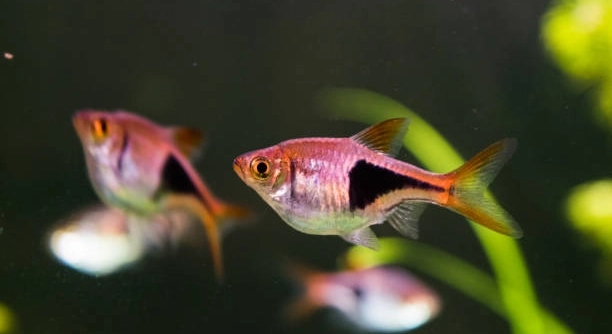
Harlequin rasboras are small, colorful fish that brighten up any aquarium. Many owners enjoy watching their lively movements and subtle interactions. Over time, some begin to notice behaviors that suggest these fish may recognize familiar faces.
Research indicates that harlequin rasboras can exhibit recognition of their caretakers. While their memory is limited compared to larger animals, consistent feeding routines and interaction allow them to form associations and respond differently to familiar humans.
Observing these behaviors can deepen your bond and improve the care you provide. Understanding their memory patterns offers insights into their social and cognitive abilities.
Understanding Harlequin Rasbora Memory
Harlequin rasboras are more observant than many assume. Their memory is shaped by repetition and routine, which helps them recognize feeding times and familiar movements near the tank. Over time, they may respond to specific people with anticipation or curiosity. These small fish rely on simple cues, so consistent interaction reinforces recognition. They remember patterns rather than faces in the human sense, but the reactions they display suggest an ability to differentiate between familiar and unfamiliar presence. Watching them adjust to subtle changes can be fascinating, revealing their adaptive behaviors and the impact of a predictable environment.
Their memory is short-term, yet frequent interactions strengthen recognition. Small changes in routine can confuse them, showing how sensitive they are to repetition.
Consistency and observation are key. By maintaining a structured feeding schedule and approaching the tank calmly, you allow the fish to learn and respond positively. Noticing subtle signals, like changes in swimming patterns or increased activity near feeding times, indicates they are forming associations. Each movement and interaction contributes to their recognition abilities. Over weeks, you may see them gather near your presence, showing signs of learned behavior. Small adjustments, such as tapping the tank lightly or offering food at regular intervals, help reinforce this recognition.
Signs Your Rasbora Recognizes You
Swimming patterns and attention levels are the first indicators of recognition.
Repeated interactions reveal more about their memory. They may swim closer when you approach or show excitement around feeding. Observing these behaviors carefully over time demonstrates their ability to form associations. The fish learn to connect specific movements or sounds with positive experiences, like receiving food. In some cases, they may respond differently to various caretakers, showing that they distinguish between individuals based on previous encounters. Noting these patterns can improve care and interaction quality.
Understanding these signs requires patience and observation. Each harlequin rasbora is slightly different, but consistent routines lead to measurable responses. Watching for anticipatory swimming or clustering near your presence indicates recognition. This behavior develops gradually as they associate feeding times with specific movements. Variations in their reactions can reveal preferences or comfort levels, guiding how you interact with them. Reinforcing positive experiences, like feeding at the same time daily, strengthens memory retention. Over time, these fish demonstrate that even small aquatic pets can form simple, recognizable bonds through routine and consistency, making care more engaging and responsive.
How Memory Affects Feeding Behavior
Harlequin rasboras quickly learn feeding routines. They recognize the timing and approach of their caretaker, showing excitement or swimming toward the surface. Their memory guides their responses, and changes in schedule can disrupt this behavior, causing confusion or hesitation.
Consistent feeding routines help reinforce memory. When the fish experience regular timing and cues, they associate the presence of a person with food. This repeated behavior strengthens recognition, making them more responsive over time. Skipping feedings or altering the schedule frequently can reduce their ability to anticipate meals. Observation is key; noting patterns in activity before and during feeding helps identify how they remember and react.
Memory also influences interactions during feeding. They may swim closer to certain areas of the tank or cluster around the person providing food. Over weeks, this behavior becomes predictable, allowing you to anticipate their reactions. Minor variations in your approach can change their responses, showing their sensitivity to cues. Reinforcing positive experiences, like gentle feeding, encourages consistent recognition. Monitoring these patterns allows adjustments to care routines for improved engagement and comfort.
Environmental Factors and Recognition
Lighting, tank layout, and decorations impact recognition. Stable conditions help harlequin rasboras identify familiar cues and respond to caretakers consistently.
A predictable environment supports memory formation. Fish rely on landmarks, consistent lighting, and stable water parameters to orient themselves. Frequent changes or disruptions in the tank can interfere with recognition, causing stress or reduced interaction. Maintaining a calm and consistent habitat allows them to focus on routine behaviors and adapt to interactions with humans. Visual cues, such as decorations or placement of plants, help them associate specific areas with feeding or activity. Consistency ensures that recognition is reinforced.
Environmental enrichment also plays a role in memory. Providing safe hiding spots, gentle currents, and stable decor encourages exploration while maintaining familiarity. Harlequin rasboras use these features to navigate and learn their surroundings. Gradual adjustments, rather than abrupt changes, prevent confusion and reinforce recognition of routines. Monitoring behavior after any modification helps understand how the fish respond and remember cues. Combining consistent environmental conditions with regular interaction strengthens memory and recognition, making the fish more comfortable and engaged in their habitat.
Recognizing Human Presence
Harlequin rasboras notice movement near the tank. They often respond to familiar faces with anticipation, swimming closer or becoming more active.
Their reactions are subtle but consistent. Over time, they may differentiate between people based on routine interactions, showing preference for those who feed or approach gently.
Building Trust Through Routine
Repeated, calm interactions improve recognition and comfort. Approaching the tank slowly and offering food at regular intervals helps harlequin rasboras associate your presence with positive experiences. They begin to respond predictably, showing signs of learned behavior and developing a basic understanding of who interacts with them regularly. Consistency in approach, feeding times, and gentle gestures reinforces memory. Even small, repeated actions like tapping lightly on the tank or moving slowly while observing them contribute to recognition. Over several weeks, these practices allow the fish to anticipate routines, respond to your presence, and become more confident in their environment, strengthening the interaction overall.
Subtle Behavioral Cues
Small changes in swimming patterns or position often indicate recognition. Observing these signals helps gauge memory and response.
FAQ
How long can a harlequin rasbora remember someone?
Harlequin rasboras have short-term memory but can retain recognition of people through repeated interactions. Consistent feeding and calm approaches allow them to form associations. They may respond differently to familiar individuals, showing anticipation during feeding or moving closer when approached over days and weeks.
Can they recognize multiple caretakers?
Yes, they can distinguish between different people based on previous experiences. Fish that are regularly fed or interacted with may respond more actively, while unfamiliar people may receive little reaction. Their recognition is tied to routine and positive associations rather than visual identity alone.
What behaviors show recognition?
Swimming closer to the tank front, increased activity, clustering around the feeding area, and attentive movements toward the person providing food are common indicators. These behaviors suggest they are associating the presence of a caretaker with positive experiences, primarily feeding.
Does tank size affect memory?
Larger tanks may make recognition slightly harder due to increased distance and more space to explore. Smaller, consistent environments allow the fish to learn cues faster. Landmarks like plants or decorations can help reinforce memory by providing familiar points of reference.
Do environmental changes confuse them?
Yes, sudden changes in layout, lighting, or water conditions can disrupt memory and recognition. Harlequin rasboras rely on consistent surroundings to reinforce their learning. Gradual adjustments and stable routines help maintain recognition and reduce stress in the tank.
Can they remember if you skip a feeding?
Skipping feeding occasionally may confuse them, but frequent lapses can weaken their recognition of routine cues. Consistent feeding times reinforce associations, and minor inconsistencies are less disruptive if the overall schedule remains stable.
Is interaction necessary for recognition?
Interaction improves recognition, but even minimal observation, like moving near the tank regularly, can help. The key is repetition and consistency. Fish respond better when approaches are calm and predictable, gradually forming associations with familiar routines and people.
Do they recognize other animals or just humans?
Harlequin rasboras primarily focus on routines and cues. They may notice other tank inhabitants but tend to associate humans with feeding or interaction. Recognition of humans is more pronounced due to repeated, consistent experiences and positive reinforcement.
How quickly do they learn to recognize someone?
Learning speed varies, but consistent daily interactions over a few weeks are generally enough to observe recognition behaviors. Positive experiences, calm approaches, and routine feeding accelerate this process, making the fish more responsive and predictable in their reactions.
Can they forget a person?
Yes, if interactions stop for an extended period, memory fades. Short-term memory dominates, so continuous exposure is important for maintaining recognition. Returning to previous routines can help them regain familiarity over time.
Does age affect memory?
Younger fish may adapt faster to new cues, while older fish may show slower responses. Memory retention varies individually, but consistent interaction can maintain recognition regardless of age. Observing behavior patterns helps adjust care and interaction strategies.
Do they respond differently to visual or auditory cues?
They primarily rely on movement and routine rather than complex visual recognition. Subtle sounds like tapping or splashing associated with feeding can enhance memory, helping them anticipate interactions based on repeated signals.
Can stress impact their ability to recognize people?
Yes, stress from poor water conditions, overcrowding, or sudden changes can reduce attention and memory retention. Maintaining a calm, stable environment supports recognition and encourages positive, predictable responses to familiar caretakers.
Is there a difference between individual fish in recognition ability?
Yes, some harlequin rasboras are naturally more attentive or responsive than others. Personality differences affect how quickly they form associations and react to familiar caretakers. Observing individual behaviors helps tailor routines and interactions to strengthen recognition.
How can I encourage recognition if my fish seems shy?
Approach slowly, feed consistently, and avoid sudden movements. Repeated gentle interactions gradually build comfort and allow the fish to associate your presence with positive experiences. Patience is key, as shy fish may take longer to show recognition behaviors.
Do they remember feeding locations as part of recognition?
Yes, spatial memory plays a role. Fish often return to familiar areas during feeding or approach specific spots when a caretaker is present. Consistent positioning of food and maintaining tank layout reinforce memory and recognition cues.
Can recognition improve their overall well-being?
Yes, predictable routines and recognition reduce stress and increase confidence in their environment. Positive associations with caretakers make them more active, responsive, and comfortable, supporting better health and engagement in the tank.
Does recognition influence social behavior within the tank?
Indirectly, yes. Fish that feel secure in their environment and respond confidently to caretakers tend to interact more predictably with tank mates. Recognition supports stability, reduces stress, and encourages natural behaviors among the group.
Are there any limits to what they can remember?
Harlequin rasboras have simple memory capabilities. They excel at forming short-term associations but cannot remember complex sequences or long-term events. Consistency in routines, feeding, and environment is essential for reinforcing recognition and predictable responses.
How do I maintain recognition over time?
Regular feeding, calm approaches, and consistent interactions are key. Avoid abrupt changes, provide a stable environment, and observe subtle behavioral cues. Over time, repeated routines reinforce memory, keeping the fish responsive and comfortable with familiar caretakers.
Final Thoughts
Harlequin rasboras are small, lively fish that demonstrate more awareness and memory than many assume. Their ability to recognize familiar people is shaped largely by consistent routines and repeated interactions. Observing them over time can reveal subtle changes in behavior that indicate recognition. Swimming closer to the tank front, clustering near the feeding area, and increasing activity during familiar routines are clear signs that they are forming associations. While their memory is short-term compared to larger animals, these responses show that simple, repeated actions are enough for them to differentiate between familiar and unfamiliar people. Understanding these patterns allows caretakers to provide better care and establish a predictable environment that supports the fish’s natural behaviors.
Maintaining a consistent environment is essential to support recognition and reduce stress. Stable lighting, water parameters, and tank layout help harlequin rasboras navigate their surroundings and strengthen memory of routines. Sudden changes can cause confusion and reduce their responsiveness, so gradual adjustments are preferable. Decorations, plants, and hiding spots act as landmarks, assisting the fish in remembering where feeding and other interactions occur. Over time, the combination of environmental consistency and repeated positive interactions allows them to anticipate events and respond predictably. Observing these small signals helps identify the ways they perceive and remember caretakers, providing insight into their cognitive abilities and social behavior within the tank.
Building recognition also benefits the overall relationship between caretaker and fish. Calm, repeated approaches combined with regular feeding schedules encourage positive associations and reduce stress. Even minor actions, like tapping gently on the tank or maintaining a steady routine, reinforce recognition over time. While each harlequin rasbora may respond differently based on personality and age, patience and consistency are key. Recognizing and responding to their behaviors strengthens comfort and confidence, allowing them to thrive in their habitat. Understanding their memory capabilities highlights how small aquatic pets can form connections through routine and interaction, making care more attentive and rewarding. Observing and supporting these responses enhances both the fish’s well-being and the experience of caring for them.

Hello,
If you enjoy the content that we create, please consider saying a "Thank You!" by leaving a tip.
Every little bit helps us continue crafting quality advice that supports the health, happiness, and well-being of pets around the world, for pets of all shapes, sizes, and species.
We really appreciate the kindness and support that you show us!