
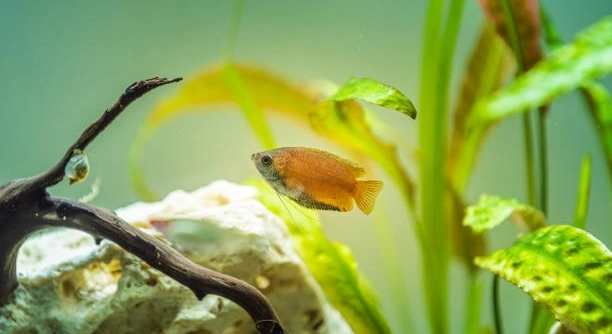
Do you enjoy watching your gourami swim gracefully around the tank but notice it avoiding its favorite resting spot? Changes in behavior can seem puzzling, especially when your fish suddenly moves to a different area without explanation.
When a gourami stops using its preferred spot, the behavior is often linked to environmental changes, stress, or health concerns. Monitoring water quality, tank conditions, and interactions with other fish is essential to identify the underlying cause.
Observing these subtle shifts in your fish’s routine can reveal important clues about its comfort and well-being in the aquarium. Paying attention early helps maintain a healthy environment for your gourami.
Reasons Your Gourami May Avoid Its Favorite Spot
Gouramis are sensitive to changes in their environment, and a favorite resting spot may become less appealing due to subtle shifts. Water temperature fluctuations, pH imbalance, or newly added decorations can make the area uncomfortable. Even a small buildup of debris or algae can discourage a gourami from using the same spot. Social dynamics in the tank also play a role. If another fish has claimed the area, your gourami may choose a safer or quieter location. Lighting changes can impact behavior as well, since gouramis often prefer dimmer, sheltered areas. Overfeeding or leftover food in the area can alter its cleanliness, making it less inviting. Observing these changes carefully helps identify patterns. Adjusting tank conditions gradually often encourages your fish to return. Being aware of these factors ensures your gourami feels secure and maintains healthy routines without forcing it to stay in one spot.
Careful observation and minor environmental adjustments can help your gourami feel comfortable again, restoring its usual behavior and preferred resting areas in the tank.
Monitoring your gourami’s responses over several days is essential. Make small, controlled changes to water parameters and tank layout. Avoid stressing the fish with sudden rearrangements, as gradual adjustments are more effective. Note interactions with other fish and remove any obstacles or food buildup near its preferred spot. Providing multiple shaded areas or shelters can give your gourami options and reduce competition. Regular maintenance, including cleaning and checking for water quality, is key to creating a consistent and welcoming environment. Over time, these efforts help your fish regain confidence and may encourage it to return to familiar areas without forcing interaction or stressing the aquarium balance.
Health Factors That Influence Spot Preference
Stress or illness can cause a gourami to avoid certain areas of the tank. Behavioral changes often indicate underlying health issues.
Health issues like parasites, infections, or swim bladder problems can directly affect your gourami’s movement and resting choices. Fish may seek areas with different water flow or temperature to ease discomfort. Stress from overcrowding or aggressive tankmates can also push a gourami away from preferred locations. Diet and feeding patterns impact energy levels and behavior, and nutritional deficiencies may reduce interest in specific spots. Watching for additional signs like lethargy, color changes, or unusual swimming patterns helps determine if health is the reason behind the shift. Promptly addressing illness, improving water quality, and reducing stressors can restore normal behavior. Regular observation ensures early detection of health problems and promotes long-term well-being, allowing your gourami to resume its usual routines safely and comfortably.
Adjusting Tank Conditions
Even minor changes in tank setup can affect your gourami’s comfort. Moving decorations, adjusting lighting, or changing filtration flow can make its usual spot less appealing. Small tweaks often help your fish feel secure and may encourage it to return.
Gradually modifying water parameters is important. Ensure temperature, pH, and hardness remain stable and within species-appropriate ranges. Sudden shifts can stress the fish, causing it to avoid familiar areas. Adding plants or shaded areas creates alternative spots, giving the gourami options without forcing it to return immediately. Observing how the fish reacts to each adjustment allows you to fine-tune conditions for maximum comfort and stability.
Consistency is key for behavior improvement. Maintaining regular feeding schedules and monitoring interactions with other fish helps your gourami feel secure. Keeping the tank clean and removing excess debris around favored areas reduces stress. Slowly introducing environmental changes while offering multiple resting spaces gives your fish control over its space, improving overall well-being. Patience and careful observation are essential to ensure it adapts successfully without disruption.
Encouraging Your Gourami to Return
Provide multiple shaded or sheltered areas to make the tank more inviting and reduce competition from other fish. These options help your gourami feel safe while exploring its environment.
Regular maintenance and careful observation are necessary to ensure a comfortable habitat. Remove leftover food, monitor water quality, and adjust decorations gradually. Observe interactions with tankmates to prevent bullying or territorial disputes. Offering varied hiding spots and resting areas allows your fish to choose where it feels secure. Over time, these adjustments restore confidence, encouraging the gourami to resume normal routines and reclaim familiar spots.
Patience and consistency are essential when helping your gourami return to preferred areas. Avoid sudden changes that may increase stress. Maintain stable water parameters, provide adequate shelters, and ensure balanced nutrition. Monitor behavior daily to identify subtle shifts or signs of discomfort. Offering multiple resting locations prevents competition and gives the fish control over its environment. With careful management, your gourami is likely to regain its confidence and gradually resume using favorite spots naturally, improving its comfort and overall health in the tank.
Observing Tankmates
Interactions with other fish can affect your gourami’s choice of resting spots. Aggressive or territorial tankmates may force it to avoid certain areas, even if they were previously favored.
Providing separate areas or hiding spots reduces stress from competition. Ensuring enough space for all fish helps maintain harmony and allows your gourami to feel secure.
Water Quality Checks
Regularly testing and maintaining water quality is essential. Poor water conditions can make favorite spots uncomfortable or unsafe, prompting your gourami to relocate. Monitoring ammonia, nitrite, nitrate, and pH levels ensures a stable environment that supports healthy behavior and encourages use of familiar areas.
Feeding and Spot Preference
Uneaten food or overfeeding near a spot can discourage your gourami from returning. Keep feeding areas clean and monitor portions to prevent leftover food accumulation, which helps maintain a welcoming resting environment.
Why has my gourami stopped using its favorite spot?
Gouramis may abandon a favored area due to changes in water conditions, lighting, or tank decorations. Stress from tankmates or overcrowding can also drive them away. Illness or discomfort may lead the fish to seek areas with different water flow, temperature, or shelter. Observing behavior carefully helps identify the reason.
How can I encourage my gourami to return?
Provide multiple shaded or sheltered areas to reduce competition and increase comfort. Gradually adjust water parameters and tank layout to restore a stable environment. Removing debris and leftover food near preferred spots helps, and patience is essential, as sudden changes can increase stress.
Is this behavior a sign of illness?
Not always, but sudden changes in resting spots can indicate health issues. Watch for additional signs such as color fading, lethargy, erratic swimming, or difficulty maintaining position. If these appear alongside avoidance of favorite areas, consult a veterinarian or fish specialist.
Can tankmates influence spot preference?
Yes. Aggressive or territorial fish may prevent your gourami from using certain areas. Overcrowding can increase stress, forcing the fish to find safer spots. Providing multiple hiding places and adequate space allows all fish to establish territories without conflict.
Does water quality affect resting behavior?
Absolutely. Ammonia, nitrite, or nitrate spikes, as well as pH or temperature fluctuations, can make familiar spots uncomfortable. Regular testing, partial water changes, and maintaining stable conditions encourage your gourami to return to preferred areas safely.
How do I maintain consistent water conditions?
Test water regularly using reliable kits. Perform partial water changes weekly to remove excess waste. Monitor temperature and pH daily. Avoid sudden changes in tank equipment or placement, and clean filters without disturbing beneficial bacteria. Consistency supports comfort and reduces stress.
Will adding plants help?
Yes, plants provide shade and shelter, creating alternative resting spots. Floating or tall plants mimic natural hiding areas, offering security and reducing competition. Gouramis feel safer when they have options, which can encourage them to resume normal routines over time.
How long does it take for a gourami to return?
The timeline varies depending on the reason for avoidance. If it’s stress or minor environmental changes, a few days to a week is common. If illness is involved, recovery may take longer. Monitor behavior and water conditions consistently to ensure a safe environment.
Should I rearrange the tank?
Minor adjustments can help, but avoid sudden or drastic changes. Rearrange gradually, adding shelters or shaded areas slowly. This approach reduces stress while offering new comfortable spots, increasing the likelihood your gourami will explore and reclaim preferred areas.
Can diet affect spot preference?
Yes. Overfeeding or leaving food near a resting spot can make it less inviting. Uneaten food may rot or alter water quality, discouraging your fish. Feeding controlled portions and cleaning leftover food helps maintain a clean, appealing area for resting.
What if my gourami never returns?
If avoidance persists despite environmental adjustments, stress reduction, and proper care, the fish may have permanently shifted preferences. Providing multiple safe areas ensures it still has comfortable resting spots, maintaining well-being and reducing overall stress in the tank.
How often should I observe behavior?
Daily observation is important. Noting resting spots, interactions with tankmates, and responses to changes helps detect problems early. Keeping a small log of behavior and water parameters can reveal patterns and guide adjustments for better comfort and health.
Can lighting changes influence behavior?
Yes, gouramis often prefer dimmer areas. Sudden increases in light intensity or extended exposure can discourage use of certain spots. Providing shaded areas or floating plants helps regulate light exposure, creating more inviting resting locations.
Is stress the most common reason for avoidance?
Stress is a primary factor, often caused by tankmates, overcrowding, or environmental changes. Even minor disruptions can lead to avoidance of favorite spots. Reducing stress through stable conditions, shelters, and gentle adjustments encourages the fish to resume normal behavior.
How do I know if my gourami is comfortable?
Comfortable gouramis swim calmly, explore multiple areas, and return to resting spots without hesitation. Bright coloration, regular eating, and smooth swimming patterns indicate a secure and healthy fish. Observing these behaviors confirms that your tank adjustments are effective.
Can seasonal changes affect my gourami?
Yes, temperature and light cycles may influence resting behavior. Seasonal shifts in room temperature or daylight hours can make certain spots less appealing. Maintaining stable tank conditions mitigates these effects, keeping your gourami comfortable year-round.
Are multiple resting areas necessary?
Providing several options reduces stress and competition. Gouramis feel secure when they can choose from multiple sheltered or shaded spots. This flexibility encourages natural behavior, allowing the fish to rest safely without being forced to share a single area.
What signs indicate permanent avoidance?
Persistent avoidance combined with normal health behavior, such as regular eating and swimming elsewhere, may indicate the fish has shifted its preference. Offering alternative shelters ensures comfort, even if the original spot is no longer used.
Can I prevent this behavior in the future?
Yes, by maintaining stable water parameters, consistent feeding, and a well-structured tank with multiple hiding spots. Minimizing stress from tankmates and gradual changes in layout or lighting helps your gourami feel secure and reduces the likelihood of avoiding favorite areas.
When should I seek professional help?
If avoidance is accompanied by lethargy, color loss, unusual swimming, or other health concerns, consult a veterinarian or fish specialist. Early intervention ensures proper diagnosis, treatment, and long-term well-being for your gourami.
This FAQ provides practical steps to understand and manage your gourami’s spot preferences. Observing behavior, maintaining water quality, and reducing stress are key to helping the fish feel comfortable and secure.
A gourami’s choice of resting spots can reveal a lot about its comfort and well-being in the tank. Changes in behavior, such as avoiding a previously favorite area, are often responses to environmental shifts, stress, or health concerns. Water quality, temperature, and pH play important roles in maintaining a safe and comfortable habitat. Even small fluctuations can make familiar spots less appealing. Observing your gourami closely allows you to identify potential problems early. Adjustments in water parameters, lighting, or tank layout should be done gradually to minimize stress. Creating multiple shaded or sheltered areas gives your fish options and encourages natural behavior. Paying attention to how your gourami interacts with tankmates also provides insights into social dynamics that can influence resting preferences. Over time, these careful observations and adjustments can help restore a sense of security and stability in the tank, allowing your fish to return to favorite spots naturally.
Consistent care is essential to supporting your gourami’s health and comfort. Regular cleaning, partial water changes, and monitoring of key water parameters like ammonia, nitrite, nitrate, and pH ensure that the environment remains stable. Leftover food or debris near resting areas can discourage the fish from returning, so maintaining a clean tank is important. Providing adequate space and multiple hiding spots reduces stress from other fish and allows your gourami to feel safe while exploring its surroundings. Nutrition also influences behavior, as a balanced diet supports energy levels and overall health. Gradual changes in tank decorations, layout, or lighting help the fish adjust without causing anxiety. By taking these steps, you create an environment where your gourami can feel secure, confident, and comfortable, which encourages the use of favorite resting areas and promotes long-term well-being.
Understanding the factors that affect your gourami’s behavior empowers you to make thoughtful decisions in maintaining its habitat. Avoiding sudden changes and monitoring the fish’s responses allows you to identify preferences and potential issues. Stress, illness, or poor water quality can all play a role, but consistent observation, proper care, and environmental adjustments often resolve the issue. Providing multiple resting options, maintaining stable water parameters, and ensuring a clean, balanced environment supports natural behavior and comfort. With patience and attentiveness, your gourami can regain confidence in its surroundings and resume normal routines, including using favorite spots. Careful monitoring and thoughtful tank management not only encourage healthy behavior but also strengthen your understanding of your fish’s needs. Over time, these practices help create a thriving aquarium where your gourami feels safe, secure, and at ease, making its habitat enjoyable for both the fish and yourself.

Hello,
If you enjoy the content that we create, please consider saying a "Thank You!" by leaving a tip.
Every little bit helps us continue crafting quality advice that supports the health, happiness, and well-being of pets around the world, for pets of all shapes, sizes, and species.
We really appreciate the kindness and support that you show us!