
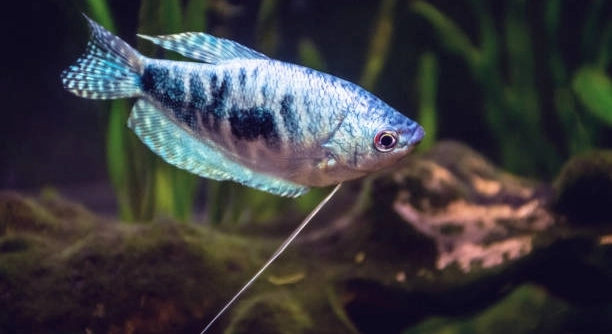
Are your gouramis showing dull colors despite a well-maintained tank? Many fish owners struggle to keep their pets vibrant, even with proper lighting and clean water. Diet plays a crucial role in bringing out natural hues.
Feeding gouramis a variety of nutrient-rich foods, including those high in carotenoids and proteins, directly influences their coloration. Specific choices such as shrimp, bloodworms, spirulina, and certain vegetables enhance pigment development, promoting brighter and healthier fish.
Knowing which foods have the greatest impact on color can transform your tank. Implementing these dietary adjustments will ensure your gouramis display their full, natural vibrancy consistently.
Shrimp and Krill
Shrimp and krill are excellent sources of natural carotenoids, which help enhance red, orange, and pink shades in gouramis. These small crustaceans are rich in protein and essential nutrients, supporting overall fish health while intensifying coloration. Fresh, frozen, or freeze-dried options are all suitable. Offering shrimp or krill two to three times a week ensures that gouramis receive consistent pigments without overfeeding. It is important to remove uneaten portions to maintain water quality, as leftover food can quickly decompose and raise ammonia levels. While some gouramis may initially be hesitant, gradual introduction by mixing with regular food can help. These foods not only improve color but also encourage natural foraging behavior, keeping fish active and stimulated. Regularly including shrimp or krill in their diet supports muscle development, boosts immune function, and contributes to longer lifespan. Observing gradual improvements in vibrancy over several weeks can confirm the positive impact of these additions.
Shrimp and krill provide essential nutrients while directly enhancing gourami coloration. Consistent feeding improves health and brightens their natural hues.
Adding shrimp or krill can transform dull-looking gouramis. With proper feeding, their colors gradually intensify, and fish remain active and healthy. Observing their response also offers satisfaction and reassurance that the diet changes are working.
Spirulina and Algae
Spirulina is a blue-green algae that contains high levels of carotenoids and proteins, making it ideal for enhancing gourami colors. This supplement can be offered in flakes, pellets, or powdered forms, mixed into regular food or fed separately. It strengthens immune function, improves digestion, and encourages vibrant red and orange tones. Small doses daily are sufficient, as excessive feeding can cloud water and reduce oxygen levels. In addition to spirulina, other edible algae such as chlorella provide similar benefits, boosting natural pigments and supporting overall health. Regular inclusion of algae in their diet ensures a consistent supply of nutrients that maintain strong, bright colors throughout the year. Many gouramis enjoy the texture and taste, often picking flakes or pellets directly from the surface or floating near plants, making feeding time engaging to watch. Careful observation ensures that dietary changes are effective, and water quality remains stable.
Spirulina and algae naturally enhance coloration while providing nutritional support for healthy gouramis. Small, regular portions maintain vibrancy and immunity.
Consistent use of spirulina and algae supports both visual appeal and well-being. Their pigment-rich content gradually deepens reds, oranges, and other shades, while proteins improve muscle tone and energy levels. By integrating algae carefully into the daily routine, you can maintain balanced nutrition and vibrant colors without compromising tank conditions. Observing gradual improvement confirms that these additions are effective, making it easier to maintain long-term care and a visually striking aquarium.
Bloodworms
Bloodworms are highly nutritious and rich in proteins and natural pigments, which support vibrant colors in gouramis. They are widely available in frozen, freeze-dried, or live forms and can be offered a few times per week.
Feeding bloodworms regularly helps enhance red and orange tones while providing essential amino acids for growth and energy. They stimulate natural hunting instincts, keeping fish active and engaged. Overfeeding should be avoided, as uneaten bloodworms can foul water quickly. Introducing bloodworms gradually can help hesitant gouramis accept them, especially if mixed with other regular foods. Their high nutrient content also supports stronger immune systems, reducing susceptibility to common diseases. Bloodworms are a reliable way to combine color enhancement with overall fish health.
Many gouramis respond quickly to bloodworms, showing brighter coloration and increased activity. Observing their eagerness during feeding confirms the benefits, making it an effective addition to a color-focused diet. Proper portioning ensures both vibrancy and a healthy tank environment.
Daphnia
Daphnia, also called water fleas, are rich in carotenoids and proteins, which improve gourami coloration while supporting digestion and growth. They can be offered live or freeze-dried.
Feeding daphnia contributes to enhanced red and orange hues while encouraging natural movement and foraging behavior. These small crustaceans are easy for gouramis to eat and digest, providing a high-quality protein source. Regular inclusion in the diet can improve vitality, support reproductive health, and maintain overall wellness. Overfeeding should be avoided to prevent water quality issues. Combining daphnia with other pigment-rich foods ensures a balanced diet that consistently promotes brighter colors. Observing fish during feeding helps monitor acceptance and response.
Daphnia strengthen health while gradually enhancing natural colors. Integrating them with other nutrient-rich foods ensures consistent vibrancy and active, healthy gouramis in the tank.
Brine Shrimp
Brine shrimp are a protein-rich food that also contains pigments enhancing gourami coloration. They can be fed live, frozen, or freeze-dried, and are ideal for boosting red and orange tones.
Regular feeding of brine shrimp encourages healthy growth and improves vibrancy. Small portions prevent overfeeding and maintain water quality.
Carrots and Vegetables
Carrots and other vegetables like spinach or peas provide natural carotenoids that enhance red and orange hues in gouramis. These foods should be finely chopped or lightly blanched for easy consumption. Vegetables also add fiber, supporting digestion and overall health, making them a simple yet effective addition to a balanced diet.
High-Quality Flakes
High-quality flakes designed for color enhancement contain essential vitamins, proteins, and pigments. Daily feeding in controlled portions ensures consistent color development and overall wellness.
Peas
Peas are easy to digest and help maintain digestive health. Removing skins and cooking briefly ensures gouramis can eat them easily, supporting both color and well-being.
How often should I feed my gouramis pigment-rich foods?
Feeding pigment-rich foods like shrimp, bloodworms, and spirulina two to three times a week is usually sufficient. Daily feeding is not necessary and can lead to overfeeding or water quality issues. Small, measured portions allow gouramis to consume all the food without leftovers, maintaining tank cleanliness.
Can I feed all these foods at once?
It’s best to rotate foods rather than offer everything at the same time. Alternating between bloodworms, shrimp, algae, and vegetables ensures a balanced diet and reduces the risk of digestive problems. This also encourages natural foraging behavior and keeps the fish active and engaged.
Are freeze-dried and frozen foods as effective as live foods?
Freeze-dried and frozen foods retain most of their nutrients and pigments, making them suitable alternatives to live foods. Live foods can stimulate natural hunting instincts, but high-quality frozen or freeze-dried options are easier to store and prepare while still improving coloration.
Can vegetables alone enhance my gouramis’ colors?
Vegetables like carrots, peas, and spinach provide carotenoids but are not sufficient alone for intense coloration. Combining vegetables with protein-rich foods like shrimp or bloodworms ensures gouramis receive both pigments and essential nutrients for healthy growth.
How long does it take to see color improvement?
Noticeable changes in coloration may take several weeks. Gradual improvements occur as carotenoids accumulate in the skin and scales. Consistent feeding and maintaining overall tank health are crucial for achieving the brightest and most vibrant colors.
Is overfeeding pigment-rich foods harmful?
Yes, overfeeding can lead to water quality issues, obesity, and digestive problems. Excess food decomposes quickly, increasing ammonia and nitrite levels. Feeding in controlled portions ensures both effective color enhancement and a healthy tank environment.
Should I supplement with spirulina every day?
Small daily doses of spirulina are safe and beneficial, especially in combination with other foods. It provides proteins and pigments that enhance red and orange tones. Avoid overfeeding, as too much can cloud water and reduce oxygen levels.
Do gouramis prefer live food over frozen or dry options?
Many gouramis show a strong preference for live food due to natural movement and texture, which stimulates hunting instincts. However, with gradual introduction, frozen and freeze-dried foods are often accepted and can be just as effective for color improvement.
Can color enhancement foods replace regular flakes?
No, color-enhancing foods should complement a balanced diet. High-quality flakes provide essential vitamins, minerals, and other nutrients needed for overall health. Combining both ensures your gouramis remain healthy while showing improved coloration.
What is the best way to introduce new foods to gouramis?
Introduce new foods gradually, mixing small amounts with familiar foods. This helps hesitant gouramis accept the change without stress. Observing feeding behavior ensures they are eating properly and adapting to the new diet.
Are there any signs that my gouramis’ diet is working?
Brighter, more vibrant colors, increased activity, and healthy growth are good indicators. Fish should appear alert and energetic, with no signs of lethargy or digestive distress. Regular monitoring confirms that the diet adjustments are effective.
Do water conditions affect coloration even with a good diet?
Yes, clean water, stable temperature, and proper lighting are essential. Poor water quality can dull colors regardless of diet. Maintaining optimal tank conditions alongside pigment-rich foods maximizes color development and overall health.
Can juveniles benefit from these foods?
Yes, juveniles respond well to pigment-rich foods, and early introduction helps develop strong colors as they grow. Careful portioning and balanced feeding support healthy development without overloading their small digestive systems.
Is variety important in a gourami’s diet?
Variety ensures balanced nutrition and prevents boredom. Rotating different pigment-rich foods, flakes, and vegetables provides essential nutrients while promoting consistent coloration. This approach supports both health and visual appeal over time.
Are there any foods to avoid for color enhancement?
Avoid heavily processed or low-quality foods that lack nutrients or contain fillers. These do not contribute to pigmentation and may harm water quality or overall fish health. Stick to high-quality options with proven carotenoid content.
How can I maintain color after it improves?
Once coloration improves, continue regular feeding of pigment-rich foods in moderation. Maintaining tank conditions, avoiding overfeeding, and providing a balanced diet ensures gouramis retain their vibrant appearance consistently.
Maintaining vibrant colors in gouramis requires more than just clean water and proper lighting. Diet plays a central role in promoting natural hues, and introducing the right foods can make a noticeable difference. Including shrimp, bloodworms, brine shrimp, and daphnia provides essential proteins and pigments that support both coloration and overall health. Vegetables such as carrots, peas, and spinach add natural carotenoids and fiber, improving digestion and contributing to brighter red and orange tones. Spirulina and other algae supplements offer additional pigments while supporting immunity and growth. Feeding these foods in measured portions ensures that gouramis receive the nutrients they need without compromising water quality. Overfeeding or introducing too many new foods at once can cause water issues and stress the fish, so it is important to maintain balance and monitor their responses carefully.
Consistency is key when enhancing gourami coloration. Changes in appearance take time, and gradual improvements are normal as pigments accumulate in the scales. Observing your fish regularly allows you to see how they respond to dietary adjustments and whether any modifications are necessary. Alternating foods helps provide a well-rounded diet while encouraging natural foraging behavior, which keeps the fish active and engaged. High-quality flakes designed for color enhancement can serve as a foundation, supplemented with live, frozen, or freeze-dried options for variety and additional nutrients. Even juvenile gouramis can benefit from this approach, as early introduction of pigment-rich foods helps develop strong, vibrant colors as they grow. Maintaining proper tank conditions alongside diet adjustments ensures that the benefits of these foods are fully realized. Clean water, stable temperature, and appropriate lighting amplify the effects of a nutrient-rich diet.
Color enhancement in gouramis is a gradual process that requires attention and care. While foods like bloodworms and shrimp have a direct impact on red and orange tones, incorporating vegetables, algae, and other supplements ensures balanced nutrition. Avoiding overfeeding and monitoring water quality are just as important as providing the right foods, as poor conditions can dull coloration regardless of diet. Over time, regular feeding of pigment-rich foods combined with proper tank maintenance leads to healthier, more vibrant fish. Observing their behavior, growth, and visual changes allows for ongoing adjustments and ensures long-term success. By maintaining a consistent and balanced feeding routine, gouramis can display their natural vibrancy, contributing to a more visually appealing and thriving aquarium. With patience and careful attention to diet and environment, achieving and maintaining bright, healthy colors is entirely possible, resulting in fish that are both active and visually striking.

Hello,
If you enjoy the content that we create, please consider saying a "Thank You!" by leaving a tip.
Every little bit helps us continue crafting quality advice that supports the health, happiness, and well-being of pets around the world, for pets of all shapes, sizes, and species.
We really appreciate the kindness and support that you show us!